Postpartum vs. weight-loss hair shedding often confuses women, but the two differ in causes, timing and fixes. Postpartum shedding is a temporary hormonal crash after delivery. Weight-loss shedding, especially from rapid fat loss or GLP-1 medications like semaglutide, stems from nutrient shifts, metabolic stress and telogen effluvium. Does weight loss cause hair loss? It can, and it can worsen hair fall after delivery when it is combined with postpartum weight loss.
Treatment options for both types of shedding can include PRP, exosomes, targeted nutrients and hormone balancing. A personalized plan can help speed recovery, reduce shedding and support fuller regrowth.
Spotting Postpartum vs. Weight-Loss Hair Shedding
Hair shedding can hit hard: clumps in the shower, a thinning ponytail, postpartum shedding edges looking bare. Many women in Queens and beyond ask the same questions:
- "I'm dealing with postpartum vs. weight-loss hair shedding. Which is it?"
- "Postpartum weight loss and hair loss started together after my baby."
- "Does weight loss cause hair loss on GLP-1 medications like semaglutide?"
These look alike but are not the same. Postpartum shedding is a hormone crash after delivery. Weight-loss shedding, from dieting or GLP-1 medications, comes from rapid fat loss and nutrient gaps. Below you will learn the differences, typical timelines such as when postpartum hair loss starts and stops, and treatment options for postpartum vs. weight-loss hair shedding.
Why Postpartum Hair Shedding Happens (Hair Fall After Delivery)
Pregnancy raises estrogen, which keeps more hair in the growth (anagen) phase, so normal shedding nearly stops. After delivery, hormones drop quickly, pushing many of those hairs into the resting and shedding (telogen) phase at the same time.
Typical timeline:
- When does postpartum hair loss start? Usually 2–4 months postpartum.
- It often peaks at 3–6 months. When does postpartum hair loss stop? Usually by 6–12 months, but postpartum hair loss after 1 year can signal another issue worth checking.
Signs:
- Clumps when washing or brushing.
- Postpartum shedding edges at the temples.
- Overall thinning, a sense of "volume collapse."
Shedding can worsen with breastfeeding, aggressive postpartum weight loss, sleep loss, low iron or vitamin levels, or thyroid shifts. When postpartum shedding and weight loss happen together, the combination can amplify hair fall.
Why Weight-Loss Hair Shedding Happens (Does Weight Loss Cause Hair Loss?)
Weight loss can cause hair shedding through telogen effluvium: metabolic stress from rapid fat loss, low protein intake, or GLP-1 medications (semaglutide, tirzepatide) that suppress appetite and reduce how much you eat.
Triggers:
- Fast, significant weight drop.
- Nutrient deficits (iron, protein, B vitamins).
- Hormonal ripples (thyroid, cortisol).
Signs:
- Starts 6–12 weeks after a weight change.
- Diffuse mid-scalp thinning.
- Slower regrowth than postpartum shedding.
This type of shedding is usually temporary, but the overlap between postpartum weight loss and hair loss confuses many women.

Postpartum vs. Weight-Loss Hair Shedding: Key Differences

Hair loss vs. hair shedding? Shedding is a temporary excess of hair fall and applies to both types. True hair loss involves follicle damage, which is uncommon in these situations.
- Cause: Postpartum shedding follows the hormone drop after delivery; weight-loss shedding follows metabolic stress and nutrient gaps.
- Onset: Postpartum shedding usually begins 2–4 months after birth; weight-loss shedding usually begins 6–12 weeks after a weight change.
- Pattern: Postpartum shedding often shows at the temples and hairline; weight-loss shedding tends to be diffuse across the mid-scalp.
- Duration: Postpartum shedding usually settles within a year; weight-loss shedding can linger while deficits continue.
Postpartum Hair Loss Treatment Options
Early postpartum vs. weight-loss hair shedding treatment can help hair recover faster.
- PRP Hair Restoration: Injections that support follicles and can help speed regrowth.
- Exosome Therapy: An option for more noticeable postpartum shedding edges.
- Hormone Balancing: Evaluates thyroid and estrogen changes after pregnancy.
- Nutrient Optimization: Targeted iron, zinc and vitamin D, with ferritin checked (skip random biotin).
Home steps to reduce hair fall after delivery include a protein-rich diet and iron-rich foods such as spinach and lentils. For postpartum hair loss after 1 year, a medical evaluation is a sensible next step.
There is no miracle shampoo for postpartum vs. weight-loss hair shedding. Focus on the root causes.
Weight-Loss Hair Shedding Treatment (GLP-1 Focus)
A common approach for weight-loss shedding combines PRP with nutrition support.
- PRP + Nutrition: Pairs scalp treatment with correcting GLP-1-related deficits (protein, iron, B vitamins).
- Exosome Therapy: An option for stubborn thinning.
- Hormone Optimization: Looks at thyroid, estrogen and cortisol after weight loss.
- Deficiency Fixes: Appetite suppression can make it hard to eat enough, so guided intake matters.
Hairstyling tip: volumizing styles can help disguise shedding while hair regrows.

When to Seek Postpartum vs. Weight Loss Hair Shedding Treatment
Consider an evaluation if:
- Shedding lasts more than 3 months.
- Your scalp shows or your ponytail thins.
- Postpartum weight loss and hair loss happen together.
- You have recently started a GLP-1 medication.
Starting treatment early can help shorten how long shedding lasts.
Next Steps for Hair Shedding
- PRP and exosome options for postpartum hair loss treatment.
- Evaluation of hormones and nutrients behind postpartum vs. weight-loss hair shedding.
- Customized plans based on your history and timeline.
- Support for regrowth after delivery or GLP-1 weight loss.
The exact price is set at the consultation.
Cosmetic procedures are self-pay. Payment options can be reviewed in office after the exact plan and total are known.
Frequently Asked Questions
Will my hair grow back on its own?
Often, yes. Postpartum hair loss treatment can help regrowth come in faster and fuller.
Does weight loss cause long-lasting hair loss?
Rarely. Shedding from weight loss is usually temporary, but GLP-1 cases may benefit from early evaluation.
When does postpartum hair loss start and stop?
It usually starts 2–4 months after delivery and stops by 6–12 months.
What about postpartum hair loss after 1 year?
Get checked, since ongoing shedding could need treatment.
How can I reduce hair fall after delivery at home?
Protein, iron-rich foods and rest help; PRP can be paired with these steps.
Is there a shampoo for postpartum vs. weight-loss hair shedding?
No shampoo fixes it alone. Address the underlying causes.
How much does treatment cost?
The cost section above explains how the price is set.
About Leva Medical
Leva Medical has offices in Queens (94-06 59th Ave, Suite E9, Elmhurst, NY 11373) and in Northport, Long Island (320 Laurel Rd, Northport, NY 11768).
Call (718) 699-9737 to book a consultation with our board-certified doctors.
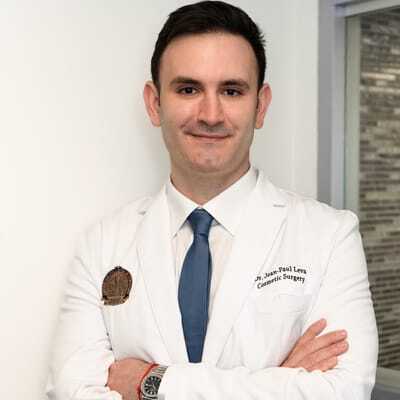
Dr. Jean-Paul Leva
Dr. Jean-Paul Leva, FACS is board certified in cosmetic and general surgery. Dr. Jean-Paul Leva, FACS obtained his Doctor of Osteopathic Medicine degree from ...