If you've been hearing about tirzepatide and wondering whether Mounjaro or Zepbound is the right choice, you're asking the right question. Both medications share the same active ingredient manufactured by Eli Lilly, yet they carry different FDA approved indications, follow different insurance pathways, and serve different clinical goals. This guide breaks down the zepbound vs mounjaro comparison for clinicians and informed patients who need clarity, not confusion.
Quick Overview: Mounjaro And Zepbound Same Drug?
Zepbound and Mounjaro contain the identical active ingredient: tirzepatide, a dual agonist of the glucose dependent insulinotropic polypeptide (GIP) receptor and the GLP-1 receptor. Tirzepatide activates GIP and GLP-1 receptors simultaneously, which is what separates it from GLP-1-only weight loss medications on the market. These are, at the molecular level, the same drug.
The different brand names exist because Mounjaro and Zepbound received different FDA approvals for distinct medical conditions. Mounjaro targets glycemic control in type 2 diabetes. Zepbound targets chronic weight management and severe obstructive sleep apnea in adults with obesity.
FDA Approvals And Different FDA Approvals
Understanding the FDA approved indications for each brand is critical for prescribing and insurance purposes.
Mounjaro:
Received FDA approval in May 2022 for type 2 diabetes
Approved to improve glycemic control in adults as an adjunct to diet and exercise
Later expanded to include pediatric patients aged 10 and older
Mounjaro is not FDA approved for weight loss
Zepbound:
Received FDA approval in November 2023 for chronic weight management
Approved for adults with obesity (body mass index ≥30) or overweight with at least one weight related health condition (such as high blood pressure, dyslipidemia, or cardiovascular disease)
Zepbound's approval requires use alongside a reduced calorie diet and increased physical activity
In December 2024, also approved for moderate-to-severe obstructive sleep apnea in adults with obesity
Zepbound is approved for chronic weight management since November 2023, making it the labeled choice when the primary indication is obesity treatment rather than diabetes.
Approved For Weight Loss: Body Weight Effects And Suppress Appetite
The weight loss data for tirzepatide is among the most robust in the field. However, the clinical trials behind each brand tell different stories.
Zepbound (SURMOUNT trials):
In SURMOUNT-1 (non-diabetic adults with obesity), participants on 5, 10, and 15 mg doses achieved average weight loss of approximately 15.0%, 19.5%, and 20.9% of body weight, respectively, over 72 weeks
At the highest dose, 57% of participants lost 20% or more of their body weight, representing significant weight loss
Zepbound users achieved up to 22.5% weight loss in trials, demonstrating greater average weight reduction than most competing weight loss drugs
In SURMOUNT-2 (obesity with type 2 diabetes), weight loss reached approximately 13.4% at 10 mg and 15.7% at 15 mg
Mounjaro (SURPASS trials):
Mounjaro users lost up to 15% of body weight as a secondary benefit in diabetes trials (SURPASS-EARLY, 104 weeks at 15 mg)
These were secondary endpoints, not the primary indication
Zepbound's weight loss effectiveness is optimized for obesity treatment, and tirzepatide may produce greater weight loss than GLP-1-only medications. The mechanism works to suppress appetite and reduce appetite through dual incretin signaling. It can lead to appetite suppression within days of injection, though decreased appetite deepens as the dose escalates over weeks. Most patients experience maximal supporting weight loss results by 12 to 18 months of treatment, and those who lose weight tend to maintain losses while remaining on therapy.
Blood Sugar Control: How Each Affects Blood Sugar
If the goal is to control blood sugar levels, the evidence base for Mounjaro is deep.
Mounjaro (SURPASS trials):
SURPASS-1 (monotherapy): A1C reductions of −1.7% to −1.8% across doses vs near zero for placebo at 40 weeks
SURPASS-4 and SURPASS-5 (add-on therapy): A1C reductions of −2.1% to −2.4% depending on dose
Pediatric data: A1C reduction of −1.9% to −2.2% vs −0.2% in placebo at 30 weeks
Zepbound (SURMOUNT-2):
In participants with obesity and type 2 diabetes, A1C reductions reached −2.07% (10 mg) and −2.11% (15 mg) vs −0.51% with placebo over 72 weeks
Both brands lower blood sugar levels effectively because tirzepatide enhances insulin secretion and reduces glucagon levels, helping regulate blood sugar in patients with type 2 diabetes. The primary indication for Mounjaro is blood sugar control, while Zepbound's glycemic improvements represent a secondary benefit in patients who happen to have comorbid diabetes. The drug also improves insulin sensitivity and stimulates insulin release in a glucose-dependent manner, enhancing insulin secretion when blood sugar is elevated.
Dosing And Administration
The dosing schedule for both brands is identical, reflecting the same doses and the same drug underneath:
Step | Dose | Duration |
|---|---|---|
Starting dose | 2.5 mg once weekly | 4 weeks (not therapeutic; titration only) |
First therapeutic dose | 5.0 mg once weekly | At least 4 weeks |
Optional escalation | 7.5 mg → 10 mg → 12.5 mg → 15 mg | Increase every 4+ weeks as tolerated |
Maximum dose | 15 mg once weekly | Maintenance |
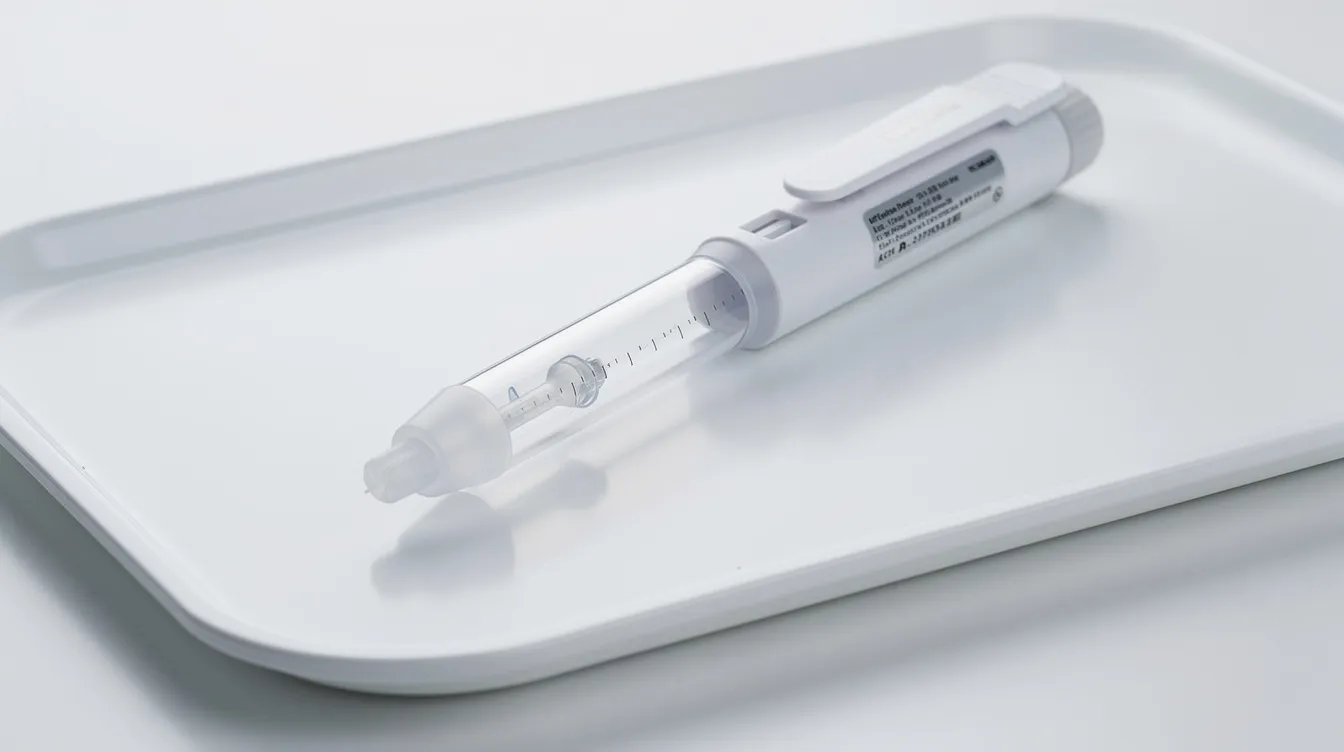
Both come as prefilled, single-use pens (KwikPens for Zepbound) across six dose strengths: 2.5, 5, 7.5, 10, 12.5, and 15 mg. Patients begin at the lowest dose to minimize gastrointestinal side effects and escalate based on tolerability. Some patients find adequate response at 10 mg and never need to reach the maximum. Others require slower titration if GI symptoms are disruptive. The starting dose of 2.5 mg is not considered a therapeutic dose for weight management in adults or for blood sugar control-it exists purely to acclimate the body.
Side Effects, Drug Warnings, And Safety Considerations
Because Mounjaro and Zepbound share the same active ingredient, their safety profiles overlap almost entirely. Gastrointestinal symptoms are the most common adverse effects.
Common side effects include:
Nausea, vomiting, and diarrhea
Constipation and abdominal pain
Indigestion, gastroesophageal reflux
Side effects may include reduced appetite and abdominal discomfort
Injection-site reactions, fatigue, hair loss
Zepbound users may experience varying side effect intensities depending on dose. In SURMOUNT trials, severe GI adverse events requiring discontinuation ranged from 4.3% to 7.1% on tirzepatide versus 2.6% on placebo.
Boxed warning: Both medications have a boxed warning for potential thyroid tumors, specifically thyroid c cell tumors including medullary thyroid carcinoma. This is based on rodent data; human relevance remains unknown. Both are contraindicated in patients with a personal or family history of medullary thyroid carcinoma or multiple endocrine neoplasia syndrome type 2. Report any thyroid tumors, neck masses, or hoarseness to a provider immediately.
Additional warnings:
Acute pancreatitis-seek care for severe abdominal pain
Gallbladder disease
Acute kidney injury (often from dehydration due to GI fluid loss)
Hypoglycemia when combined with insulin or other medications that stimulate insulin secretion
Tirzepatide can slow gastric emptying and delay gastric emptying, which increases satiety but may affect absorption of oral medications and pose aspiration risk during anesthesia
If a patient reports persistent severe abdominal pain, discontinue and evaluate for pancreatitis or gallbladder pathology before continuing.
Insurance Coverage, Insurance Plans, And Cost Considerations
This is where the zepbound vs mounjaro distinction matters most in practice.
Mounjaro:
Mounjaro is covered under diabetes management plans by most insurance companies
Mounjaro is typically covered without prior authorization for diabetes when prescribed within label
Most insurance plans include it on formulary for type 2 diabetes alongside other glycemic agents
Zepbound:
Zepbound is more likely to be covered by insurance if prescribed for obesity, but insurance coverage for Zepbound may face more restrictions
Zepbound requires prior authorization for insurance coverage in nearly all cases
Many insurance plans still exclude or heavily restrict weight loss medications
The prior authorization process typically requires documentation of body mass index thresholds, comorbidities (such as high blood pressure, cardiovascular risk factors), and evidence of failed lifestyle interventions
For the obstructive sleep apnea indication, some commercial plans began covering Zepbound in 2025, though for commercially insured patients, coverage varies widely
Zepbound is approved for weight management with specific criteria, meaning the prescriber must demonstrate the patient meets those criteria during the prior authorization process.
Both brands offer manufacturer savings programs. Zepbound provides a savings card for eligible self-pay patients, and Mounjaro has copay assistance for diabetic patients. These programs typically do not apply if the drug is used off-label or if the patient has government insurance.
Head-to-Head Comparison: Key Categories
Create A Side-by-Side Summary
Category | Mounjaro | Zepbound |
|---|---|---|
Active ingredient | Tirzepatide (dual GIP/GLP-1 agonist) | Tirzepatide (same active ingredient) |
Primary indication | Type 2 diabetes (adults + pediatric ≥10 yrs) | Chronic weight management; moderate-to-severe sleep apnea in obesity |
FDA approval date | May 2022 | November 2023 (weight); December 2024 (OSA) |
Dosing | 2.5–15 mg weekly subcutaneous | Same doses, same schedule |
A1C reduction | Up to −2.4% in SURPASS trials | Up to −2.11% in SURMOUNT-2 (comorbid diabetes) |
Average weight loss | Up to ~15% (secondary endpoint) | Up to ~20.9% (SURMOUNT-1, primary endpoint); up to 22.5% in some analyses |
Approved for weight loss | No | Yes |
Insurance coverage | Covered by most insurance plans for diabetes | Restricted; requires PA; many plans exclude weight loss drugs |
Manufacturer | Eli Lilly | Eli Lilly |

Actionable Takeaways: Which To Prescribe
When the primary goal is to improve glycemic control, prescribe Mounjaro. It aligns with the FDA approved indication, insurance plans cover it readily, and the SURPASS trial evidence is the deepest for blood sugar outcomes.
When the primary goal is FDA approved weight loss or treating moderate-to-severe obstructive sleep apnea in adults with obesity, prescribe Zepbound. Using Mounjaro off-label for weight management exposes the patient to coverage denials and the prescriber to documentation burdens.
Always verify the patient's insurance plans before prescribing. A patient with type 2 diabetes who also needs to lose weight may get coverage through the diabetes pathway with Mounjaro in the same period, while a non-diabetic patient seeking to lose weight should be routed through Zepbound's prior authorization process.
Matching prescription to indication isn't just good medicine-it's the difference between a covered medication and a $1,000+ monthly out-of-pocket cost for your patient.
Practical Guidance For Clinicians
Prior authorization documentation template for Zepbound:
Patient body mass index (current and historical)
Weight related condition documentation (hypertension, dyslipidemia, OSA diagnosis with AHI score)
Evidence of failed diet and exercise interventions over at least 6 months
Current and past weight loss medications trialed
Baseline weight, target weight, treatment plan timeline
Patient counseling on appetite timeline:
Appetite suppression can begin within days of injection at the starting dose, but meaningful changes typically emerge during escalation from 2.5 mg to 5 mg (weeks 5–8)
Set expectations: more weight loss accumulates over 12–18 months, not weeks
GI side effects cluster in early titration and usually diminish with continued use
Monitoring schedule:
A1C every 3–4 months for patients on Mounjaro managing diabetes
Weight at baseline and monthly for patients on Zepbound
Renal function monitoring if GI symptoms cause significant fluid loss
Eye exams for patients with diabetic retinopathy (rapid blood sugar improvement can transiently worsen retinopathy)
Adjust other medications-particularly insulin and insulin secretagogues-to reduce hypoglycemia risk as insulin sensitivity improves
Conclusion: Different FDA Approvals, Same Molecule
Mounjaro and Zepbound contain the identical active ingredient-tirzepatide-and use the same doses, the same injection schedule, and share the same side effect profile. What separates them is the label: different FDA approvals dictate which diagnosis each brand is designed to treat, which insurance pathway applies, and which clinical trial evidence supports the prescription.
Match the prescription to the diagnosis. Match the diagnosis to the insurance coverage. Verify formulary status and prior authorization requirements before the patient leaves your office. That alignment is what turns a promising molecule into an accessible treatment-whether the goal is to control blood sugar, achieve significant weight loss, or address family history of obesity-related complications. The molecule does the work; the label determines the path.
Frequently Asked Questions
What is the main difference between Mounjaro and Zepbound?
Both contain identical tirzepatide but have different FDA approvals. Mounjaro is approved for type 2 diabetes management, while Zepbound is approved for chronic weight management and obstructive sleep apnea in adults with obesity.
How much weight loss can patients expect from Zepbound?
In clinical trials, Zepbound achieved average weight loss of 15-20.9% depending on dose over 72 weeks. At the highest dose, 57% of participants lost 20% or more of their body weight.
What are the dosing schedules for both medications?
Both medications use identical dosing: start at 2.5 mg weekly for four weeks, then escalate to 5 mg and potentially up to 15 mg maximum. Doses increase every four weeks as tolerated, with six strength options available.
How effective is Mounjaro for blood sugar control?
Mounjaro reduces A1C levels by 1.7-2.4% depending on dose and use context, compared to near-zero reduction with placebo. The drug enhances insulin secretion and reduces glucagon in a glucose-dependent manner.
Can Zepbound be used for weight loss in patients with diabetes?
Yes. In trials with obese patients who also had type 2 diabetes, Zepbound achieved 13.4-15.7% weight loss at therapeutic doses, with A1C reductions of approximately 2% as a secondary benefit.
Learn more: Hormone Therapy at Leva Medical


-2.jpg?width=2000&height=2000&name=Copy%20of%20YouTube%20Thumbnail%20-%20Life-Changing%20Cosmetic%20Surgery!%20(Document)-2.jpg)


