If you've ever caught your reflection and thought, "why do my eyes look tired?"-even after a decent night's rest-you're not alone. Most people deal with dark circles, puffiness, or droopy lids at some point, and the causes range from last night's screen binge to deeper structural changes happening beneath the skin.
This guide breaks down the real reasons your eyes look tired, walks through the visual signs and symptoms worth paying attention to, and lays out practical fixes-from things you can do in the next five minutes to procedures that deliver lasting results. You'll also learn when it's time to stop experimenting and see a doctor.
Quick Overview: Why Your Eyes Look Tired
To "look tired" around the eyes means visible discoloration (blue, purple, brown shadows), puffiness, bags, hollows, or droopy lids that make your face appear fatigued or older than you feel. Tired eyes as a sensation include dryness, burning, heaviness, and that strained feeling after hours of near work.
Some causes are entirely reversible-poor sleep, dehydration, too much time staring at your phone. Others, like genetics and age-related volume loss, require targeted intervention. The good news: once you identify which category your tired eyes fall into, the path to a fresher appearance becomes much clearer.
Common Causes of Tired Eyes and Dark Circles
Sleep Deprivation
Lack of sleep disrupts the body's restorative processes, and your eye area is the first place it shows. Inadequate rest causes blood vessels to dilate under the eyes, making dark circles more visible through the thin skin. Sleep deprivation also reduces skin perfusion-your face appears paler, which increases contrast with those dilated vessels. On top of that, cortisol production increases with sleep deprivation, breaking down collagen and leaving skin looking less resilient. Even one night of poor sleep is enough for people around you to notice puffiness and shadows.
Digital Eye Strain
Eye strain is caused by prolonged screen time or reading. Staring at screens for hours reduces your blink rate, dries out the ocular surface, and forces your focusing muscles to work overtime. Screen strain can lead to dark circles and puffiness because the sustained near focus increases blood flow to the orbital area while simultaneously disrupting tear film stability.
Allergies and Nasal Congestion
Allergic rhinitis dilates blood vessels and causes pooling under the eyes-a phenomenon known as "allergic shiners." Nasal congestion blocks venous drainage, creating purplish shadows. Chronic eye rubbing from itchiness only makes things worse by irritating the skin and dilating superficial capillaries.
Dehydration and Poor Nutrition
Dehydration can make skin look duller and tired. When your body doesn't get enough water, the under eye area loses its plumpness, and hollows become more pronounced. Iron deficiency (anemia), low vitamin K, and inadequate B vitamins also impact vascular health and skin tone, compounding the tired look.
Aging and Volume Loss
Aging reduces collagen and skin elasticity around the eyes, making what was once smooth and firm look crepey and hollow. Fat pads that used to provide support start to descend or herniate, ligaments weaken, and bone resorption in the midface removes the scaffolding that kept everything in place. Genetics can also affect predisposition to dark circles and bags under the eyes, which is why some people in their twenties already struggle with under-eye shadows that run in the family.
Anatomy Behind Dark Circles and Puffiness
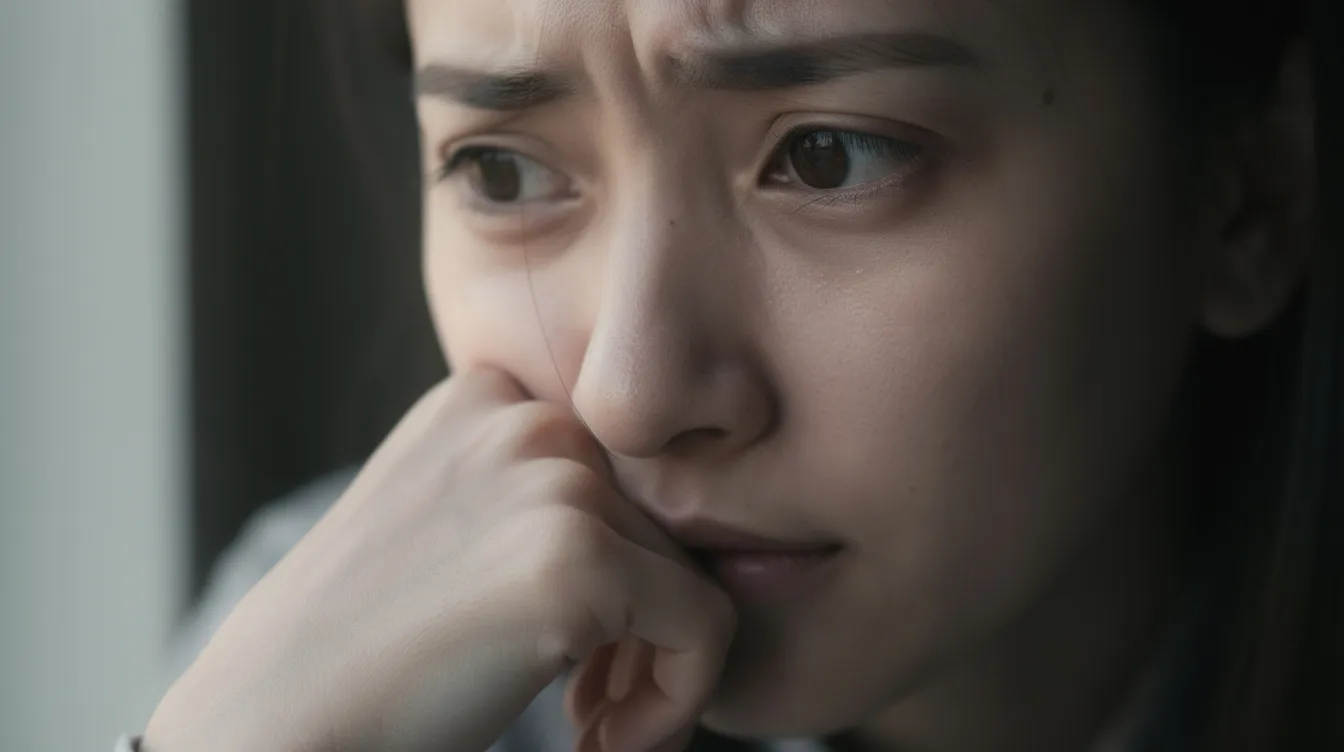
Skin under the eye is the thinnest on the body. It has minimal subcutaneous fat and almost no oil glands, which means every underlying structure-capillaries, muscles, bone-shows through more readily than anywhere else on your face.
As you age, the orbital septum weakens, allowing fat pads to push forward and create visible bags. Meanwhile, the tear trough-that groove running from the inner corner of the eye toward the cheek-deepens as supporting fat and collagen diminish, casting shadows that register as dark circles.
Lymphatic drainage also plays a role. Overnight fluid accumulation, high salt intake, and sleeping flat can overwhelm the sluggish lymphatic channels around the eyes, leading to morning puffiness. An elevated sleeping position can prevent fluid from pooling under the eyes and reduce that swollen look by morning.
Visual Signs That Make You Look Tired: Dark Circles, Puffiness
The visual markers that make people look tired tend to fall into a few categories:
Droopy or heavy upper eyelids - excess skin or muscle fatigue creates a hooded, smaller eye opening that reads as exhaustion.
Under-eye hollows and shadows - tear-trough depressions cast dark circles even in well-rested individuals, especially in certain lighting.
Persistent puffiness and bags - herniated fat pads or fluid retention make the lower lid appear swollen and puffy, adding years to your appearance.
These signs often overlap. Someone with both hollows and bags will see a combination of shadow and protrusion that makes the contrast even more noticeable.
Tired Eyes: Symptoms to Describe
Beyond what others see, tired eyes come with a distinct sensation set:
Dryness, grittiness, and burning - dry eyes can cause burning and irritation, especially at the end of a long day of screen work or in air-conditioned environments.
Redness and bloodshot appearance - irritated ocular surfaces or dilated conjunctival vessels make eyes look strained.
Eye strain and intermittent blurred vision - difficulty refocusing after sustained near work, heaviness in the muscles around the orbits, and a general feeling that your eyes need a break.
Treatments and Quick Fixes for Tired Eyes and Dark Circles
You don't need to commit to a procedure to see a change. Some fixes work in minutes for a specific event or photo; others require consistency over weeks. Here's the full spectrum.
At-Home Remedies for Tired Eyes
Optimize sleep. Aim for 7–9 hours at a consistent time each night. Sleep in a dark, cool room. If you've slept well and still wake up puffy, try elevating your head slightly-this small change in sleeping position helps lymphatic drainage overnight.
Follow the 20-20-20 rule. The 20-20-20 rule helps alleviate digital eye strain: every 20 minutes, look at something 20 feet away for 20 seconds. It takes under a minute and gives your focusing muscles a genuine rest.
Apply cold compresses. Cold compresses can rapidly reduce puffiness by constricting blood vessels. A chilled spoon, refrigerated gel mask, or even a bag of frozen peas wrapped in cloth works for five to ten minutes.
Use targeted creams. Hydration is important for maintaining the skin's plumpness around the eyes, so look for moisturizers with hyaluronic acid. Using caffeine in eye creams can temporarily reduce dark circles and puffiness by constricting superficial blood vessels. Retinol and peptide formulations support collagen over time, keeping skin firmer.
Try self-heating eye masks. Self-heating eye masks reduce puffiness and improve circulation while providing warm compression that eases strain-a good option for the end of a working day.
Stay hydrated. Drink enough water throughout the day and limit salt and alcohol, both of which promote fluid retention and leave your face looking puffy.
In-Office Treatments for Dark Circles and Puffiness
When lifestyle fixes aren't enough, clinical options deliver more dramatic results:
Treatment | Best For | Key Data |
|---|---|---|
Tear-trough fillers (HA) | Under-eye hollows, volume loss | Can soften a hollow and is FDA-approved for under-eye hollows, but cannot remove a bag |
Blepharoplasty | Excess eyelid skin, fat prolapse | Lower eyelid surgery removes or trims the fat pads that cause eye bags |
Laser skin treatments | Pigmentation, fine lines, texture | Laser skin treatments improve skin texture and pigment only; they do not remove fat pads |
Non-surgical skin tightening | Mild laxity, crepey skin | Non-surgical skin tightening improves lax, crepey skin around the eyes |
Chemical peels / depigmentants | Melanin-based dark circles | Effective for pigment-dominant concerns; multiple sessions typical |
Under-eye rejuvenation treats hollowing and dark circles effectively when the right modality is matched to the right cause. Using color-correcting concealers can help with hyperpigmentation under the eyes as an immediate cosmetic fix while longer-term treatments take effect.
Allergy management-antihistamines, nasal steroids, environmental controls-remains essential for anyone whose dark circles stem from chronic congestion. Treating the open airway issue often resolves the discoloration without any cosmetic procedure.
Devices and Techniques to Reduce Eye Strain
Blue-light filters and screen brightness tuning - Adjust your screens to match ambient lighting. Night-mode settings before bed can help reduce circadian disruption, though the evidence on blue-light glasses alone remains mixed.
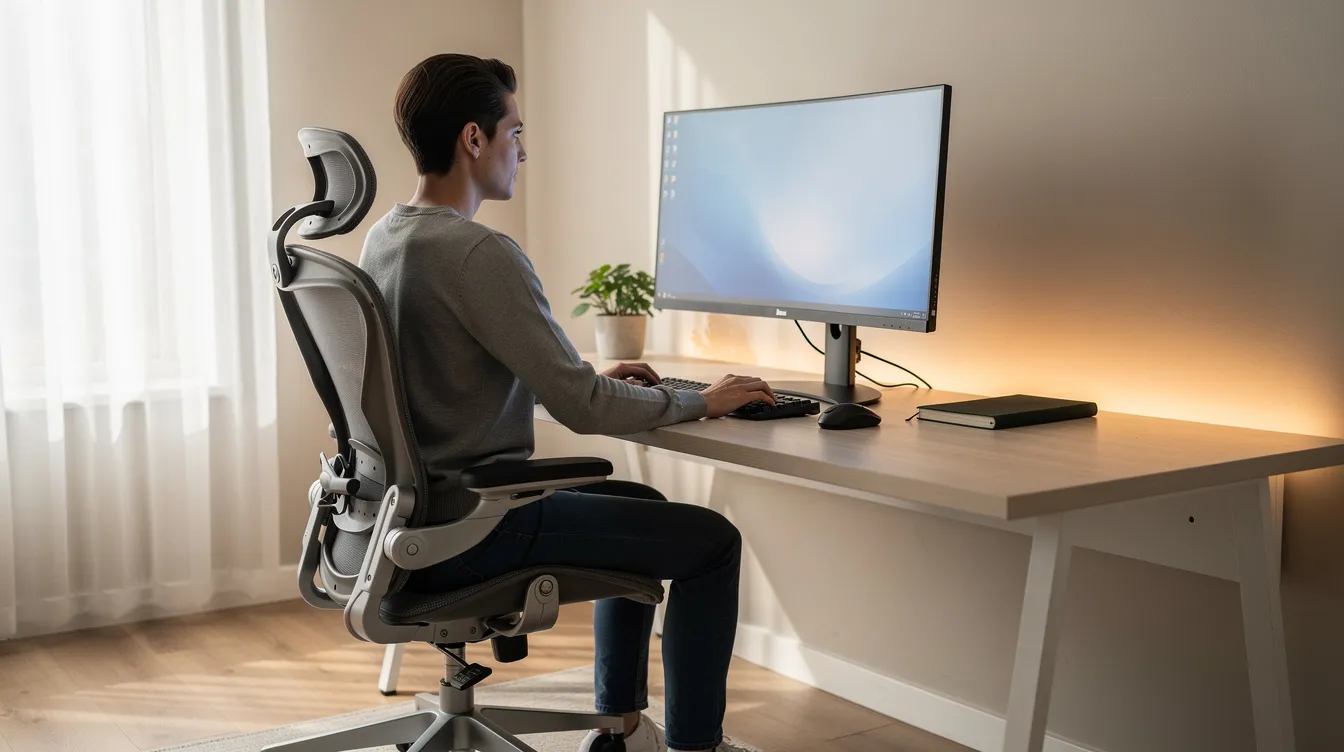
Ergonomic setup - Position your monitor at or slightly below eye level, about 20–30 inches from your face. Balance room lighting so there's no harsh glare on the screen.
Conscious blinking - Remind yourself to blink fully and frequently. Screen work can cut your blink rate in half, which is a primary driver of dryness. Some people set a small timer; others tape a sticky note to their monitor as a cue.
Prevention and Daily Habits to Avoid Looking Tired
Prevention is simpler than correction. A few consistent habits make a measurable difference:
Lock in a sleep-wake schedule. Going to bed and waking up at the same time-even on weekends-keeps cortisol rhythms stable and gives your skin the time it needs to repair.
Stay hydrated and watch electrolytes. Aim for roughly 2 liters of water daily. Avoid heavy salt intake at night; it's one of the small things that directly contributes to morning puffiness.
Wear sunglasses and SPF daily. UV exposure accelerates collagen breakdown and triggers melanin production around the eyes. A broad-spectrum SPF and quality sunglasses protect the thinnest skin on your body from premature aging.
Limit late-night screen use. Put the phone down at least 30 minutes before bed. The combination of blue light and cognitive stimulation delays sleep onset, and you'll feel the difference by day two.
If you want to track what's working, log your sleep, water intake, and screen hours for two weeks. Most people notice patterns quickly-and the data makes it easier to stay consistent.
When to See a Doctor About Tired-Looking Eyes
Not every case of tired eyes is cosmetic. Seek medical attention if you experience:
Sudden vision loss or significant visual changes - this is an emergency, not a cosmetic concern.
Persistent pain, severe redness, or eye discharge - could indicate infection, inflammatory disease, or another condition requiring urgent care.
Chronic dry, gritty, or blurry eyes that don't respond to OTC drops - medical treatments for dry eyes improve hydration and reduce redness, but they require proper diagnosis and sometimes prescription-strength solutions.
Unexplained puffiness or discoloration - particularly if accompanied by fatigue, weight changes, or swelling elsewhere on the body, which could signal thyroid, kidney, or other systemic issues.
A dermatologist can evaluate pigmentation concerns, while an ophthalmologist is the right call for persistent eye strain, dryness, or visual symptoms that don't resolve with lifestyle changes.
Conclusion: Key Takeaways to Stop Your Eyes From Looking Tired
Start with the small things: prioritize consistent sleep, take regular screen breaks, keep your skin hydrated, and reach for a cold compress when puffiness strikes. These zero-cost habits can make a visible difference.
If dark circles, bags, or eye strain persist despite doing everything right, don't keep guessing. A specialist can pinpoint whether you're dealing with volume loss, pigmentation, dry eye disease, or something else entirely-and match you with a treatment that delivers real results. Your eyes are too important, and too visible, to leave to trial and error. Schedule a consultation and feel good about what you see in the mirror.
Frequently Asked Questions
Why do dark circles appear under my eyes even when I've slept well?
Dark circles can result from genetics, age-related volume loss, or structural factors like the tear trough deepening. Thin under-eye skin shows underlying capillaries and shadows more readily. Dehydration, nasal congestion, and allergies also contribute to visible discoloration regardless of sleep quality.
How does screen time cause tired-looking eyes?
Prolonged screen use reduces blinking, drying out the ocular surface and straining focusing muscles. This increases blood flow to the orbital area while disrupting tear film stability, leading to dark circles and puffiness.
What role does sleep deprivation play in tired eyes?
Lack of sleep dilates blood vessels under the eyes, making dark circles more visible through thin skin. Sleep deprivation also increases cortisol, which breaks down collagen, and reduces skin perfusion, making puffiness and shadows more noticeable. Even one poor night produces visible effects.
Can dehydration and nutrition affect how tired my eyes look?
Yes. Dehydration reduces under-eye plumpness, making hollows more pronounced and skin appear duller. Iron deficiency, low vitamin K, and inadequate B vitamins impact vascular health and skin tone, compounding the tired appearance around the eyes.
How does aging change the appearance of tired eyes?
Aging reduces collagen and skin elasticity, causing crepey, hollow skin. Fat pads descend, ligaments weaken, and bone resorption removes facial scaffolding. The tear trough deepens, casting shadows that register as dark circles, while orbital septum weakening allows fat herniation creating bags.
Learn more: Lower Eyelid Surgery (Eye Bags) at Leva Medical


-2.jpg?width=2000&height=2000&name=Copy%20of%20YouTube%20Thumbnail%20-%20Life-Changing%20Cosmetic%20Surgery!%20(Document)-2.jpg)


