Upper blepharoplasty is a surgical procedure designed to remove excess skin and sometimes fat deposits from the upper eyelids. The goal is straightforward: correct hooded or sagging lids that make you appear tired, heavy-eyed, or older than you feel.
This article walks you through what to expect before and after upper eyelid surgery, including documented appearance changes, the recovery timeline, and specific patient scenarios across different age groups. You will learn how results are typically captured in standardized photos taken from frontal and oblique views at 1 week, 1 month, 3 months, and sometimes 1 year post-surgery.
Patients in their 40s through 70s, both men and women, commonly benefit from upper blepharoplasty for a more awake, refreshed look. Here is what this article covers:
Visual changes to expect before and after surgery
Age-specific before and after photo examples
How combined procedures affect results
Week-by-week recovery from a visual perspective
Functional versus cosmetic outcomes
How to critically evaluate online photo galleries
Realistic expectations and preparation steps
Before and After Upper Blepharoplasty: What Changes to Expect
Before upper eyelid blepharoplasty, patients typically present with one or more of these characteristics: hooded upper eyelids where excess skin rests on the lash line, difficulty applying makeup because it transfers onto the skin fold, and a heavy or sleepy appearance regardless of how rested they actually are. In some cases, particularly older patients, the redundant skin partially blocks the superior visual field.
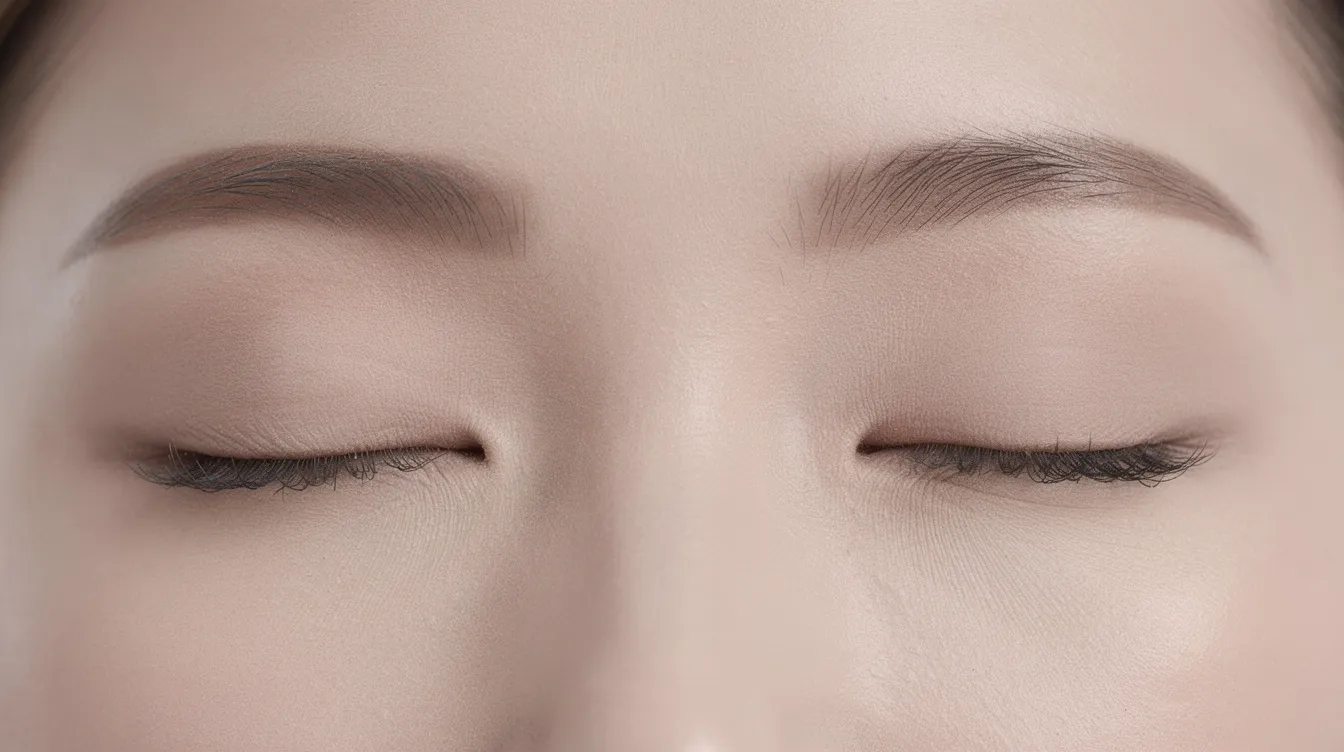
At full healing (typically 3 to 6 months post-operatively), documented changes in after photos show consistent improvements. The natural upper eyelid crease returns and becomes visible again. Less redundant skin creates a smoother contour from the lash line to the brow. Eyes appear more open and awake without looking surgically altered.
The surgical philosophy emphasizes achieving a refreshed, natural appearance rather than an overdone result. Over-aggressive skin removal can lead to visible hollowness or difficulty closing the eyelids.
Typical visible changes documented in before and after comparisons:
Reappearance of a defined eyelid crease that was previously hidden by hooding
Improved symmetry between right and left eyes
Smoother upper lid platform without redundant folds
Easier makeup application and wear throughout the day
Incision hidden within the crease, virtually imperceptible when eyes are open
Overall more alert facial expression without appearing “operated”
Note that combined procedures such as brow lift or lower blepharoplasty change the overall look beyond the upper lids alone. Photo captions should always specify which procedures were performed.
Upper Blepharoplasty Before and After Photo Examples by Age Group
Age and baseline anatomy significantly influence the magnitude of visible change in before and after photos. Here are anonymized case examples showing how results differ by age, with specific postoperative time points.
Early 40s with hereditary hooded eyes: A 43 year old female concerned about bags under her eyes underwent upper and lower blepharoplasty. Her after photos at 3 months showed resolution of under-eye bags via transconjunctival approach and improved upper lid contour. The change was meaningful but subtle, enhancing natural features without dramatic transformation.
Mid-50s with cosmetic and functional concerns: A 55 year old female with saggy upper and lower eyelids underwent upper blepharoplasty, lower blepharoplasty, and lateral brow lift under local anesthesia. Her after photos at 2 months documented a more youthful yet natural appearance. In her case, both the tired appearance and compensatory forehead wrinkling improved.
Late 50s male patient: A 48 year old male who felt his tired appearance did not match his energy level had brow ptosis, hooded upper eyelids, and prominent bags. His surgical plan included upper and lower eyelid surgery with brow lift and fat transfer. By 6 weeks post-surgery, he showed significantly refreshed appearance while maintaining masculine features.

60s-70s with comprehensive facial rejuvenation: A 73 year old female unhappy with heaviness and tired appearance underwent upper and lower lid blepharoplasty. After photos taken 2 years post-operatively showed sustained, natural-appearing results with improved transition from eyelid to cheek. The results addressed both appearance concerns and the functional impact of heavy lids.
Gender differences to note: Male patients often seek a sharper, more angular eyelid crease, while female patients may prefer a softer, more gradual transition. Male patients frequently show more pronounced brow ptosis, so combining upper blepharoplasty with brow lift can produce more dramatic eye opening in male patients.
Combined Procedures: How They Affect Before and After Results
A critical observation when reviewing online before and after photo galleries: the vast majority of documented cases involve combined procedures rather than upper blepharoplasty performed alone. This distinction matters because combined procedures produce synergistic effects that amplify visual transformation beyond what eyelid surgery alone achieves.
Common combinations with upper blepharoplasty:
Lower blepharoplasty addressing under-eye fat bags and tear trough hollowness
Lateral or endoscopic brow lift elevating the outer brow
Upper eyelid ptosis repair tightening the levator muscle to lift the eyelid margin
Facelift, neck lift, or CO2 laser skin resurfacing for broader facial rejuvenation
Sample combined case: A 58 year old female with heavy, puffy upper eyelids and under-eye bags underwent upper blepharoplasty with skin and fat removal, upper eyelid ptosis repair for muscle tightening, lower blepharoplasty via hidden incision, and brow support using the Brassiere technique. Her results at 3 months showed youthful, rested, natural appearance across all treated areas.
Why this matters for setting expectations:
Photos showing combined procedures can create unrealistic expectations for upper eyelid surgery alone
Without proper labeling, readers may attribute the entire transformation to upper blepharoplasty
Reputable galleries explicitly state which procedures were performed in each case
When consulting a surgeon, ask to see cases matching your specific surgical plan
Always check photo captions before drawing conclusions about what upper blepharoplasty alone can achieve.
Day-by-Day and Week-by-Week: How the “After” Evolves
The after photos shown in most galleries are not from day 2 or day 5 post-surgery. They typically represent eyelids at 6 weeks to 3 months, when swelling has largely settled and the true result becomes visible.

Understanding the visual healing timeline helps set realistic expectations for your own recovery:
Days 1-3: Maximum swelling and bruising. Eyelids appear significantly puffy with purple-black discoloration at its peak. The lids may look even more hooded than before due to surgical swelling.
Day 7 (first week): Sutures typically removed. Bruising has evolved from purple-black to yellow-green hues. Swelling begins to decrease measurably. Incision line appears linear and clean.
2 weeks: Most visible bruising has resolved. Mild puffiness and slight discoloration may persist. Many patients feel comfortable returning to work or social activities.
1 month: Subtle firmness may remain, but eyelids have assumed much of their final contour. This is often a turning point where patients can appreciate early results.
3-6 months: Full surgical result is apparent. All swelling resolved. Scar maturation well advanced. This is the time point most commonly chosen for primary after photos.
Some comprehensive galleries include intermediate recovery photos at 1 week and 1 month alongside the final result, helping patients understand that early bruising is temporary and expected. Healing speed varies based on age, skin quality, surgical technique, and how strictly the patient follows post-operative protocols.
Functional vs. Cosmetic Results: Not Just About Looks
Upper blepharoplasty addresses both purely aesthetic concerns and functional visual impairment. Understanding this distinction helps you interpret before and after photos accurately.
Cosmetic indication: The primary complaint is tired, aged, or heavy appearance with no actual visual impairment. Patients seek the procedure to appear more awake and youthful. Before and after changes are primarily about appearance.
Functional indication: Excess upper eyelid skin has descended to impair the superior visual field or cause compensatory brow elevation leading to headaches or eye strain. Functional improvement can be objectively measured using visual field testing.
Functional case example: A 69 year old woman underwent upper eyelid blepharoplasty, upper eyelid ptosis repair, and anterior hairline brow lift. Her results documented both improved appearance and restored vision with improved eye opening and visual access.
Key markers of functional improvement in after photos:
Disappearance of compensatory forehead wrinkling
Reduced brow elevation (relaxed forehead)
More natural head positioning (less chin-up posture to see)
Patient-reported improvements in reading and driving
In older patients, particularly those aged 65 to 75 years, functional and cosmetic improvements are often intertwined. The resolution of habitual brow elevation after surgery indicates the procedure addressed not just appearance but also protecting comfortable vision.
How to Evaluate Before and After Photos Critically
When reviewing upper blepharoplasty before and after galleries, apply these standardized criteria to assess reliability:
Lighting and photography standards:
Consistent lighting between before and after photos
Identical or nearly identical camera angles and distances
Neutral facial expression in both images
Minimal makeup to allow clear visualization of surgical results
What to look for in the surgical result:
Natural eyelid contour that appears well-proportioned
Visible, well-defined crease positioned appropriately under the brow
Symmetry between right and left eyes (some subtle asymmetry is normal)
No excessive upper lid exposure or “startled” appearance
Thin, linear scar hidden within the natural fold when eyes are open
Red flags to watch for:
After photos taken under 2 weeks post-surgery when bruising distorts true results
Missing time labels (reputable galleries state “Before, 1 week, 3 months, 1 year”)
Inconsistent angles, lighting, or expressions between photos
No specification of which procedures were performed
Results that appear overdone, hollowed, or unnaturally tight
The most reliable after photos are those taken at 3 months or longer, when all swelling has resolved and scar maturation is well advanced.
Risks, Limitations, and Realistic Expectations
While most patients achieve smoother, lighter upper lids, upper blepharoplasty has limitations. The procedure does not change eye color, completely erase all fine lines, or stop the overall aging process.
Common temporary issues during recovery:
Mild asymmetry in swelling between eyes (resolves by 2-3 weeks)
Transient dryness requiring artificial tears
Temporary difficulty fully closing eyelids in the first days
Subtle firmness at the incision site
Rare complications:
Over-resection causing hollow or sunken appearance
Visible scarring outside the crease (rare with experienced surgeon)
Asymmetry persisting beyond early healing phase
Lagophthalmos (difficulty closing eyelids completely)
The degree of visible scar varies among individuals based on age, skin quality, and genetic factors. In most patients, the scar within the crease becomes imperceptible over 12-18 months.
Patient satisfaction data suggests the vast majority achieve their aesthetic goals. However, results shown in before and after galleries represent individual outcomes, not guaranteed results for all patients.
Preparing for Your Own Before and After Journey
The preoperative phase directly influences the quality of your eventual after result and allows accurate comparison in documentation.
Before your consultation:
Take candid photos of your current eyelids from frontal and oblique angles in natural lighting without makeup
Identify your specific goals: subtle refinement versus more dramatic change
Note any functional concerns such as visual field obstruction or eye strain
Review your medical history including any eye conditions or previous plastic surgery
On surgery day: The surgeon marks the planned area of skin removal on your upper eyelids using a surgical pen. This marking guides the dissection and directly translates to the eventual change visible in your after photos.
Optimizing your recovery:
Follow cold compress protocols during the first 48 hours
Sleep with head elevated on 2-3 pillows
Avoid heavy lifting and strenuous activity for 7-10 days
Use prescribed topical antibiotics and lubricating drops as directed
Patients who strictly follow post-operative instructions typically experience faster bruising and swelling resolution, with results appearing more favorable in earlier photos.
Getting the best consultation: Ask your surgeon to show before and after cases that match your age, gender, degree of hooding, and stated goals. This personalized gallery review provides the most accurate expectation-setting and increases the likelihood that your results will align with your vision. Contact your surgeon’s office to schedule a consultation where these concerns can be discussed in detail.
Frequently Asked Questions
What visible changes occur after upper blepharoplasty?
Common documented changes include reappearance of the eyelid crease, reduction of excess skin, smoother upper lid contour, improved eye symmetry, and a more alert facial expression. Incisions typically hide within the natural crease and are imperceptible when eyes are open.
When can I see final results after upper blepharoplasty?
Full healing typically takes 3 to 6 months post-operatively. Before and after photos are standardized at 1 week, 1 month, 3 months, and sometimes 1 year to document progression. Results continue refining during this timeline.
How does age affect upper blepharoplasty results?
Age and baseline anatomy influence the magnitude of visible change. Patients in their 40s through 70s commonly benefit. Older patients may experience both cosmetic improvements and functional benefits, such as improved visual field if excess skin was blocking vision.
What is the difference between upper blepharoplasty alone versus combined procedures?
Combined procedures such as brow lift or lower blepharoplasty produce synergistic effects that amplify visual transformation beyond upper eyelid surgery alone. Most documented cases involve combined procedures rather than upper blepharoplasty performed in isolation.
What complications can result from aggressive upper blepharoplasty?
Over-aggressive skin removal can lead to visible hollowness or difficulty closing the eyelids. Surgical philosophy emphasizes achieving a refreshed, natural appearance rather than an overdone result to avoid these complications.
Learn more: Eyelid Surgery at Leva Medical


-2.jpg?width=2000&height=2000&name=Copy%20of%20YouTube%20Thumbnail%20-%20Life-Changing%20Cosmetic%20Surgery!%20(Document)-2.jpg)


