If you're researching under eye filler cost, you've probably noticed that pricing seems to vary wildly depending on where you look. That's because the final number depends on several factors, from the filler material used to the provider you choose to the city you live in. This guide breaks down every component of eye filler cost so you can walk into a consultation with realistic expectations and a clear budget.
Learn more: Eyelid Surgery at Leva Medical
Overview: Eye Filler, Dermal Fillers, and Filler Cost
Under eye filler, often called tear trough filler, is a type of dermal filler injected into the hollows beneath the lower eyelid to reduce shadowing and smooth contour transitions. Under eye fillers primarily contain hyaluronic acid, making hyaluronic acid fillers the most common choice for this treatment area due to their safety profile and reversibility.
What makes eye filler treatments different from injecting other facial areas is the technique sensitivity involved. The under eye area has thin skin, complex facial anatomy, and dense blood vessels sitting close to the skin's surface. This means the injector's skill level makes all the difference between a refreshed appearance and a visible complication.
How Hyaluronic Acid Fillers Work
Hyaluronic acid is a naturally occurring molecule in your body that binds water, and when cross-linked into a gel for injection, it physically adds volume beneath the skin. In the tear trough area, this hyaluronic acid based filler supports the overlying tissue, fills the depression that creates a sunken appearance, and helps restore lost volume where fat and bone support have diminished.
One of the biggest advantages of HA fillers is reversibility. If results are unsatisfactory or complications arise, hyaluronic acid fillers can be dissolved using an enzyme called hyaluronidase. This safety net is a major reason why HA remains the go-to for the delicate under eye area.
Dark Circles: Causes and When Fillers Help
Volume loss is the primary indication for under eye filler. When the tear trough hollow deepens due to aging, genetics, or fat loss, it creates a shadow that reads as dark circles, even when pigmentation isn't present.
Here's how to tell the difference: stand under direct overhead lighting and look in a mirror. If the darkness shifts or deepens with the angle of light, you're likely seeing a shadow from volume loss. If the discoloration remains constant regardless of lighting, it's probably pigmentation, and other treatments like topical retinoids, chemical peels, or laser therapy would be more appropriate.
Fillers work best when the tired appearance comes from true contour loss rather than pigment, excess skin, or puffiness.
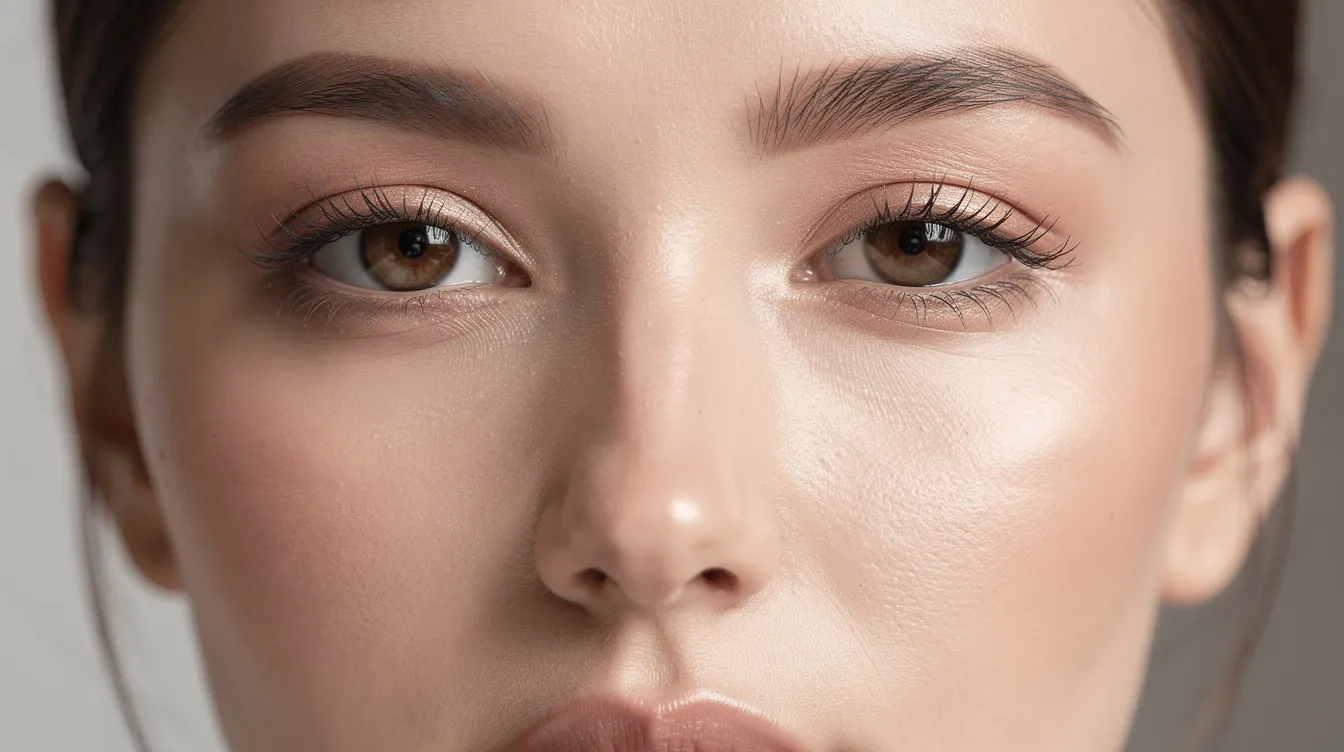
Candidate For Under Eye: Who Is A Good Candidate
Good Candidate
A good candidate for under eye filler typically has:
Moderate hollowing beneath the eyes creating a sunken appearance
Adequate skin quality and elasticity in the treatment area
Existing cheek support or willingness to address midface volume simultaneously
No history of severe adverse reactions to injectable treatments
Qualified providers conduct thorough anatomical assessments before treatment, evaluating skin thickness, depth of hollowing, and overall facial anatomy. You should document your full medical history before your consult, including previous fillers, allergies, autoimmune conditions, and use of blood thinning medications.
A realistic expectations assessment is essential. Under eye fillers offer improvement in contour and shadowing, but they won't eliminate pigmentation, remove excess skin, or replace surgical correction.
Not A Good Candidate
You may not be a candidate for under eye filler if you have:
Severe skin laxity or significant excess skin that needs surgical tightening
Significant under eye bags caused by prominent fat pads that require excision or repositioning
Pregnancy or active skin infections in the treatment area
A history of excessive fluid retention or chronic periorbital edema
Patients with pronounced fat pads are typically surgical candidates and should consult with plastic surgeons or an oculoplastic surgeon rather than pursuing filler alone.
Eye Filler Cost Breakdown: Eye Filler Price Per Syringe
The average cost for hyaluronic acid filler is about $684 per syringe, though under eye filler costs typically range from $600 to $1,500 per syringe depending on your market and provider. Many clinics quote between $700 and $1,500 per syringe for both eyes.
Here's what drives the variation:
Cost Factor | Impact on Price |
|---|---|
Geographic location | Major metros (NYC, LA) run $1,000–$1,600+; smaller markets $600–$900 |
Provider expertise | Board-certified specialists and experienced injectors charge premiums |
Filler brand | Premium or specialized products cost more per syringe |
Facility fees | Some clinics add room fees, numbing, or follow-up charges |
Provider expertise significantly influences the final treatment cost. A board certified oculoplastic surgeon with years of tear trough experience will charge more than a general injector, but the reduced risk of complications often justifies the premium. Costs vary based on severity of hollows and provider expertise combined.
The eye filler price you're quoted should ideally separate the product fee from the injector fee so you understand exactly what you're paying for.
How Many Syringes Will I Need
Most patients require 1-2 syringes for both eyes. For mild hollowing, one syringe split across both sides is often sufficient. Deeper tear troughs or significant asymmetry may require 1.5 to 2 syringes.
Total treatment costs generally fall between $1,000 and $2,000 when factoring in how many syringes are needed plus any follow-up adjustments. Always ask about touch-up policies during your consultation, as minor swelling or settling can reveal small asymmetries that benefit from a quick adjustment at a follow-up visit.

Popular Hyaluronic Acid Fillers and Brands
Popular fillers for under-eye treatments include Restylane and Belotero, along with options from the Juvederm line. Each behaves differently once injected:
Restylane (including Restylane Eyelight): Offers more structure and tends to hold its shape well in the tear trough
Juvederm (Volbella XC): Spreads more evenly and integrates smoothly, though may cause more swelling in some patients
Belotero Balance: Designed for seamless integration in the under-eye area, particularly in patients with very thin skin where other products might show through
Belotero filler costs range from $600 to $1,350 per session. Juvederm and Restylane are common under-eye filler options with similar pricing. Restylane offers more structure while Juvederm spreads more, so discuss brand choice with your provider based on your specific anatomy.
Procedure Day: What To Expect From Eye Filler
Your appointment starts with a consultation where your provider evaluates your anatomy, reviews your medical history, and takes photographs. This assessment determines your personalized treatment plan, including filler choice, volume, and injection depth.
Once treatment begins, a topical numbing cream is typically applied to the injection site. The injector may use a needle or blunt cannula depending on their preferred technique. Small boluses of filler are placed deep, usually on or near the bone, with minimal movement to reduce bruising risk around blood vessels.
The entire process takes roughly 30 to 60 minutes. Results are visible immediately, though final results settle over 1 to 2 weeks. Most patients describe the sensation as pressure with mild discomfort rather than sharp pain.
Recovery, Maintenance, and Natural Looking Results
Immediate aftercare is straightforward:
Apply ice to reduce mild swelling
Sleep with your head elevated for the first night
Avoid rubbing the treatment area
Skip strenuous exercise for 24 hours
Avoid alcohol and blood thinning medications that worsen bruising
A follow-up visit at 1 to 2 weeks allows your provider to assess settling and make a treatment plan custom to any fine-tuning needed. Most patients can resume normal activities immediately after the procedure.
For natural looking results, conservative dosing is key. Overfilling creates an unnatural puffiness that defeats the purpose. A completely natural outcome often comes from gradual augmentation across sessions rather than aggressive correction in one visit.
Under-eye fillers typically last between 6 to 18 months. Most patients enjoy results lasting about a year. Belotero results last between 6 to 12 months on average. Eye filler results typically improve with maintenance treatments, as results can last longer with additional treatments over time. Younger patients may metabolize fillers faster than older patients, so keep that in mind when budgeting for your under eye treatment.
Risks, Safety, and Provider Qualifications
Every injectable treatment carries some risk. Here's what to know:
Common minor side effects:
About 20% of patients experience bruising after treatment
Swelling typically resolves within 3 to 7 days post-treatment
Minor swelling and tenderness at the injection site are normal
Rare but serious risks:
The Tyndall effect can cause a bluish tint from improper injection depth, where filler placed too close to the skin's surface shows through
Vascular occlusion is a rare but serious complication of fillers that can lead to tissue damage or, in extreme cases, vision loss
Delayed nodules or granulomas may appear months after treatment
Choosing an experienced injector is essential to minimize risks. Look for board-certified specialists in oculoplastic surgery or dermatology. Choose providers with specific training in facial anatomy and extensive experience with dermal fillers, particularly in the periorbital region. Experience with under-eye injections reduces risk of complications significantly.
Always confirm that your clinic has hyaluronidase on hand. If complications arise, this dissolving agent can reverse HA filler quickly.

Cost Comparison: Eye Filler Versus Surgery and Alternatives
Under eye filler is a non surgical solution, and its pricing reflects that when compared to surgery:
Treatment | Typical Cost Range |
|---|---|
Under eye filler (per session) | $700–$1,500 |
Lower blepharoplasty (surgeon fee only) | $3,500–$4,000 |
Full upper + lower blepharoplasty (total) | $5,000–$10,000 |
For under eye concerns driven by pigmentation rather than volume loss, filler isn't the answer. Topical treatments, chemical peels, or laser therapy address pigment at a fraction of filler cost.
Some patients achieve the best results by combining filler in the cheek to provide structural support for the lower eyelid, plus conservative volume in the tear trough itself. These combined approaches increase total cost but often produce a more youthful appearance that lasts.
FAQs Focused On Eye Filler Price And Expectations
How long do fillers typically last? Hyaluronic acid fillers can last between 6 to 18 months in the under eye area. Fillers typically last about a year for most patients, with lighter formulations like Belotero trending toward the shorter end.
Does insurance cover under eye filler? No. Under-eye fillers are not covered by insurance as they are considered cosmetic. Plan to pay out of pocket for the procedure and any follow-ups.
What influences the final eye filler price? The number of syringes needed, the brand of filler material selected, your provider's qualifications, the location of the clinic, and whether follow-up or touch-up sessions are included all affect pricing. The severity of your hollowing also plays a role in treatment planning.
Next Steps: Consultation Checklist and Budget Planning
Before booking, schedule consultations with two or three providers. Here's a question list to bring:
What brand of filler do you recommend for my anatomy, and why?
How many syringes do you anticipate I'll need?
What injection technique and depth do you use for tear troughs?
Can you show me before-and-after photos of similar cases?
Do you have hyaluronidase available in the clinic?
What does your fee include, and what costs extra?
Ask for a written price breakdown that separates filler cost, injector fee, facility charges, and any follow-up costs. Knowing the full picture upfront prevents surprises.
Finally, budget for maintenance treatments. Since most patients return annually, plan for one session per year plus a small reserve for potential touch-ups. If you find that filler alone doesn't address your under eye concerns long term, that savings can also go toward surgical consultation when the time is right.
The best investment before any under eye treatment isn't the filler itself. It's the time you spend finding a qualified provider who can build a personalized treatment plan around your anatomy and goals.
Frequently Asked Questions
What is under eye filler and how does it work?
Under eye filler, called tear trough filler, is a hyaluronic acid injection placed in hollows beneath the lower eyelid. The filler adds volume to reduce shadowing and smooth contour transitions caused by lost fat and bone support with aging.
How much does under eye filler cost per syringe?
The average cost is about $684 per syringe, with typical ranges from $600 to $1,500 depending on geographic location, provider expertise, filler brand, and facility fees. Major cities charge $1,000–$1,600+; smaller markets cost $600–$900.
How many syringes do most patients need?
Most patients require 1-2 syringes for both eyes. Mild hollowing typically needs one syringe split between sides, while deeper tear troughs or asymmetry may need 1.5 to 2 syringes. Total costs generally range from $1,000 to $2,000.
Can under eye fillers be reversed if I'm unhappy with results?
Yes, hyaluronic acid fillers can be dissolved using an enzyme called hyaluronidase. This reversibility is a major safety advantage of HA fillers in the delicate under eye area if results are unsatisfactory or complications occur.
What makes someone a good candidate for under eye filler?
Good candidates have moderate hollowing creating a sunken appearance, adequate skin quality, existing cheek support, and no history of severe adverse reactions to injectables. Fillers work best for volume loss shadows rather than pigmentation, excess skin, or puffiness.


-2.jpg?width=2000&height=2000&name=Copy%20of%20YouTube%20Thumbnail%20-%20Life-Changing%20Cosmetic%20Surgery!%20(Document)-2.jpg)


