Under eye bags can make you look tired, older, or unwell regardless of how you actually feel. When cold compresses and eye cream stop delivering results, under eye bag surgery becomes a serious consideration. This guide covers lower eyelid blepharoplasty, from anatomy and surgical techniques to recovery, cost, and alternatives.
Understanding Eye Bags, Fluid Retention, and Dark Circles
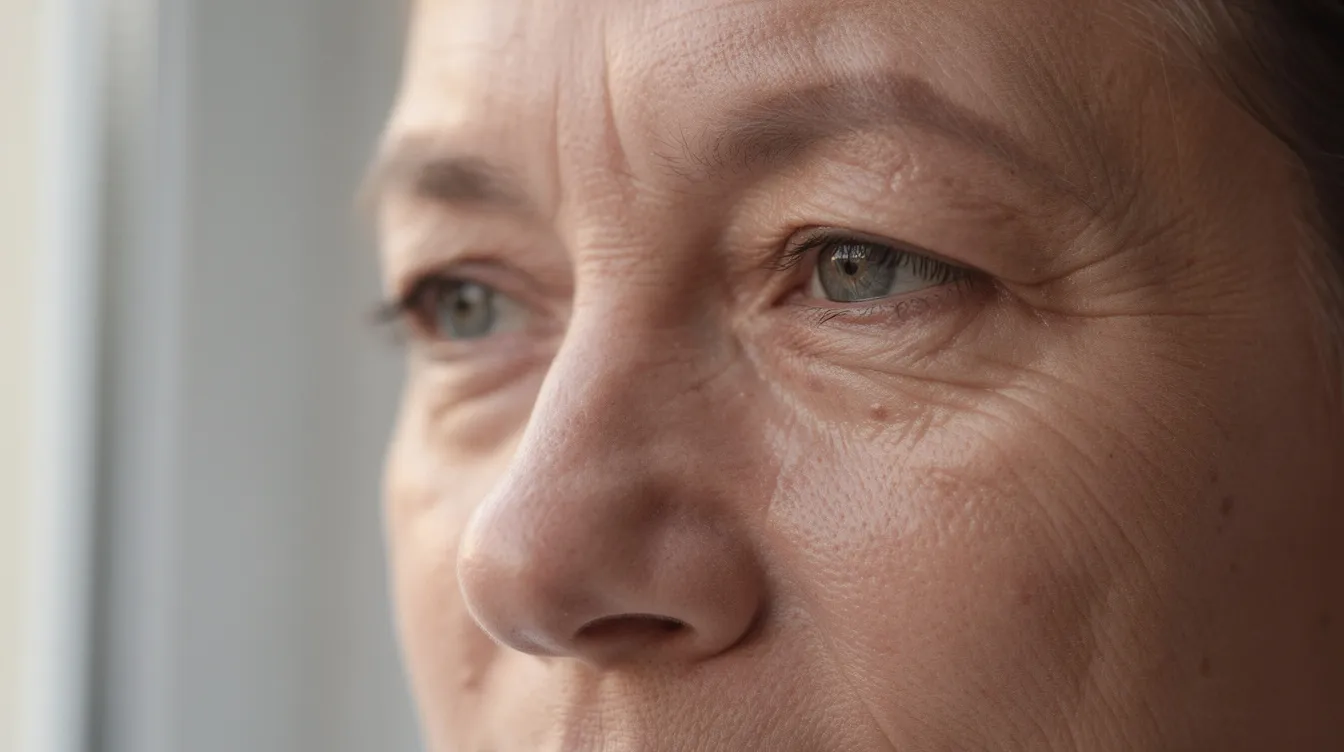
The lower eyelid has a layered anatomy that changes with age. Under each eye there are usually three small fat pads (medial, central, and lateral). With genetics and age, and often as the cheek descends, the supporting tissues weaken and these fat pads push forward. The result is the puffy, bulging look many people associate with looking tired.
It helps to tell two different problems apart:
- Fat protrusion occurs when weakened tissues allow fat to bulge forward, creating structural eye bags that do not go away on their own.
- Fluid retention is puffiness that comes and goes with sleep, salt intake, allergies, and other lifestyle factors. It can make bags look worse on some days.
Dark circles are a separate issue. They are usually pigment or the shadow of a hollow, not fat, and they need different treatments than bags. Genetics can predispose people to under eye bags, and smoking and poor sleep can make the area look worse.
Surgery may not correct dark pigment circles or fine surface wrinkles. Understanding what is causing your specific concern is the first step toward the right solution.
What Is Eye Bag Surgery?
Eye bag surgery, medically known as lower eyelid blepharoplasty, is the procedure that actually removes under-eye bags. Creams, laser skin treatments, Botox, and fillers do not remove fat pads. Surgery addresses protruding fat and the hollow that often sits just below it to create a smoother, more refreshed contour.
Surgeons generally use two strategies for the fat:
- Fat removal or trimming reduces the bulging fat in one or more fat pads.
- Adding or moving fat into the hollow smooths the transition between the lower lid and the cheek so the area does not look sunken.
At Leva Medical, the fat pads are removed or trimmed, and usually a small amount of fat taken from the belly through a tiny opening is placed along the under-eye line so the area looks smooth, not hollow.
At Leva Medical, both eyes are treated.
Lower Eyelid Blepharoplasty Techniques
Transconjunctival Lower Eyelid Surgery
Transconjunctival blepharoplasty is done from inside the lower eyelid, through the conjunctiva. Because the opening is hidden, there is no visible external scar. This approach suits people whose main concern is fat protrusion, and it disrupts less of the outer eyelid support.
At Leva Medical, lower eyelid surgery is done from inside the lower lid (transconjunctival) with a fine-tip instrument, so there is no visible scar.
Subciliary Lower Eyelid Surgery
A subciliary (transcutaneous) blepharoplasty uses an incision just below the lower lash line. It lets a surgeon trim skin as well as address fat. Because it disrupts more tissue, it carries a higher risk of visible scarring and of a change in lower-lid position, such as lid retraction or ectropion, and lid support procedures are sometimes added.
Who Is a Good Candidate for Eye Bag Surgery?
Good candidates are adults in good health with under-eye bags and realistic expectations. Age alone does not decide suitability; your anatomy and skin quality matter more.
- Medical clearance: blood work and medical clearance come first.
- Diabetes must be controlled before surgery.
- Smokers must stop.
- Eye health: conditions such as thyroid eye disease, glaucoma, or untreated dry eye need careful evaluation, since surgery can temporarily worsen dryness.
- Lid laxity can raise the risk of a change in lid position after surgery and is checked at the consultation.
Eye bag surgery improves contours and reduces puffiness, but it does not stop aging. Some minor asymmetry is possible.
Preparing for Lower Eyelid Surgery
Consultation
The consultation includes an examination of eyelid position, lid laxity, the fat pads, skin quality, and the depth of the under-eye hollow. Photographs are taken for planning.
What to Disclose
- Previous eyelid surgery or facial cosmetic procedures
- Eye conditions (dry eye, glaucoma, vision problems)
- Current medications, especially blood thinners, aspirin, anti-inflammatory pain relievers, or herbal supplements
- Medical conditions such as thyroid, autoimmune, or kidney disease
Older photos showing how your eyes have changed can help set treatment goals.
What Happens During Bag Surgery?
At Leva Medical, lower eyelid surgery is done in the office under local anesthesia plus a relaxing medication taken beforehand.
Patients are comfortable and drowsy rather than fully asleep, and many remember little. The procedure takes about 1.5 to 2 hours, and you go home the same day. Someone must take you home, because you cannot drive.
- The lower lid is numbed and the fat pads are reached from inside the lid.
- The bulging fat is removed or trimmed.
- Fat from the belly is usually placed along the under-eye line to smooth the hollow.
- Surrounding structures, including the eye muscles, are carefully preserved. The eyeball itself is not operated on.
Recovery After Lower Blepharoplasty
Swelling: swelling is the main issue and peaks around day 3. Most swelling settles over 2 to 6 weeks, and the final result keeps refining for months.
Bruising: bruising is possible and usually fades in 1 to 2 weeks.
Comfort: discomfort is usually mild; the belly donor site is often more sore than the eyes. A temporary gritty, sand-in-the-eye feeling, dryness or watery eyes, and brief blurry vision from drops or ointment are common and settle.
Aftercare essentials:
- Use antibiotic and eye drops as prescribed.
- Apply a cold (not frozen) mask for 15 minutes every hour for the first 2 days, then a warm (not hot) mask from day 3.
- Sleep on your back with your head raised, never face down.
- Do not rub your eyes. You can wash your face from day 2.
- Small dressings come off at the 1-week visit.
- Walk from the first day, but avoid anything that raises your heart rate or blood pressure.
- No lifting over 20 pounds for 1 week; no baths, ocean, or jacuzzi for 1 month; no smoking.
Back to work: most people return to desk work in about a week; some go back after 2 to 3 days if they do not mind looking swollen. Eye makeup and contact lenses resume only when your surgeon clears you at your follow-up visit.

Benefits and Results of Eye Bag Surgery
- Reduced puffiness beneath the eyes
- Smoother lid-cheek contours
- A softer under-eye hollow when fat is added along the under-eye line
Results are long-lasting. Removed fat pads do not grow back. Some grafted fat is absorbed in the first months, and what remains behaves like normal fat. Natural aging, sun exposure, and genetics continue to influence your appearance. Results look rested, not done.
Surgery does not fix skin pigmentation or fine surface wrinkles. Laser skin treatments, which improve skin texture and pigment, or filler for a remaining hollow may complement it.
Risks and Complications of Lower Eyelid Surgery
Every surgery carries risk. Understanding the possible complications helps you make an informed decision.
Common, usually temporary effects: swelling, bruising, numbness, mild pain, dry or watery eyes, and blurry vision from ointment.
Other risks: infection, bleeding, asymmetry, a hollow look if too much fat is removed, and occasionally a touch-up or revision.
Less common or very rare risks: a change in lower-lid position or shape (such as lid retraction, ectropion, or scleral show, more likely with a skin incision and with lid laxity), scarring with the subciliary approach, temporary or rarely lasting double vision, small lumps or unevenness from grafted fat, and, very rarely, bleeding behind the eye (orbital hemorrhage) that can threaten vision. This is an emergency that needs care right away.
Following aftercare instructions closely supports proper healing.
Cost of Lower Blepharoplasty
At Leva Medical, lower eyelid surgery starts at $6,500.
At Leva Medical, the lower eyelid surgery price includes the fat grafting.
The exact price is set at the consultation.
Cosmetic procedures are self-pay. Payment options can be reviewed in office after the exact plan and total are known.
Financing is available.
Alternatives to Eye Bag Surgery
- Cold compresses and lifestyle changes can reduce puffiness from fluid retention, poor sleep, or high-salt diets. Eye creams may help mild concerns but do not remove fat.
- Hyaluronic acid filler can soften an under-eye hollow and is FDA-approved for that use, but it cannot remove a bag.
- Laser skin treatments improve skin texture and pigment only.
- Topical treatments for pigment-based dark circles address a separate issue from structural bags.
- Microneedling may offer gradual skin-quality improvements.
Planning Your Consultation
Bring your questions and any older photos to your consultation. Useful questions include:
- Are my bags caused by fat, fluid, or a hollow?
- Will fat be added along my under-eye line?
- What should I expect during recovery?
- Which risks apply most to my anatomy?
- What is the exact total for my plan?
Frequently Asked Questions
Who is generally considered a candidate for lower eyelid blepharoplasty?
Adults in good health with under-eye bags and realistic expectations. Blood work and medical clearance come first, diabetes must be controlled, and smokers must stop. Conditions such as thyroid disease, dry eye, or glaucoma need careful assessment.
What is the difference between fat protrusion and fluid retention under the eyes?
Fat protrusion is when fat pads bulge forward, creating structural bags. Fluid retention causes puffiness that changes with sleep, salt, and allergies. Telling the two apart is an important part of the evaluation.
What are the two main surgical approaches for lower eyelid surgery?
The transconjunctival approach works from inside the lower lid, leaving no visible scar. The subciliary approach uses an incision below the lash line and can also trim skin, with a higher risk of visible scarring and lid position changes.
Does eye bag surgery treat dark circles?
Not necessarily. Dark circles are usually pigment or the shadow of a hollow, not fat. Surgery removes bags, and fat added along the under-eye line can soften a hollow, but pigment needs other treatments.
How much does under eye bag surgery cost?
The cost section above gives the starting price. The exact price is set at the consultation.
What risks should be discussed before lower eyelid surgery?
Swelling, bruising, infection, bleeding, dryness, asymmetry, and occasionally a touch-up, plus rarer risks such as a change in lid position, double vision, lumps from grafted fat, and very rarely bleeding behind the eye that can threaten vision. Your individual risks are reviewed at the consultation.
About Leva Medical
Leva Medical has offices in Queens (94-06 59th Ave, Suite E9, Elmhurst, NY 11373) and in Northport, Long Island (320 Laurel Rd, Northport, NY 11768).
Call (718) 699-9737 to book a consultation with a board-certified surgeon.