If you're preparing for tummy tuck surgery or already a few days into recovery, you're probably wondering when the swelling will finally go down. This stage-by-stage guide walks you through the full tummy tuck swelling timeline so you know exactly what to expect at each milestone, from the first week through your final results.
Learn more: Tummy Tuck at Leva Medical
Overview: What This Tummy Tuck Swelling Timeline Covers
This guide is for anyone undergoing a mini tummy tuck, a full tummy tuck, or body contouring procedures that combine abdominoplasty with liposuction performed alongside the primary operation. Swelling after a tummy tuck is a normal part of the healing process, and understanding the stages helps you plan ahead and set realistic expectations.
Here's a snapshot of the tummy tuck recovery timeline:
Milestone | Timeframe |
|---|---|
Peak swelling | Days 3–5 |
Major reduction | Weeks 4–6 |
Most swelling resolved | Months 2–3 |
Final results visible | Months 6–12 |
Healing rates can vary based on individual biology, so your personal recovery timelines may differ slightly. The goal here is to give you a reliable framework.
Causes Of Post Surgical Swelling After Tummy Tuck
Post surgical swelling happens for three key reasons after a tummy tuck.
First, tissue trauma from the incision, skin elevation, and muscle tightening triggers your body's inflammatory response. Blood vessels dilate, capillary permeability increases, and fluids rush to the healing tissues to begin tissue repair.
Second, lymphatic disruption plays a major role. When lymph vessels are cut or stretched during surgery, your body's drainage system is impaired. It takes time for collateral lymphatic pathways to compensate, which leads to fluid retention in the central abdomen and lower abdomen.
Third, when liposuction is performed alongside the tummy tuck, the added tissue disruption can intensify and prolong swelling. More inflammatory insult means more excess fluid accumulating in the surgical area.

Immediate Swelling (Days 1–7): Tuck Swelling And Fluid Retention
The first week is the most critical for recovery. Swelling begins within hours of surgery and swelling typically peaks around days 3 to 5 after surgery. During this window, your abdomen will feel tight, firm, and noticeably bloated.
Common symptoms during this stage include:
Significant swelling around the incision site and lower abdomen
Bruising across the abdominal area
Numbness or reduced sensation
Moderate swelling extending to flanks and upper body
Your surgeon will likely place surgical drains to evacuate fluid, blood, and serous exudate. These drains help reduce seroma risk and minimize tuck swelling. To manage pain during this period, follow your surgeon's prescribed medication protocol and keep your upper body elevated when resting.
Walking is usually encouraged starting on day 1 or 2. This gentle movement promotes blood flow and helps reduce the risk of blood clots.
Early Weeks (Weeks 2–4): Swelling After A Tummy Settles
As you move into weeks 2 through 4, swelling after a tummy tuck begins a gradual decline, though it won't be linear. Swelling after surgery may fluctuate throughout the day - many patients notice less puffiness in the morning and more fullness by evening.
Most noticeable swelling occurs during the first month. Daily activity can influence swelling patterns after surgery, so balance rest with light exercise like short walks to maintain circulation.
By the end of week 4, about 60 to 70 percent of swelling is gone. Most patients return to work within 2 to 3 weeks post-surgery, especially those with desk jobs. However, you should still avoid strenuous exercise and heavy lifting during this period.
Factors like salt intake, hydration levels, and ambient temperature can all cause day-to-day fluctuation. Don't panic if you feel more swollen one evening - it's completely normal.
Residual Swelling In Lower Abdomen (Weeks 4–8)
Between weeks 4 and 8, most of the visible swelling has subsided, but patients notice that residual swelling often lingers in the lower abdomen - particularly below the belly button or near the incision line.
This is the period where scar tissue starts forming beneath the surface. Scar tissue can trap small amounts of excess fluid and create areas that feel firm, lumpy, or dense. Numbness in the area may also make it difficult to distinguish between actual swelling and tissue firmness.
Swelling decreases gradually during these weeks, and patients begin seeing better shape definition. Your compression garment continues to play an important role in supporting healing tissues and keeping fluid from pooling.
Minimal Swelling And Final Results (Months 3–6+)
By months 2 to 3, around 80 to 90 percent of swelling resolves. This is when patients feel a major improvement in their abdominal contour. Significant swelling improves by two to three months post-op, with only subtle swelling or mild firmness remaining.
Final results may take 6 to 12 months to fully appear. Skin continues to retract, the muscle repair settles, and the overall shape refines. Mild swelling can persist for up to a year after a tummy tuck, particularly with physical activity, hormonal fluctuations, or dietary changes.
Scar maturation is a separate timeline - expect your incision scar to gradually fade from red or pink to a paler line over 12 to 24 months.
Compression Garments: Role In Tummy Tuck Recovery
Compression garments serve several purposes during tummy tuck recovery:
Reduce edema and limit fluid retention
Support incisions and abdominal muscles after repair
Help tissues adhere in their new position
Lower the risk of seroma formation
You should wear compression garments consistently to get the most benefit. Compression garments should be worn 24/7 for the first several weeks, typically until your surgeon advises tapering to daytime or nighttime wear only.
Types Of Compression Garment And Fit
Common styles include:
Full abdominal binders (wrap style)
High-waist compression briefs or girdles
Corset-style garments with boning
Specialized post-op garments with foam inserts
Proper sizing is essential. A garment that's too tight increases discomfort and can raise intra-abdominal pressure, while one that's too loose fails to control swelling effectively. Measure according to your surgeon's guidance, accounting for your swollen state. Optional foam inserts or corset add-ons can provide targeted compression to the lower abdomen flap.
Wear Schedule And Care For Compression Garment
During the first few weeks of the recovery period, most surgeons recommend near-continuous wear - removing the garment only briefly for hygiene.
Launder the garment daily to prevent bacterial buildup
Keep the skin underneath clean and dry to avoid irritation
Have a second garment available so you always have a clean one ready
Monitor for signs of excessive tightness like pain, numbness, or skin discoloration
How To Reduce Swelling After Tummy Tuck
Several strategies can help you reduce swelling and support the body's healing process:
Start walking early. Gentle ambulation from day 1 or 2 promotes blood flow and lymphatic drainage.
Try manual lymphatic drainage. When cleared by your surgeon, manual lymphatic drainage can accelerate swelling resolution.
Follow a low sodium diet. Limiting salt intake directly reduces fluid retention.
Gradual return to exercise. Follow your surgeon's guidance - typically light exercise at 4 weeks and a gradual return to more intense physical activity at 6 weeks or later.
Take prescribed medications. Follow your surgeon-prescribed pain and anti-inflammatory medications to manage pain and support healing progress.
Keep your upper body elevated when resting, especially during early recovery, to encourage fluid drainage away from the surgical area.
Hydration And Diet: Stay Hydrated To Help Reduce Swelling
It may seem counterintuitive, but you need to stay hydrated to reduce swelling. Hydration helps flush out excess fluid and reduce inflammation. When you're dehydrated, your body holds onto fluid, which can worsen edema.
Focus on foods that fight inflammation:
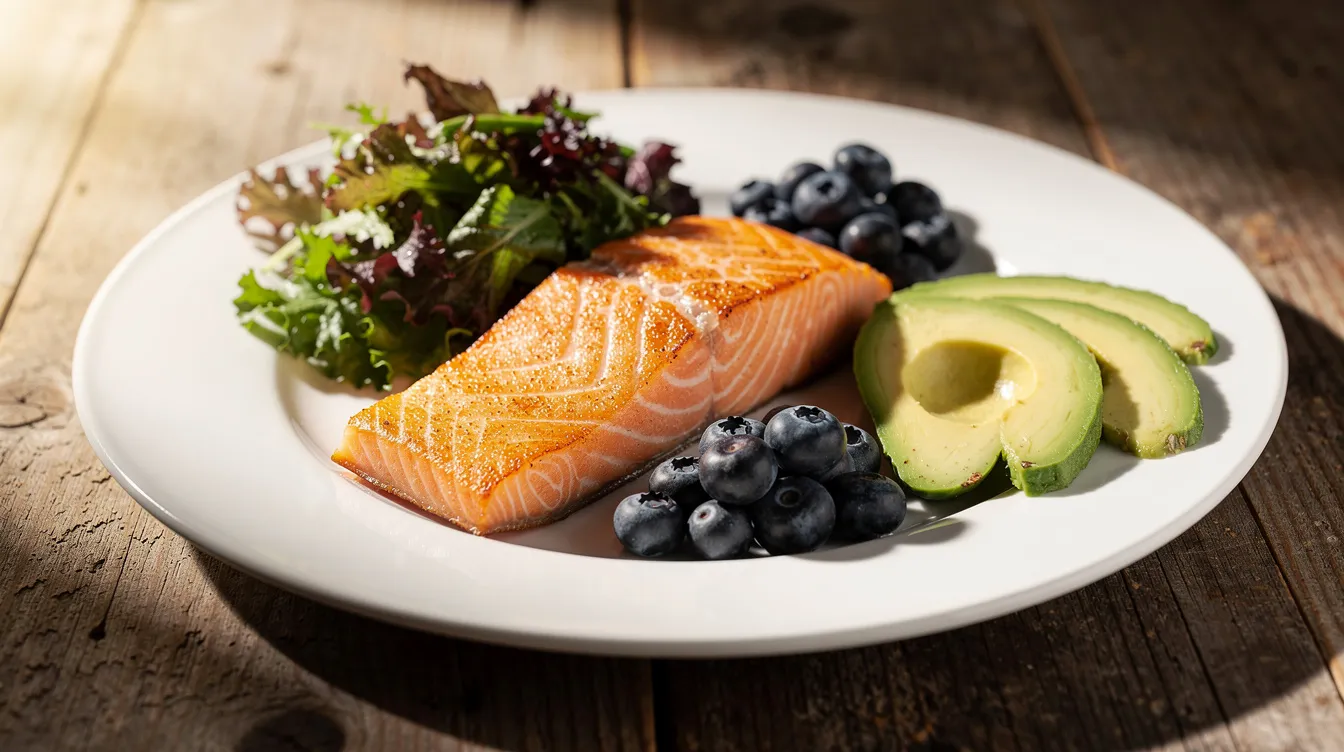
Omega-3 rich foods like salmon and flaxseed
Antioxidant-dense berries and leafy greens
Lean proteins to support tissue repair
Potassium-rich foods like bananas and asparagus
Fluid retention can worsen with high sodium foods. Avoid processed foods, canned soups, cured meats, and salty snacks. Maintain a healthy diet throughout your recovery process, and limit alcohol, which promotes fluid retention and can delay healing.
Avoiding salty foods can help minimize swelling - this one dietary adjustment makes a measurable difference for most patients.
Managing Tuck Swelling: Activity, Mobility, And Scar Care
Posture matters during recovery. For the first one to two weeks, sleep with your knees bent on pillows and your upper body elevated to reduce tension on the incision and minimize swelling occurs in the lower flap area.
Lifting restrictions:
Timeframe | Guideline |
|---|---|
Weeks 1–4 | No more than 10–15 pounds |
Weeks 4–6 | Gradual increase, no heavy lifting |
Week 6+ | Resume normal activity as cleared |
Once your incision has healed sufficiently (typically around weeks 3 to 4), your surgeon may approve scar massage. This helps soften scar tissue, improve lymph drainage, and reduce firmness or lumps. Silicone sheets or gels can also support scar maturation.

When Swelling May Be Abnormal: When To Call Your Surgeon
While prolonged swelling is often normal, certain signs warrant immediate evaluation:
A sudden increase in swelling after it had been improving
One side noticeably more swollen than the other (possible hematoma or seroma)
Fever, chills, or red streaks near the incision site
Severe pain not controlled by prescribed medications
Sudden shortness of breath or chest pain
Wound separation or changes in drain output
Don't wait to contact your board certified plastic surgeon if something feels off. Asymmetrical swelling, fever, or severe pain should always be assessed promptly.
FAQs About Swelling After Tummy Tuck
How long does major swelling typically last? Most swelling is noticeable during the first month. About 60 to 70 percent of swelling is gone by week 4, and significant swelling improves by two to three months post-op. Minor swelling may linger for several more months.
What's the difference between mini and full tummy tuck swelling? A mini tummy tuck involves less dissection, a shorter incision, and minimal muscle repair - so swelling tends to be milder and shorter-lived. A full tummy tuck involves removing excess skin across a wider area, repositioning the belly button, and more extensive abdominal muscles repair, resulting in more prolonged swelling. When liposuction is performed alongside either procedure, expect additional recovery time.
When do final results usually appear? Final results may take 6 to 12 months to appear. By month 3, most patients see their general abdominal contour take shape. Scar color and texture continue improving for up to two years.
Preop Planning And Patient Expectations
Before your plastic surgery date, set realistic expectations: swelling is not a complication - it's a predictable part of every tummy tuck recovery. Plan ahead by preparing your home and support system for the first few weeks when mobility will be limited.
Pack and prepare:
Loose, front-opening clothing
Extra pillows for elevation
Compression garments (with a backup)
Drain care supplies if applicable
Pre-made meals and easy-to-prepare snacks
Arrange transportation and help at home for at least 1–2 weeks
Patients return to daily routines gradually. Plan for 2 to 4 weeks off work depending on your job's physical demands, and arrange help with childcare or household tasks.
Conclusion: Monitoring Tuck Swelling Toward Final Results
The tummy tuck swelling timeline follows a predictable arc: swelling peaks around days 3 to 5, swelling resolves steadily through weeks 4 to 8, and final results emerge over months 6 to 12. Your job during the recovery process is to support your body through each stage with proper compression, nutrition, hydration, and patience.
Schedule your follow up appointments and attend all follow up visits. Communicate openly with your surgeon about your healing progress, and don't hesitate to reach out if something doesn't feel right. The swelling is temporary - your commitment to the recovery is what shapes the outcome.
Frequently Asked Questions
When does swelling peak after a tummy tuck?
Swelling typically peaks between days 3 and 5 after tummy tuck surgery. During this window, your abdomen will feel tight, firm, and noticeably bloated. Swelling begins within hours of surgery and is a normal part of the healing process.
How long does it take for most swelling to resolve?
By months 2 to 3, approximately 80 to 90 percent of swelling resolves. By the end of week 4, about 60 to 70 percent of swelling is gone. However, mild swelling can persist for up to a year after surgery.
Why does swelling occur after a tummy tuck?
Swelling occurs due to three main factors: tissue trauma from incision and muscle tightening triggers inflammation; lymphatic vessel disruption impairs fluid drainage; and liposuction performed alongside the procedure intensifies tissue disruption and swelling.
What is the purpose of wearing a compression garment during recovery?
Compression garments reduce fluid retention, support incisions and abdominal muscles, help tissues adhere in their new position, and lower seroma risk. You should wear them consistently, typically 24/7 for several weeks, per your surgeon's instructions.
When can I return to work after a tummy tuck?
Most patients return to work within 2 to 3 weeks after surgery, particularly those with desk jobs. However, you should avoid strenuous exercise and heavy lifting during the early weeks of recovery as swelling continues to decrease.


-2.jpg?width=2000&height=2000&name=Copy%20of%20YouTube%20Thumbnail%20-%20Life-Changing%20Cosmetic%20Surgery!%20(Document)-2.jpg)


