Every tummy tuck surgery leaves a scar. That's the unavoidable trade-off for a flatter, tighter abdomen. But the difference between a thin, barely visible line and a thick, noticeable mark comes down to several factors you can actually control. This guide walks you through what to expect from your tummy tuck scar at every stage-from the surgical plan through full scar maturation-and what you can do to get the best possible final result.
Learn more: Tummy Tuck at Leva Medical
Quick Overview of Tummy Tuck Scars
A tummy tuck (abdominoplasty) removes excess skin and fat from the lower abdomen, often with tightening of the underlying tissue and muscle wall. The primary scar is a horizontal surgical incision running low across the abdomen. A tummy tuck scar may extend from one hip to the other, and scars from tummy tuck surgery typically sit low on the abdomen, positioned just above the pubic area so they can be hidden beneath underwear or a bathing suit.
For a full tummy tuck, a small circular scar may also occur around the belly button where the navel is repositioned. A mini tummy tuck leaves a shorter incision-roughly the length of a C-section scar-and usually skips the belly button work entirely.
Scars form because the body's natural healing process responds to any wound by triggering inflammation, collagen production, and tissue remodeling. Scar tissue is made up of collagen fibers arranged less neatly than in surrounding skin, which is why scars look and feel different from normal skin.

Before Surgery: Minimize Tuck Scar Risk
The best scar management starts before you ever enter the operating room.
Consult a board-certified plastic surgeon about scar placement. Incision lines are typically marked while the patient is standing, using natural creases and the bikini bottom line to maximize concealment. Ask how low the incision can sit relative to your preferred underwear or swimwear.
Assess your skin type during preoperative evaluation. Patients with darker skin tone (Fitzpatrick types IV–VI) or a history of raised scars face elevated risk for hypertrophic or keloid scarring and should discuss preventive strategies early.
Stop smoking at least six weeks before surgery. Nicotine restricts blood flow to healing tissue, increasing the chance of delayed wound closure and worse scarring.
Achieve a stable weight before the procedure. Significant weight loss or gain after surgery stretches scar tissue and can widen or distort the incision. Post-bariatric patients with extensive loose skin often require longer incisions, which means more scar to manage.
How Tummy Tuck Surgery Affects Scarring
Not all tummy tuck procedures create the same scar burden. The length of a tummy tuck scar depends on the skin removal amount and the technique used.
Incision options include:
Procedure | Scar Description |
|---|---|
Mini tuck | Shorter horizontal scar (3–6 inches), no belly button incision |
Full tummy tuck | Hip-to-hip horizontal scar plus circum-umbilical scar |
Extended abdominoplasty | Longer horizontal scar wrapping toward the flanks |
Fleur-de-lis | Horizontal scar plus vertical midline scar |
Typical scar placement puts the horizontal line just above the pubic area, curving to follow the bikini bottom so it stays hidden in everyday life.
Surgical technique and tension greatly influence the final appearance of the scar. A recent study found that a step-type tension-relieving suture technique reduced scar width at 12 months (1.62 cm vs 1.87 cm) compared to conventional suturing. Similarly, modifying the incision angle can reduce overall scar length by more than 10 cm on average. Muscle repair (rectus plication) tightens the abdominal wall, which can reduce outward pull on the skin, but over-tightening risks ischemia. Ask your plastic surgeon which closure and tension-relieving surgical techniques they use-multilayered closures, buried sutures, and post-closure tapes all make a measurable difference.
Tuck Scar Healing Timeline (How the Scar Heals)
Understanding how a scar heals helps you set realistic expectations at each stage.
First week: The wound is swollen, tender, and may drain fluid. Scars typically appear pink or raised immediately after surgery. Sutures and dressings hold tissue together. This is the initial healing stage where minimizing movement and tension is critical.
1–3 months: The healing process enters the proliferative phase. Collagen production ramps up, making the scar firm, raised, and red. Scar color may change from bright red to lighter purple or brown tones over these months. Itching is common. This is also when many patients begin silicone therapy and gentle scar massage (typically around 2–3 weeks post-surgery, once the incision is clean and closed).
6–12 months: Scar maturation begins. Collagen fibers reorganize, vascularity decreases, and the scar softens and flattens. Most scars fade significantly within the first year, though scar maturation can take up to 18 months or longer before the final appearance stabilizes. In darker skin, some hyperpigmentation may linger.
Signs of delayed healing to watch for:
Persistent drainage or wound edge separation
Darkening or necrosis of skin flap edges
Scar stays inflamed and red well beyond the first few months
Early hypertrophic growth
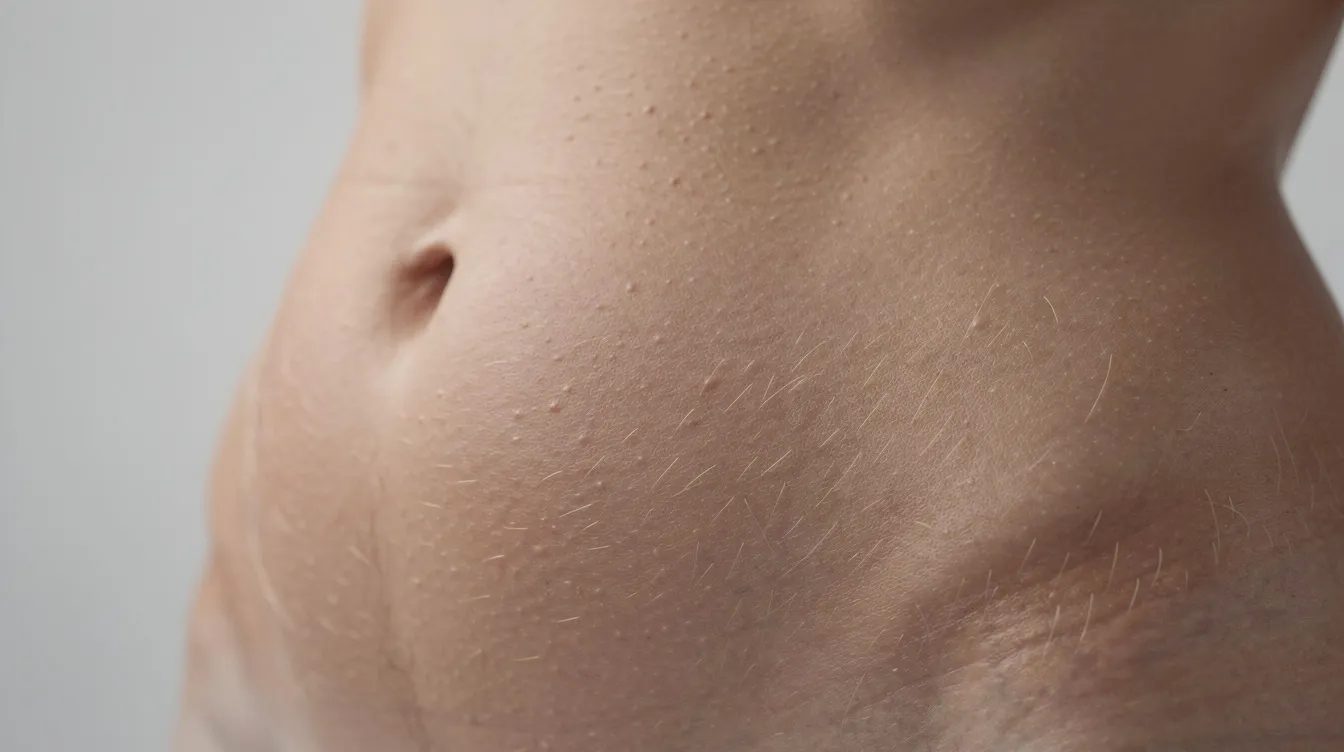
Aftercare To Help Scar Heals
Early post-operative care is crucial for minimizing scar appearance. Post-operative care such as avoiding tension and using silicone products aids in scar healing. Follow your aftercare instructions closely.
Wound cleaning: Follow your surgeon's instructions for cleaning the scar. Typically, gentle cleansing with mild soap or sterile saline, then keeping the incision covered until the skin barrier restores.
Compression garments: Wear them consistently during the first few weeks to reduce swelling and support the wound edges.
Activity restrictions: Avoid heavy lifting for at least six weeks post-surgery. No stretching, bending, or strenuous core work during recovery for at least 4–8 weeks. Lifting limits are usually 10–15 pounds in the first month.
Sun protection: Avoid sun exposure for at least 12 months post-surgery. Sun exposure can lead to hyperpigmentation of scars, making them darker and more noticeable. Sun protection with SPF 30 or higher is recommended for healing scars whenever the area is exposed.
Massage: Massage may help soften scar tissue after healing. Most surgeons recommend starting gentle scar massage 2–3 weeks post-op.
Proper care during the first few weeks has a disproportionate impact on your long-term surgical result. Don't rush your recovery.
Common Scar Types After a Tummy Tuck
Not every scar heals the same way. Here are the main types tummy tuck patients may develop:
Hypertrophic scars: Raised, thick, red, and firm-but they remain within the original incision boundaries. Hypertrophic scars are raised and stay within the incision line. They occur due to excessive collagen production and affect roughly 1% to 3.7% of tummy tuck patients.
Keloid scars: These extend beyond the original incision site into surrounding skin. More common in individuals with darker skin tone or a family history of keloids. They can be painful and difficult to treat.
Wide or stretched scars: The scar stays flat but widens over time due to tension, weight fluctuation, or abdominal bulging. Even with good technique, some patients develop slightly raised or widened marks.
Contracture scars: These can occur if large skin areas are removed, causing the remaining skin to tighten and pull.
If your scar is abnormal, painful, functionally limiting, or cosmetically concerning, referral to a dermatologist or plastic surgeon specializing in scar revision is appropriate.
Managing Hypertrophic Scars After a Tummy Tuck
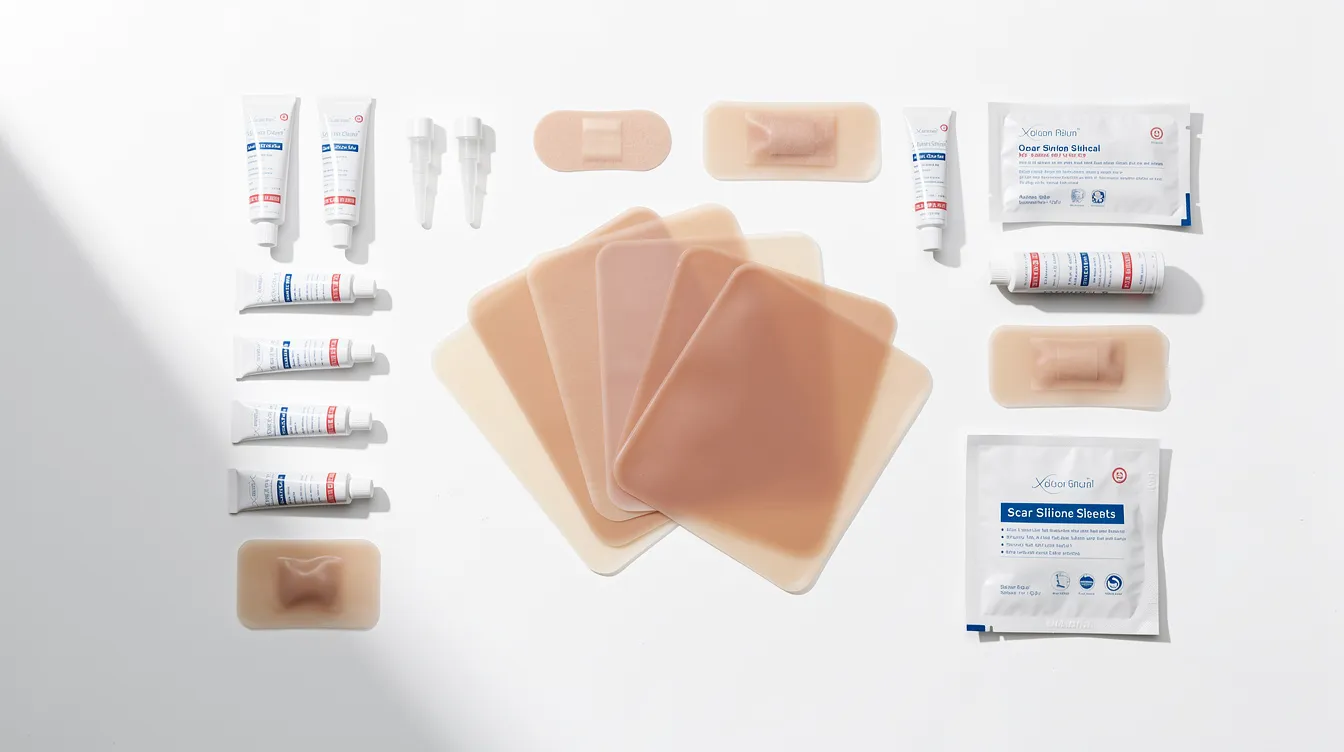
Silicone gel or silicone sheets: Use silicone sheets or gels after the incision closes. Evidence consistently supports them as the gold standard for both prevention and treatment of hypertrophic scars.
Steroid injections: Triamcinolone injections are standard for persistent hypertrophic scars. Combination therapy with 5-fluorouracil shows superior results for scar height and pigmentation compared to steroids alone.
Laser treatment for redness: Pulsed dye laser therapy (585–595 nm) effectively reduces erythema and vascularity in raised scars.
Laser treatment for texture: Fractional CO₂ laser treatment improves texture and pliability in hypertrophic scars, often combined with other modalities.
Microneedling: Supports collagen remodeling and scar pliability; often used alongside topical or laser therapy for enhanced results.
Non-Surgical Treatments and Laser Treatment Options
Topical options for scar management include silicone gel, silicone sheets, pressure garments, adhesive tapes, topical steroids, and onion extract. Of these, silicone products have the strongest clinical evidence-a 2026 meta-analysis confirmed that fluid silicone gels reduce scar severity compared to placebo.
Timing matters:
Start silicone products once the wound is fully closed (typically 2–3 weeks post-op)
Pressure garments can begin immediately after surgery
Laser treatment is often scheduled around 3–6 months, once the scar enters its maturation phase
Laser types and indications:
Laser Type | Primary Use |
|---|---|
Pulsed dye laser (PDL) | Redness, vascularity, early hypertrophy |
Fractional CO₂ | Texture, thickness, pliability |
Non-ablative fractional | Less aggressive texture improvement |
IPL | Pigmentation issues |
Referral to a board-certified dermatologist or plastic surgeon experienced with scar laser modalities is recommended, especially for patients with darker skin type where pigmentation risks must be carefully managed.
Surgical Revision and Scar Correction
Scar revision should only be considered after full scar maturation-typically 12 to 18 months post-surgery-when the scar has stabilized in color, thickness, and shape. If a scar is left unchanged by non-surgical methods after this period, revision may be warranted.
Core techniques include excising the problematic scar segment, reorienting the incision along skin tension lines, and using Z-plasty or W-plasty to break up long linear marks. Fat grafting can address depressed scars. Post-revision, adjunctive treatments like silicone, steroids, and laser therapy help maintain improvements.
Choosing an experienced plastic surgeon with strong aesthetic judgment and proficiency in layered closure is one of the most important aspects of getting a better final result from revision.
Factors That Affect Scar Outcome
Several factors determine how your tummy tuck scar ultimately looks:
Skin type: Scar appearance is influenced by genetics and skin type. Darker skin is more prone to hyperpigmentation, hypertrophic scars, and keloids.
Genetics: A family history of abnormal scarring-even from minor injuries like ear piercings-signals higher risk and should trigger aggressive prevention.
Smoking: Smoking can slow down the healing process of scars by impairing microvascular circulation and oxygen delivery to the wound.
Weight changes: Postoperative weight gain or pregnancy stretches the scar and surrounding skin, potentially widening it significantly. Maintaining a stable body weight after the procedure protects your investment.
Choosing a Plastic Surgeon to Minimize Scarring
Your choice of surgeon is arguably the single decision that will affect your scar outcome the most.
Verify board certification through organizations like the American Board of Plastic Surgery
Review before-and-after photos of tummy tuck patients with similar skin type and body habitus-ideally at 12–18 months post-op
Ask about incision placement strategy: How low can the scar sit? Will it curve to follow the bikini bottom line? Will liposuction be used alongside the tuck?
Discuss scar management protocol: What suturing techniques do they use? When do they start silicone? Do they offer laser therapy or steroid injections in-house? What is their policy on revision if the surgical result is unsatisfactory?

FAQs and Red Flags for Scar Healing
Common questions most patients ask:
Will my scar disappear completely? No, but fine scars can fade dramatically. Expect a thin, pale line rather than invisible skin.
When can I start scar massage or silicone? Typically around 2–3 weeks once the wound is cleanly closed.
When can I exercise again? Light activity resumes early; heavy lifting and core work usually after 6–8 weeks under surgeon guidance.
Will it look worse before it gets better? Yes-during the first few months, the scar is at its most red and firm before gradually softening.
Red flags requiring urgent surgeon review:
Pus, foul odor, or increasing redness and swelling (signs of infection). Infection can worsen scar appearance and delay healing significantly.
Darkened or blackened wound edges suggesting necrosis
Wound edges separating (dehiscence)
Excessive fluid accumulation beneath the skin
Fever or systemic symptoms
Document your concerns by taking serial photos and noting changes over time. This record is invaluable if you later consult a specialist about scar revision.
Your tummy tuck scar doesn't have to define your surgical result. With the right surgeon, proper care, and patience through the full healing process, many patients find their scars fade to a thin line that sits comfortably beneath a bikini bottom or underwear. Start your scar management plan early, follow your aftercare instructions to the letter, and give your body the 12–18 months it needs to show you the final appearance.
Frequently Asked Questions
Where is the tummy tuck scar located?
The primary scar is a horizontal incision running low across the abdomen, typically positioned just above the pubic area so it can be hidden beneath underwear or a bathing suit. It may extend from hip to hip. A full tummy tuck may also include a small circular scar around the repositioned belly button.
How long does it take for a tummy tuck scar to fully heal?
Scar maturation begins at 6-12 months post-surgery, with most scars fading significantly within the first year. However, complete scar maturation can take up to 18 months or longer before the final appearance stabilizes. The healing process involves multiple phases spanning from the initial week through collagen reorganization.
What can I do before surgery to minimize scarring?
Consult a board-certified plastic surgeon about scar placement using natural creases and bikini lines for concealment. Discuss your skin type, as darker skin tones face higher keloid risk. Stop smoking at least six weeks before surgery, as nicotine restricts blood flow. Achieve stable weight before the procedure to prevent scar stretching.
What aftercare helps reduce scar appearance?
Follow wound cleaning instructions using mild soap or sterile saline. Wear compression garments consistently during the first few weeks to reduce swelling. Avoid heavy lifting for at least six weeks and strenuous core work for 4-8 weeks. Many patients begin silicone therapy and gentle scar massage around 2-3 weeks post-surgery once the incision is closed.
Do different tummy tuck procedures create different scars?
Yes. A mini tuck creates a shorter 3-6 inch scar without belly button work. A full tummy tuck creates a hip-to-hip horizontal scar plus a circum-umbilical scar. Extended procedures wrap toward the flanks, while fleur-de-lis techniques add a vertical midline scar. Scar length depends on skin removal amount and technique used.
-2.jpg?width=2000&height=2000&name=Copy%20of%20YouTube%20Thumbnail%20-%20Life-Changing%20Cosmetic%20Surgery!%20(Document)-2.jpg)


