Introduction: Tummy Tuck in Queens, New York
If you’ve been considering a tummy tuck, you’re not alone. Thousands of people each year choose this plastic surgery procedure to address loose skin, separated abdominal muscles, and stubborn pockets of fat that simply won’t respond to diet and exercise. Abdominoplasty—the medical term for a tummy tuck—can reshape your midsection by removing excess skin, tightening weakened abdominal muscles, and creating a smoother, more toned abdomen.
At Leva Medical, located at 94-06 59th Ave, Suite E9 in Elmhurst, we’re proud to offer tummy tuck surgery right here in Queens, NY. Our convenient location serves patients from Rego Park, Corona, Jackson Heights, and surrounding neighborhoods, making it easy to receive exceptional care close to home. Whether you’re exploring tummy tuck options after multiple pregnancies, significant weight loss, or simply years of changes to your body, our team is here to guide you through every step.
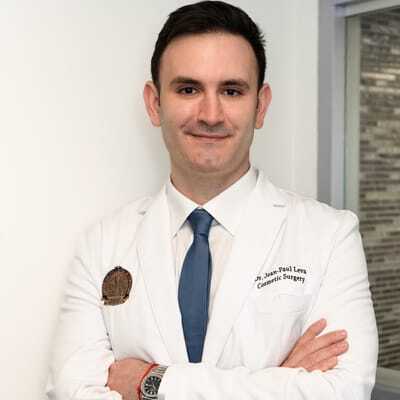
The practice is led by Dr. Jean-Paul Leva, a board certified cosmetic surgeon and Fellow of the American College of Surgeons (FACS), alongside Dr. Jacquelline Leva, who specializes in hormone therapy and wellness. Together, they bring a patient-centered approach that combines surgical expertise with whole-body wellness. In this article, we’ll walk you through who makes a good candidate for abdominoplasty, the different procedure types available, what recovery looks like, and answers to the most frequently asked questions we hear from patients in Queens, New York.

What Is a Tummy Tuck (Abdominoplasty)?
A tummy tuck is a surgical procedure designed to flatten and reshape the abdominal area. It addresses several concerns at once: sagging skin that hangs over your waistline, stretched out abdominal muscles (including a condition called diastasis recti, where the muscles separate down the midline), and excess fat that clings to the midsection despite your best efforts. The goal is to create a firmer abdomen with a more defined contour.
During a typical abdominoplasty procedure, your surgeon makes a low horizontal incision along the bikini line, lifts the overlying skin and fatty layer, and tightens the underlying muscles by stitching them together. Extra skin is then removed, and the remaining skin is smoothed down to create a flatter abdomen. When significant skin removal is involved, the belly button may be repositioned to look natural in its new location.
Common Causes of Abdominal Changes
Many factors contribute to unwanted changes in the abdominal area:
Pregnancies – Carrying one or more children, especially in your 20s through 40s, stretches the abdominal tissues and muscles
Major weight fluctuations – Losing 40 to 100 pounds or more can leave behind loose skin that won’t snap back
Aging – Skin loses elasticity over time, leading to laxity even without dramatic weight changes
Prior surgeries – C-sections, hernia repairs, and other abdominal procedures can affect muscle integrity and skin quality
Genetics – Some people are simply more prone to loose connective tissue
For many patients in Queens, New York, the primary goals of tummy tuck surgery are straightforward: achieving a flatter profile, fitting more comfortably into clothing, and feeling confident in everyday situations. It’s worth noting that a tummy tuck is a body-contouring procedure, not a weight loss surgery. Ideal candidates have already reached or are close to their ideal weight and are looking to address the stubborn changes that a healthy lifestyle alone can’t fix.
Who Is a Good Candidate for a Tummy Tuck in Queens, NY?
Determining whether you’re a good candidate for abdominoplasty involves looking at several factors. The best candidates typically share certain characteristics:
Key Candidacy Factors
Factor | What We Look For |
|---|---|
Skin quality | Loose skin or sagging skin that hangs over the waistline |
Muscle condition | Separated abdominal muscles or a protruding abdomen from weakened abdominal wall |
Fat distribution | Localized excess fat in the lower abdomen or flanks |
Health status | Generally healthy, no uncontrolled medical conditions |
Smoking | Non-smoker or willing to quit well before and after surgery |
Weight stability | Stable weight for at least 6–12 months |
Many patients who seek a tummy tuck consultation fall in the 30 to 55 age range, though candidacy depends more on your overall health and anatomy than a specific birthday. If you’re planning a future pregnancy, most surgeons recommend waiting until after you’ve finished having children. Pregnancy can stretch the abdominal muscles and skin again, potentially reversing the improvements from your surgery.
During your personal consultation at Leva Medical, Dr. Jean-Paul Leva will review your complete medical history, including any medications, past abdominal surgeries (such as C-sections, gallbladder removal, or hernia repairs), and your personal goals. He’ll perform a physical examination to assess skin elasticity, abdominal muscle separation, and fat distribution, helping you understand which tummy tuck procedure might be most appropriate for your body.
Tummy Tuck Options at Leva Medical
At Leva Medical, we believe every abdominoplasty should be tailored to the individual. No two bodies are exactly alike, and your customized treatment plan will reflect your unique anatomy, skin quality, and desired contour. Here’s an overview of the main tummy tuck options we offer:
Full Tummy Tuck
A full tummy tuck addresses the entire abdominal wall, from the ribcage down to the pubic area. This approach is ideal for patients with:
Significant loose skin above and below the belly button
Abdominal muscle separation that extends the full length of the abdomen
A desire for comprehensive contouring
The procedure involves a longer horizontal incision, tightening of the entire abdominal wall, removal of substantial excess skin, and repositioning of the belly button. Traditional tummy tucks of this type typically take 2 to 4 hours depending on the extent of work needed.
Mini Tummy Tuck
A mini tummy tuck (also called mini abdominoplasty) focuses specifically on the lower abdomen below the belly button. This option works well for patients with:
Mild to moderate skin laxity concentrated in the lower belly
Less pronounced muscle separation
A preference for a shorter incision and faster recovery
Because the mini tummy procedure addresses a smaller area, surgery time is typically shorter (around 1 to 2 hours), and the recovery period may be somewhat easier.
Adding Liposuction for Enhanced Contouring
In some cases, liposuction of the flanks, upper abdomen, or other procedures may be recommended to refine your waistline and achieve optimal results. This is decided on a case-by-case basis during your tummy tuck consultation.
At Leva Medical in Queens, NY, Dr. Leva takes time to explain the pros and cons of each technique. He may use mirrors or drawings to help you visualize where incisions will be placed and what changes you can realistically expect from your tummy tuck procedure.
Your Tummy Tuck Consultation in Queens, New York
Your journey toward a toned midsection begins with an abdominoplasty consultation at our Queens office. We’ve designed this experience to be private, unhurried, and focused entirely on your concerns and goals.
What to Expect During Your Consultation
Here’s what typically happens during your visit:
Health history review – We’ll discuss your medical history, previous pregnancies, weight fluctuations, and any prior surgeries
Abdominal examination – Dr. Jean-Paul Leva will assess your skin elasticity, check for diastasis recti or abdominal muscle separation, and evaluate fat distribution
Goal discussion – You’ll have the opportunity to share what you hope to achieve, whether that’s a flatter profile, fitting into certain clothing, or simply feeling more comfortable in your body
Procedure recommendation – Based on your anatomy and goals, Dr. Leva will recommend whether a full tummy tuck, mini tummy tuck, or combination approach with liposuction is best for you
Pre-operative planning – You’ll receive clear instructions about stopping certain medications, vitamins, and smoking, as well as arranging for a ride home and help during your initial recovery
This is also the perfect time to ask questions about scars, general anesthesia, how much time you’ll need off work, and what kind of support you’ll need at home. We believe open, honest communication is essential—no question is too small.
How Tummy Tuck Surgery Is Performed
Understanding what happens during your surgical procedure can help ease any anxiety you might feel. Here’s a step-by-step overview of how tummy tuck surgery is typically performed:
The Surgical Process
Anesthesia and preparation: Your tummy tuck is performed in an accredited surgical setting under general anesthesia or deep sedation. Patient safety is our top priority, and you’ll be monitored closely throughout the procedure.
Incision placement: Dr. Leva makes a horizontal incision low on the abdomen, positioned within the bikini line so it can be concealed by underwear or swimwear. For a full tummy tuck, a small incision around the navel is also made to allow repositioning of the belly button.
Muscle repair: The skin and fatty layer are lifted, revealing the abdominal muscles beneath. If the muscles are separated (a common occurrence after giving birth or experiencing massive weight loss), they are tightened with internal sutures to create a stronger, flatter abdominal wall.
Skin removal and contouring: Excess skin is carefully removed, and the remaining skin is smoothed down and secured. The belly button is brought through the skin at its new position and sutured in place.
Closing: The incisions are closed with sutures, and you may have small drains placed temporarily to prevent fluid buildup.
Surgery length typically ranges from 2 to 3 hours for a standard tummy tuck, though this varies based on whether you’re having a mini or full procedure and whether liposuction is included.
Dr. Leva plans every incision thoughtfully to make scars as discreet as possible. While scars are a normal and expected part of any major surgery, most patients find that they fade significantly over time and are easily hidden by clothing.
Tummy Tuck Recovery and Healing
Recovery from tummy tuck surgery requires patience and commitment to following your post operative instructions. Here’s a realistic timeline of what you can expect:
Recovery Timeline
Timeframe | What to Expect |
|---|---|
Day 1-2 | Go home with an adult escort; gentle walking encouraged; wear compression garment; manage discomfort with pain medication |
Week 1-2 | Swelling and bruising peak then begin to improve; sleep in a slightly bent position; avoid driving until off prescription pain medication |
Week 2-3 | Many desk-job patients return to work; continue wearing compression garment; light activities resume |
Week 4-6 | Swelling continues to decrease; light exercise like walking permitted; avoid heavy lifting and strenuous core exercises |
Month 3-6 | Contour becomes more defined; scars begin to fade and flatten; gradual return to full activity as cleared by Dr. Leva |
Month 6-12 | Final tummy tuck results visible; scars continue to lighten and soften |
Keys to a Smooth Recovery
The recovery process goes more smoothly when you:
Follow all post operative instructions carefully
Wear your compression garment as directed
Avoid smoking completely (it impairs healing and increases risk of blood clots)
Stay well-hydrated and maintain a healthy diet
Take gentle walks to promote circulation
Attend all follow-up visits at Leva Medical
Follow-up appointments at our Queens, NY office are an important part of your care. During these visits, our team checks your incisions, answers any new questions, and adjusts your recovery plan as healing progresses. We typically follow patients for 12 months to ensure you’re thriving.

What Results Can You Expect from a Tummy Tuck?
Most patients are thrilled with their tummy tuck results. You can expect:
A flatter, smoother abdominal profile
Less overhang of skin at the waistline
A more defined midsection and waistline
Improved fit in clothing, swimwear, and high-waisted pants
Greater confidence in your physical appearance
Understanding the Timeline
Initial swelling can hide your final shape, so don’t be discouraged if things look a bit puffy in the early weeks. Results continue to refine over several months as tissues settle and scars mature. Most patients see their true results around the 6 to 12 month mark.
Maintaining Your Results
Your new contour can last for many years with proper maintenance. The keys to longevity include:
Maintaining a stable weight and avoiding significant weight gain
Staying physically active with regular exercise
Following a healthy diet rich in nutrients
Avoiding future pregnancies (which can stretch the abdominal tissues again)
Every body is unique, so the degree of change varies from person to person. Some patients achieve a dramatically toned abdomen while others see more subtle improvements—both can be equally satisfying depending on your starting point and goals.
Beyond aesthetics, many patients report practical benefits: no more skin rubbing or chafing, improved posture from a stronger abdominal wall, and the freedom to wear fitted shirts, dresses, or swimsuits without feeling self-conscious. These quality-of-life improvements are often just as meaningful as the visual changes.
Frequently Asked Questions
Most patients take about 2 weeks off work for desk jobs, though physically demanding positions may require 4 to 6 weeks. You’ll be walking gently within the first day or two, but strenuous exercise and heavy lifting should wait until Dr. Leva clears you—typically around 6 weeks. Full healing and final results can take 6 to 12 months as swelling resolves and scars mature.
Yes, tummy tuck surgery does leave scars. However, incisions are placed low on the abdomen along the bikini line, so scars are typically hidden by underwear and swimwear. Scars start out pink or red but usually fade, flatten, and lighten over 6 to 12 months. Following proper scar care, using silicone sheets, and protecting scars from sun exposure can help optimize healing.
Pregnancy is generally still possible after abdominoplasty. However, carrying a baby will stretch your abdominal muscles and skin again, potentially reversing some of the improvements from surgery. For this reason, most patients choose to have their tummy tuck after completing their families. If you do become pregnant afterward, you may consider a revision procedure later.
Like any major surgery, abdominoplasty carries some risks. These include hematoma (blood collection), infection, delayed wound healing, changes in sensation, and rare but serious complications like blood clots. Research shows the overall complication rate for abdominoplasty alone is approximately 3.1%. Factors that may increase risk include age over 55, BMI of 30 or higher, and combining multiple procedures. Dr. Leva discusses all risks thoroughly during your consultation.
At Leva Medical, you receive care from board certified cosmetic surgeons who perform every surgery themselves—never assistants. Dr. Jean-Paul Leva brings extensive training, including fellowship training and recognition as a Fellow of the American College of Surgeons. Our family-run practice has served the Queens community since 1986, and we pride ourselves on personalized care, transparent communication, and 12-month follow-up for all surgical patients. Plus, our Elmhurst location makes us easily accessible from neighborhoods throughout Queens, NY.
Schedule Your Tummy Tuck Consultation at Leva Medical
If you’ve been thinking about a tummy tuck, the best next step is a conversation. At Leva Medical, we’re here to answer your questions, understand your goals, and help you determine whether abdominoplasty is right for you.
Our Queens, NY office at 94-06 59th Ave, Suite E9 is conveniently located near major subway and bus routes, making it easy to reach from Elmhurst, Rego Park, Corona, Jackson Heights, and beyond. We know your time is valuable, and we’ve designed our consultations to be thorough yet efficient.
-2.jpg?width=2000&height=2000&name=Copy%20of%20YouTube%20Thumbnail%20-%20Life-Changing%20Cosmetic%20Surgery!%20(Document)-2.jpg)


