If you're wondering what role a tummy tuck compression garment plays in your recovery, you're asking the right question. This guide covers everything from garment materials and benefits to fit, sizing, and long-term care so you can heal properly and get the most out of your procedure.
Learn more: Tummy Tuck at Leva Medical
Overview of Compression Garments for Plastic Surgery
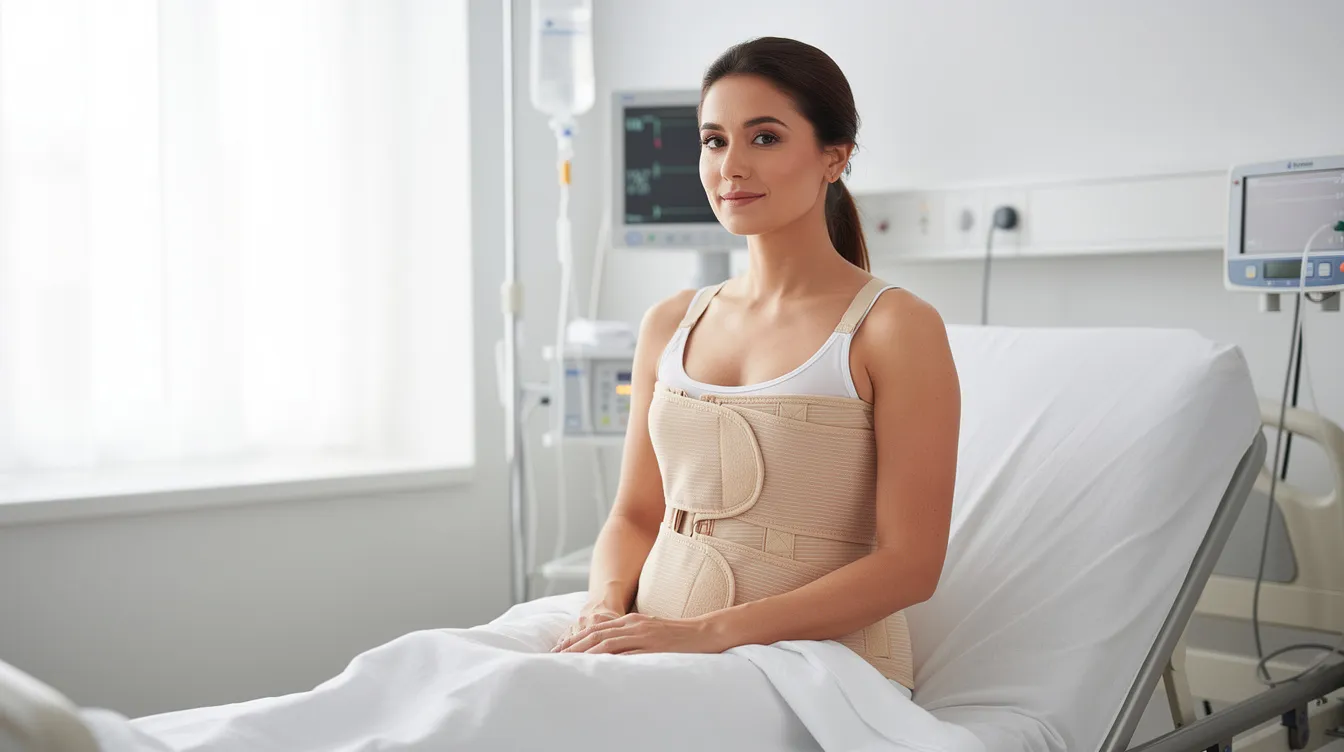
Compression garments are specialized medical garments designed to apply sustained, even pressure to surgical areas. They're used across nearly every branch of plastic surgery, including liposuction, breast augmentation and reduction, body contouring, and facial procedures like facelifts.
Among these, the tummy tuck (abdominoplasty) is one of the primary torso procedures where compression is nearly universally recommended. Compression helps limit swelling and inflammation after surgery, and medical-grade compression is essential for proper healing after surgery. Without it, patients face a longer, less predictable recovery process.
What Is a Compression Garment?
A medical-grade compression garment is constructed from elastic synthetic fibers like spandex or elastane, typically combined with nylon or polyamide base fabrics. These fabrics are engineered using knitting structures and core-spun yarns that deliver consistent pressure, stretch recovery, and moisture wicking across the body.
After an abdominoplasty, your surgeon cuts through tissue, disrupts lymphatic channels, and creates dead space beneath the skin. A compression garment applies gentle external pressure that helps collapse that dead space, encouraging the skin flap to reattach to underlying fascia. Compression garments support healing tissues and reduce incision tension, while also helping stabilize the abdominal wall post-surgery.
Most garments cover the lower abdomen at minimum, but many extend across the full torso, with panty extensions reaching the thighs, shoulder straps to prevent rolling, and open-crotch designs for convenience when drains are still in place.
Benefits of Tummy Tuck Compression Garments
Understanding the benefits helps you stay motivated during weeks of wear. Here's what compression actually does:
Swelling reduction. Compression garments reduce post-operative swelling by applying external pressure that encourages fluid to move through lymphatic channels rather than accumulate in tissue. While some studies show mixed long-term results, most surgeons agree that compression is effective at controlling edema during the critical first one to three weeks when you'll feel most swollen.
Contouring and skin molding. A compression garment enhances aesthetic results by ensuring a tighter appearance across your abdomen and flanks. It helps the skin flap adhere smoothly to the underlying fascia, reducing wrinkling and loose areas. That said, compression garments do not replace surgical results but help in smoothing body contours into their new shape.
Seroma and fluid prevention. Seroma, where fluid builds up under the skin flap, is a common complication with incidence rates ranging from 1% to 38% in abdominoplasty. Compression garments help prevent fluid accumulation and complications, though surgical techniques like quilting sutures remain the strongest defense. Compression garments reduce seromas and swelling after a tummy tuck as part of a broader treatment strategy.
Comfort and mobility. They improve comfort during the healing process by reducing tension on incisions when you stand, sit, or bend. Patients report less soreness and better ability to move during early recovery. Walking promotes circulation and helps prevent blood clots after surgery, and a supportive garment makes those early walks less uncomfortable.
Bruising and infection risk. Compression minimizes bruising by preventing blood from reaching the skin's surface. It also helps reduce the risk of infection by promoting circulation through the surgical area, supporting the body's natural healing response.
How Long To Wear a Tummy Tuck Compression Garment
Wearing a compression garment after a tummy tuck is critical for recovery. Here's a general timeline, though your surgeon's instructions should always take priority:
Weeks 1–2: Compression garments should be worn 24/7 during recovery, including through the night, removing only to shower. A Stage 1 compression garment is firmer and used immediately after surgery to provide maximum support.
Weeks 3–4: Many surgeons advise transitioning to daytime wear or allowing short breaks. A Stage 2 compression garment is softer and used after initial swelling subsides.
Weeks 5–6: Some patients move to night-only wear or lighter garments for activity.
Patients typically wear compression garments for 4 to 6 weeks post-surgery total. Some surgeons extend wear for women with larger dissections or higher BMI.
Periodic removal is necessary for cleaning and skin inspection, but avoid extended off-time beyond what your doctor allows. Keep a second garment on hand so you can alternate while laundering.
Choosing the Best Compression Garment After Tummy Tuck
Not all garments are equal. Here's what to prioritize:
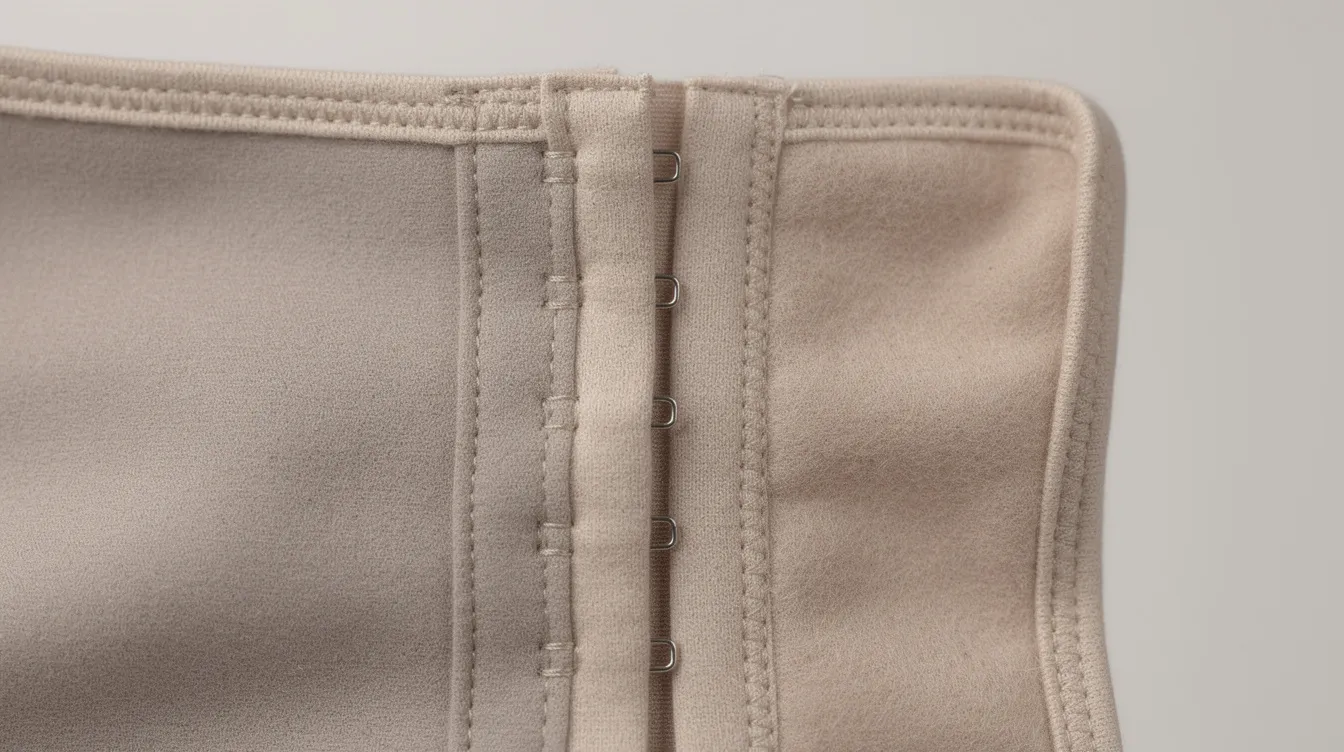
Adjustable closures. Adjustable closures are preferred in compression garments to accommodate swelling that changes daily. Look for multi-row adjustable hook-and-eye systems combined with zippers for easy donning. Adjustable garments allow customization to the body's new shape as swelling decreases. Adjustable compression garments allow customization for body shape across different stages of recovery.
Anti-roll design. Shoulder straps help prevent garments from folding when sitting. Garments should have shoulder straps to prevent rolling, especially during the first few weeks when you're bending and moving cautiously. Panty extensions that reach the thighs also help anchor the garment.
Breathable fabric. Compression garments should be made of breathable, moisture-wicking fabric that won't trap heat or cause skin maceration. Antimicrobial treatments or silver-ion fibers are a bonus. Look for latex-free options if you have sensitivities.
Trusted brands. Marena Recovery garments are recommended for tummy tuck recovery by many board-certified surgeons. Design Veronique and Fajas Colombianas (Salome, Diane & Geordi) are also widely used. Avoid substituting with spanx or other fashion shapewear, as these lack the medical-grade pressure and construction needed for post-surgical healing.
Compression garments should be adjustable for optimal fit. Your surgeon may supply the first garment directly, so talk to your surgical team about brand options before putting money toward a purchase.
Fit and Sizing for Tummy Tuck Compression Garments
Proper fit is crucial for achieving the best surgical results. An improperly fitted garment can cut off circulation, harm tissue, or fail to deliver adequate compression.
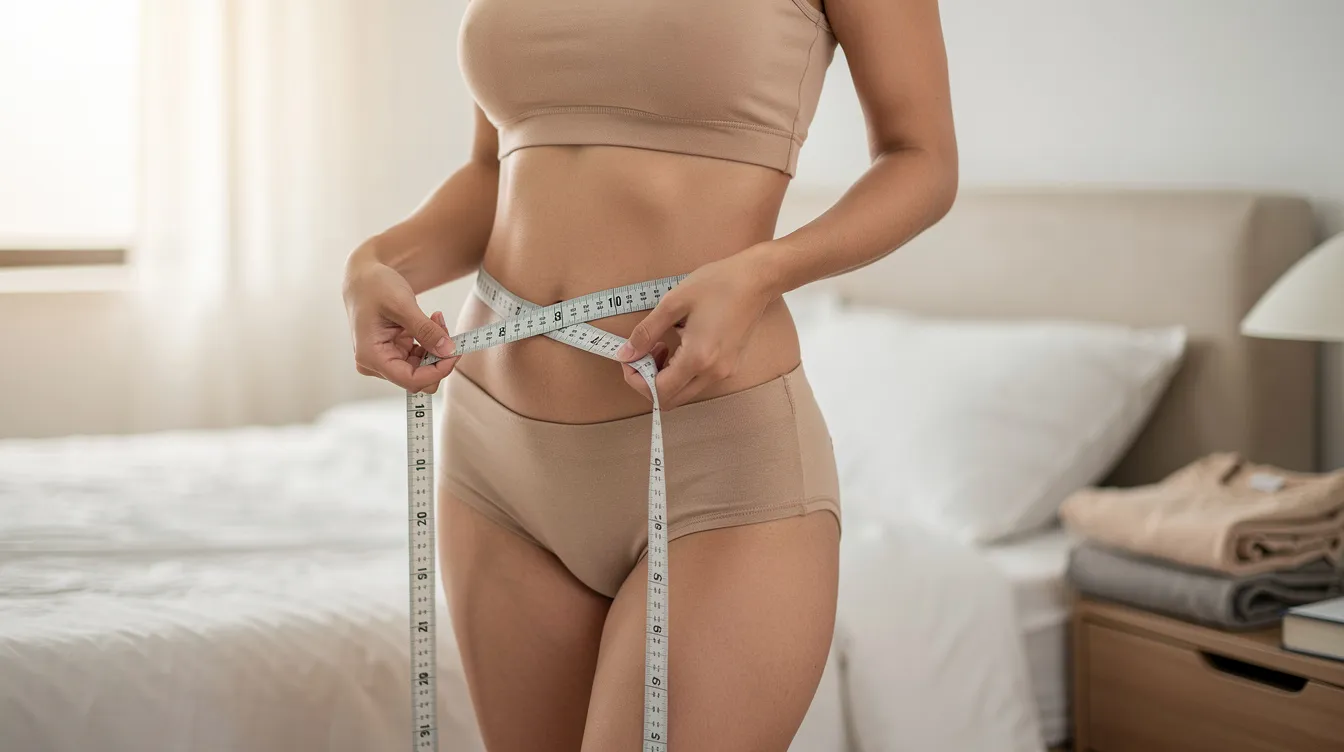
Measure before surgery. Take accurate waist, hips, and torso length measurements pre-op. Custom sizes are recommended based on individual measurements, especially for patients with higher BMI or those recovering from a panniculectomy.
Account for swelling. Your body will be swollen immediately after surgery, then gradually shrink. Many surgeons prescribe garments sized for both stages.
Test the fit. Sit, bend, and walk while wearing the garment. Garments must fit snugly without causing discomfort or pain. Compression garments should fit snugly but not restrict breathing. If you see red indentations, pressure wrinkles, or feel tingling in your arms or thighs, the fit is wrong.
Patients are often advised to contact their surgical team if the garment feels excessively tight. Don't try to tough it out.
Features to Look For in Compression Garments
When comparing styles, focus on these details:
Fabric-lined zippers protect incisions and fragile skin from friction and scarring.
Hook-and-eye plus zipper closures give incremental sizing control. The hook lets you fine-tune pressure; the zipper speeds up putting the garment on and off.
Compatibility with foam inserts. Topifoam pads can enhance the effectiveness of compression garments by distributing pressure evenly over concave or convex areas like the flanks or groin.
Flat seams placed outside high-pressure zones reduce irritation and lower the risk of skin breakdown.
Garments must stay in place without folding or rolling. Compression garments should not fold or roll during wear, as bunched fabric creates uneven pressure that can compromise blood vessels and tissue beneath.
Compression Garments Versus Abdominal Binders
A binder is a wrap-style panel (usually Velcro-fastened) that covers the lower torso. A full compression garment covers the abdomen plus flanks, often extending over the hips and thighs, sometimes up under the bust.
Feature | Abdominal Binder | Full Compression Garment |
|---|---|---|
Coverage | Lower abdomen only | Full torso, flanks, thighs |
Contouring | Minimal | Multi-directional shaping |
Stability | May roll or shift | Stays in place with straps |
Adjustability | Velcro wrap | Hook-and-eye + zipper |
Best for | First 1–2 days, simplicity | Full tummy tuck recovery |
A binder may be useful in the first day or two for simplicity, but most surgeons recommend transitioning to a full compression garment quickly. Improperly fitted binders tend to roll, creating pressure folds that can harm the incision line and impair the outcome.
Post-Op Care While Wearing a Compression Garment
Showering. Remove your garment only when your surgeon allows. Protect incisions with waterproof dressings, shower quickly, dry thoroughly, and reapply the garment immediately.
Laundering. Wash in cold water with gentle detergent. Hand wash or use a delicate cycle. Avoid bleach and heat drying, both of which degrade elasticity. Having two garments lets you rotate while one is in the wash.
Skin monitoring. Check daily for:
Pressure marks or blistering
Numbness or tingling (signs of impaired circulation)
Redness or signs of infection
If you have drains, ensure the garment accommodates them without compressing the tubing. A break from the garment to sleep without it should only happen if your surgeon explicitly says so.
Consulting a Board-Certified Plastic Surgeon About Compression Garments
Your surgeon should be your primary source of guidance. During your preoperative consultation, discuss:
Garment type, stage, and brand
A written wear and care timeline covering when to wear full-time, when to transition, and when to stop
Sizing and measurements taken before your procedure
Potential risks like increased intra-abdominal pressure or venous stasis
Don't wait until after surgery to figure this out. A clear plan helps you recover with less stress and better results.
Product Page Suggestions for Tummy Tuck Compression Garments
If you're shopping for garments, look for product pages that include:
Element | Why It Matters |
|---|---|
Comparison table of styles | Shows coverage, closure type, and fabric at a glance |
Size chart with measuring instructions | Prevents costly mis-orders; video guides are ideal |
"Doctor recommended" endorsements | Signals medical-grade quality, not fashion shapewear |
Stage 1 vs Stage 2 options | Lets you plan for both phases of recovery |
Clinical benefits listed | Confirms the garment is designed for post-surgical use |
Note that the cheapest option isn't always the best. Investing in a proper garment can save you money on complications and follow-up visits.
FAQ and Troubleshooting For Compression Garments
Can I sleep in my compression garment? Yes. During the first few weeks, you should sleep in it every night. Use pillows to support your back and keep a slight bend at the waist to reduce tension on your abdomen.
My garment keeps rolling up. What do I do? Rolling usually means the garment lacks shoulder straps or the sizing is off. Switch to a style with straps, or try a garment with a panty extension that anchors at the thighs.
Is it normal to feel tight and uncomfortable at first? Some tightness is expected, especially while you're still swollen. However, the garment should never cause sharp pain, restrict your breathing, or leave deep indentations. If it does, contact your surgeon immediately.
Can I use a regular body shaper instead? No. Products like spanx are not designed for post-surgical recovery. They lack the pressure calibration, closure systems, and medical-grade construction needed to protect your tissue and achieve the smooth, tight result you want from your abdominoplasty.
When should I call my surgeon? Contact your surgical team if you experience:
Sudden increase in swelling or bruising
Fever or signs of infection around incisions
Numbness, color changes, or trauma to the skin under the garment
Fluid leaking or drains malfunctioning
Resources and References for Compression Garments and Plastic Surgery
For further reading, consult clinical guidelines published in peer-reviewed journals on abdominoplasty recovery and compression therapy. Manufacturer websites for brands like Marena and Design Veronique typically include sizing guides, warranty information, and support contacts.
Your board-certified plastic surgeon remains your best resource. Talk to them early, follow their advise on garment selection and wear schedules, and don't hesitate to reach out if something feels off during your recovery.
Frequently Asked Questions
What is a tummy tuck compression garment made of?
Compression garments are constructed from elastic synthetic fibers like spandex or elastane, typically combined with nylon or polyamide base fabrics. These materials are engineered using knitting structures and core-spun yarns to deliver consistent pressure, stretch recovery, and moisture wicking.
How long should I wear a compression garment after tummy tuck surgery?
Patients typically wear compression garments for 4 to 6 weeks post-surgery. During weeks 1-2, wear 24/7 except when showering. Weeks 3-4 may allow daytime wear only. Some surgeons extend wear for patients with larger dissections or higher BMI. Follow your surgeon's specific instructions.
What are the main benefits of wearing a compression garment after abdominoplasty?
Compression garments reduce post-operative swelling, encourage skin flap adherence to underlying fascia, help prevent seroma formation, improve comfort during movement, reduce incision tension, minimize bruising, and support circulation. They work as part of a broader healing strategy alongside surgical techniques.
What features should I look for when choosing a compression garment?
Look for adjustable closures like multi-row hook-and-eye systems combined with zippers, shoulder straps to prevent rolling, panty extensions reaching thighs for anchoring, and breathable moisture-wicking fabric. Adjustable designs accommodate daily swelling changes and your body's evolving shape during recovery.
Why do surgeons recommend compression after a tummy tuck?
During abdominoplasty, surgeons cut tissue, disrupt lymphatic channels, and create dead space beneath skin. Compression applies gentle external pressure that collapses dead space and encourages skin reattachment to underlying fascia. This supports healing tissues, reduces incision tension, and helps stabilize the abdominal wall.


-2.jpg?width=2000&height=2000&name=Copy%20of%20YouTube%20Thumbnail%20-%20Life-Changing%20Cosmetic%20Surgery!%20(Document)-2.jpg)


