If you're searching for trt near me in New York, you're likely dealing with symptoms that affect your daily life-persistent fatigue, low libido, brain fog, or unexplained weight gain. Testosterone replacement therapy is a medical treatment for low testosterone levels, and finding the right clinic matters more than finding the closest one. This guide breaks down what to look for in a provider, how evaluation works, and what separates a good clinic from a great one across Manhattan and the surrounding boroughs.
Find TRT Near Me in New York
New York City offers a range of choices for testosterone replacement therapy, from large franchise operations to physician-owned practices. Clinics like Gameday Men's Health, AndroMD, Renew Vitality, and SoHo Men's Health all serve the metro area, each with different service models and price points. Ageless Men's Health has over 75 locations nationwide, adding another option for patients who travel between states.
When comparing providers, prioritize three things:
Clinician credentials - board certification in urology or endocrinology
Lab testing standards - whether testosterone assays follow standardized methods
Follow-up protocols - how often the clinic monitors your progress after treatment starts
A clinic that skips baseline labs or rushes you into treatment without a proper evaluation is a red flag, regardless of how polished its website looks.
Men's Health Services in Midtown Manhattan

Two prominent clinics serve the midtown Manhattan corridor. Gameday Men's Health operates out of 34 W 22nd St in the Flatiron district, while AndroMD is located at 800 Second Avenue, 9th Floor-both accessible by multiple subway lines, rideshare, or on foot.
Gameday's Flatiron location is open Tuesday through Friday, 9:00 AM to 5:00 PM, and offers free consultations. AndroMD schedules by appointment and provides confidential consults. Gameday operates on a cash-pay model with no insurance needed, while AndroMD accepts all insurance including Medicaid and Medicare-an unusual feature among TRT-specialty clinics. Insurance acceptance varies between traditional medical groups and cash-pay clinics, so confirm billing details before your first visit.
Gameday Men's Health Manhattan Compared With Local Clinics
Gameday Men's Health Manhattan positions itself as a one-stop men's health clinic with services spanning testosterone therapy, erectile dysfunction treatment, peptide therapy, weight management, and hair loss solutions. Gameday Men's Health offers same-day treatment in Manhattan thanks to on-site labs that return results in roughly 15 minutes.
Here's how key factors compare across several NY providers:
Factor | Gameday Men's Health | AndroMD | SoHo Men's Health | Renew Vitality |
|---|---|---|---|---|
Provider type | Licensed clinical staff (NPs/PAs) | Board-certified urologist | Medical team | Hormone specialists |
Insurance | Cash-pay only | All insurance accepted | Varies | Varies |
Same-day labs | Yes | No (external labs) | Yes | Varies |
Treatment options | Injections, pellets, oral TRT, clomid | Injections, topicals | Injections, topicals | Personalized programs |
SoHo Men's Health diagnoses low testosterone with blood tests as part of a structured evaluation. Renew Vitality specializes in personalized hormone therapy programs tailored to individual patient profiles. Each clinic takes a slightly different personalized approach, so matching your treatment goals with the right provider model matters.
Low Testosterone Evaluation
Low testosterone affects men across all age groups, though risk increases with age-approximately 50% of men over 80 have low testosterone levels. Men with obesity or diabetes are at increased risk for low testosterone as well.
Common symptoms include:
Reduced sex drive and erectile dysfunction
Fatigue and depressed mood
Loss of body or facial hair
Decreased muscle strength and increased body fat
Difficulty concentrating
Initial testing typically requires a clinical evaluation and blood tests. Specifically, a doctor will measure serum total testosterone on at least two separate mornings before 10 AM. A comprehensive diagnostic panel should include total testosterone and other hormone levels such as LH, FSH, prolactin, estradiol, hematocrit, and PSA for men over 40.
Low testosterone can be diagnosed through blood tests and physical exams, but never by symptoms alone. Patients must be evaluated for potential contraindications before starting TRT. Your medical history-including medications like opioids or corticosteroids, prior testicular injury, and fertility goals-shapes the diagnosis. TRT is not recommended solely for optimizing athletic performance or reversing normal aging.
Hormone Therapy Options
Medically supervised hormone therapy begins only after a confirmed diagnosis and a discussion of risks, benefits, and alternatives. Multiple treatment modalities for TRT include injections, gels, and patches. TRT can be administered via injections, gels, or pellets depending on patient preference, lifestyle, and clinical profile.
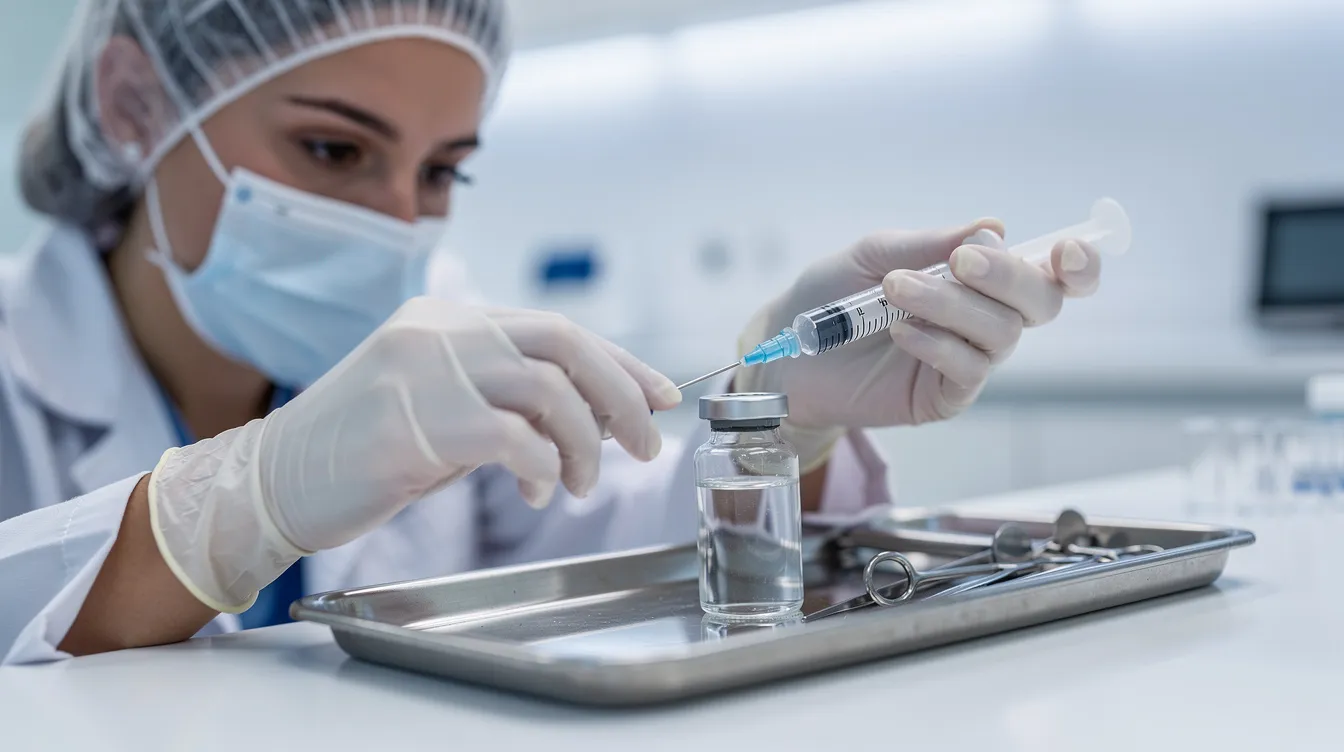
Injection protocols: Injectable testosterone is administered under the skin or into the muscle, typically using testosterone cypionate or enanthate at 100–200 mg weekly or biweekly. Testosterone can be supplemented through injections or transdermal methods like daily gels or adhesive patches.
Topical considerations: Gels and patches offer steady daily dosing but carry risks of skin irritation and accidental transfer to family members or women through skin contact.
Monitoring requirements: TRT requires monitoring for potential risks including increased red blood cell count and decreased fertility. Routine follow-up blood work is essential for ongoing monitoring of TRT patients, with labs typically checked at 6–12 weeks and then every 3–6 months. Hematocrit, PSA, testosterone levels, and metabolic panels are standard.
Testosterone Pellets Versus Injections
Testosterone pellets are placed under the skin every 3–6 months through a minor surgical incision, usually in the hip area. They provide steady hormone release with fewer clinic visits per year. Risks include infection (~0.6%), pellet extrusion (~8.5%), and local bleeding (~2.3%).
Injections offer more flexibility-your doctor can adjust the dose or frequency quickly in response to lab work or symptoms. Pellets, once implanted, require surgical removal if problems arise. For patients who value convenience and fewer appointments, pellets may appeal. For those who want tighter control over dosing, injections are typically the better fit.
Men's Health Services Beyond TRT
Most clinics that treat low testosterone also address related men's health concerns. A comprehensive men's health services menu often includes erectile dysfunction evaluations, peptide therapy, weight loss programs, and hair loss treatment. These conditions frequently overlap-low testosterone can contribute to ED, weight gain, and thinning hair simultaneously.
Erectile Dysfunction Treatment
Erectile dysfunction has multiple potential causes: vascular disease, diabetes, hormonal deficiency, neurological conditions, medication side effects, and psychological factors. A thorough evaluation should include cardiovascular risk screening, since ED often signals underlying heart concerns.
Treatment options include:
PDE5 inhibitors (sildenafil, tadalafil) as first-line medication
Injection therapy for cases unresponsive to oral medication
Regenerative treatments like low-intensity shockwave therapy
Hormone optimization when testosterone deficiency contributes
Addressing lifestyle factors-exercise, diet, sleep, and alcohol use-often improves outcomes alongside medical treatment.
Peptide Therapy and Wellness Support
Peptide therapy uses short chains of amino acids to target specific biological functions, including growth hormone release, tissue repair, and sexual health. Clinics like Gameday offer peptides such as sermorelin and PT-141 under clinician supervision. Clinical evidence for many peptides remains emerging, so it's important to distinguish between approved treatments and experimental options. IV therapy and related wellness services round out the vitality-focused offerings at some locations.
Hair Loss Treatment Options
Male pattern hair loss results from follicle miniaturization driven by hormonal and genetic factors. Common treatments include:
Minoxidil (topical) - stimulates growth; requires consistent daily application
Finasteride (oral) - blocks DHT; requires counseling about potential side effects on sexual function and skin
PRP therapy - uses platelet-rich plasma to encourage follicle activity
Results from any hair treatment typically take several months. Ongoing monitoring ensures the chosen approach is working and that side effects remain manageable. Some clinics address hair concerns as part of a broader hormone therapy plan.
What to Expect at Your First Visit

Your initial consultation will cover your symptoms, full medical history, current medications, reproductive goals, and lifestyle habits. A physical exam may assess testicular volume, body composition, and signs of hormonal imbalance.
If the clinic offers on-site lab work, you'll typically get a blood test drawn that same morning-ideally before 10 AM for accurate testosterone readings. At locations like Gameday's Flatiron site, results can come back within 15 minutes, enabling same-day treatment decisions when clinically appropriate.
From there, the doctor or clinician builds a personalized treatment plan: which formulation, what dose, how often you'll return for follow-up. Expect the first visit to take 30–60 minutes.
Preparing for a TRT Consultation
Walk in prepared to get the most out of your appointment:
Bring any recent laboratory results (total testosterone, CBC, metabolic panel, PSA)
List all current medications and supplements
Document your treatment goals-whether that's improved energy, better sexual function, weight management, or muscle strength
Be ready to discuss sleep quality, exercise habits, and stress levels
Preparation helps your provider move efficiently from evaluation to a plan that fits your life.
Real Results and Patient Reviews
Clinical data shows that most TRT formulations raise testosterone levels into the normal physiological range in 75–97% of patients. In one study, median testosterone increased from approximately 209 ng/dL to 420 ng/dL across gel, injection, and pellet modalities. TRT can improve energy levels and overall well being, though timelines vary: energy and mood improvements may appear within weeks, while body composition changes and sexual function gains often take three to six months.
Patient reviews at Gameday's Flatiron location average 5.0 stars across 94 reviews, with patients frequently praising the amazing experience of quick labs and a staff that feels genuinely invested in outcomes. That said, no clinic can guarantee specific results. Baseline health, comorbidities, and adherence all influence what any real person experiences.
Choosing a Safe TRT Clinic
TRT is a long-term commitment requiring ongoing adjustments based on clinical feedback, so choosing the right clinic matters beyond the first visit. Here's a checklist:
License verification - confirm the treating doctor holds board certification and an active medical license in New York
Lab standards - the clinic should use standardized, validated testosterone assays and draw morning samples
Follow-up policies - look for scheduled lab monitoring at defined intervals, not just "as needed"
Privacy - HIPAA-compliant systems, discreet settings, and secure handling of your contact information and health records
If a site or clinic asks you to receive communications before explaining what data they collect, that's worth questioning. Confirm approved protocols and whether medications come from licensed pharmacies.
Frequently Asked Questions About TRT Near Me
Do I need a referral? Most TRT clinics in NY don't require a referral from primary care, though some insurance plans may. Cash-pay clinics generally accept walk-ins or direct bookings.
Can I start treatment the same day? At clinics with on-site labs, same-day initiation is possible when results confirm low testosterone. Insurance-based clinics may require prior authorization. Touch gestures like double tap on a clinic's mobile site can often pull up scheduling options quickly-look for the home jump left navigation or similar mobile shortcuts for appointment booking.
How often will I need to visit? Expect visits every 4–6 weeks initially, then every 3–6 months after stabilization. Patients on pellets visit less frequently than those on injections.
Does insurance cover TRT? It depends. AndroMD accepts all major insurance in Manhattan. Gameday and Atlas Men's Health operate as cash-pay with potential superbill assistance. Some providers also offer telemedicine services for follow-up visits, which may reduce costs. Clinics across Brooklyn, the upper east side, and even Florida franchises each handle billing differently.
Book a New York Men's Health Consultation
Whether you're exploring testosterone therapy for the first time or looking to switch providers, New York has clinics that cover every service line-from injectable testosterone and testosterone pellets to erectile dysfunction treatment, peptide therapy, weight loss programs, and hair loss solutions. The potential side effects of any hormone treatment deserve a candid conversation with a qualified provider before you commit.
Verify credentials. Ask about lab methods. Understand the follow-up schedule. Then book a consultation with a clinic that treats you like a real person-not a subscription number. Most Manhattan clinics offer free or low-cost initial consultations, making your first appointment a low-risk step toward reclaiming your vitality and quality of life.
Frequently Asked Questions
What symptoms might indicate I should be evaluated for low testosterone?
Common symptoms include reduced sex drive, erectile dysfunction, persistent fatigue, depressed mood, difficulty concentrating, loss of body or facial hair, decreased muscle strength, and increased body fat. Symptoms alone are not enough to diagnose low testosterone, so a clinical evaluation with blood testing is needed to confirm it.
How is low testosterone diagnosed before treatment begins?
Diagnosis typically involves a clinical evaluation and blood tests. A doctor generally measures serum total testosterone on at least two separate mornings before 10 AM. Additional labs may include LH, FSH, prolactin, estradiol, hematocrit, and PSA for men over 40, along with a review of medical history and medications.
What treatment delivery methods are available for testosterone replacement therapy?
TRT can be given through injections, gels, patches, or pellets placed under the skin. Injections of testosterone cypionate or enanthate are common, often given weekly or biweekly. Gels and patches provide daily dosing but can cause skin irritation and may transfer to others through skin contact. Pellets are inserted every three to six months.
What monitoring is needed once testosterone replacement therapy starts?
Patients need routine follow-up blood work. Labs are typically checked at 6 to 12 weeks after starting and then every 3 to 6 months. Common tests include hematocrit, PSA, testosterone levels, and metabolic panels, since TRT can increase red blood cell count and may affect fertility.
What should I look for when choosing a testosterone clinic?
Look for clinician credentials such as board certification in urology or endocrinology, lab testing that follows standardized methods, and clear follow-up protocols for monitoring progress. Clinics that skip baseline labs or start treatment without a proper evaluation are a concern. Confirm insurance and billing details before your first visit, as acceptance varies.
Learn more: Body Contouring at Leva Medical