Testosterone therapy is often misunderstood. This guide breaks down common myths, real benefits, and safe treatment options for men who are seeking hormone optimization, including men in Queens, NY who want clear, medically grounded information before they book a consultation.
Key Takeaways
Testosterone levels naturally decline in many men as they age.
Myths can keep men from seeking proper medical evaluation and treatment.
For men with confirmed low testosterone, therapy may improve energy, libido, mood, and muscle mass.
Pellets are one delivery option that releases testosterone gradually over time.
Safe treatment depends on lab testing, medical supervision, and ongoing monitoring.
Need to know
Many men don't talk about low testosterone, yet testosterone tends to decline gradually with age. Fatigue, low libido, reduced muscle mass, and mental fog are often brushed off as "getting older," but they can have a medical cause worth checking.
Common concerns men describe include feeling tired all the time, workouts that no longer feel the same, a drop in motivation and libido, and simply feeling older than they should. These symptoms can have many causes, which is why a proper evaluation matters.
Testosterone therapy offers real benefits for the right patients, but misinformation keeps many men from getting help. Let's separate myths from medical facts.
Myth 1: Testosterone Therapy Is Only for Bodybuilders
Fact: Testosterone Therapy Is for Normal Men Who Want Normal Function
Testosterone therapy is medical treatment, not performance enhancement.
As testosterone declines, some men notice:
Low energy
Decreased libido
Weight gain
Muscle loss
Irritability
Erectile changes
Reduced motivation

The goal isn't excess testosterone. It's restoring healthy levels so you feel like yourself again.
Myth 2: Testosterone Therapy Is Dangerous
Fact: Risks Are Managed With Medical Supervision
Like any medical treatment, testosterone therapy has risks. Problems often come from:
Unsupervised online testosterone
Illegal injections
Mega-dosing
No lab monitoring

Responsible treatment includes regular lab work that typically looks at:
Total and unbound testosterone
Estrogen balance
Red blood cell counts, since testosterone can raise them
Thyroid function
Liver markers
When properly managed and monitored, testosterone therapy can be a reasonable option for men with confirmed low levels. Your medical history determines whether it is appropriate for you.
Myth 3: Testosterone Therapy Causes Hair Loss
Fact: Genetics Play the Main Role in Baldness
Male-pattern hair loss is largely genetic. Testosterone therapy can speed up hair thinning in men who are already genetically predisposed, but it is not the root cause of baldness in men without that tendency. If hair loss concerns you, mention it during your evaluation.
Myth 4: Testosterone Makes Men Aggressive
Fact: Low Testosterone Can Cause Irritability
When levels are brought into a healthy range, many men notice improvements in:
Emotional stability
Calm confidence
Patience
Mental clarity
Mood changes can still occur, especially with excessive dosing, which is another reason monitoring matters.

Myth 5: Testosterone Therapy Always Ends Fertility
Fact: Fertility Can Often Be Protected With Proper Planning
Testosterone therapy can lower sperm production and reduce fertility. With medical guidance, it may be paired with fertility-protective medications to help maintain sperm production. Men who plan to have children should raise this before starting treatment.
This is why medical oversight is essential.
Benefits of Testosterone Therapy for Men
Men with confirmed low testosterone may experience:
Increased energy
Improved libido
Stronger erections
Lean muscle gain
Fat loss
Sharper focus
Better sleep
Higher motivation
Improved confidence
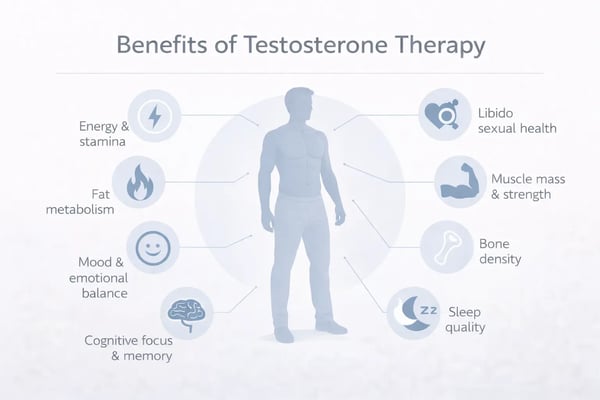
Results vary from person to person. The aim is not just to change a lab number but to improve quality of life.
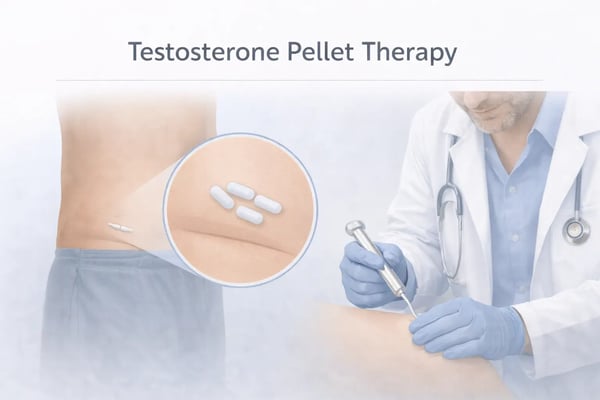
Testosterone Pellets: One Treatment Option
Testosterone can be delivered as injections, gels, or pellets placed under the skin. Pellet therapy may offer:
Gradual, consistent testosterone release
Steadier hormone levels over several months
No weekly injections
Fewer peaks and dips that can affect mood
Convenience that helps some men stay on track
Pellets are not right for everyone. Pellet placement can cause minor discomfort, bruising, or irritation at the insertion site, and the dose cannot be adjusted quickly once placed. The right delivery method depends on your labs, health history, and preferences.
Who Is a Good Candidate for Testosterone Therapy?
You may benefit if you experience:
Fatigue
Low libido
Weight gain
Weak erections
Brain fog
Irritability
Loss of strength
Decreased motivation
Blood testing, together with a review of your symptoms and medical history, helps determine whether treatment is right for you.
What a Hormone Therapy Consultation Involves
A consultation is the starting point. It typically covers your symptoms, goals, medical history, current medications, and the lab work needed to assess your hormone levels. From there, treatment options, expected benefits, and possible risks such as changes in red blood cell counts, fertility effects, and hair thinning can be discussed so you can make an informed decision.
At Leva Medical, a hormone therapy consultation is $50.

Related services: Hormone Therapy, Eyelid Surgery, Tummy Tuck.
Frequently Asked Questions
How fast does testosterone therapy work?
Some men notice changes within a few weeks, with further benefits developing over several months. Timing varies by person and treatment method.
Are testosterone pellets painful?
Pellet placement is quick and usually involves only minor discomfort. Some bruising or tenderness at the site is possible.
Do you stay on testosterone therapy indefinitely?
Not necessarily. Treatment is personalized and adjusted based on your goals, lab results, and response.
Will testosterone improve workouts?
For men with low levels, restoring testosterone may support muscle retention, recovery, strength, and stamina.
Does testosterone help mood and motivation?
Many men with low testosterone report improved focus, motivation, and emotional balance once levels are in a healthy range.
How much does a hormone therapy consultation cost?
The consultation section above gives the price.
About Leva Medical
Leva Medical has offices in Queens (94-06 59th Ave, Suite E9, Elmhurst, NY 11373) and in Northport, Long Island (320 Laurel Rd, Northport, NY 11768).
Call (718) 699-9737 to book a consultation with our board-certified doctors.

Dr. Jean-Paul Leva
Dr. Jean-Paul Leva, FACS is board certified in cosmetic and general surgery. Dr. Jean-Paul Leva, FACS obtained his Doctor of Osteopathic Medicine degree from ...