If you’ve recently had breast augmentation surgery or you’re planning one, understanding the swelling timeline can make all the difference in your peace of mind. Knowing what to expect each day helps you distinguish between normal healing and signs that need attention—and keeps you from panicking when your breasts look nothing like the final results you envisioned.
Key Takeaways
Swelling after breast augmentation is a completely normal part of the healing process and follows a predictable day-by-day pattern that most patients experience.
Swelling after breast augmentation typically peaks around 72 hours post-surgery and gradually improves over the following weeks, with the most dramatic changes occurring in the first 14 days.
Most patients can expect significant swelling to subside by the end of the second week, with further improvements continuing over the next several months.
The recovery process for breast augmentation typically takes 6 to 8 weeks for initial healing and up to 6 months for final results.
You should contact your surgeon immediately if you experience sudden one-sided swelling, severe pain, increasing redness, or fever above 101°F.
Practical recovery tools include consistent compression garment use, keeping your upper body elevated during sleep, gentle movement like light walking, and realistic expectations for each breast augmentation recovery day.
Why Swelling Happens After Breast Augmentation
Breast augmentation surgery is controlled trauma to your body, and swelling is the predictable healing response your tissues mount in return. Understanding this process helps you recognize what’s normal versus what requires a call to your surgical team.
When your surgeon places breast implants, the procedure disturbs tiny blood vessels and soft tissue throughout the chest area. This triggers an inflammatory response where plasma leaks from capillaries into surrounding tissues, causing fluid buildup known as edema. White blood cells, healing proteins, and increased blood flow rush to the surgical area to begin repair work.
This cascade makes your breasts feel tight, heavy, and noticeably fuller than they will look in your final breast augmentation results. Some swelling extending to the upper chest, underarms, and even the upper abdomen is expected after breast augmentation surgery. This occurs because fluid tracks along natural tissue planes under gravity.
The good news: this initial swelling improves without treatment as your body heals. Recognizing normal breast augmentation swelling patterns helps you stay calm during recovery.
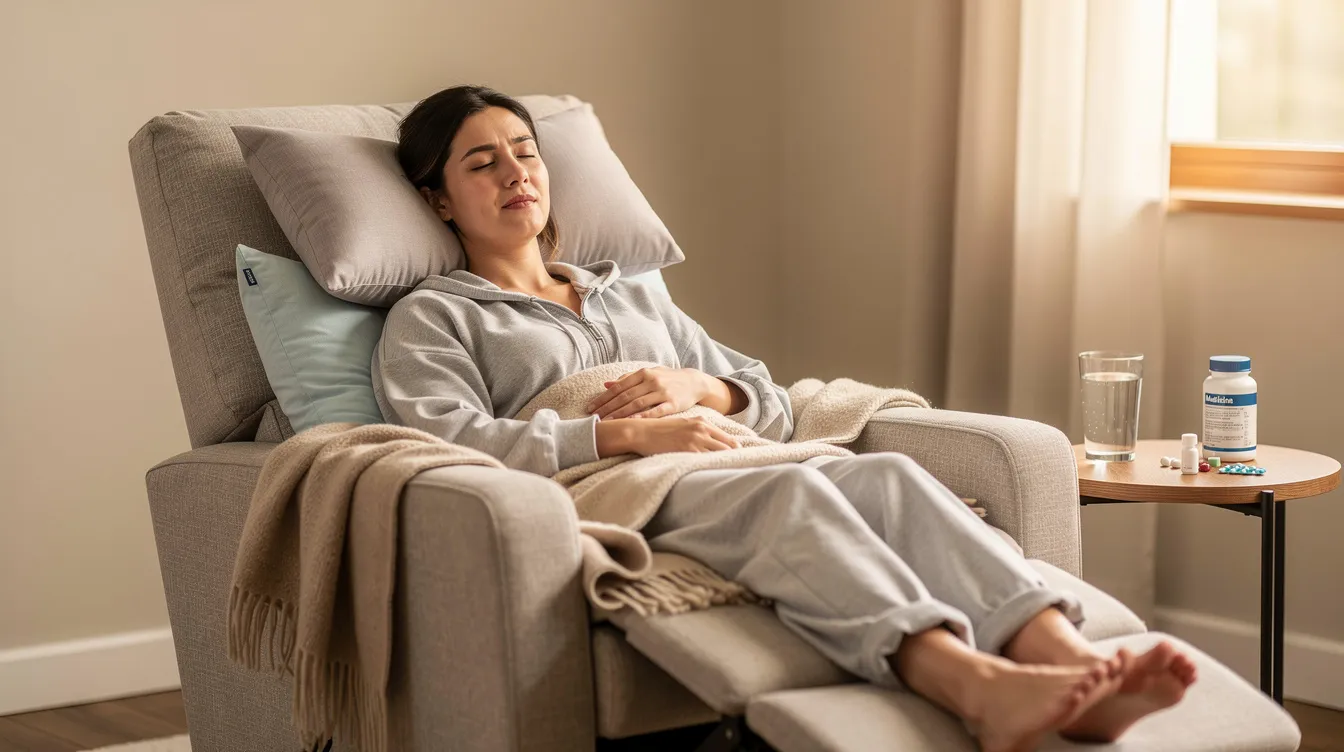
Breast Augmentation Swelling Timeline Day by Day (First Week)
The first week shows the most dramatic changes in swelling, discomfort, and breast shape. Here’s what to expect during each breast augmentation recovery day:
Day 0 (Surgery Day) You’ll wake from anesthesia feeling groggy with bandages or a compression garment in place. Early puffiness begins within 2-6 hours as anesthesia wears off. Breasts appear modestly enlarged, and mild oozing is normal.
Day 1 Swelling intensifies with progressive tightness and visible breast enlargement. Fluid buildup accelerates, making arm movement uncomfortable. Your surgical bra should stay on 24/7 to limit expansion. This marks the onset of peak swelling.
Days 2-3 (Peak Swelling) This is when breast augmentation swelling peaks. Breasts sit high and firm—often described as “bolted on”—and may appear 1-2 cup sizes larger than your final results. The chest muscles feel stretched, especially with under the muscle implants. Bruising also peaks during this window.
Days 4-5 Pain typically drops 50-70% with prescribed pain medication. Hardness persists, and you may notice asymmetrical swelling—one breast appearing more swollen or higher than the other. This is usually normal and resolves over time.
Days 6-7 Upper pole softening begins. Arm movement becomes slightly easier, and you’ll likely attend your first follow-up appointment. Your surgeon confirms your swelling pattern looks appropriate.
Throughout this initial recovery period, swelling should not suddenly explode in one breast, become rock hard and hot, or come with fever. These are red flags requiring immediate contact with your surgeon.
Week-by-Week Breast Augmentation Swelling Timeline (Weeks 2 to 8)
After the intense first week, swelling begins declining in a more predictable pattern. Here’s your breast augmentation swelling timeline through the initial healing phase:
Week 2 Upper chest tightness eases noticeably. Bruising starts fading from purple to yellow, and swelling redistributes lower on the breast as gravity pulls fluid downward. About 70-80% of patients can return to desk work with surgeon approval.
Weeks 3-4 Continued swelling reduction brings 50-70% improvement from peak levels. The drop and fluff process begins for many patients—implants start descending 1-2 cm as chest muscles relax. Cleavage begins looking more natural position, though residual swelling and firmness linger.
Weeks 5-6 Most day-to-day significant swelling is gone. Breasts feel less firm and the shape appears closer to final results. Many surgeons clear patients for light cardio at this stage. Some fullness remains in the lower pole.
Weeks 7-8 The majority of visible swelling resolves by this point for typical breast implants. Subtle puffiness around incisions or at the breast base may persist, but breasts look natural in regular clothing.
A normal breast augmentation swelling timeline is gradual. Improvements are often easier to see in side-by-side weekly photos than in the mirror, where daily adaptation makes changes hard to notice.
Months 3 to 12: Drop and Fluff and Final Breast Augmentation Results
Breast augmentation recovery doesn’t end at week 6. While initial swelling is most pronounced in the first week, some residual swelling can persist for up to six months as the body continues to adjust to the implants.
Months 3-4 The drop and fluff process refers to the settling of breast implants into their final position after surgery, which typically occurs over a period of 3-6 months. During this phase, implants descend into their natural position, the upper pole softens, and breast tissue loosens around the implants. Initially, after breast augmentation, implants may appear high and firm due to swelling, but as the drop and fluff process progresses, they soften and take on a more natural, curvy shape.
Months 5-6 Most residual swelling is gone for many patients. This is when breasts usually achieve their final breast shape in clothes and swimwear. During the drop and fluff process, as swelling decreases, the implants descend into a lower position, creating a more natural breast contour compared to the initial high placement seen immediately after surgery.
Months 7-9 Subtle swelling changes in implant positioning, softness, and nipple position may still occur. This is especially true with submuscular implant placement or larger implants over 400cc.
Months 10-12 Scars continue to fade through collagen remodeling. The breast mound, upper pole, and lower curve now represent your true final breast augmentation results.
Do not judge your final results based on the first 2-3 weeks. Your breasts settle into a more natural shape over months, not days.
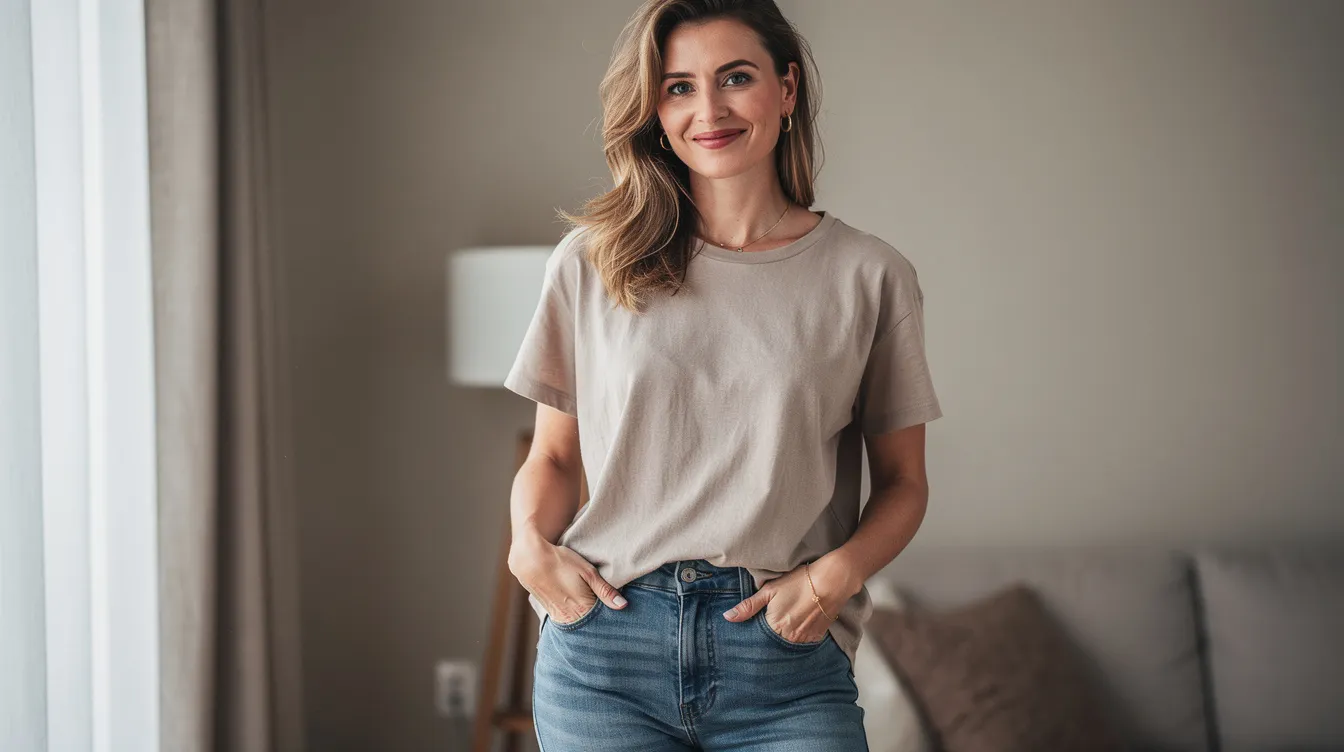
What Normal Swelling Looks and Feels Like
Normal breast augmentation swelling can look dramatic yet still be entirely expected. Understanding what’s normal helps prevent unnecessary worry during your recovery journey.
Early on, breasts often appear high, wide, and very round—especially with submuscular breast implants. This happens due to tight skin, muscle spasm, and concentrated swelling in the upper chest. Implants begin to settle over weeks, not days.
It is common for one breast to appear more swollen than the other during the initial recovery phase, as each side may heal at a different rate. This asymmetrical swelling is common during the recovery period after breast augmentation, often related to handedness or subtle vascular differences. As long as both sides gradually improve, this typically resolves naturally.
Common sensations include:
Tightness and heaviness
Breasts feeling tight and full
Mild burning sensations
“Zinger” nerve pains that come and go
Mild swelling around the ribs, underarms, and upper abdomen can occur from fluid tracking downward under gravity. This usually resolves on its own within 2-4 weeks.
Mild evening puffiness after a busy day is typical in the first 4-6 weeks. Swelling often worsens 10-15% by evening due to gravity and activity, then improves again by morning.
Factors That Influence Your Swelling Pattern
Not all patients follow the exact same breast augmentation swelling timeline. Several surgical and personal factors affect your experience:
Surgical Technique Submuscular implant placement generally causes more initial swelling than subglandular placement due to the disruption of deeper muscle tissues. Muscle disruption adds 25-50% more initial discomfort and edema, though the more natural position achieved long-term often justifies this trade-off.
Implant Size and Procedure Complexity Larger implants require more tissue stretching, which can lead to increased fluid collection and longer swelling duration. Revision surgery or combined procedures like a lift plus augmentation can increase swelling intensity by 30-50%.
Individual Biology Age, skin elasticity, hormone status, and your body’s natural tendency to retain fluid all play roles. Patients with tighter skin or minimal body fat may experience more visible and pronounced swelling changes following breast augmentation. Younger patients typically see faster swelling resolution by 1-2 weeks.
Lifestyle and Aftercare Strict use of a compression garment, proper rest, avoiding nicotine, and limiting early activity all help keep swelling controlled.
Diet and Medications Lifestyle factors such as high sodium intake, poor hydration, and smoking can exacerbate and prolong swelling after breast augmentation. Certain pain medicines may also contribute to fluid retention.
How to Reduce Swelling Safely During Breast Augmentation Recovery
Swelling cannot be eliminated, but you can minimize swelling significantly with consistent home care. To reduce swelling after breast augmentation, patients are advised to stay elevated, remain hydrated, and wear a compression bra, which helps support the healing process and minimize discomfort.
Strategy | How It Helps | Timing |
|---|---|---|
Compression garment | Limits fluid buildup, supports implant positioning | 24/7 for 4-6 weeks |
Elevated sleeping | Promotes fluid drainage via gravity | First 2-3 weeks minimum |
Cold compresses | Reduces surface swelling | First 48-72 hours |
Gentle movement | Improves circulation, prevents fluid pooling | Starting Day 1 |
Hydration | Helps flush anesthesia and reduce retention | Throughout recovery |
Low-sodium diet | Minimizes fluid retention | Throughout recovery |
Compression Garment Wearing the prescribed special surgical bra 24/7 for the first several weeks supports your new implants and limits fluid buildup. Compression garments are recommended to reduce fluid buildup following breast augmentation surgery.
Elevation and Sleep Position Sleeping in a semi-upright position is recommended to manage fluid during the recovery from breast augmentation. Maintaining an elevated sleeping position (30-45 degrees) is critical for fluid drainage during breast augmentation recovery. Use pillows or a recliner to keep your upper body elevated.
Cold Therapy Cold compresses can be applied around the breasts for 20-minute intervals to help manage swelling and discomfort during the first few days after surgery. Apply around—not directly on—the breasts, with 40 minutes off between applications.
Gentle Movement Gentle movement and light walking are encouraged to improve circulation but strenuous exercise should be avoided for 4-6 weeks after surgery. Short walks several times daily promote healing without disrupting recovery. Avoid heavy lifting and strenuous activities during this time.
Medication Adherence Follow your surgeon’s instructions for pain medication and anti-inflammatories. Following post-operative instructions closely, including avoiding heavy lifting and strenuous activities, is crucial for minimizing swelling and ensuring a smooth recovery after breast augmentation.
What’s Not Normal: When Swelling Means Call Your Surgeon
Most postoperative swelling is routine, but certain patterns signal complications requiring urgent evaluation. Trust your instincts—it’s always better to call and have reassurance than to ignore a warning sign.
Signs of Hematoma or Seroma
Sudden dramatic swelling of one breast
Severe new pain different from expected discomfort
Visible size difference appearing rapidly
A feeling of fluid sloshing inside the breast
Hematoma occurs in 1-5% of cases and requires evacuation within 24-48 hours to prevent tissue damage.
Infection Warning Signs
Fever over 101°F (38.3°C)
Increasing redness, warmth, or red streaks around the breast or incision
Discharge with unusual color or odor
Other Concerns Persistent, worsening swelling after the first 10-14 days—instead of gradual decrease—should be reported to your surgical team. Late-onset swelling appearing weeks or months later may suggest capsular contracture, implant rupture, or other implant-related issues.
Contact your surgeon promptly if you’re unsure whether your swelling falls within normal ranges. Abnormal swelling caught early is much easier to address.
Supporting a Smooth Breast Augmentation Recovery
Steady, well-managed swelling is a key part of reaching beautiful final augmentation results. Your body heals on its own timeline, but you can support proper healing with the right approach.
Attend All Follow-Up Visits Your surgeon monitors swelling, scar healing, and implant placement at scheduled appointments. These visits catch any issues early and confirm your recovery process is on track.
Track Your Progress Keep a simple recovery journal or take weekly photos to document subtle changes. Side-by-side comparisons reveal a noticeable improvement that daily mirror checks miss. This helps manage expectations and provides useful information for follow-up appointments.
Maintain Realistic Expectations Augmentation recovery is measured in weeks and months, not days. The breasts settle into their final position gradually—especially for full drop and fluff to complete. Most patients see 85% of their results by month 5-6, with refinements continuing through month 12.
Your successful recovery depends on following instructions, staying patient, and communicating openly with your surgical team. Bring all questions about your swelling timeline, compression garment use, and activity level to your pre-op consultation.

Frequently Asked Questions About Breast Augmentation Swelling
How long does it take for most of the swelling to go down?
Noticeable swelling usually improves significantly within 2-4 weeks, with the most dramatic swelling reduction in the first 14 days. Normal swelling after breast augmentation can last for several weeks, with some residual swelling potentially persisting for up to six months as the body adjusts to the implants. The majority of patients feel comfortable in regular clothes and light bras by 6-8 weeks, even while minor swelling and fine details continue changing.
Can one breast stay swollen longer than the other?
Mild asymmetry in swelling is very common, particularly in the first month. This often relates to natural differences in chest anatomy, dominant hand use, or variations in surgical dissection. As long as pain and redness are not increasing and both sides show gradual improvement, uneven swelling typically resolves on its own. Contact your surgeon if one breast suddenly becomes much larger, harder, hotter, or more painful.
Does wearing a compression garment really make a difference?
Yes—consistent use of the prescribed compression bra makes all the difference in controlling breast augmentation swelling, supporting tissues, and improving comfort. Compression helps implants stay in the desired position while internal tissues heal properly, especially in the early weeks. Do not substitute sports bras or underwire bras until your surgeon approves changing garments.
Will exercise make my swelling worse?
Early strenuous exercise increases blood flow and fluid accumulation, making swelling worse and potentially disrupting healing blood vessels and tissues. Most surgeons restrict high-impact activity, weight lifting, and upper body workouts for at least 4-6 weeks after breast augmentation. Light walking is encouraged early to promote healing, but any exercise plan should be cleared based on your specific recovery stage.
Can I speed up the drop and fluff process?
The drop and fluff timeline depends largely on individual anatomy, implant placement, and natural tissue relaxation—you cannot rush biology. Following all recovery instructions regarding compression garment use, sleep position, and activity limits creates the best environment for swelling resolves naturally. Avoid aggressive massage or unapproved techniques. Ask your surgeon if and when gentle implant massage is appropriate for your full recovery.
Learn more: Eyelid Surgery at Leva Medical
-2.jpg?width=2000&height=2000&name=Copy%20of%20YouTube%20Thumbnail%20-%20Life-Changing%20Cosmetic%20Surgery!%20(Document)-2.jpg)


