Learn more: Body Contouring at Leva Medical
Key Takeaways
Swelling after liposuction is a natural response as the body begins to heal and adjust to the removal of fat cells, typically peaking within the first 72 hours post-surgery
About 70% of liposuction swelling subsides within the first month, but final results can take three to six months to fully materialize
Wearing compression garments 24/7 for the first 3-6 weeks is critical for minimizing swelling and supporting tissue adaptation
Staying hydrated with 8-10 glasses of water daily helps flush excess fluids and mobilize the lymphatic system
Lymphatic drainage massages can significantly improve comfort and accelerate swelling reduction during recovery
You’ve made it through your liposuction surgery. The unwanted fat is gone, and you’re ready to see your new contours. But instead of the sleek results you envisioned, you’re looking at swelling, puffiness, and maybe some bruising.
This is completely normal. Swelling after liposuction isn’t a complication—it’s your body’s natural healing process in action. Understanding why it happens, how long it lasts, and what you can do to manage it will make your recovery period far less stressful.
Why Swelling Happens After Liposuction
The liposuction procedure involves creating small incisions and using a cannula to suction out fat. This process disrupts surrounding tissues, blood vessels, and lymphatic channels—triggering your body’s inflammatory response.
Here’s what’s happening beneath the surface:
Tissue trauma from the cannula: The mechanical movement of the cannula creates “tunnels” under the skin to dislodge and remove fat, triggering inflammation as the body attempts to repair these areas. Tissue trauma caused by the cannula can lead to inflammation and fluid accumulation in the surrounding tissues.
Tumescent fluid retention: The tumescent solution used during liposuction, which contains saline, anesthetic, and epinephrine, contributes to swelling as some of this fluid remains in the tissues after the procedure, adding to the initial post-operative swelling.
Inflammatory response: The body’s inflammatory response to liposuction sends fluids and inflammatory cells to the treated area, resulting in swelling, which is part of the body’s repair mechanism to promote healing by delivering essential nutrients and white blood cells to the affected tissues.
Lymphatic disruption: The lymphatic system may be temporarily disrupted after liposuction, impairing its ability to remove excess fluids and damaged cells. The lymphatic system can be temporarily damaged during liposuction, leading to fluid accumulation in treated areas due to overwhelmed lymphatic channels.

The Swelling Timeline: What to Expect
Understanding the liposuction recovery timeline helps set realistic expectations about when you’ll see your body contouring results.
First Week
Swelling after liposuction typically peaks within the first 72 hours post-surgery and begins to decrease significantly within a week. During the first week, you’ll experience the most noticeable fluid buildup, along with bruising and discomfort in the treated area. Pain medications may be prescribed to manage discomfort during this period.
Weeks 2-4
Most patients see significant improvement by the third or fourth week. The swelling transitions from soft and tender to a firmer consistency as your body begins absorbing excess fluids. About 70% of the swelling subsides within the first month.
Months 1-4
Most patients can expect swelling to last for three to four weeks, but in some cases, minor swelling may persist for up to four months after the procedure. Residual swelling gradually diminishes, and you’ll start seeing preliminary results.
Months 3-6
Final results from liposuction, including the complete resolution of swelling, can take three to six months to fully materialize as the body continues to adapt and heal. This is when your true body contouring results become visible.
How to Reduce Swelling Effectively
You can’t prevent swelling entirely—it’s your body responds to the surgical procedure. However, following your surgeon’s instructions and these evidence-based strategies will help ease swelling and promote optimal healing.
Wear Compression Garments Consistently
Surgical compression garments are typically recommended to be worn 24/7 for the first 3 to 6 weeks post-surgery, only being removed for showering. Wearing a compression garment consistently after liposuction is critical for minimizing swelling, reducing bruising, and supporting the tissues as they adapt to their new shape.
Compression garments help keep fluid buildup to a minimum and aid the body in reabsorbing the fluid, which decreases swelling and helps reveal the results of the procedure. The best results from compression garments come from those that reach both above and below the treated area, as basic shapewear does not provide the level of compression required for effective healing.
Stay Hydrated
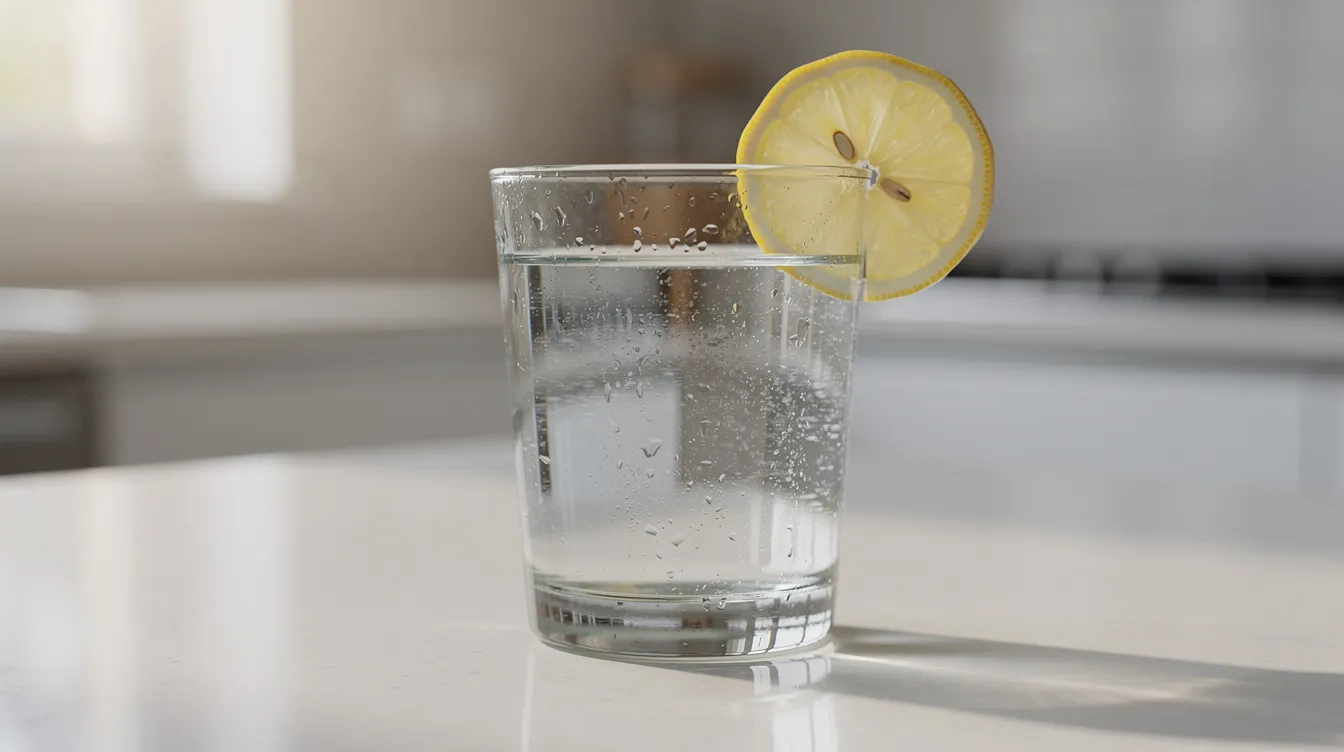
Proper hydration plays a major role in managing postoperative swelling, as water helps flush excess fluids and supports tissue repair. An adequate intake of hydration, specifically drinking 8 to 10 glasses of water daily, is essential to help flush out fluids used during liposuction and mobilize the lymphatic system.
Staying adequately hydrated helps keep your lymphatic system moving and flushes out excess fluid, which is particularly important during recovery from liposuction. After liposuction, it is recommended to hydrate with water rather than sports drinks, as the latter can contain high levels of sodium that may encourage water retention and increase swelling.
Apply Cold Compresses
Applying cold compresses to the treatment area for about 15 to 20 minutes every hour can help reduce swelling and bruising after liposuction. This simple technique provides relief during the initial recovery process while protecting skin integrity.
Elevate Affected Areas
Keeping the treatment areas elevated can minimize swelling by promoting drainage of excess fluid in the body after liposuction. When resting, position the areas treated above heart level whenever possible.
Gentle Movement and Light Activity
Gentle movement, such as light walking within the first 24 to 48 hours post-surgery, is essential to boost circulation and prevent fluid pooling. Avoid heavy lifting and intense exercise, but don’t remain completely sedentary. Light activity promotes blood flow and supports lymphatic drainage.
Wearing prescribed compression garments, staying hydrated, and engaging in light activity are recommended practices to manage swelling after liposuction.
Consider Lymphatic Drainage Massages
Lymphatic drainage massage is designed to stimulate the lymphatic system to help move fluid and toxins out of the body. This type of massage uses light, directional strokes to guide excess fluid toward lymph nodes, where it can be processed and removed.
Many patients report improved comfort and faster swelling reduction after incorporating lymphatic drainage sessions into their recovery plan. Consult your board certified plastic surgeon or board certified cosmetic surgeon before scheduling these treatments.
Use Anti-Inflammatory Medications Appropriately
Over-the-counter non-steroidal anti-inflammatory drugs (NSAIDs) like ibuprofen and naproxen can help reduce swelling and minimize discomfort after liposuction, once cleared by a doctor. Always follow post operative instructions regarding when to start these medications.
Follow an Anti-Inflammatory Diet
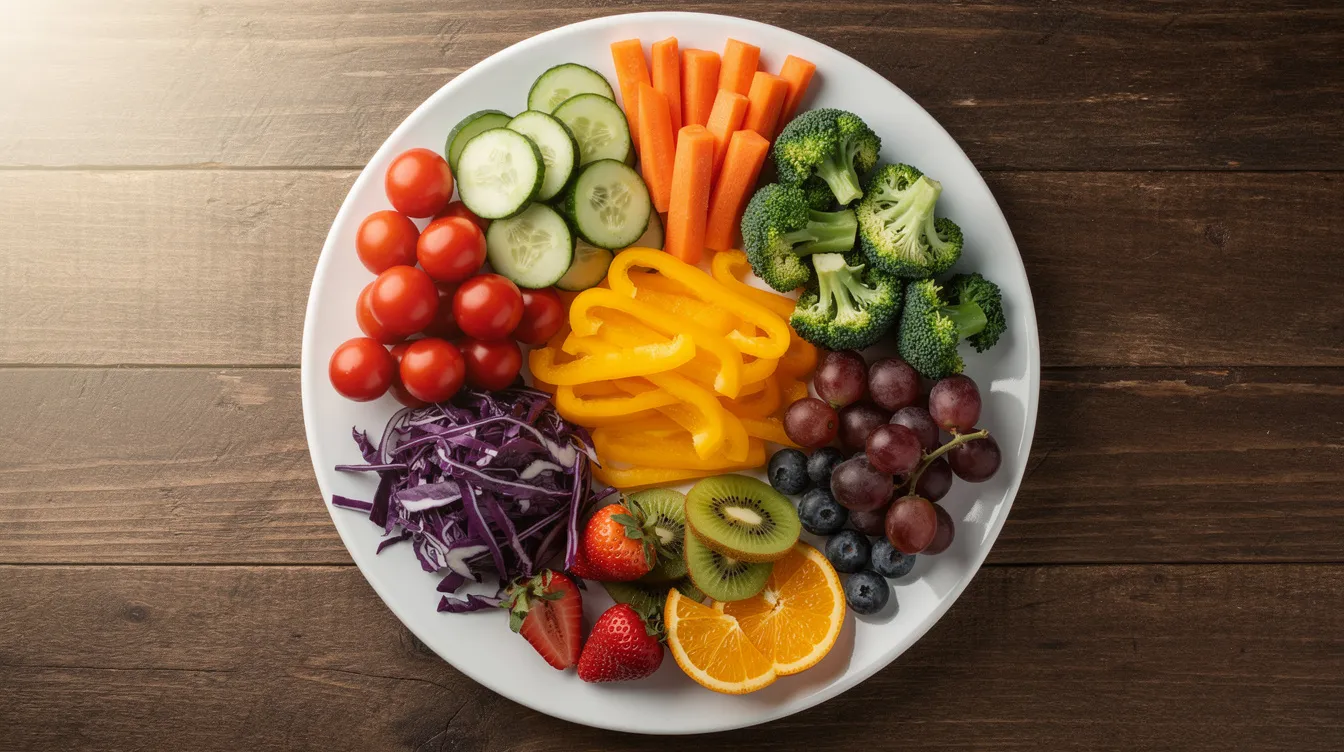
A diet low in sodium and rich in anti-inflammatory foods contributes to minimizing swelling and promoting healing after liposuction. Watch your salt intake and focus on whole foods that reduce inflammation.
Factors That Affect How Long Swelling Lasts
Swelling is influenced by individual factors such as the extent of the procedure and the patient’s natural healing ability. Several variables impact your individual healing response:
Factor | Impact on Swelling |
|---|---|
Treatment size | Larger treatment areas or multiple areas targeted in a single session may result in more pronounced swelling |
Fat volume removed | Larger treatment areas or the removal of high volumes of fat generally result in more significant and longer-lasting swelling after liposuction |
Technique used | Gentler liposuction techniques like VASER-assisted methods often produce less initial trauma and swelling compared to traditional techniques |
Lifestyle habits | High sodium intake, smoking, and alcohol can exacerbate fluid retention and slow the healing process after liposuction |
Individual biology | Your body’s unique inflammatory response and healing capacity |
Maintaining a healthy lifestyle before and after cosmetic surgery supports a smoother recovery and optimal results.
Normal vs. Concerning Swelling
Liposuction swelling is expected. However, contact your cosmetic surgeon immediately if you experience:
Severe pain that worsens rather than improves
Signs of infection (fever, increasing redness, unusual discharge)
Asymmetrical swelling that continues worsening after the first week
Shortness of breath or chest pain
As an outpatient procedure, liposuction requires vigilant post operative care at home. When in doubt, reach out to your care team.
Moving Forward with Patience
Recovery from liposuction is a gradual process. The swelling you see in the first few weeks isn’t an indication of your final results—it’s simply your body doing its job. Most patients find that patience, combined with consistent adherence to post operative instructions, leads to excellent outcomes.
Focus on what you can control: wear compression garments as directed, stay hydrated by drinking plenty of water, keep up with gentle movement, and give your body the time it needs to reveal the results you envisioned.
FAQ
How long does swelling last after liposuction on the stomach?
Abdominal liposuction typically produces more swelling than other surgeries targeting different body areas due to the larger treatment area. While the fourth week often shows major improvement, many patients experience residual swelling in the stomach area for three to four months. Complete settling may take up to six months.
Can I speed up swelling reduction with more lymphatic drainage massages?
While lymphatic drainage massages can help, more isn’t always better. Your cosmetic surgeon will provide guidance on the appropriate frequency. Typically, sessions begin a few weeks after surgery and are spaced out to allow the body to process fluid between treatments.
Why does my swelling seem worse some days than others?
Fluctuating swelling is normal during liposuction recovery. Factors like fluid retention from dietary choices, activity level, and even weather can cause day-to-day variations. As long as the overall trend shows improvement over weeks, occasional fluctuations aren’t concerning.
When can I stop wearing my compression garment?
Most surgeons recommend wearing compression garments for 3-6 weeks, though this varies based on the extent of your procedure and your individual healing response. Never discontinue wear before receiving clearance from your surgeon, as premature removal can increase swelling and affect your final results.
-2.jpg?width=2000&height=2000&name=Copy%20of%20YouTube%20Thumbnail%20-%20Life-Changing%20Cosmetic%20Surgery!%20(Document)-2.jpg)


