If you’ve been researching surgery for hooded eyes before and after photos, you already know the transformation can be remarkable. Upper blepharoplasty remains the gold standard for correcting excess upper eyelid skin that droops over the natural crease, creating that characteristic heavy, tired appearance. Many patients—particularly in NYC—focus on achieving a natural, refreshed, and well-rested appearance from eyelid surgery rather than a dramatically different look.
This guide walks you through exactly what to expect: from understanding how hooded eyes change after surgery to navigating recovery, risks, and how to evaluate a surgeon’s photo gallery.
Learn more: Body Contouring at Leva Medical
Key Takeaways
Upper lid blepharoplasty is the primary surgical procedure for hooded eyes, typically performed as a 30–60 minute outpatient procedure under local anesthesia.
“Before” hooded eyes often show excess upper lid skin, droopy upper eyelids, difficulty applying eye makeup, and sometimes reduced peripheral vision; “after” photos usually reveal a visible crease, brighter eyes open, and long lasting results.
Results depend on factors like age, skin quality, and whether procedures such as ptosis repair, fat repositioning, or a brow lift are performed simultaneously.
Recovery is progressive: major changes occur in the first 2–4 weeks, with final eyelid contour visible around 3–6 months.
Choosing a board-certified oculoplastic or facial plastic surgeon who displays clear before and after galleries is essential for safe, natural looking results.
How Hooded Eyes Look Before and After Upper Blepharoplasty
“Hooded eyes” describes a condition where excess upper eyelid skin folds over the lash line or natural eyelid crease. This can occur genetically in patients as young as their late 20s or develop from upper eyelid aging starting in the 40s as collagen depletes and brows descend.
Typical “before” features include:
Heavy upper eyelids with skin resting on or touching the lashes
Narrowed eye opening that makes eyes appear smaller
Lateral (outer corner) drooping that creates a sad or sleepy demeanor
Difficulty seeing the upper lid for eyeshadow application
A chronically tired appearance despite adequate rest
The appearance of hooded eyes can obscure the natural shape of the eyes, making them look narrower and less expressive, which can impact self-image significantly.
Typical “after” features at 3 months include:
Smoother upper lid contour with a defined but conservative crease
Reduced heaviness at the outer corner
Better lash-line visibility
Eyes appearing more open and alert
Preservation of ethnicity and fundamental eye shape
Before-and-after results of eyelid surgery often show more visible eyelid space and a reduction in the tired or sleepy look. Functional changes matter too—many patients report less forehead strain from no longer constantly lifting their brows to see, plus clearer peripheral vision in cases where loose skin was blocking sight.
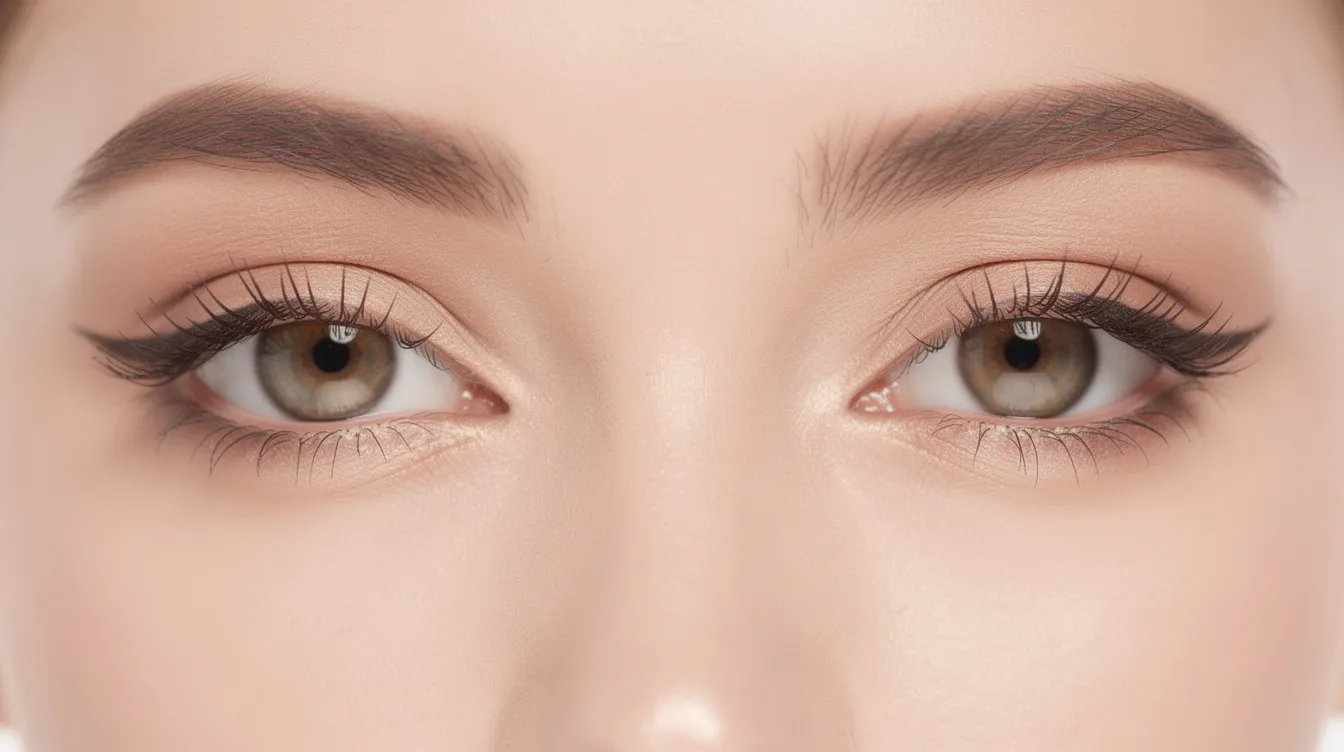
Official post-operative photography is typically taken at standardized intervals: pre-op, 1 month, 3 months, and 6 months. The subtle, progressive changes rather than dramatic “unrecognizable” transformations reflect realistic expectations.
Why People Choose Eyelid Surgery for Hooded Eyes
Upper blepharoplasty and related eyelid surgery address both cosmetic and functional concerns. Understanding these motivations helps set appropriate expectations.
Aesthetic motivations:
Wanting eyes that match one’s actual energy level
Correcting a perpetual “sad” or “sleepy” expression
Improving facial balance by unburdening the upper face
Creating space on the lid platform for eye makeup application
Hooded eyelids can affect facial balance and create an impression of tiredness, as the extra skin folds over the upper eyelids, leading to a droopy appearance that feels disconnected from how patients actually feel.
Functional motivations:
Heavy upper eyelid skin interfering with vision (especially reading or night driving)
Droopy eyelids causing chronic brow fatigue or tension headaches
Contact-lens-related mechanical ptosis that lowers the upper lid margin below safe thresholds
Age and genetics factors:
Some patients see hooding from their late 20s due to shallow orbits or prominent brows in familial patterns
Others notice age-related hooding from early 40s onward due to skin laxity and brow descent of 2–4 mm per decade
Consider a 45-year-old patient with familial hooding who gained a visible crease and easier makeup application after upper lid blepharoplasty—this represents a typical case where both aesthetic and practical benefits align.
Types of Blepharoplasty Surgery for Hooded Eyes
“Blepharoplasty surgery” encompasses several related procedures. For hooded upper eyelids, upper lid blepharoplasty is most common, though combinations are frequent.
Upper Blepharoplasty / Upper Lid Blepharoplasty
This procedure involves removing excess skin and sometimes a conservative amount of orbicularis muscle or fat from the upper eyelids. Key details:
Incision hidden within the natural crease
Removes 8–15 mm of skin tailored to leave adequate lid height
Often performed under local anesthesia with optional sedation
Takes approximately 30–45 minutes bilaterally
Blepharoplasty surgery corrects hooded eyes by removing excess skin that droops over the upper eyelids, enhancing the eyelid contour through a series of precise steps.
Lower Blepharoplasty
Used when hooded upper lids are accompanied by under eye bags or dark circles, this procedure can involve:
Fat repositioning to fill a tear trough
Skin pinch technique to address festoons
Transconjunctival approach (hidden incision inside the lid)
Upper and lower blepharoplasty performed together for comprehensive rejuvenation
Ptosis Repair
When saggy eyelids result from weak levator muscle function rather than just excess skin, upper eyelid ptosis repair is combined with lid blepharoplasty. This procedure:
Raises the lid margin to a safer, more symmetrical height
Measures margin reflex distance (MRD1) to quantify droop
Advances or plicates the lifting muscle for 1–3 mm of elevation
Achieves approximately 95% symmetry in skilled hands
Upper eyelid ptosis surgery and droopy eyelid ptosis surgery address the muscle weakness component that skin removal alone cannot fix.
Adjunct Procedures
Correcting hooded eyes through cosmetic procedures can enhance the eyelid contour, improve facial harmony, and boost self-confidence by providing a more youthful appearance. Common adjuncts include:
Lateral brow lift or internal browpexy for brow descent
TCA chemical peel or laser for fine wrinkles
Fat transfer or fat repositioning for upper eyelid hollowness
Lacrimal gland repositioning when lacrimal gland prolapse contributes to fullness
The Blepharoplasty Procedure Step-by-Step
Understanding the chronological flow of upper eyelid surgery helps patients feel prepared and reduces anxiety.
Pre-Operative Markings
The surgeon marks the intended crease and skin to be removed while the patient sits upright. This ensures:
Appropriate crease height (typically 7–9 mm above lash line)
Enough skin remains for comfortable eye closing
Symmetry between both eyelids
Anesthesia Details
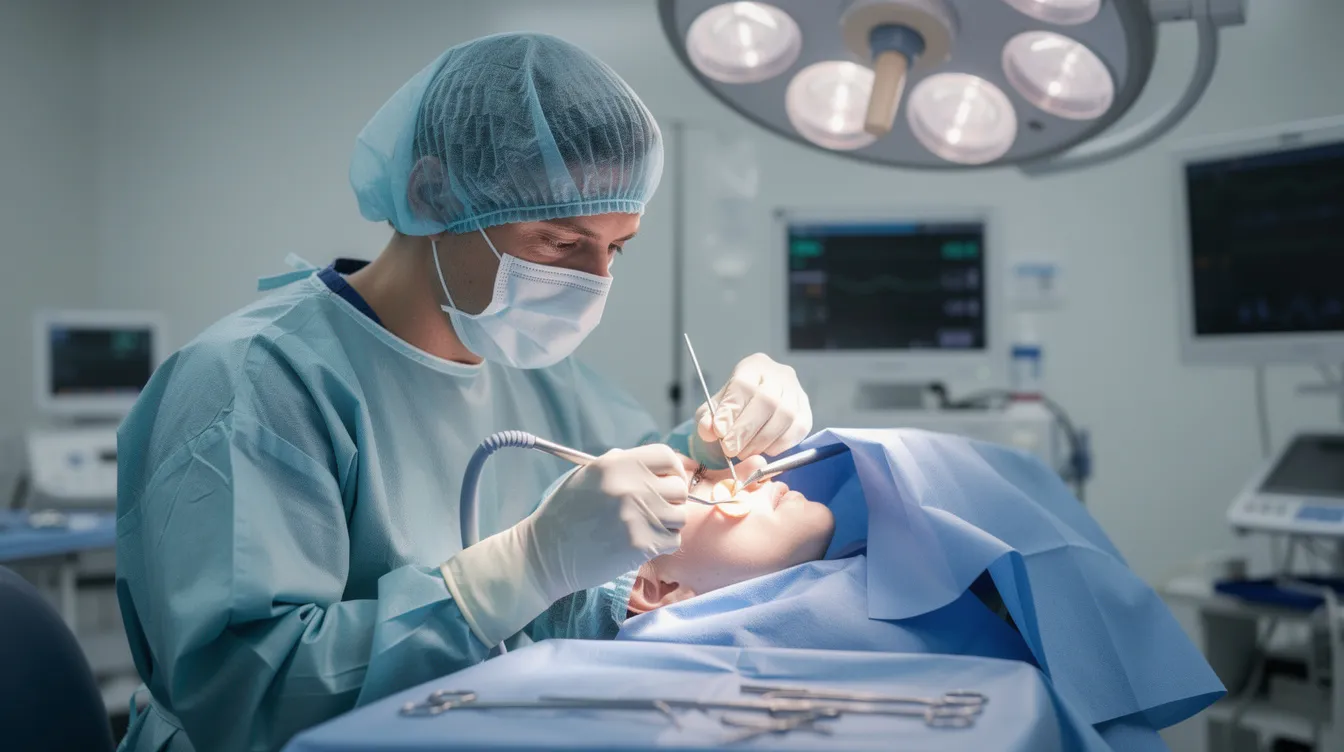
The procedure typically takes about 30-45 minutes and is performed as an outpatient surgery, allowing patients to return home the same day. Anesthesia options include:
Procedure Type | Typical Anesthesia |
|---|---|
Upper blepharoplasty alone | Local anesthetic + oral sedation |
Combined upper and lower | IV sedation or light general |
Extensive combination | General anesthesia |
Local anesthesia uses lidocaine with epinephrine for numbing and reduced bleeding.
Incision and Tissue Removal
Incisions for blepharoplasty are strategically placed to remain hidden in the eyelid’s natural folds, which helps enhance the recovery appearance. The process involves:
Precise incision along the marked crease line
Careful dissection to expose underlying tissues
Conservative removal of skin, muscle, and fat as needed
Modern techniques favor fat repositioning over aggressive removal to prevent hollowing
For cosmetic upper blepharoplasty and lower blepharoplasty combinations, the lower lid may use a transconjunctival approach with no visible external scar.
Closure and Immediate Result
Very fine sutures (6-0 silk or monocryl) close the incision within the crease. Immediately after:
Lids appear tighter but swollen
Cold compresses are applied before discharge
Patients go home same-day after brief observation
Erythromycin ointment protects the incisions
Before Surgery: Candidacy and Preparation
Realistic expectations and good general health are fundamental for safe, rewarding outcomes from droopy upper eyelid surgery.
Candidacy Criteria
Ideal candidates demonstrate:
Stable overall health without uncontrolled conditions
No bleeding disorders or coagulopathies (INR <1.5)
Absence of severe dry eye disease (Schirmer’s test >5mm)
Non-smoker status or willingness to quit 4 weeks before and after
Identifiable upper lid hooding on clinical examination
Consultation Process
To mitigate risks during blepharoplasty, a thorough pre-operative consultation is essential to assess individual health and surgical needs. During consultation:
Bring “before” reference photos of your eyes at a younger age
Discuss whether ptosis repair, a brow lift, or other procedures are needed
Review the surgeon’s cosmetic eyelid surgery photos specific to hooded eyes
Undergo phenylephrine testing if ptosis is suspected
Specialized oculoplastic surgeons are often sought after for their expertise in eyelid anatomy and can minimize asymmetries while ensuring incisions heal invisibly.
Pre-Operative Instructions
Timeline | Action |
|---|---|
10 days before | Stop aspirin, NSAIDs, blood-thinning supplements |
1 week before | Arrange transportation home |
Day before | Set up cold compresses, prescribed ointments |
Surgery day | Allow 5–10 days off work depending on job demands |
Expectation Setting
Initial swelling and bruising are completely normal. Scars hide in the crease and fade significantly by 6–12 months. Final “after” results take weeks to months—not days.
After Surgery: Recovery Timeline and Long Lasting Results
This practical timeline outlines what patients typically experience from day 1 to 6 months following the surgical procedure.
First 48–72 Hours
Recovery from upper blepharoplasty typically involves 10-14 days of swelling and bruising, with most patients returning to work within this period. The initial phase includes:
Swelling peaks during this window
Mild to moderate bruising appears
Tightness when closing the eyes
Cold compresses can be applied to the eyes in the first few days post-surgery to help minimize swelling and discomfort following blepharoplasty
Patients are advised to keep their head elevated during the initial recovery period to reduce swelling and promote healing after eyelid surgery
Many surgeons schedule a check-up within the first week to monitor healing.
Days 7–14
Post-operative care after blepharoplasty is crucial for optimal recovery and includes following specific instructions provided by the surgeon. During this phase:
Stitches (if non-dissolvable) are removed around day 5–7
Bruising transitions from purple to yellow
Patients feel comfortable returning to desk work
Light activities resume
Makeup may help camouflage residual healing
Weeks 3–6
Most swelling and bruising from upper blepharoplasty subside around 80% in 2-4 weeks. By this stage:
“After” appearance is good enough for events and cosmetic eyelid procedures photos
Scars soften and fade into the crease
Patients notice reduced brow strain
A more open, refreshed look emerges
Return to botox and other maintenance treatments becomes possible
Months 3–6
Final crease definition and eyelid contour become apparent:
Residual numbness or firmness resolves
Official “after” documentation photos typically taken
Results can be long lasting for 7–10 years or more
Natural aging continues but from a refreshed baseline
85% of patients retain results without reoperation in 10-year studies

Risks, Complications, and How to Reduce Them
Blepharoplasty surgery is common with high satisfaction rates when performed by experienced surgeons, but understanding potential risks helps patients make informed decisions.
Common, Temporary Issues
Bruising and swelling (expected, resolves in weeks)
Mild asymmetry in early healing (often self-corrects)
Temporary dryness or tearing (affects ~40%, typically resolves by 3 months)
Visible red incision lines (fade gradually)
Less Common but Serious Complications
Common risks associated with blepharoplasty include infection, bleeding, and adverse reactions to anesthesia. Additional concerns include:
Retrobulbar hematoma (rare, ~0.1%, requires emergency treatment)
Significant asymmetry requiring revision
Over- or under-correction
Difficulty closing eyes fully (lagophthalmos)
Visible scarring outside the crease
Patients may experience complications such as uneven eyelids or persistent drooping if the surgery is not performed accurately.
Risk Reduction Strategies
Strategy | Benefit |
|---|---|
Thorough medical history | Identifies contraindications |
Board-certified surgeon | Halves revision rates to 2–4% |
Following pre/post-op instructions | Optimizes healing |
Prompt reporting of concerning symptoms | Enables early intervention |
Revision surgery for fine-tuning should typically be delayed until at least 3–6 months after the original surgical procedure.
Combining Eyelid Surgery with Other Rejuvenation Procedures
Many patients with hooded upper eyelids benefit from addressing nearby structures simultaneously for comprehensive youthful eye appearance.
Brow Lift and Internal Browpexy
Upper blepharoplasty is often combined with a lateral brow lift to enhance the youthful appearance by lifting sagging brows and smoothing fine lines. Options include:
Temporal brow lift via pretrichial incisions (4mm elevation)
Internal browpexy through the blepharoplasty incision (2mm lift)
Endoscopic approaches for more extensive lift
These address lateral hooding that skin removal alone cannot correct.
Lower Blepharoplasty and Fat Repositioning
Repositioning lower-lid fat over the orbital rim:
Smooths the lid-cheek junction
Corrects tear trough hollowing
Creates balanced “before and after” transformation
Often performed alongside upper lid surgery
Skin Resurfacing
TCA chemical peel ablates 50–100 μm for collagen stimulation
Fractional CO2 laser targets fine lines and pigmentation
May be staged or combined depending on skin type
Injectables and Fillers
Fat transfer can be used alongside upper blepharoplasty to restore volume in the eyelid area, creating a more harmonious appearance. Additional options:
Botox (10–20 units) for crow’s feet
Upper eyelid filler injection for volume restoration
Hyaluronic acid fillers (0.3–0.5ml) for tear trough
Temple filler for improved brow support
These complement surgical lifting while preserving natural expression.
Non-Surgical Alternatives for Mild Hooded Eyes
While eyelid lift surgery offers the most predictable, long lasting results for true hooding, some patients with mild changes prefer non-surgical options first.
Botulinum Toxin (“Chemical Brow Lift”)
Small injections in specific brow muscles can:
Subtly elevate the tail of the brow
Reduce lateral hooding temporarily
Last approximately 3–4 months
Defer surgical need by 2–5 years in mild cases
Energy-Based Skin Tightening
Radiofrequency or ultrasound treatments:
Stimulate collagen through controlled dermal heating
Modestly tighten skin around upper lid and brows
Require multiple sessions
Contract skin approximately 20–30% in ideal cases
Dermal Fillers
Non-surgical treatments, such as dermal fillers, can effectively rejuvenate the eye area by reducing under-eye hollows and providing a slight lift to the upper eyelids. Strategic placement options include:
Brow and temple for improved support
Upper cheek for midface lifting
Tear trough for under eye bags correction
Important Limitations
Non-surgical options cannot remove excess skin and therefore cannot replicate upper blepharoplasty results. They may:
Delay surgical need
Enhance surgical outcomes when combined
Achieve approximately 30% of surgical equivalence at best
For true hooding with significant loose skin, cosmetic eyelid surgery remains the definitive solution.
What to Look for in Before and After Photos
Online photo gallery collections are one of the most useful tools when researching upper eyelid surgery for hooded eyes.
Consistency
Look for images with:
Similar lighting, angles, and expressions
Standard intervals (before, 1 month, 3–6 months after)
Neutral facial positions without brow raising
Matching camera distances
Subtlety and Natural Shape
Focus on cases demonstrating:
Preserved eye shape and ethnic features
Natural crease position (typically 8–10mm)
No “surprised” or over-pulled appearance
Beautiful woman and young man examples across demographics
Range of Cases
Check that the surgeon shows:
Both men and women patients
Various ages (30s through 70s)
Different degrees of hooding
Combined cases with ptosis repair or lower blepharoplasty
Cases demonstrating correct hooded eyes outcomes
Scars and Symmetry
Examine closely for:
Hidden crease-line placement
Upper lid symmetry (<1mm variance)
Invisible scars when eyes open
Appropriate MRD1 (4–4.5mm from pupil to lid margin)
FAQ: Surgery for Hooded Eyes Before and After
How long after upper blepharoplasty will I see my final “after” results?
Most patients see major improvement by 2–4 weeks as swelling subsides, but incision pinkness and subtle firmness can continue improving up to 3–6 months. Official “after” photos for surgeon galleries are typically taken around the 3-month mark when approximately 90% of edema has cleared and crease definition has stabilized.
Will upper eyelid surgery change my eye shape or ethnic appearance?
When performed conservatively by an experienced surgeon, upper lid blepharoplasty should not fundamentally alter your eye’s shape or erase ethnic features. The goal is removing excess skin and revealing your natural eyelid crease while preserving your identity. Asian patients, for example, can maintain their characteristic lid structure while addressing hooding.
Is upper blepharoplasty covered by insurance if my hooded eyes affect my vision?
Coverage varies by insurer and region but typically depends on functional testing—such as Humphrey visual field tests showing >30% superior field obstruction from the upper lid—and standardized medical photography. Purely cosmetic surgery is usually not covered. Documentation from your ophthalmologist strengthens medical necessity claims.
How long do results from upper eyelid surgery for hooded eyes last?
While aging continues naturally, many patients enjoy results lasting 7–10 years or longer. Lifestyle factors significantly impact longevity: sun protection, not smoking, maintaining stable weight, and consistent skin care help preserve outcomes. Some patients never require revision, while others may consider touch-up procedures a decade later.
Can I wear contact lenses and eye makeup after blepharoplasty?
Most surgeons allow return to contact lenses around 1–2 weeks post-surgery once swelling has decreased sufficiently. Eye makeup typically resumes at about 2 weeks when incisions have sealed adequately. Always follow your surgeon’s specific timeline—premature use risks irritation or infection during the critical healing window.

-2.jpg?width=2000&height=2000&name=Copy%20of%20YouTube%20Thumbnail%20-%20Life-Changing%20Cosmetic%20Surgery!%20(Document)-2.jpg)


