If you're researching ways to reduce fullness beneath your chin, this guide covers everything you need to know about submental liposuction, from candidacy and procedure details to recovery timelines, costs, and how it compares to alternatives like a neck lift or non-surgical treatment. Double chin liposuction is a minimally invasive and popular cosmetic surgery that can permanently reshape the chin and neck area in a single session.
Key takeaway: Submental liposuction removes excess fat under the chin to create a more defined jawline, but outcomes depend heavily on skin elasticity, patient age, and whether loose skin or muscle banding also need to be addressed.
Learn more: Body Contouring at Leva Medical
Overview of Submental Fat and Double Chin
Submental fat is the adipose tissue that sits beneath the chin, above the platysma muscle. When this fat accumulates, it creates the familiar double chin appearance. The cosmetic goals of chin liposuction are to sculpt a sharper cervicomental angle, enhance the jawline contour, and reduce fullness in the submental area to improve the side profile.
Genetics play a significant role in where the body stores fat, and some people develop submental fullness regardless of their overall weight. Aging compounds the issue through declining collagen and elastin, weakening of the platysma muscle, and gravitational sagging of skin in the neck area. These factors together determine whether liposuction alone will deliver the desired youthful appearance or whether additional methods are needed.

Who Is a Candidate for Chin Liposuction
The procedure is suitable for healthy adults with localized fat under the chin. Patients of any age and gender can be candidates, though ideal candidates are of normal weight with localized fat rather than generalized obesity. Excess fat under the skin must be the main issue rather than significant muscle banding or severe skin redundancy.
Ideal candidacy criteria include:
Mild to moderate submental fullness
Good skin elasticity (elastic skin allows the neck to contract smoothly after fat removal)
Stable body weight
Non-smoker status - patients should not smoke to be considered for surgery
No uncontrolled medical conditions
Candidates should have good skin elasticity for optimal results because the skin must retract after fat cells are removed. Clinical data shows the neck and cheek region tends to have better skin retractability than the torso, which works in favor of most patients seeking this procedure.
Medical conditions that may contraindicate surgery include uncontrolled diabetes, bleeding disorders, cardiac disease, a history of keloid scarring, and psychiatric conditions that could lead to unrealistic expectations. A thorough review of the patient's medical history during the initial consultation helps determine candidacy.
Preoperative Evaluation and Consultation
During the physical examination, the surgeon should assess neck anatomy and skin laxity by evaluating fat distribution (pre-platysmal vs. subplatysmal), checking for platysmal bands, and measuring the cervicomental angle at rest and with neck extension. Chin projection and mandibular border definition also factor into the surgical plan.
Photographing the neck from multiple angles is standard practice. This includes frontal, left and right profile, three-quarter, chin up, and chin down views under consistent lighting. These images help track outcomes and set realistic expectations.
Patients should discuss expectations and results with their surgeon during consultations. A helpful checklist includes:
What realistic improvement can I expect for my anatomy?
Which liposuction technique will you use?
What anesthesia is planned?
What is the expected recovery timeline?
Can I see before-and-after photos of similar cases?
What are the specific risks for my case?
Procedure Details for Submental Liposuction
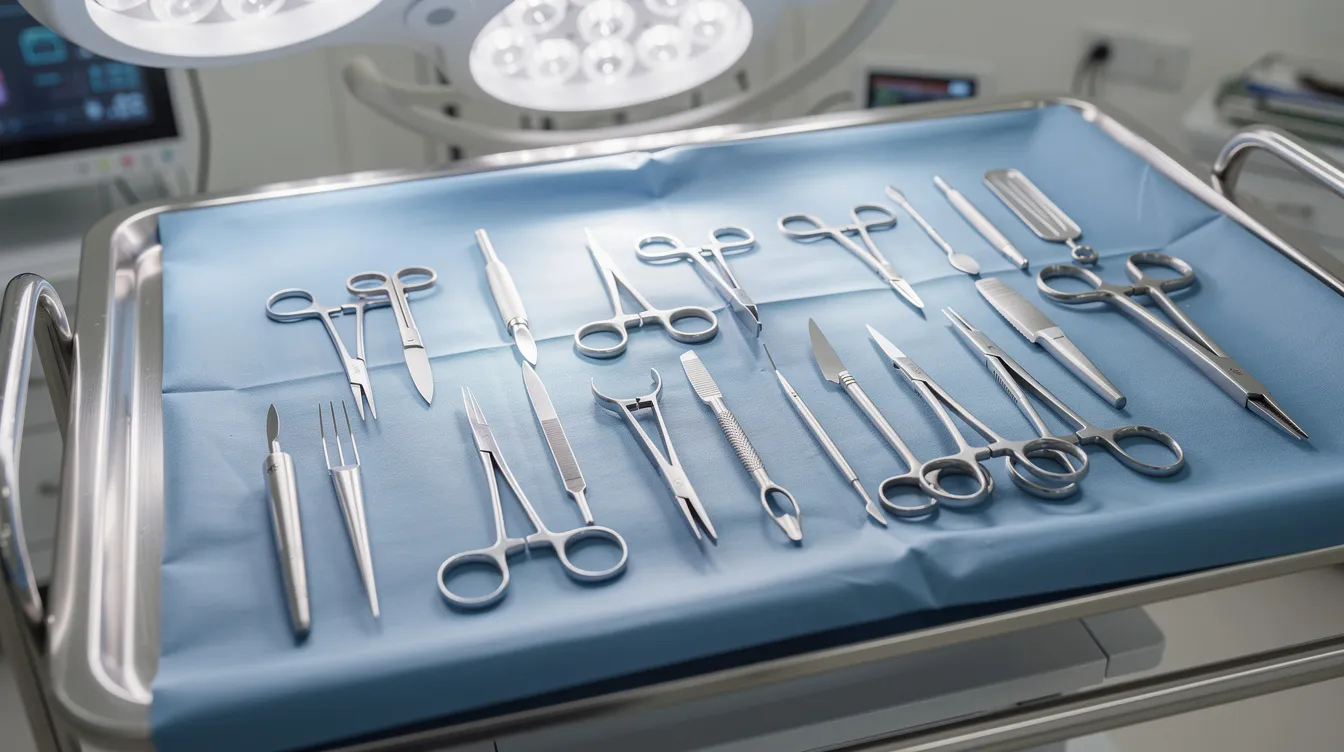
The submental liposuction procedure is typically performed in an outpatient surgical center. The outpatient treatment typically lasts about 30 to 60 minutes when done as a standalone procedure, though the procedure typically takes 30 minutes to 2 hours depending on complexity and whether it's combined with other cosmetic procedures.
Incision placement strategy focuses on hiding small incisions in the submental crease beneath the chin, with possible additional access points along the jawline. Common liposuction modalities to compare include:
Technique | Key Advantage | Consideration |
|---|---|---|
Tumescent | Widely used, reliable | Standard approach |
Power-assisted (PAL) | Better for fibrous fat | Slightly larger incisions |
Ultrasound-assisted (UAL) | Can emulsify fat | Risk of thermal injury |
Laser-assisted (LAL) | Some skin tightening effect | Burn risk |
Microcannula | Precise, less trauma | Preferred for facial work |
How Submental Liposuction Is Performed
The procedure is minimally invasive and often done under local anesthesia. Anesthesia is typically local or twilight anesthesia for comfort during the procedure, with IV sedation added when patients prefer deeper relaxation. After tumescent solution is infiltrated to numb the area and reduce bleeding, the surgeon inserts a blunt cannula through a small incision and removes targeted fat in a crisscross pattern to ensure even contouring beneath the skin.
The surgeon keeps the cannula in the superficial pre-platysmal plane to avoid deeper structures while removing enough fat to produce visible improvement without creating depressions or contour irregularities.
Incision, Cannula, and Technique Variations
Submental liposuction is performed through a small incision under the chin, typically placed in the natural submental crease where it becomes virtually invisible once healed. When using microcannulas (16-20 gauge), the incision site can be as small as 1-3mm.
Microcannula techniques are favored for facial work because they cause less tissue trauma, fewer surface irregularities, and reduced downtime compared to larger instruments. Power-assisted liposuction offers advantages in fibrous tissue but may require slightly larger access points.
Anesthesia and Operative Setting
Local anesthesia alone is recommended when the surgical procedure is limited to submental fat removal in a patient who tolerates mild discomfort. Adding IV sedation is appropriate for anxious patients or when treating a broader area of the lower face and chin and neck.
General anesthesia is indicated when submental liposuction surgery is combined with more extensive operations like a facelift or full neck lift, or when patient safety requires airway control.
Recovery, Aftercare, and Timeline
Patients can return home the same day after surgery. Immediate postoperative care includes:
A compression garment applied under the chin to reduce swelling and support contour
Keeping the head elevated to minimize edema
Ice packs during the first few days
Prescribed medications for pain management
Keeping the incision site clean and dry
A compression garment may be worn to aid recovery, typically for 18 to 36 hours with microcannula techniques, or up to two weeks with larger cannulas or combined procedures. Recovery involves mild bruising and swelling that usually resolves in 1 to 2 weeks.
Activity restrictions by week:
First week: Rest, limit neck movement, gentle walking only. Avoid bending or exercise that elevates blood pressure.
Weeks 2-3: Light activities resume. Avoid lifting over 10 pounds or vigorous cardio.
Weeks 4-6: Gradually return to full exercise and normal routine.
Most patients resume daily activities within days post-surgery. Recovery typically takes about one to three months for full healing and final results.
Expected Results and When to See Final Outcome
Swelling and bruising usually dissipate within one week, and patients can see results within a week after the procedure as initial contours begin to emerge. Patients see visible improvement within one week post-liposuction, though moderate swelling may linger for four to six weeks.
Final contour results may take several weeks to fully appear as swelling subsides. Most patients expect to see their final results by three to six months, with minor refinements continuing up to twelve months in some cases.

Neck Lift Versus Chin Liposuction for Double Chins
The choice between these procedures hinges on whether the primary concern is excess fat, excess skin, or both. In most cases where sagging skin or platysmal banding is present, a neck lift delivers better outcomes. When both conditions occur together, combined surgery is beneficial.
When to Choose a Neck Lift
A neck lift is indicated when excess skin predominates-the "turkey neck" appearance with visible vertical muscle banding, significant skin laxity, or redundant skin following major weight loss. The candidate profile typically includes patients in their 50s to 60s or older who need platysmaplasty (muscle tightening) and cervicoplasty (skin removal) in addition to fat reduction. This is a more involved procedure with longer recovery but delivers more dramatic changes in patients with loose skin.
When Chin Liposuction Is Sufficient
Chin liposuction alone is sufficient for candidates with good skin elasticity who primarily have localized submental fat without significant skin redundancy or banding. These patients-often in their 20s to 40s-benefit from shorter recovery, smaller scars, less operative time, and lower costs. The vast majority of younger patients with isolated fat deposits achieve transformative results with liposuction alone.
Risks, Complications, and Plastic Surgery Considerations
A systematic review of approximately 2,085 aesthetic submental liposuction cases found an adverse event rate of about 12.9% per procedure, with roughly 75% of those being minor and manageable in outpatient settings.
Common minor complications:
Bruising and swelling
Temporary numbness or paresthesia
Surface irregularities or asymmetry
Seroma (fluid accumulation, ~21.1% of adverse events)
Mild pain at the incision site
Serious but rare complications:
Hematoma (can rarely compromise airway)
Infection requiring antibiotics
Damage to the marginal mandibular nerve (temporary or permanent)
Skin necrosis or scar contracture
Complication management steps should be discussed upfront: hematomas may require drainage, contour irregularities may need touch-up liposuction or fat grafting, and nerve injuries are monitored over time. Patients should also ask about revision options before surgery, as minor corrections can often be performed under local anesthesia if needed.
Non-Surgical Alternatives for Submental Fat
Kybella is an FDA-approved treatment for submental fat. This injectable deoxycholic acid destroys fat cell membranes, with results appearing gradually over weeks to months. It typically requires two to six sessions spaced four to six weeks apart. Side effects include swelling, pain, bruising, and a small risk of nerve injury.
Cryolipolysis uses cold temperatures to kill fat cells in the submental region non-invasively. Fat reduction occurs gradually over one to three months after treatment.
The limitations of non-surgical methods are significant: they cannot remove large fat volumes, cannot correct skin laxity or muscle banding, often require multiple sessions, and costs can accumulate quickly. They work best for mild fat deposits in patients with good skin quality.
Combining Procedures and Enhancements
When a patient has a weak chin (retrusive chin), combining chin liposuction with a chin implant improves overall proportion and jawline definition. The liposuction accentuates the implant's effect by reducing fat beneath the augmented chin.
Fat grafting or fillers can also improve chin projection and lower face balance without an implant. For patients with both fat accumulation and skin laxity, combining a neck lift with liposuction provides comprehensive rejuvenation of the chin and neck area, though this increases operative time, risk, and cost.
Choosing a Plastic Surgeon for Submental Liposuction
Surgeons should be verified by the American Board of Plastic Surgery for quality assurance. Choosing a board-certified surgeon ensures safety and quality results. Look for fellowship training or documented experience specifically in facial and neck plastic surgery.
During your consultation, request before-and-after photos of previous patients with similar age, skin type, and degree of fat or laxity. Prepare questions about which liposuction modality the surgeon uses, expected fat volume removal, anesthesia protocol, and how they handle complications. A surgeon who can perform a thorough follow up plan and clearly explain expected results is worth prioritizing.
Cost, Insurance, and Financing Options
Standard submental liposuction costs start at $3,150, while extended submental liposuction costs start at $3,500. Costs include surgery, compression garment, and follow up visits. The total typically ranges from $3,000 to $7,000 or more depending on geographic location, surgeon experience, facility fees, and whether the liposuction procedure is standalone or combined with other treatment.
Cosmetic surgery is usually not covered by health insurance. Common financing resources include medical credit cards such as CareCredit, surgeon-offered payment plans, and promotional interest-free financing through select clinics.
Before-and-After Media and Patient Stories
A curated before-and-after photo gallery should include standardized images from frontal, profile, and three-quarter views under consistent lighting. Look for cases showing patients who have undergone submental liposuction with varying degrees of fat and skin laxity to understand the range of possible outcomes.
Patient case studies in published literature document cases of patients (mean age approximately 55.8 years, female-to-male ratio of roughly 8:1) with various outcomes. These provide realistic benchmarks for what to expect. All before-and-after images should include a visible patient consent statement, and individual results may vary.
FAQs About Submental Liposuction and Double Chins
How long do results last? Submental liposuction removes fat cells permanently from the chin. Because removed fat cells do not regenerate, results are long-lasting as long as the patient maintains a healthy lifestyle and stable weight.
Do weight changes affect outcomes? Yes. Weight gain after the procedure can cause remaining fat cells to expand or new fat to accumulate in untreated areas, potentially diminishing the improved contour. Maintaining stable weight through regular exercise and balanced nutrition is important.
What about anesthesia and downtime? The procedure uses local anesthesia, sometimes with sedation for comfort. Most patients return to light daily activities within three to five days. Swelling and bruising typically resolve within one to two weeks, with final results visible by three to six months. Patients should rid themselves of strenuous activity for the first few weeks to support healing and help the body recover properly.
References and Further Reading
"Adverse Events Related to Submental Aesthetic Liposuction: A Systematic Review" - analysis of approximately 2,085 cases documenting a 12.9% adverse event rate with most complications being minor.
"Complications Associated with Submental Liposuction: A Scoping Review" - detailed documentation of complications in patients with a mean age of 55.8 years.
International Society of Aesthetic Plastic Surgery (ISAPS) guidance on neck and submental liposuction as treatment considering fat volume, skin elasticity, and banding.
FDA labeling for Kybella (deoxycholic acid) for the reduction of moderate to severe submental fullness.
Tumescent liposuction safety guidelines and best-practice protocols from professional plastic surgery societies.
Frequently Asked Questions
What is submental liposuction and what does it treat?
Submental liposuction removes excess fat beneath the chin to reshape the neck and jawline area. It addresses submental fullness, also called a double chin, by targeting adipose tissue above the platysma muscle through a minimally invasive procedure performed in an outpatient setting.
Who is a good candidate for this procedure?
Ideal candidates are healthy adults with localized fat under the chin, good skin elasticity, stable body weight, and no uncontrolled medical conditions. The procedure works best when excess fat is the primary issue rather than significant muscle banding or severe skin sagging.
How long does the procedure take and what anesthesia is used?
Submental liposuction typically lasts 30 minutes to 2 hours depending on complexity. Local or twilight anesthesia is standard, with IV sedation available for patients preferring deeper relaxation during the outpatient procedure.
What happens during the recovery period?
The article discusses recovery timelines as part of its coverage but does not provide specific recovery details. Patients should ask their surgeon about expected downtime, activity restrictions, and timeline for visible results during their consultation.
How much does submental liposuction cost?
The article mentions that costs are covered in the guide but does not provide specific pricing information. Cost varies based on surgeon, location, complexity, technique used, and whether procedures are combined.


-2.jpg?width=2000&height=2000&name=Copy%20of%20YouTube%20Thumbnail%20-%20Life-Changing%20Cosmetic%20Surgery!%20(Document)-2.jpg)


