Learn more: Body Contouring at Leva Medical
Key Takeaways
A skinny brazilian butt lift (skinny BBL) is a fat transfer buttock enhancement designed specifically for lean or petite patients with BMI typically ranging from 18–23 who want subtle, natural looking results rather than dramatic volume increases.
Fat is harvested from multiple small donor areas—including the arms, flanks, inner thighs, lower back, and bra roll—using gentle liposuction, then carefully processed and injected strategically into the buttocks and hips.
The skinny BBL focuses on proportion and shaping, including waist-hip balance, hip dips correction, and moderate projection, making it ideal for athletic or slender body types seeking natural curves.
Most patients need 1–2 weeks of downtime, must avoid sitting directly on the buttocks for approximately 2 weeks, and wear compression garments for several weeks to protect transferred fat.
Results can remain stable for many years when patients maintain a stable weight, avoid smoking, and follow all pre- and post-operative instructions from their board certified plastic surgeon.
What Is a Skinny Brazilian Butt Lift?
A skinny brazilian butt lift is a specialized variation of the standard brazilian butt lift designed for slender or petite patients who have limited body fat but still desire enhanced buttock shape and proportion.
The procedure works through three main steps. First, your surgeon performs liposuction to remove fat from donor areas across your body. Second, this harvested fat is carefully processed to isolate viable fat cells. Third, the purified fat is re-injected into your buttocks and hips to create enhanced volume and contour.
Unlike a traditional BBL that relies on larger fat volumes for dramatic transformation, a skinny BBL uses smaller amounts of injectable fat with precise sculpting techniques. The goal is subtle curves and improved proportion rather than significant size increases.
This procedure can work for patients with BMI as low as 18–20 when anatomy permits safe execution. The key is having enough fat distributed across multiple areas that can be gently harvested without over-hollowing any single region.

Skinny BBL vs. Traditional BBL
Both procedures use liposuction and fat grafting to enhance the buttocks, but they differ significantly in fat availability, volume achieved, and the overall aesthetic goal.
Traditional BBL characteristics:
Typically suited for patients with more excess body fat (often BMI 25+)
Aims for dramatic volume increases and pronounced hourglass silhouettes
Usually harvests donor fat primarily from the abdomen, flanks, and thighs
Creates more substantial size enhancement
Skinny BBL characteristics:
Designed for lean or athletic frames with lower BMI (roughly 18–23)
Prioritizes contouring, hip dips correction, and waist-hip balance
Harvests less fat from multiple scattered sites (arms, flanks, bra roll, inner thighs, lower back)
Delivers moderate projection that fits a petite or athletic body shape
Recovery principles are similar for both procedures. However, skinny bbl patients often wear compression garments on more areas because liposuction is spread across multiple small donor regions rather than concentrated in one or two larger zones.
Ideal Candidates for a Skinny BBL
The typical skinny BBL candidate is a healthy adult—often in their 20s–40s—with a naturally slender or athletic build who wants more curve and projection without looking overdone. Many patients seek to address specific concerns like filling hip dips or creating a lifted appearance rather than pursuing dramatic transformation.
Positive candidacy factors include BMI roughly 18–23, enough pinchable fat across multiple areas (even if you appear very slim in clothing), no major uncontrolled medical conditions, non-smoker status or willingness to quit, and realistic expectations about achieving subtle to moderate enhancement.
Extremely low body fat can limit what surgeons safely achieve. Thin patients with BMI under approximately 18 may not have sufficient fat for meaningful results. Gaining weight purely for surgery is usually discouraged unless supervised by your surgeon, as outcomes are more predictable when operating at your natural, stable weight.
Both women and men can be good candidates. Men often prioritize shape changes like projection and hip dips smoothing rather than overt volume. An in-person consultation where the surgeon reviews your medical history, prior surgeries, and evaluates your donor areas is essential for determining candidacy.
Preparing for Skinny BBL Surgery
Preparation begins 4–6 weeks before your surgery date and directly impacts safety, fat cell survival, and final results. Following these guidelines closely helps ensure the best possible outcome.
Smoking and nicotine cessation: Stop all nicotine products (cigarettes, vaping, patches) at least 4–6 weeks before and after surgery. Nicotine restricts blood flow critical for fat graft survival and tissue healing.
Medication adjustments: Discuss pausing blood-thinning medications with your prescribing doctor. This typically includes aspirin, ibuprofen, fish oil, and vitamin E supplements, usually stopped 7–10 days before surgery.
Lifestyle considerations: Maintain a stable weight in the month before surgery. Focus on protein-rich nutrition and proper hydration. Avoid crash diets or aggressive bulking—your surgeon needs to work with your natural body composition.
Logistical planning: Schedule 1–2 weeks off work depending on your job’s physical demands. Arrange help at home for the first few days. Prepare compression garments, a BBL pillow for thigh support, loose comfortable clothing, and reliable transportation for surgery day.
How the Skinny BBL Procedure Works
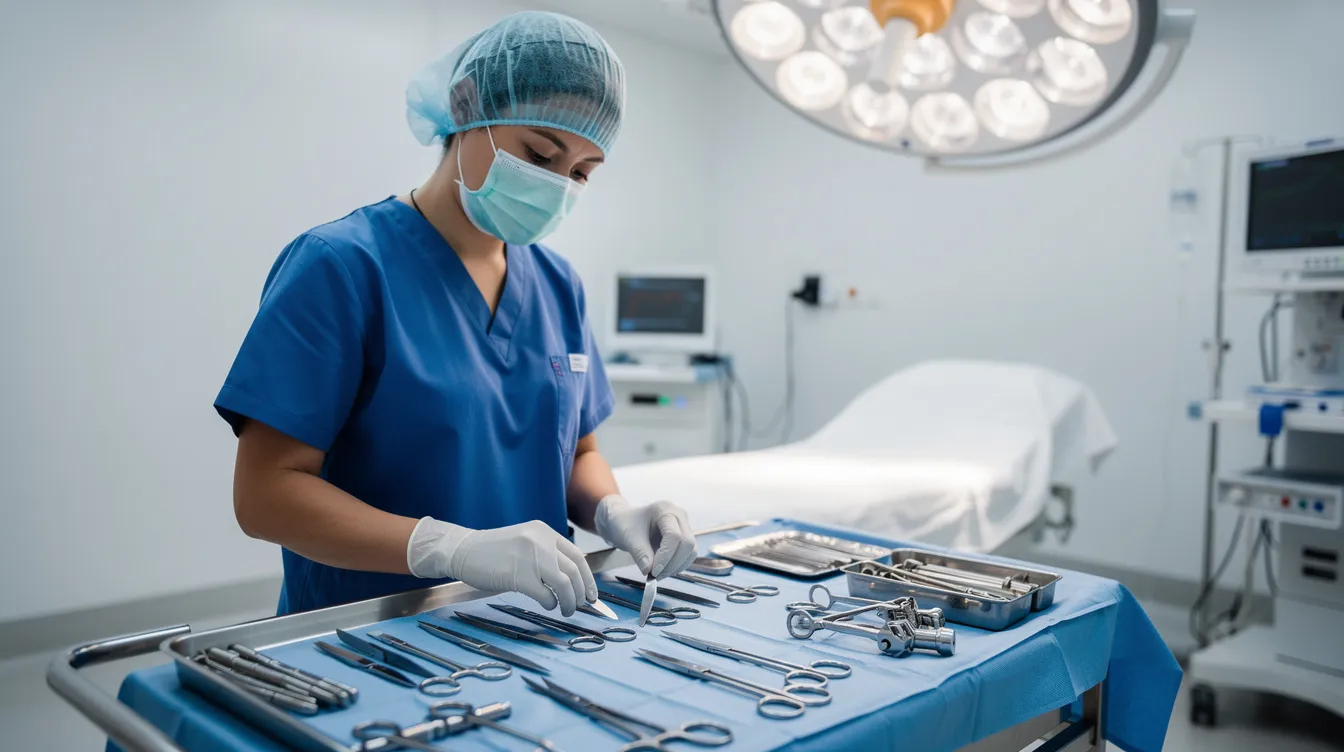
Skinny bbl surgery unfolds in three core stages: anesthesia, liposuction, and fat grafting. The entire procedure typically takes 2–3 hours as an outpatient operation.
Anesthesia: Most patients receive general anesthesia or IV sedation with local anesthetic, depending on the extent of liposuction and individual health factors. Your surgeon will recommend the safest option during consultation.
Liposuction: Small incisions (approximately 1–1.5 cm) are made in discreet donor areas. Tumescent fluid is infiltrated to minimize bleeding, and gentle suction using thin cannulas removes excess fat while protecting surrounding tissues.
For skinny patients, common donor areas include flanks, lower back, bra roll, inner and outer thighs, arms, and sometimes the abdomen or submental region under the chin. Harvesting fat from multiple areas prevents over-hollowing any single site and gathers enough fat for meaningful enhancement.
Fat processing: Removed fat undergoes rigorous purification—filtered, washed, or centrifuged to remove blood, oil, and debris. This leaves concentrated, viable fat cells ready for transfer. Advanced techniques can achieve approximately 80% fat survival rates.
Fat injection: Using small cannulas, your surgeon injects micro-droplets of fat into different layers of the buttocks and upper hips. This shapes projection, rounds the upper pole, and softens hip dips. Modern safety protocols require staying in the subcutaneous plane and avoiding deep intramuscular injection to prevent fat embolism.
Recovery and Aftercare
Most skinny bbl patients go home the same day. The recovery process during the first 1–2 weeks focuses on protecting newly transferred fat and controlling swelling across liposuction sites.
First week: Light walking within 24 hours reduces blood clot risk. Expect significant bruising, swelling, and tightness in donor areas. Pain is generally moderate and manageable with prescribed medication, typically improving substantially after days 3–5.
Weeks 1–2: Plan for 1–2 weeks away from sedentary office work, longer for physically demanding jobs. The critical rule: avoid sitting directly on your buttocks. Use a BBL pillow under your thighs or lie on your stomach and sides to protect the fat grafts.
Weeks 2–6: Continue wearing compression garments on liposuction areas for 4–6 weeks to reduce swelling and help skin retract smoothly. Avoid heavy compression directly over the fat-grafted buttocks. Your shape will appear temporarily exaggerated from swelling, gradually settling over 2–3 months.
Warning signs requiring immediate contact with your surgeon: sudden shortness of breath, severe calf pain, fever, or rapidly increasing asymmetrical swelling. These symptoms are uncommon but warrant urgent evaluation.
Expected Results and Longevity
Once swelling subsides, most patients notice a smaller, more sculpted waist at donor areas and a rounder, more lifted buttock with better proportion to the rest of their body silhouette.
During the first 3 months, some transferred fat naturally doesn’t survive—typically around 30–40% resorption occurs. Surgeons account for this by grafting slightly more volume initially. Your most reliable final results appear around 3–6 months post-surgery.
Surviving fat cells become living tissue in their new location. With healthy lifestyle habits and stable weight, improvements last many years, changing gradually only with normal aging. Skinny BBL results are intentionally more subtle than large-volume BBLs: smoother waist transitions, gentle side curves, corrected hip dips, and moderate projection fitting a petite or athletic frame.
Weight fluctuations affect outcomes. Significant weight loss can reduce buttock volume, while substantial weight gain changes overall proportions. Aim to maintain the body weight you had around surgery time for optimal longevity.
Risks and Safety Considerations
While skinny BBL can be performed safely by experienced surgeons, it remains a real surgical procedure with specific risks that patients should understand.
Key risks include:
Infection and bleeding
Contour irregularities or asymmetry
Fat embolism (rare but serious)
Anesthesia reactions
Over-harvesting concerns in lean frames, potentially causing indentations
Modern safety protocols significantly reduce serious complications. These include subcutaneous-only fat injection, avoiding deep muscle placement, using blunt cannulas, and continuous vital sign monitoring during surgery.
Choosing a board certified plastic surgeon who performs BBLs regularly and operates in an accredited facility is one of the most important safety decisions you can make. High-volume BBL surgeons consistently demonstrate superior safety outcomes.
Your role in safety matters too: disclose your complete medical history honestly, avoid nicotine and recreational drugs, follow all pre-operative instructions, and avoid flying or long-distance travel too soon after surgery when clot risk remains elevated.
Cost and Financing of a Skinny BBL
Skinny bbl cost varies depending on geographic location, surgeon experience, operating time, number of liposuction areas, and whether additional procedures are combined.
In major US cities, total costs typically range from $10,000 to $20,000 or more. This includes surgeon’s fees, anesthesia, facility fees, and post-operative garments. Because lean patients often require harvesting fat from multiple smaller areas, operative time may be comparable to or slightly higher than some standard bbl procedures despite lower fat volumes.
Many practices offer payment plans or work with third-party medical financing companies, allowing patients to break costs into monthly installments. Treat your consultation as an opportunity to receive a personalized quote, ask what’s included (follow-up visits, garments, potential touch-ups), and clarify cancellation policies.
Alternatives and Combination Procedures
Some very lean patients may lack enough excess body fat for the results they desire from a pure fat transfer approach. Several alternatives or adjunct options exist.
Non-fat options: Advanced buttock fillers or processed donor fat products may be considered when a patient’s own body fat is insufficient. Safety and regulatory status vary depending on region and specific product, so thorough research and surgeon guidance are essential.
Combination procedures: Some patients combine skinny BBL with other body contouring procedures like a tummy tuck, mommy makeover, or breast lift. Fat removed during contouring can be redistributed to multiple areas. This streamlines recovery by addressing several aesthetic goals in one surgery, though extended anesthesia time requires careful medical clearance.
Implant-based augmentation: Buttock implants provide volume without needing donor fat but come with their own risks—including capsular contracture—and produce a different feel compared to natural fat transfer. This option is typically reserved for patients with virtually no harvestable fat.
FAQ
This FAQ addresses common practical questions about skinny BBL procedures that may not be fully covered elsewhere.
Do I have to gain weight before a skinny BBL?
Most healthy patients already have enough fat across multiple small areas, even if they appear very slim. Significant weight gain purely for surgery is usually discouraged because it makes results less predictable. Surgeons prefer operating at your natural, stable weight so outcomes last. In rare cases where a patient is underweight, a surgeon might suggest small, supervised weight increase, but this requires careful consultation discussion.
When can I sit and sleep normally after a skinny BBL?
Most surgeons recommend avoiding direct pressure on the buttocks for about 2 weeks. After that, patients gradually introduce short periods of seated time using a BBL pillow under the thighs. Sleep initially on your sides or stomach, transitioning back to preferred positions once cleared—often after a few weeks. Your surgeon’s personalized instructions always take priority over general guidelines.
How soon will I see my final results?
Patients see immediate shape changes post-surgery, but swelling and bruising obscure final contours during initial weeks. A preview of your new body shape typically appears around 6–8 weeks, with most reliable final results visible at 3–6 months once fat survival stabilizes. Subtle tissue softening and scar maturation continue for up to one year.
Is a skinny BBL more or less painful than a traditional BBL?
Discomfort primarily comes from liposuction donor sites rather than the treated area where fat is injected. Pain levels depend on how many donor sites are harvested and individual sensitivity. Skinny BBL uses several smaller sites, which feel sore and bruised but remain manageable with prescribed medication. Most patients describe moderate rather than severe pain, improving significantly after days 3–5.
Can I work out and sit on gym equipment after a skinny BBL?
Heavy exercise—especially activities putting pressure on buttocks like cycling or rowing machines—is typically restricted for 4–6 weeks. Low-impact walking is encouraged within days to support circulation. High-intensity cardio and glute-focused strength training must be reintroduced gradually. Returning too aggressively risks increased swelling and can compress new fat cells, potentially affecting well being and final results. Follow your surgeon’s specific timeline closely.

-2.jpg?width=2000&height=2000&name=Copy%20of%20YouTube%20Thumbnail%20-%20Life-Changing%20Cosmetic%20Surgery!%20(Document)-2.jpg)


