Scar revision surgery is designed to minimize the visibility of a scar, restore function, and help you feel more confident in your skin. Whether you are dealing with keloid scars, burn scars, or unsightly scars from traumatic injuries, this guide walks through every option available-from topical treatments to complex reconstructive surgery-so you can make an informed decision before your first consultation.
Overview of Scar Revision
Scars are fibrous tissues replacing normal skin after injury. Once scar tissue forms, it differs from healthy skin in color, texture, and collagen alignment. Scar revision aims to improve appearance and restore function, but it cannot completely erase a scar. The realistic goal is to make a noticeable scar blend better with the surrounding skin, relieve symptoms like pain or itching, and address any functional limitations.
Who benefits most from scar revision treatment? Patients with hypertrophic scars, keloid scars, pitted scars (also called atrophic scars-indented marks left by trauma or breakouts), acne scars, facial scars, and burn scars caused by contractures burns or traumatic injuries. Scar revision does not always require surgery as the first treatment option; many scars respond well to non-surgical approaches.
Assessment and Appearance of Scars
Before selecting a scar revision treatment, a thorough evaluation of the scar is essential.
Color: Redness suggests active blood vessels and vascular proliferation. Hyperpigmentation is more common in darker skin types, while hypopigmentation may indicate mature or over-treated scar tissue.
Texture and contour: Scars may be smooth, rough, firm, or nodular. Atrophic scars are pitted or indented, while hypertrophic scars remain within the original wound boundaries and feel raised. Keloids are raised scars that extend beyond the wound edges and often form itchy clusters.
Orientation: The appearance of a scar depends heavily on its alignment with natural skin creases and relaxed skin tension lines. Scars running against these natural lines tend to be wider and more conspicuous.
Function: Contractures are tight scars that restrict movement, sometimes involving the muscle and adjacent muscles beneath. They can distort anatomy-pulling an eyelid open, restricting normal movement at joints, or impairing breathing.
Keloids are most common on the ears, face, and shoulders-areas with little underlying fatty tissue. Keloids are more common in areas with little fatty tissue because the underlying fat normally cushions wound healing forces.
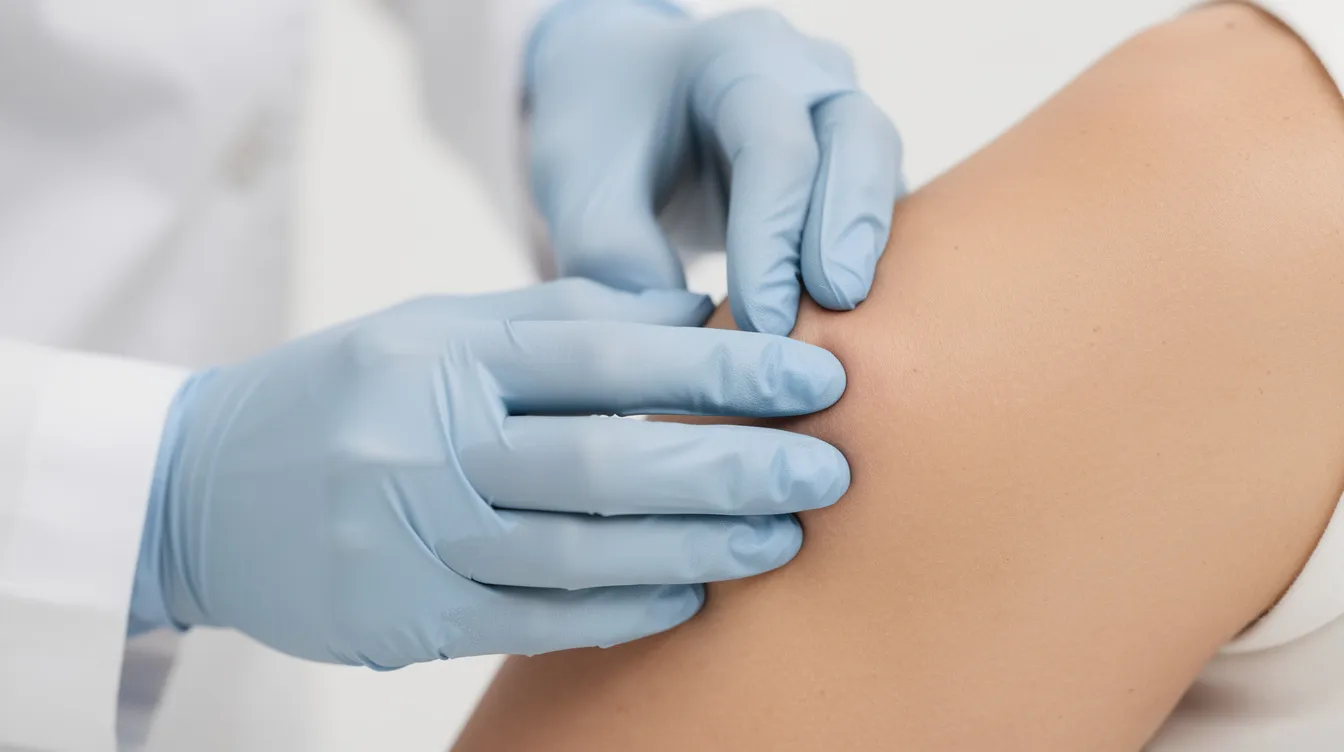
Preparing Patients for Treating Scars
Timing matters. Scars take 12 to 18 months to mature and gain strength. During this period, natural flattening, softening, and color normalization occur. Hypertrophic scars can improve on their own over time, so many surgeons wait until maturation plateaus-typically around 6 to 12 months-before recommending definitive surgical revision. Earlier intervention is warranted when a scar is restricting normal movement or causing significant distress.
Medical history review. Medications like anticoagulants, isotretinoin, or immunosuppressants affect wound healing. Prior scar treatments and personal or family history of keloids should be documented.
Tobacco and nutrition. Tobacco use delays wound healing and increases scarring risk. Cessation for at least four to six weeks before any procedure is strongly advised. Vitamin A, C, E, and zinc aid in wound healing and should be optimized through diet or supplementation.
Scar Revision Techniques
Scar revision techniques fall into two broad categories: non-surgical and surgical. Techniques for scar revision may include surgical excision and skin resurfacing, as well as injectables, lasers, and topical therapies. Results from scar revision may include improvements in width, height, texture, and color.
Non-surgical methods carry less risk and shorter recovery but produce more modest changes. Surgical procedures offer greater recontouring and scar reorientation but involve longer recovery and higher risk. Scar revision may require multiple procedures for optimal results, and multimodal plans-combining two or more techniques-frequently deliver the best outcomes, especially for complex or recurrent scars.
Non-Surgical Scar Revision Techniques
Topical treatments: Silicone gels, sheets, depigmenting agents, and topical ointments are first-line for maturing raised scars and pigment irregularities.
Injectables: Corticosteroid and 5-fluorouracil injections target excess scar tissue in raised scars. Fillers correct depressed contours.
Laser and microneedling: Laser scar revision and microneedling stimulate collagen remodeling. Microneedling creates micro-wounds to stimulate skin healing.
Cryotherapy and pressure therapy: Intralesional cryotherapy reduces keloid bulk. Pressure garments help control early raised scars, particularly after contractures burns.
Topical Treatments for Scar Revision
Silicone gel or sheets: Apply sheets overnight or gel twice daily for a minimum of 8 to 12 weeks, up to 6 months. Consistent daily use-ideally 12 to 24 hours per day-is key to flattening and softening the scar appearance.
Depigmenting topicals: Agents such as hydroquinone, kojic acid, or azelaic acid can address hyperpigmentation. Skin bleaching agents carry a risk of irritation, particularly in darker skin types, and should be used after active inflammation subsides.
Chemical peels may complement topical regimens by exfoliating the superficial layers and improving texture over time.
Expect gradual change; significant improvement from topical treatments alone often takes three to six months of daily commitment.
Injectables and Minimally Invasive Treatments
Patients who receive steroid injections for raised scars typically start with triamcinolone acetonide at 5 to 10 mg/mL, repeated every three to four weeks for up to six sessions. Intralesional corticosteroids can flatten hypertrophic scars effectively. Steroid treatment carries risks of skin atrophy, telangiectasia, and hypopigmentation, which is why steroid medication is often combined with 5-FU to reduce side effects.
5-FU is injected at approximately 50 mg/mL-commonly mixed with a small volume of steroid medication directly into and beneath the scar tissue. Injections are repeated monthly. This combination is a common treatment for keloids and stubborn hypertrophic scars. It is contraindicated during pregnancy or in patients with bone-marrow suppression.
For depressed or atrophic scars, fillers such as hyaluronic acid provide immediate volumization and are considered minimally invasive procedures with short downtime.
Lasers, Resurfacing, and Energy Devices
Pulsed dye lasers are the first choice for red, vascular scars. They target blood vessels responsible for persistent erythema, especially when new blood vessels form during early healing. Laser therapy sessions are typically spaced four to eight weeks apart.
Ablative lasers (CO₂, Er:YAG) remove superficial layers and drive deeper collagen remodeling-ideal for textural irregularities but requiring longer downtime. Non-ablative fractional lasers deliver heat to the dermis without significant surface destruction, offering moderate improvement with less risk. Laser resurfacing stimulates collagen regeneration for scar improvement across both modalities.
Treatment intervals for resurfacing range from monthly (non-ablative) to every three to four months (ablative), with cumulative improvement over multiple sessions.
Other Treatments
Intralesional cryotherapy freezes scar tissue from its base, minimizing epidermal damage. It is useful for bulky keloids, sometimes combined with steroid injections or excision.
Radiation therapy is reserved strictly for refractory keloids after surgical excision. Benefits must be weighed against long-term radiation exposure risks.
Physical therapy is essential for treating scars from contractures burns affecting joints. Stretching, splinting, and range-of-motion exercises help relieve symptoms and prevent deformity both before and after surgery.
Surgical Scar Revision and Reconstructive Surgery
The goal of surgical scar revision is to remove excess scar tissue, reorient the new scar into natural lines, and achieve tension-free closure that matches the surrounding skin. Reconstructive surgery is required when non-surgical methods fail, when an old scar causes functional impairment, or when tissue defects demand flap surgery or skin grafting.
Risks include infection, dehiscence, pigment changes, widened scarring, and recurrence. Recovery time varies based on the technique used-simple excisions may heal in weeks, while complex flap reconstructions take months. A new scar will form at the revision site, but the objective is a less visible pattern that blends with the aesthetic appearance of adjacent tissue.
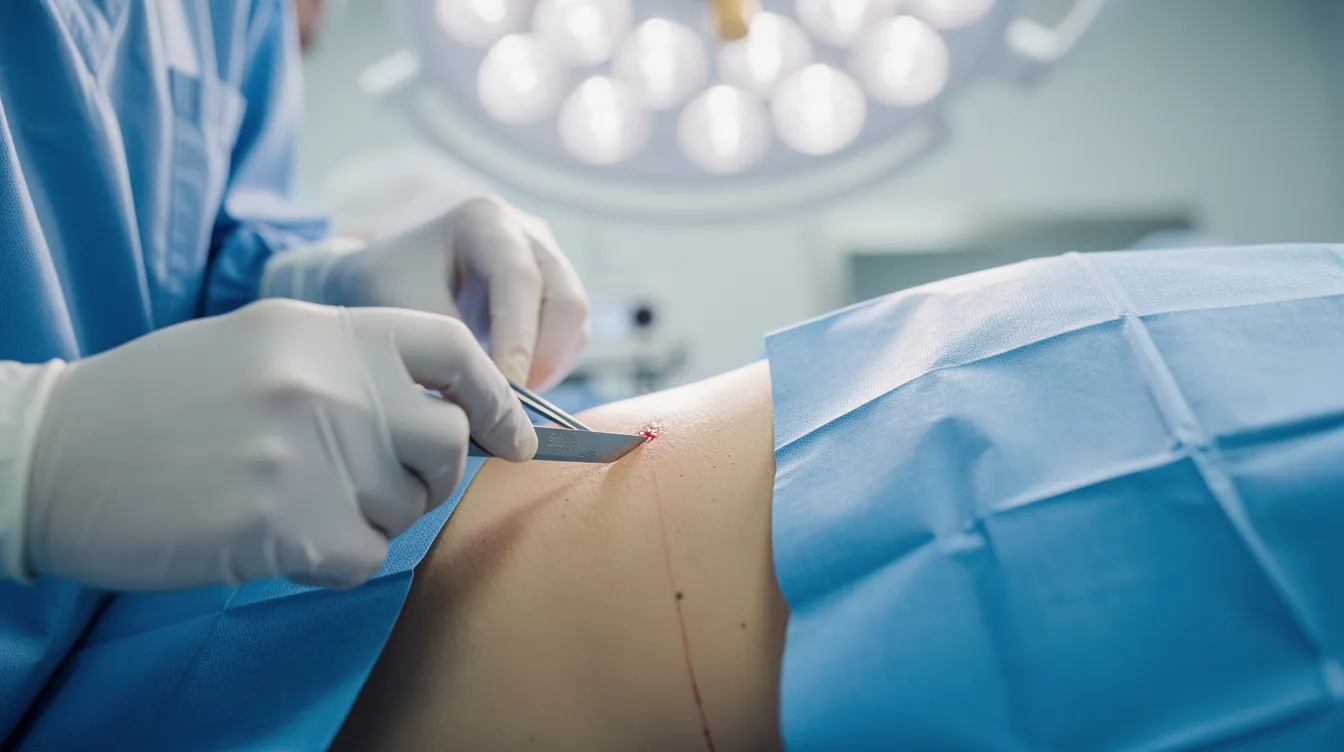
Common Surgical Techniques for Scar Revision
Technique | Best For | Key Detail |
|---|---|---|
Fusiform elliptical excision | Linear scars aligned with or re-alignable to RSTLs | Classic 3:1 length-to-width ratio; tip angles ≤30° |
Z-plasty | Contracted or misaligned scars | Z-plasty and W-plasty are geometric tissue rearrangement techniques. Z-plasty can change the direction of scars and improve movement using 30–60° angled flaps |
W-plasty | Long straight scars crossing cosmetic units | Breaks a linear scar into a visible pattern that mimics natural lines, creating a less visible pattern |
Serial excision | Wide scars or hair-bearing areas | Staged every 8–12 weeks; uses skin's biological creep |
Each surgical technique is typically performed as an outpatient procedure under local anesthesia.
Grafts, Flaps, and Reconstructive Options
When primary closure is not possible-for example, after removing a large burn scar-skin grafting is indicated. Grafting involves transplanting a section of skin (full-thickness or split-thickness) from a donor site to the defect. Color mismatch and secondary contraction are possible drawbacks.
Local flap choices include advancement, rotation, and transposition flaps where the blood supply remains attached to the donor tissue. Flap surgery preserves better color and texture match than grafts. Sometimes the muscle or underlying fat is included in the flap to restore volume over underlying fatty tissue.
For large defects, staged reconstructive planning may involve tissue expansion over weeks or months, followed by definitive closure. This approach is common in burn victims and patients with contractures affecting adjacent muscles.
Choosing a Scar Revision Treatment Plan
Matching technique to scar type and location is the foundation of a personalized treatment plan. Raised red scars respond well to steroid injections combined with pulsed dye laser. Depressed facial scars benefit from fillers and ablative resurfacing. Contracture scars at joints demand surgical release plus physical therapy.
Weigh aesthetic appearance against functional needs. A scar on the face near the initial wound site may justify accepting a secondary incision line to achieve symmetry. Functional impairment-such as a process called contraction pulling skin taut across a joint-often takes priority.
Scar revision rarely ends with a single session. Realistic follow-up includes repeated injections, laser sessions, silicone use, and other treatments over 6 to 18 months.
Recovery, Outcomes, Risks, and Aftercare
Wound care: Keep the site clean, maintain moisture, and follow post-operative instructions for proper healing. Scar massage once the wound has closed improves pliability.
Sun protection: Avoid direct sunlight on scars for six months post-surgery. Use SPF 30–50 and protective clothing to prevent hyperpigmentation.
Warning signs: Increasing redness, warmth, purulent drainage, sudden pain, or signs of necrosis require urgent follow-up.
Timeline: Most people return to normal activities within a few days after minor procedures. Scars can take up to a year to fully heal, with the original wound site continuing to remodel for 12 to 18 months. Expect gradual improvement-not overnight transformation.
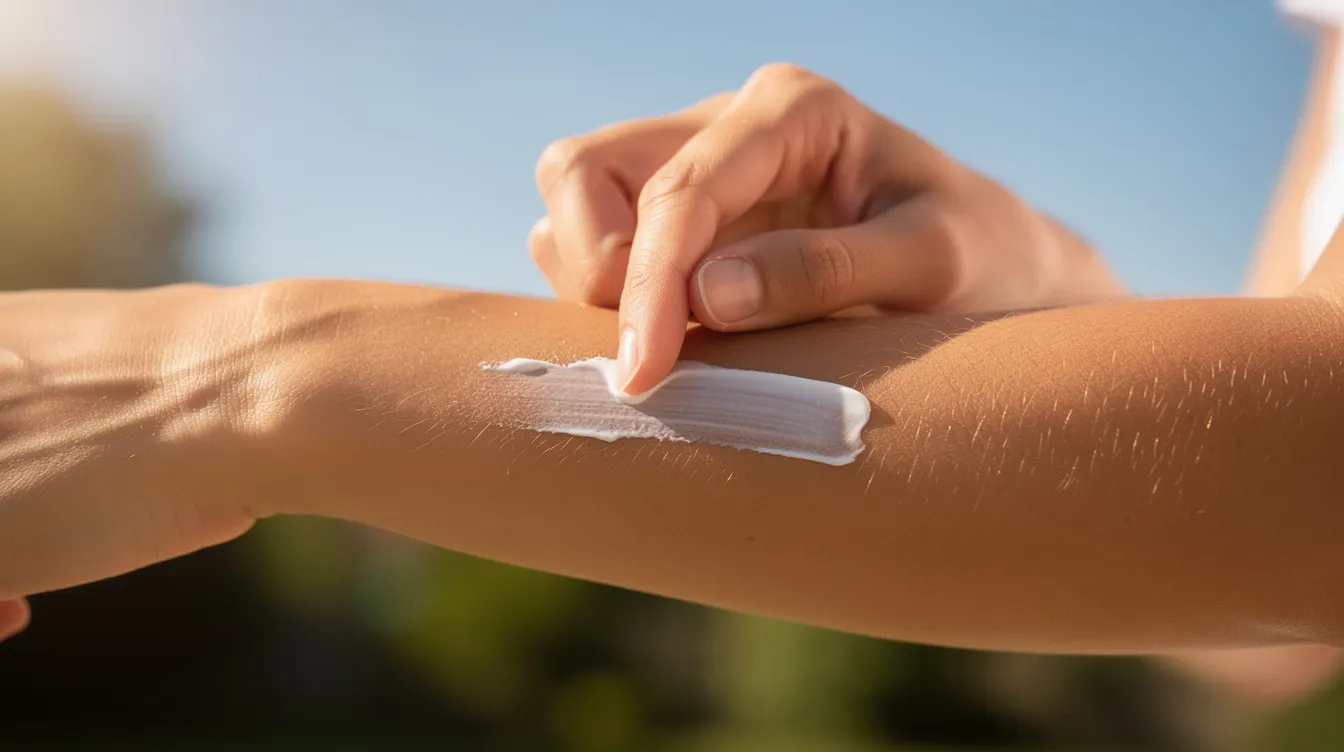
Consultation, Before-and-After, and Documentation
Consultation with a surgeon should evaluate the scar's characteristics and treatment suitability. Request clinical photos from multiple angles under consistent lighting to establish a baseline. Surgeons should show a portfolio of before-and-after photos specific to scar revision so you can set realistic expectations.
Informed consent must cover alternatives (non-surgical versus surgical), risks (pigment changes, scar removal limitations, recurrence), expected outcomes, and the possibility of many scars requiring multiple sessions. Collect prior treatment history and outcomes, including Fitzpatrick skin type and any history of keloids occur in the family.
Scar Revision in New York, NY
New York, NY, offers numerous board-certified plastic surgery and dermatologic surgery practices specializing in scar revision. Burn centers and academic medical centers provide advanced modalities including lasers, injectables, and complex flap and graft work.
Steps to schedule a consultation:
Verify a qualified surgeon's board certification through the American Board of Plastic Surgery or equivalent body.
Confirm facility accreditation is in place-this is essential for safety during procedures.
Bring previous clinical photos, your medical history, and a list of treatments tried.
Ask about insurance coverage, especially if your scar causes functional impairment (contracture, pain, restricted movement). Insurance may cover medically necessary revision surgery but often excludes purely cosmetic scar removal.
Many NYC practices offer financing options for cosmetic components of treatment.
Cost, Candidacy, and When to Refer
Scar revision costs vary based on treatment technique used. Costs depend on the number and severity of scars treated. Anesthesia and facility fees influence scar revision costs, and provider experience can affect the cost of scar revision as well. In NYC, a small keloid excision with adjunct radiation may start around $4,500, while complex revisions involving flaps, grafts, or multiple laser sessions can reach significantly higher figures.
Contraindications for elective revision include active infection, uncontrolled bleeding disorders, pregnancy (particularly for 5-FU protocols), immunosuppression, and continued tobacco use. Patients with normal skin healing expectations and realistic goals make the best candidates.
When to refer: Complex facial scars crossing cosmetic units, refractory keloids, contractures involving joints or distorting anatomy, and defects requiring tissue transfer should be managed by reconstructive specialists. Early referral saves time and improves outcomes.
Scar revision is a process, not a single event. A well-constructed treatment plan-matched to your scar type, skin, and goals-can meaningfully improve the appearance of scars and restore function you may have lost. Start by scheduling a consultation with a board-certified surgeon, bring your questions and your history, and take the first step toward a result you can feel good about.
Frequently Asked Questions
What is scar revision surgery meant to achieve?
Scar revision aims to make a noticeable scar blend better with surrounding skin, improve appearance and function, and relieve symptoms like pain or itching. It cannot completely erase a scar, so the realistic goal is improvement rather than complete removal.
When is the best time to treat a scar?
Scars take about 12 to 18 months to mature. Many surgeons wait until maturation plateaus, typically 6 to 12 months after injury, before recommending surgical revision. Earlier intervention may be warranted if a scar restricts movement or causes significant distress.
Do all scars require surgery?
No. Many scars respond to non-surgical approaches such as topical silicone products, steroid injections, lasers, microneedling, or pressure therapy. Surgery is not always the first treatment option and is often considered for scars that do not improve with other methods.
What should I do before a scar revision procedure?
Your surgeon will review your medical history, including medications that affect healing such as anticoagulants or isotretinoin, and any prior scar treatments. Tobacco use is strongly discouraged for at least four to six weeks beforehand, since it delays healing and increases scarring risk.
How long do topical scar treatments take to show effects?
Silicone gel or sheets are typically applied daily for at least 8 to 12 weeks, sometimes up to 6 months. Changes are gradual, and significant improvement from topical treatments alone often takes three to six months of consistent use.
Learn more: Body Contouring at Leva Medical
-2.jpg?width=2000&height=2000&name=Copy%20of%20YouTube%20Thumbnail%20-%20Life-Changing%20Cosmetic%20Surgery!%20(Document)-2.jpg)


