That heavy, hooded look around the eyes isn't always cosmetic. Sagging eyelids can gradually obstruct your vision, cause chronic headaches, and sometimes signal underlying health conditions that need attention. Whether you're dealing with mild skin laxity or noticeable eyelid drooping, understanding the root cause is the first step toward finding the right solution.
This guide covers why eyelids droop, which symptoms deserve attention, and the range of treatment options, so you can make an informed decision about your eyes.
What Are Sagging Eyelids?
Sagging eyelids fall into two main categories. The first is ptosis (also called blepharoptosis), where the upper eyelid itself sits too low because the muscles that lift it have weakened or become damaged. The second is dermatochalasis, where excess skin on the upper eyelids creates a hooded appearance even though the underlying muscle function may be intact.
These are distinct from under-eye bags or puffy eyes, which involve the lower eyelids and are typically caused by fat prolapse or fluid retention rather than muscle weakness or loose skin above the eye.
Both conditions can affect one or both eyelids, and many people have a combination of the two at the same time.
Why Do Eyelids Droop?
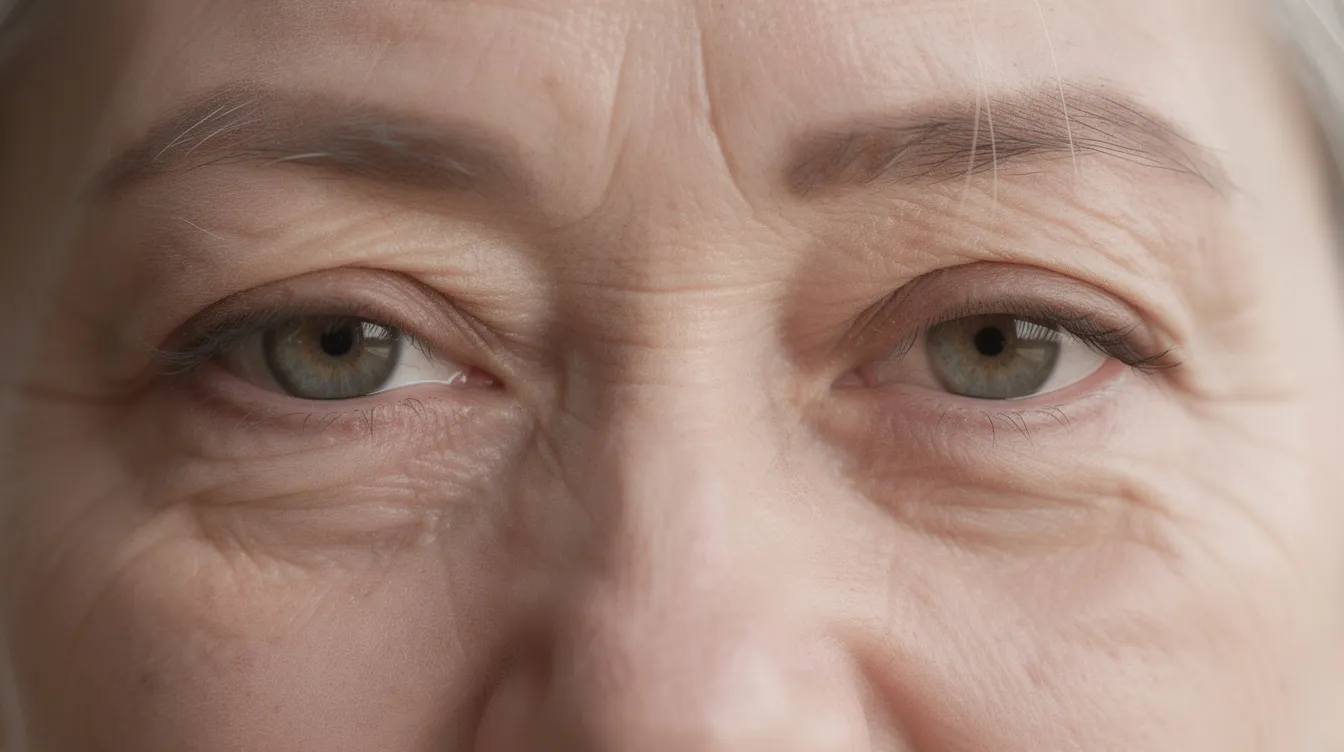
Sagging eyelids can result from natural aging or muscle weakness, and often it's both working together. Here are the primary drivers:
Age-related changes. With age, the muscle and tendon that lift the eyelid can thin and stretch. Skin also loses elasticity and becomes loose, contributing to the hooded look. Dermatochalasis becomes much more common in older age groups.
Brow descent. A lowered brow can push skin down and cause upper eyelid heaviness, creating the appearance of drooping even when the eyelid itself works normally.
Genetics. Inherited traits can influence eyelid laxity and fat distribution around the eye, making some people prone to earlier or more pronounced hooding.
Lifestyle factors. Prolonged contact lens wear can stretch eyelid tissues over time, and sun damage degrades skin elasticity around the eyes.
Trauma. Injury to the eyelid area, including after cataract surgery, can damage the lifting muscle or its tendon, sometimes years after the initial injury.
Congenital differences. Some children are born with congenital ptosis, which can affect one or both eyelids and may need early attention from an eye doctor to protect visual development.
Medical Conditions That Cause Eyelid Drooping
Drooping eyelids can result from medical conditions that extend beyond normal aging:
Myasthenia gravis causes fluctuating drooping that worsens with fatigue and may involve double vision.
Thyroid eye disease can lead to mechanical drooping through swelling, scarring, or displacement of orbital structures.
Stroke or cranial nerve palsies can produce sudden drooping alongside other neurologic signs and may require emergency imaging.
Tumors in the orbit or eyelid are rare but can cause drooping through mass effect. Any unexplained swelling warrants investigation.
Symptoms That May Affect Your Vision
How droopy eyelids affect daily life depends on severity. When the upper eyelid or excess skin hangs low enough, it starts blocking the visual field, usually the upper peripheral vision first.
Common symptoms include:
Obstructed reading. Drooping can make reading and close work tiring, especially in low light.
Chronic eye strain. Many people unconsciously raise their eyebrows to compensate, which leads to forehead fatigue and headaches.
Driving difficulties. Reduced upper-field vision makes it harder to see traffic lights, overhead signs, and hazards.
Blurry vision. In children especially, a drooping lid can contribute to astigmatism and blurry vision.
If sagging eyelids affect your vision in any of these ways, schedule an eye exam rather than assuming it's only a cosmetic concern.
When Sagging Eyelids Need Urgent Care
Not all eyelid drooping develops gradually. Sudden onset requires immediate attention:
Sudden eyelid drooping paired with headache or pain may indicate a cranial nerve palsy or aneurysm
Sudden double vision suggests nerve involvement that needs emergency imaging
Facial weakness on one side signals a possible stroke
Changes in pupil size (one pupil larger than the other) alongside drooping is a red flag
If any of these symptoms appear, seek emergency evaluation immediately.
What Happens If Ptosis Is Left Untreated?
Progressive vision obstruction. Severe drooping can reduce visibility to the point where daily activities become unsafe.
Childhood amblyopia. In children, a lid that covers the pupil can cause lazy eye, with lasting effects on visual development if not addressed early.
Chronic discomfort. Constant brow lifting creates tension headaches, forehead creases, and neck strain from tilting the head back.
Psychological impact. A tired appearance can affect social interactions and self-confidence over time.
How Doctors Diagnose Sagging Eyelids
A comprehensive eye examination is the starting point. An eye doctor will typically assess:
Lid height: the distance between the center of the pupil and the upper lid margin.
Muscle function: how far the upper lid travels from looking down to looking up.
Visual field testing: peripheral vision measured with the lid at rest and again with the lid gently lifted.
Brow position and eye protection reflexes to judge whether surgery is safe.
Neurological evaluation or imaging may be added if the drooping appears to come from a nerve problem.
Nonsurgical Treatment Options
For mild cases, several nonsurgical options exist. The right choice depends on whether the main issue is skin laxity, muscle weakness, or both.
Observation is reasonable for mild, stable drooping that doesn't interfere with vision.
Botulinum toxin injections can slightly elevate the brows and soften hooding, though there's a risk of the toxin spreading and temporarily worsening the droop.
Energy-based skin treatments such as radiofrequency or ultrasound may stimulate collagen and work best for mild skin laxity.
Skin care focused on sun protection supports skin elasticity, though it won't correct true muscle weakness.
Prescription Eye Drops
Prescription oxymetazoline eye drops are approved for acquired ptosis in adults. They activate a small lifting muscle in the eyelid to produce a temporary lift that lasts part of the day, so they require daily use. They are not effective when excess skin is the primary problem.
Possible side effects include eye irritation, redness, and headache.
Facial Exercises
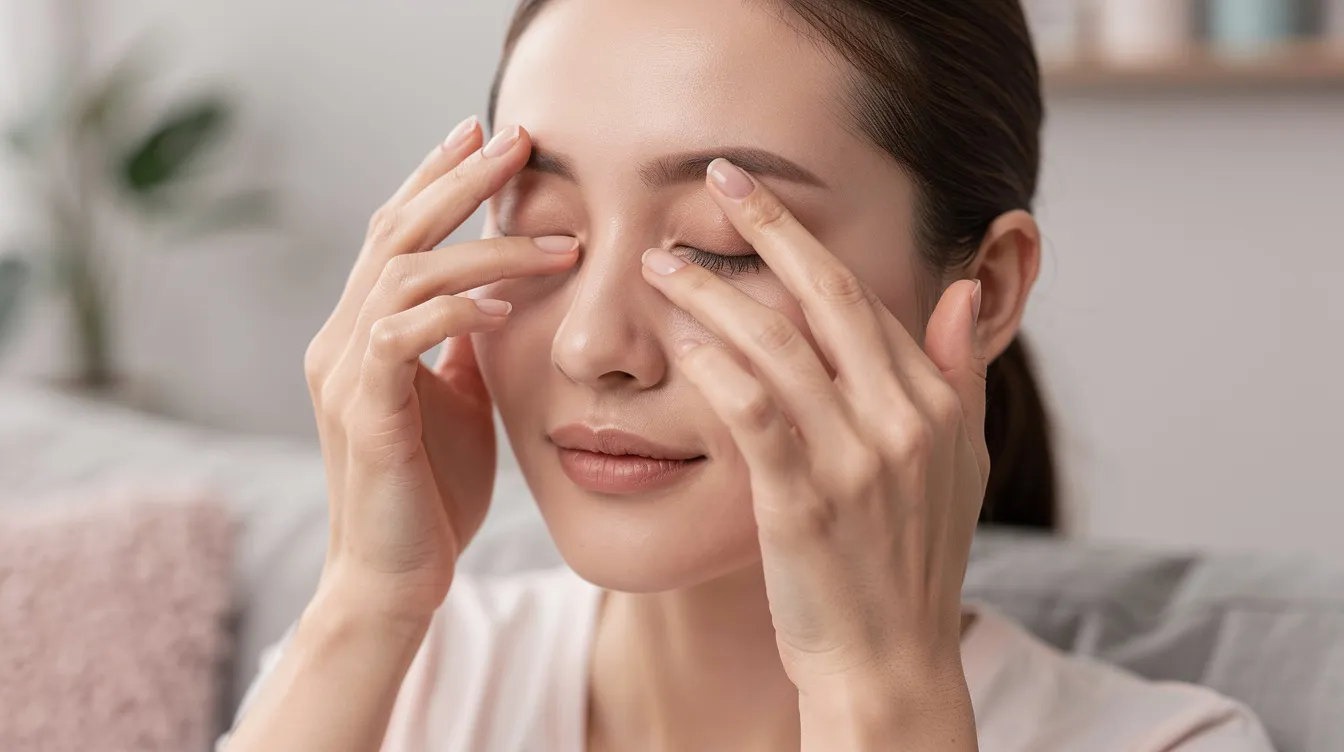
Facial exercises are sometimes suggested to strengthen eyelid muscles, but evidence supporting them is limited. Avoid forceful movements that could strain the delicate tissues around the eyes, and don't expect exercises to replace medical or surgical treatment for moderate-to-severe drooping.
Surgical Treatment for Sagging Eyelids
When nonsurgical approaches fall short, surgery offers longer-lasting correction. It becomes an option when excess skin impairs vision or when the tired look significantly affects quality of life.
Potential risks include undercorrection, overcorrection, a change in lid position, asymmetry, dry eye or exposure of the eye surface from incomplete lid closure, scarring, infection, and the possibility of needing revision surgery.
Upper Blepharoplasty
Upper blepharoplasty removes excess skin from the upper eyelids, and sometimes excess fat, to restore a clearer visual field and a more rested appearance. It is the main surgical treatment for dermatochalasis.
When the Eyelid Muscle Is the Problem
True ptosis, where the lifting muscle itself is weak, is corrected with a different operation that restores normal eyelid position and is often performed for functional reasons. Leva Medical does not offer ptosis repair.
Lower Blepharoplasty
Lower blepharoplasty addresses bags and loose skin beneath the eyes by removing or repositioning fat and tightening skin. It is usually chosen for under-eye fullness rather than vision obstruction.
Sagging Eyelids and Cosmetic Concerns
Even when sagging eyelids don't impair vision, they can create a tired appearance that doesn't reflect how you feel. Asymmetry is often more bothersome than the drooping itself, particularly when only one eyelid is involved.
Realistic expectations matter. Eyelid surgery can rejuvenate the eye area, but perfect symmetry between the two eyes is difficult to achieve. A good candidate has realistic goals and has discussed expectations in detail with their doctor.
Personalized planning is essential, because what works for loose skin may not address muscle weakness, and vice versa.
Questions to Ask Before Treatment
What's causing my drooping? Is it excess skin, brow descent, muscle weakness, or something neurological?
Which treatments fit my measurements? Lid height and muscle function guide the options.
What recovery should I expect? Ask about activity restrictions and when results settle.
What are the possible complications? Ask about dry eye, asymmetry, changes in lid position, and revision.
What will it cost? Cosmetic procedures are self-pay. Payment options can be reviewed in office after the exact plan and total are known.
The right treatment begins with the right diagnosis. If sudden drooping or vision changes appear, see an eye doctor first; if loose upper-lid skin is the concern, a consultation is the next step.
Frequently Asked Questions
What is the difference between ptosis and dermatochalasis?
Ptosis is drooping of the upper eyelid caused by weakened or damaged lifting muscles. Dermatochalasis is excess upper-lid skin that creates a hooded look while muscle function may be normal. Many people have both.
Can sagging eyelids affect my vision?
Yes. When the upper lid or excess skin hangs low enough, it can block part of the visual field, especially the upper area, making reading and driving harder. An eye exam is advisable if vision is affected.
What are the common causes of drooping eyelids?
Aging, brow descent, genetics, prolonged contact lens wear, sun damage, injury, congenital differences, and some medical conditions can all contribute.
When should I seek urgent care for drooping eyelids?
Seek emergency care if drooping appears suddenly, especially with headache, pain, double vision, one-sided facial weakness, or unequal pupils. These signs can indicate stroke, cranial nerve palsy, or aneurysm.
Is untreated ptosis dangerous?
It can be. Severe drooping can progressively obstruct vision and increase accident risk. In children, a lid covering the pupil can cause amblyopia with lasting effects on vision. Chronic brow lifting can also cause headaches.
About Leva Medical
Leva Medical has offices in Queens (94-06 59th Ave, Suite E9, Elmhurst, NY 11373) and in Northport, Long Island (320 Laurel Rd, Northport, NY 11768).
Call (718) 699-9737 to book a consultation with our board-certified doctors.
Learn more: Upper Eyelid Surgery at Leva Medical