If you’ve been following the latest developments in weight loss medications, you’ve probably heard about retatrutide. This investigational triple agonist drug has generated significant buzz thanks to impressive early clinical trial results. But the question on most people’s minds isn’t just whether it works—it’s how much retatrutide might cost once it hits the market. Here’s what we know so far and what you can realistically expect.
Learn more: Hormone Therapy & Weight Loss at Leva Medical
Key Takeaways
As of May 2026, retatrutide is still undergoing clinical trials and has no official list price, brand name, or insurance coverage. Eli Lilly’s phase 3 trial of retatrutide is expected to conclude in early 2026, and the medication may not be on the market until 2027, which means its cost will not be established until after that time.
Future retatrutide cost will likely align with premium weight loss medications, potentially ranging from $1,000–$1,300 per month in the US based on comparable drugs like Zepbound, or around £195–£370 per month in UK private clinics.
Participation in a clinical trial is currently the only legal way to access retatrutide, where the study medication is typically provided at no cost to participants.
Early studies suggest that retatrutide may lead to greater average weight loss compared to current GLP-1 medications, with participants losing around 24% of their body weight over 48 weeks, compared to 15% with Wegovy and 21% with Zepbound.
Long term safety data, FDA approval status, and real-world demand will heavily influence final pricing and out-of-pocket costs for patients.
What Is Retatrutide And Why Its Cost Matters
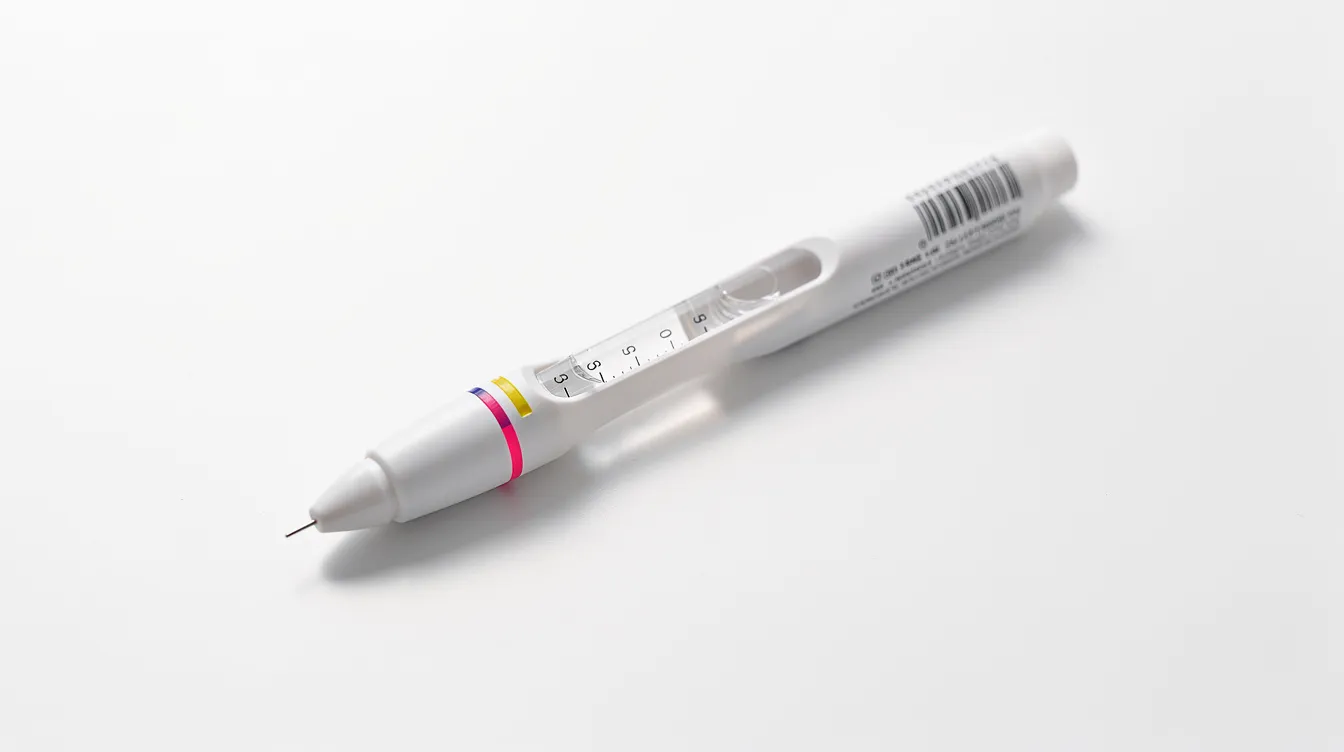
Retatrutide is an investigational injectable medication developed by Eli Lilly that targets three hormone pathways simultaneously. Most readers exploring this topic want straightforward answers about how much it might cost once available.
The drug works as a triple agonist, targeting the GLP-1 receptor, glucose dependent insulinotropic polypeptide (GIP) receptors, and glucagon receptors to help people lose weight and support blood sugar control. Retatrutide’s mechanism of action includes targeting the glucagon receptor, which is not addressed by current GLP-1 medications, potentially enhancing its effectiveness in weight management.
Early data from clinical trials has shown remarkable weight loss results—up to about 24-28% body weight reduction over 48-68 weeks at higher doses. This effectiveness data has created strong interest among people looking for more effective treatments, making future pricing a major concern for anyone considering this medication.
This article focuses specifically on retatrutide cost expectations, comparisons with current weight loss drugs, and practical considerations around insurance coverage and access.
Is There A Price For Retatrutide Yet?
There is no official retatrutide price as of May 2026. The simple reason: as of May 2026, retatrutide is an investigational drug and is not yet FDA-approved for commercial sale.
Eli Lilly has not released a list price, and no pharmacy, telehealth clinic, or legitimate online provider can quote a “real” monthly cost for retatrutide right now. Since retatrutide is still in trials, there’s no official price tag or brand name yet, but looking at comparable GLP-1 medications can provide a ballpark idea of its potential cost.
Retatrutide is currently undergoing phase 3 clinical trials, which are expected to conclude in early 2026, with FDA approval anticipated by summer 2026. However, even with approval, the medication may not reach the market until 2027. Retatrutide’s phase 3 trials are assessing its safety and effectiveness for weight loss, with results expected to be published before the FDA review process begins.
Important warning: Any online seller currently listing a per-vial or per-month “retatrutide cost” is either speculating or selling unapproved, high-risk products. The only way to legally obtain retatrutide at this time is through participation in clinical trials, as it is not yet available via standard prescription.

How Much Might Retatrutide Cost? (Evidence-Based Estimates)
The most reliable way to estimate future retatrutide pricing is by examining current GLP-1 and dual agonist medications. Here’s what comparable drugs cost in 2025-2026:
US Pricing Benchmarks:
Zepbound (tirzepatide): List price around $1,059 for a 28-day supply
Wegovy (semaglutide): Approximately $499-$500 per month
Other GLP-1 weight loss medications: Often $900-$1,300/month range before insurance
UK Private Pricing:
Mounjaro: Around £195 for the lowest dose to approximately £370 per month for higher doses
The expected cost of retatrutide is not yet known, but it is likely to be similar to other weight loss injections, such as Mounjaro, which starts from around £195.00 a month for the lowest dose
Projected commercial pricing for retatrutide, if approved, is expected to align with premium weight-loss medications. If trial results continue showing greater weight loss (around 22-24% or more) compared to existing options, Lilly may position it at the high end of the pricing spectrum—potentially at or above $1,000 per month for higher weekly doses.
Early in launch, before broad insurance coverage develops, many patients might face significant out-of-pocket costs. This mirrors initial access patterns seen with semaglutide and tirzepatide when they first became available.
Retatrutide Cost vs Other Weight Loss Medications
Understanding how retatrutide compares to existing options from both a cost and value perspective helps frame realistic expectations.
Medication | Type | US List Price | Average Weight Loss |
|---|---|---|---|
Wegovy (semaglutide) | GLP-1 receptor agonist | ~$499/month | ~15% body weight |
Zepbound (tirzepatide) | Dual agonist (GLP-1 and GIP) | ~$1,000/month | ~21% body weight |
Retatrutide | Triple agonist | TBD (projected $1,000+) | ~24% body weight |
Retatrutide is a triple agonist that targets three hormone receptors, while medications like tirzepatide are dual agonists that target two receptors. This triple action approach—hitting GLP-1, GIP, and glucagon pathways—appears to deliver more weight loss than current alternatives.
Many people using existing GLP-1 drugs in the US still pay several hundred dollars monthly even with coverage, while some pay full list price when insurance denies weight loss indications. If retatrutide’s clinical trial data continues showing how much weight people can lose over 48-72 weeks, payers may be willing to cover it but likely impose strict eligibility requirements and prior authorizations.
The “real” cost extends beyond the monthly prescription medication price. Consider clinic visits, lab monitoring, and potential long-term use to maintain weight reduction when calculating your total investment.
Clinical Trials And How Retatrutide Costs Work During Studies
Many people searching for retatrutide cost information wonder whether they can access it free or at reduced cost through a clinical trial.
In legitimate phase 2 and phase 3 clinical trials, the study drug (whether retatrutide or placebo) is usually provided at no cost to participants. Research visits and safety monitoring are covered by the trial sponsor, Eli Lilly. Trials may reimburse travel expenses or provide modest time compensation, but they don’t pay people the “value” of the medication.
Key considerations about trial participation:
You may receive placebo rather than the active ingredient
Long term safety data is still being collected
Completing a trial doesn’t guarantee continued access afterward
Trial eligibility criteria vary significantly by study
Clinical trial participation is structured research, not a discount program or guaranteed access pathway. If you’re interested, search “retatrutide” on clinicaltrials.gov and discuss any trial opportunity with your healthcare provider before enrolling.
Future Factors That Will Influence Retatrutide Pricing
Final retatrutide cost will depend on several moving parts once FDA approval or other regulatory approvals are granted.
Major factors shaping price:
Strength of phase 3 trial results (how much weight participants lose, impact on diabetes and cardiometabolic outcomes like high blood pressure)
Demand from people trying to lose weight
Competition from other GLP-1, dual agonist, and emerging triple G medications
Whether retatrutide receives FDA approved status for obesity alone versus obesity plus diabetes
Once FDA-approved, availability and costs of retatrutide may be impacted by insurance coverage and market dynamics. Regulatory status significantly affects coverage rules—approval for multiple indications typically accelerates insurance adoption.
Long term safety data matters enormously. If extended studies show durable weight loss with acceptable side effects, payers may support longer treatment durations, affecting overall lifetime cost. Current datasets span only 48-68 weeks, which is relatively limited for evaluating chronic medication safety.
Global differences also come into play. UK MHRA reviews, NHS guidance, and private clinic pricing typically result in lower costs than US list prices for the same medications.
Is Retatrutide Worth The Cost? Balancing Price, Results, And Risks
People weighing whether a high monthly cost could be justified need to understand how retatrutide works and realistic weight loss results.
Efficacy summary from early trials:
Phase 2: 23-24% body weight loss at highest dose over 48 weeks
Phase 3: Up to 29% (approximately 71 lbs) over 68 weeks at 12mg dose
Comparison: This exceeds results from currently FDA approved options
These weight loss results suggest retatrutide may deliver greater weight loss than any currently available prescription medication for obesity. The mechanism targets fat metabolism, helps reduce appetite, and may slow digestion while supporting glycemic control and blood sugar regulation.
However, potential benefits must be weighed against retatrutide side effects. The most common side effects of retatrutide reported in clinical trials include gastrointestinal issues such as nausea, vomiting, diarrhea, and constipation. Side effects of retatrutide tend to be mild to moderate and often improve as the body adjusts to the medication, especially when starting at a lower dose that’s gradually increased.
In clinical trials, 6% to 16% of participants discontinued retatrutide due to side effects, indicating that while most effects were manageable, some individuals found them challenging enough to stop treatment. Serious side effects of retatrutide, such as pancreatitis and gallbladder problems, were reported to be uncommon, occurring in 0% to 6% of trial participants.
Consider cost within an overall plan that includes healthy habits, medical monitoring, and realistic expectations. Even modest weight loss with established medications might be preferable for some people compared to waiting for an unproven option.

Staying Safe: Black Market “Retatrutide” And Unrealistic Prices
People searching “retatrutide cost” often encounter suspiciously cheap “research chemicals” or compounded products online. This is a serious safety concern.
As of May 2026, there is no legitimate over-the-counter, compounded, or telehealth pharmacy source for genuine retatrutide outside of controlled clinical trials. Any product claiming to be retatrutide available for purchase is either:
Speculative pricing for future availability
Research peptides labeled “not for human consumption” (often costing approximately $150 to $500 per month)
Compounded versions from telehealth providers (typically ranging from $200 to $600 per month)
Outright counterfeit products
Some sites market products “for research use only” at per-vial prices far lower than branded GLP-1 medications. Reports have documented counterfeit retatrutide sold in Britain for as little as £2 per dose, sourced from unregulated labs.
The risks are substantial:
Wrong dosage or concentration
Contamination with harmful substances
Completely different active ingredients
No quality control or safety testing
Legal consequences for buyers
Wait for properly FDA approved formulations or use existing, regulated GLP-1 receptor agonist options instead of risking long-term harm from black market products. Your healthcare professional can help you explore currently available alternatives.
FAQ: Retatrutide Cost And Access
Will insurance cover retatrutide once it is FDA approved?
Insurance coverage decisions typically follow FDA approval and depend on labeled indications, clinical trial results, and negotiations between manufacturer and payers. Commercial insurance coverage for medications like retatrutide is likely to be heterogeneous, potentially resulting in initial denials.
Based on current GLP-1 experience, many plans may cover retatrutide for type 2 diabetes sooner and more broadly than for obesity alone. Insurance coverage for anti-obesity medications may vary, frequently requiring prior authorization or demonstration of a related condition. Medicaid in New York may cover GLP-1 agonists for obesity under certain conditions, but typically with strict exclusions for weight-loss drugs.
Even when retatrutide is technically “covered,” co-pays and deductibles could remain high, leaving patients with significant out-of-pocket costs.
Could retatrutide end up cheaper than existing GLP-1 drugs?
This is possible but not very likely at launch. New drugs with strong clinical trial data—especially those showing superior effectiveness data—often debut at similar or higher prices than existing competitors.
Over several years, competition from other GLP-1, dual agonist, and emerging triple agonist medications, plus potential generic alternatives, could push prices down or lead to better discounts. Think of early-launch retatrutide as a premium-priced option until the market matures.
Energy expenditure and fat metabolism benefits may justify premium pricing in Lilly’s positioning strategy, particularly given early research showing results exceeding current options.
How long would I need to stay on retatrutide, and how does that affect total cost?
Clinical trial data and GLP-1 experience suggest many people regain weight when they stop treatment, indicating that long-term or chronic use may be needed to maintain weight loss results. The study duration of current trials (48-68 weeks) doesn’t fully capture what happens over years of use.
Even a “reasonable” monthly cost of $500-$1,000 becomes a very large total cost over years of continuous use—potentially $6,000-$12,000 annually, indefinitely. Discuss treatment duration and exit strategies with a clinician before starting any high-cost obesity medication to understand realistic health goals and timeline.
Is there any way to get financial assistance for retatrutide in the future?
While nothing specific exists yet for retatrutide, manufacturers commonly launch patient assistance programs, savings cards, or copay support after FDA approval. Eli Lilly has similar programs for existing medications like Zepbound.
Watch for official announcements from Eli Lilly and check with your insurer and pharmacy for updated savings options once retatrutide reaches the market. Be aware that assistance programs usually have income, insurance, or diagnosis requirements that limit eligibility—not everyone qualifies.
Should I wait for retatrutide or use an existing GLP-1 medication now?
This is a personal medical decision to make with a healthcare professional, weighing current health risks, available medications, and how urgently you need to support weight loss efforts.
There are already FDA approved GLP-1 and dual agonist options with known cost structures, established dosing, and more mature safety data that many people can use today. For some individuals, it may make sense to start with an existing weight loss drug now, then consider switching to retatrutide later if cost, access, and clinical data look favorable.
Don’t delay necessary treatment waiting for an investigational medication that may not reach the market for another year or more. Your body weight and metabolic health matter now—discuss all options with your healthcare provider to find the right approach for your situation.


-2.jpg?width=2000&height=2000&name=Copy%20of%20YouTube%20Thumbnail%20-%20Life-Changing%20Cosmetic%20Surgery!%20(Document)-2.jpg)


