If you’ve had breast augmentation and noticed changes over the years—or simply want to update your look—you’re not alone. Thousands of women consider breast implant replacement each year, whether due to complications, lifestyle shifts, or evolving aesthetic preferences. This guide covers everything you need to know about the process, from recognizing when it’s time to the recovery process and beyond.
Learn more: Eyelid Surgery at Leva Medical
Key Takeaways
Most breast implants are not lifetime devices and often need breast implant replacement around 10–15 years, though some last longer while others require earlier intervention due to rupture or capsular contracture.
Common reasons for breast implant revision surgery include visible distortion, pain, changes in breast shape, capsular contracture, or cosmetic dissatisfaction.
Women can choose implant removal, implant exchange, or combinations with a breast lift or fat transfer depending on their goals and anatomy.
Modern breast implant replacement surgery is typically an outpatient procedure that uses existing scars when possible, with recovery often easier than the first breast augmentation.
Regular check ups and imaging—especially for silicone implants—are essential to detect silent issues and determine the right time for revision or replacement.
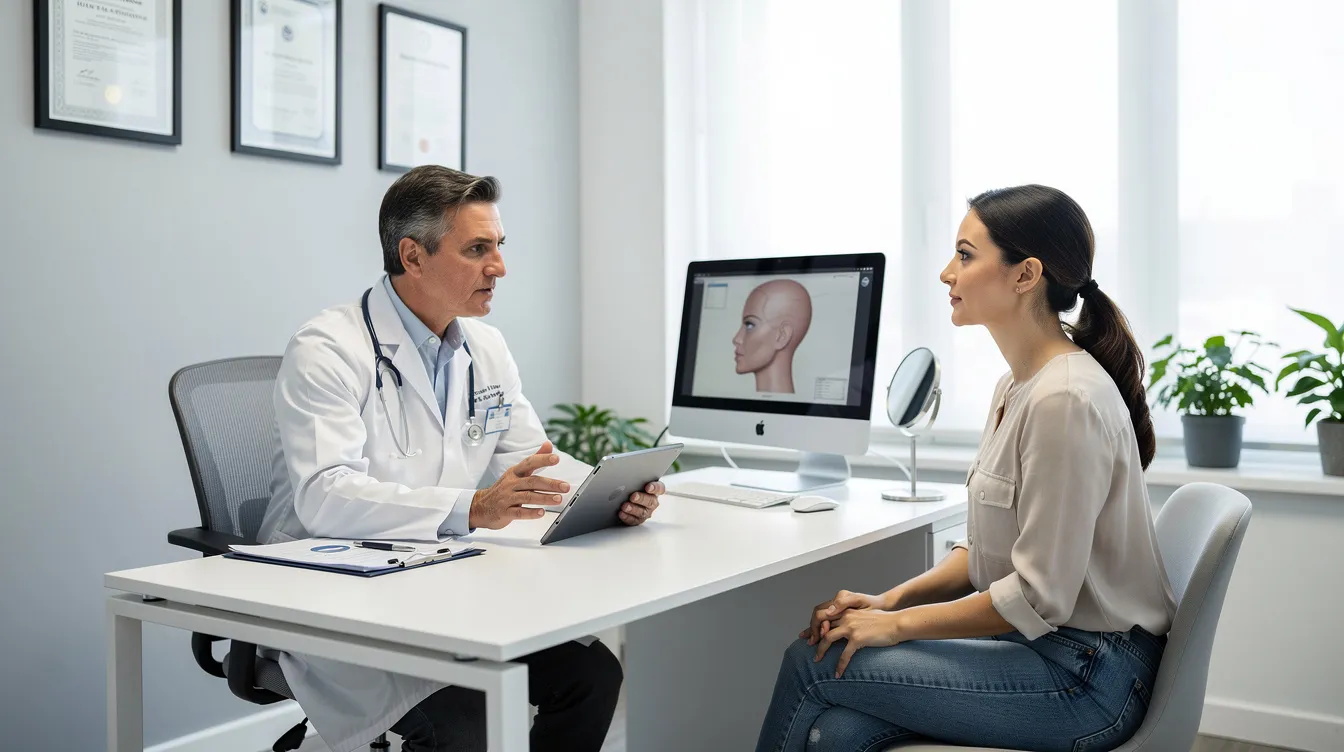
About Breast Implant Replacement
Breast implant replacement involves surgically removing existing implants and inserting new ones, often with adjustments to the surrounding breast tissue and pocket. Unlike initial breast augmentation, which creates a new tissue pocket, replacement surgery leverages the already-established capsule and scar tissue, allowing plastic surgeons to reuse prior incision sites.
Breast implants typically have a lifespan of about 10-15 years, after which they may need to be replaced due to increased risk of complications such as rupture or capsular contracture. However, the expected lifespan of breast implants can range from 10 to 20 years, and many women choose to have them replaced sooner due to complications or cosmetic preferences.
Key reasons for replacement include:
Implant rupture (saline deflation or silent silicone rupture)
Capsular contracture causing hardness or pain
Visible rippling or implant malposition
Size or shape change desires
Breast tissue changes after pregnancy or weight fluctuations
The decision to revise breast implants often involves both medical necessity and aesthetic goals, including desired size or shape change. Decisions are individualized based on implant age, breast health, patient symptoms, and updated aesthetic preferences.
Implant Replacement After Weight Loss or Pregnancy
Significant weight loss (20–50 pounds) or post-pregnancy changes can dramatically affect the breast envelope around existing implants. Many patients experience reduced natural breast volume, stretched or excess skin, sagging (ptosis), and implants sitting too low or too high relative to the nipple.
In these cases, breast implant replacement is often paired with a breast lift to tighten skin, elevate the nipple-areola complex, and reshape the breast mound. Plastic surgeons recommends changing implant size or profile to better match your new body shape and avoid overly heavy implants that can worsen sagging over time.
Preoperative photos, measurements, and 3D imaging help plan how much lifting, tightening, and implant adjustment is required for balanced results.
Types of Implants and Profiles for Replacement
Modern replacement options include saline implants versus silicone gel implants, round versus anatomical shapes, and smooth versus textured surfaces. Note that textured implant use is limited in some regions following 2019 FDA warnings linking certain textured devices to BIA-ALCL.
Many patients switching implants after 10–15 years choose newer generation cohesive silicone gel (“gummy bear”) implants for a more natural feel and lower visible rippling. Implant materials can include saline, silicone gel, or modern cohesive gel implants, which are known for their shape retention.
Profile options include:
Profile | Best For |
|---|---|
Low | Subtle enhancement, wider base |
Moderate | Balanced everyday fullness |
Moderate-Plus | Enhanced cleavage without excess width |
High | Maximum projection for petite frames |
Implants can be placed submuscular (under the chest muscle) or subglandular (over the muscle), each affecting coverage and recovery time. Prior implants, chest width, and soft tissue thickness limit how wide or projected a replacement should realistically be.
Benefits of Breast Implant Replacement
New implants, refined pocket placement, and adjunct procedures can significantly improve both appearance and comfort.
Aesthetic benefits:
Restored or enhanced volume and projection
Correction of asymmetry
Improved breast shape after breastfeeding or weight changes
Smoother upper pole contour
Functional benefits:
Relief of pain from capsular contracture
Reduced tightness or hardness
More natural movement during daily activities and exercise
Psychological benefits:
Renewed confidence and better fit in clothing
Relief from anxiety related to older or problematic implants
Replacing implants also allows patients to switch types—for example, from saline to silicone—which can reduce rippling complaints by approximately 50% based on clinical studies.
Breast Implant Removal vs. Breast Implant Revision
Patients considering changes after previous augmentation face three main options: breast implant replacement, breast implant revision with pocket and capsule work, or full implant removal (explant) without replacement.
Breast implant revision surgery corrects issues such as malposition, capsular contracture, rippling, or size dissatisfaction while keeping some form of implant in place. Breast implant revision is performed to modify or improve the results of a prior augmentation, addressing issues like firmness, malposition, or asymmetry.
Breast implant removal (explant surgery) involves taking out the implants entirely, sometimes with partial or total capsulectomy. Patients may opt for breast implant removal due to complications such as capsular contracture or rupture, or simply because their aesthetic goals have changed.
Removal alone often leaves a deflated, flatter breast—especially after large implants or many years—which is why many patients combine removal with a breast lift or fat grafting to restore natural contour.
The choice between breast implant revision and removal depends on individual goals, anatomy, and overall health, with revision preserving volume and removal restoring a more natural breast appearance.
Candidates for Breast Implant Replacement
Typical candidates are women who had breast augmentation 8–20+ years ago and now notice changes or have new goals.
Medical/functional indications:
Capsular contracture (especially Baker Grade III–IV)
Confirmed or suspected ruptured implant
Chronic discomfort or pain
Changes in breast shape or symmetry
Cosmetic indications:
Desire for larger or smaller breasts
Preference for different implant material
Dissatisfaction with implant position
Drooping over time or visible distortion
Life-stage triggers include:
Completing childbearing
Major weight changes
After breast cancer screening or treatment
Part of a larger body-contouring plan
Basic health criteria include non-smoking status (or willingness to stop 4–6 weeks before surgery), stable weight, realistic expectations, and no uncontrolled medical conditions that would increase anesthesia risk.
Consultation and Pre-Surgery Evaluation
The consultation goal is to review implant history, discuss goals, and design a safe, personalized surgical plan.
History details to cover:
Original breast augmentation date
Implant type (saline vs silicone), size, incision location
Prior revision surgery or complications
Any capsular contracture or infection history
Typical exam elements:
Breast measurements and skin quality assessment
Nipple position evaluation
Palpation for firmness or asymmetry
For silicone implants, the FDA recommends MRI screenings every few years to check for silent ruptures, starting five to six years after surgery and then every two to three years thereafter. Your surgeon will also review current medications, allergies, family history of breast cancer, and any symptoms potentially related to breast implant illness.
How to Prepare for Breast Implant Replacement Surgery
Preparation mirrors initial augmentation but accounts for existing implants and any planned procedures.
Lifestyle steps:
Stop nicotine (including vaping) 4–6 weeks before and after surgery
Limit alcohol in the week before
Maintain stable weight
Medication changes:
Pause blood thinners as directed
Stop herbal supplements and high-dose fish oil or vitamin E
Avoid anti inflammatory drugs unless approved
Practical planning:
Arrange a driver and support person for 24 hours post-surgery
Schedule 5–14 days off work
Set up a recovery area with pillows and a support bra
Patients typically receive pre-op lab tests within 30 days of surgery and clear written instructions about fasting and arrival times.
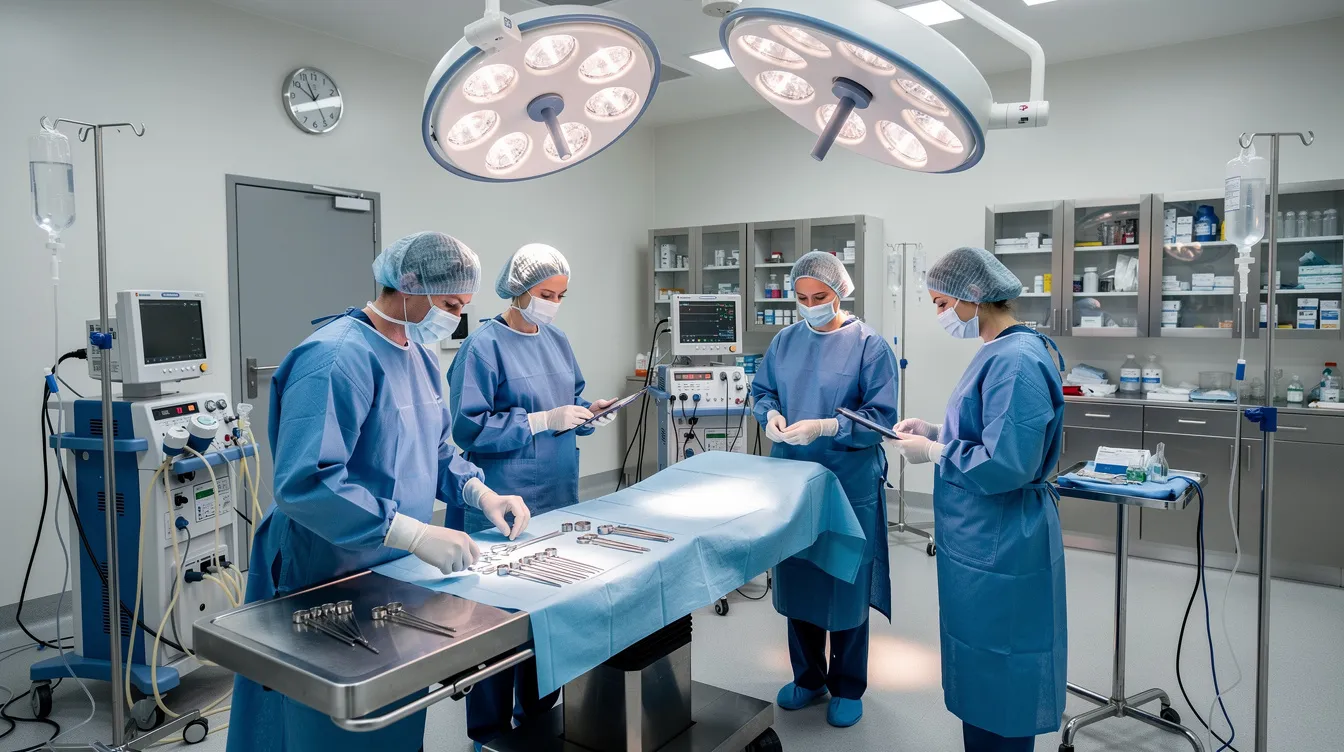
The Breast Implant Replacement Procedure
Replacing breast implants is typically an outpatient procedure performed under general anesthesia in an accredited surgical facility. Surgery for breast implant revision usually takes 1.5 to 3 hours.
Surgeons typically re-use existing incision sites (inframammary fold, periareolar, or axillary) to minimize new scarring.
Main procedural steps:
Opening the capsule through existing incisions
Removing old implants intact
Assessing and possibly reshaping scar tissue
Placing new implants with breast pocket adjustments
Closing incisions with layered sutures
In cases of capsular contracture, the surgeon may perform partial or total capsulectomy and might change implant plane (subglandular to submuscular or dual-plane) to reduce recurrence risk. Acellular dermal matrix may be used for pocket reinforcement.
Combining Breast Implant Replacement with Breast Lift
Many patients choose to combine implant replacement with a breast lift to address sagging due to aging or weight fluctuations. This combination is common when nipples sit low, implants have “bottomed out,” or there’s significant skin laxity.
Key lift goals:
Remove excess skin
Reposition the nipple-areola complex higher
Tighten the breast envelope around the new implant
Incision patterns (periareolar, vertical “lollipop,” or anchor-shaped) are tailored to lifting requirements. Performing both procedures together creates a more youthful, elevated breast shape in a single recovery process, though it extends operating time.
Breast Augmentation with Fat Transfer During Revision
Fat transfer is an adjunct technique where purified fat harvested via liposuction from areas like the abdomen or flanks is injected around the implant.
Fat grafting benefits:
Softens transitions around the implant
Adds subtle volume (about one cup size or less)
Reduces appearance of rippling in thin patients
Combining fat transfer with implant replacement simultaneously refines body contour and breast contour but adds cost and operating time. Patients must have adequate donor fat and understand that some fat (30–50%) may be reabsorbed during healing, potentially requiring touch-ups.

Recovery After Breast Implant Replacement
Most patients go home the same day, wearing a supportive surgical bra. After breast implant replacement, patients can expect to experience tenderness, soreness, bruising, and swelling in the breasts, which will gradually fade as they heal.
Typical recovery timeline:
Timeframe | What to Expect |
|---|---|
Days 1–5 | Most discomfort, peak swelling |
1 week | Light activities, return to desk work |
3–6 weeks | Gradual return to exercise |
Up to six weeks | Swelling subsides substantially |
Recovery from breast implant revision is generally straightforward and requires only a few days of rest for simple exchanges. Recovery from breast implant replacement is similar to that of the initial breast augmentation, and patients are advised to limit their activities for several weeks as they heal.
Aftercare instructions:
Sleep on your back with upper body elevated
Avoid lifting more than 10 pounds initially
Keep incisions clean and dry
Wear surgical bra 24/7 for 4–6 weeks
Complex cases may require drains for 3–7 days. Attending all follow-up visits ensures proper monitoring and timely guidance on transitioning to regular bras.
Results and Longevity of New Breast Implants
Final results evolve over several weeks to months as swelling subsides and implants settle into position (“drop and fluff”). It may take up to six weeks for swelling to subside after breast implant replacement, and true results may not be visible for six to twelve months.
Most modern implants, when placed correctly and monitored, can last 10–15 years or longer—but no implant is considered a permanent, lifetime device. Long-term results depend on factors like implant type, pocket placement, weight stability, pregnancies, and natural aging of breast tissue.
Patients with silicone implants should follow FDA guidance for imaging. Schedule periodic checkups with your plastic surgeon so early issues can be addressed proactively.
Cost of Breast Implant Replacement
Breast implant replacement cost varies based on geographic region, surgeon expertise, facility fees, implant type, and whether additional cosmetic procedures are included.
National cost range: The national average cost of breast implant revision surgery is approximately $8,663, with a range from $3,500 to $15,500.
Typically included costs:
Surgeon’s fee ($4,000–$7,000)
Anesthesia ($2,000–$4,000)
Operating room fees
New implants ($1,000–$2,000/pair)
Postoperative visits
Adding a lift, fat transfer, or extensive capsulectomy can increase total costs by 50–100%. Insurance rarely covers these procedures except in rare cases involving rupture or medical necessity.
Financing solutions such as medical credit cards or payment plans are commonly available. Schedule an in-person consultation for an individualized price estimate based on your exact plan.
Risks, Complications, and Breast Health Considerations
Breast implant replacement and revision carry standard surgical risks plus implant-specific concerns.
Common potential complications:
Bleeding, infection, delayed wound healing
Changes in nipple or breast sensation (usually temporary)
Scarring, asymmetry, implant malposition
Recurrent capsular contracture (5–15% risk)
Rare but important concerns:
Implant rupture or exposure
For certain textured devices, risk of breast implant-associated anaplastic large cell lymphoma (BIA-ALCL)
Concerns regarding breast implant illnesses, such as BIA-ALCL, can contribute to the decision to replace or remove implants.
Routine breast cancer screening continues as appropriate for age and family history. Implants can affect mammograms (10–20% tissue obscuration) but don’t prevent screening when technicians use implant-displacement views. Discuss any systemic symptoms you worry may be related to breast implant illness so your surgeon can review current evidence and options.
FAQ
Do breast implants really need to be replaced every 10 years?
There’s no fixed “expiration date.” Some implants remain comfortable and intact for 15–20 years or more, while others need earlier breast implant replacement. Many women opt to replace their implants around 10 years after receiving them, as this is when the warranty for many implants typically expires. The 10-year timeframe reflects warranty periods and average complication rates—not a mandatory replacement rule. Regular check ups and imaging determine if and when replacement is necessary.
How can I tell if my breast implant has ruptured?
Saline implant ruptures usually cause rapid, noticeable loss of breast size over hours or days as saline solution is absorbed by the body. Silicone implant ruptures are often “silent,” with no obvious change, detected only through ultrasound or MRI. Signs that breast implants may need revision or replacement include visible distortion, pain, or changes in breast shape. Contact your board certified plastic surgeon promptly if you notice any changes.
Can I switch from implants to fat transfer only?
Some patients choose full implant removal followed by one or more fat transfer sessions to restore modest breast volume. Fat transfer alone typically provides subtler results than implants—expectations must be realistic, especially when removing large implants. Candidates need adequate donor fat and should understand that some transferred fat will be reabsorbed over several weeks to months.
Will breast implant replacement affect my ability to detect breast cancer?
Women with implants can still undergo standard breast cancer screening, but mammography may require special implant-displacement views. Implants can obscure a small portion of breast tissue, which is why experienced imaging centers and supplemental ultrasound or MRI are recommended. Always inform your imaging center about your implants and maintain age-appropriate screening schedules.
Is recovery easier after breast implant replacement than after my first augmentation?
Many patients find that discomfort is equal or somewhat less than their initial breast surgery because the tissue and pocket have already been expanded. However, recovery may be longer when extensive capsulectomy, lift, or implant removal is added. Plan at least a week of reduced activity and closely follow your surgeon’s instructions for a smoother recovery process.
The right timing for breast implant replacement depends on your unique situation, symptoms, and goals. Whether you’re addressing complications, updating aesthetics, or simply ready for a change, working with a board certified plastic surgeon ensures you have a clear understanding of your options. Schedule a consultation to discuss your personalized plan and take the next step toward results that match your current lifestyle and aesthetic goals.

-2.jpg?width=2000&height=2000&name=Copy%20of%20YouTube%20Thumbnail%20-%20Life-Changing%20Cosmetic%20Surgery!%20(Document)-2.jpg)


