Renuvion, also known as renuvion j plasma, is a minimally invasive technology designed to treat skin laxity by combining helium plasma and radiofrequency energy. The renuvion device delivers precise, controlled heat to underlying tissues beneath the skin's surface, causing immediate tissue contraction and triggering long-term collagen production. It can treat skin laxity on nearly any body area, though it is most commonly applied to the neck region, submental region, arms, abdomen, and thighs. This guide covers everything patients and surgeons need to know about this minimally invasive procedure, from candidacy and procedure details to recovery, risks, and cost.
Learn more: Botox & Fillers at Leva Medical
How Renuvion Works
The renuvion procedure relies on a unique combination of two energy sources working in tandem.
Helium gas serves as the carrier medium. When ionized by radiofrequency energy, it forms a focused stream of plasma energy that rapidly heats subdermal soft tissue. Because helium dissipates heat quickly, temperatures drop almost immediately after energy delivery, which helps protect the skin's surface and nearby blood vessels from prolonged thermal exposure.
The radiofrequency energy component powers the ionization process and contributes resistive heating to tissue. Together, these two forces raise internal tissue temperature to approximately 85°C in fractions of a second. At these temperatures, collagen fibers denature and contract, shrinking to roughly one-third of their resting length in as little as 0.04 seconds per treatment point.
This initial collagen contraction is only part of the story. The controlled thermal injury also activates fibroblasts, which begin synthesizing new collagen over the following months. This neocollagenesis process improves skin elasticity and skin firmness progressively. Clinical data shows approximately 76% of patients demonstrate improvement at three months, rising to 82.5% at six months. Results from Renuvion can improve for six to nine months after the procedure, with some patients noting continued gains up to one year.
Who Is a Candidate for Renuvion? (Good Candidate Criteria)
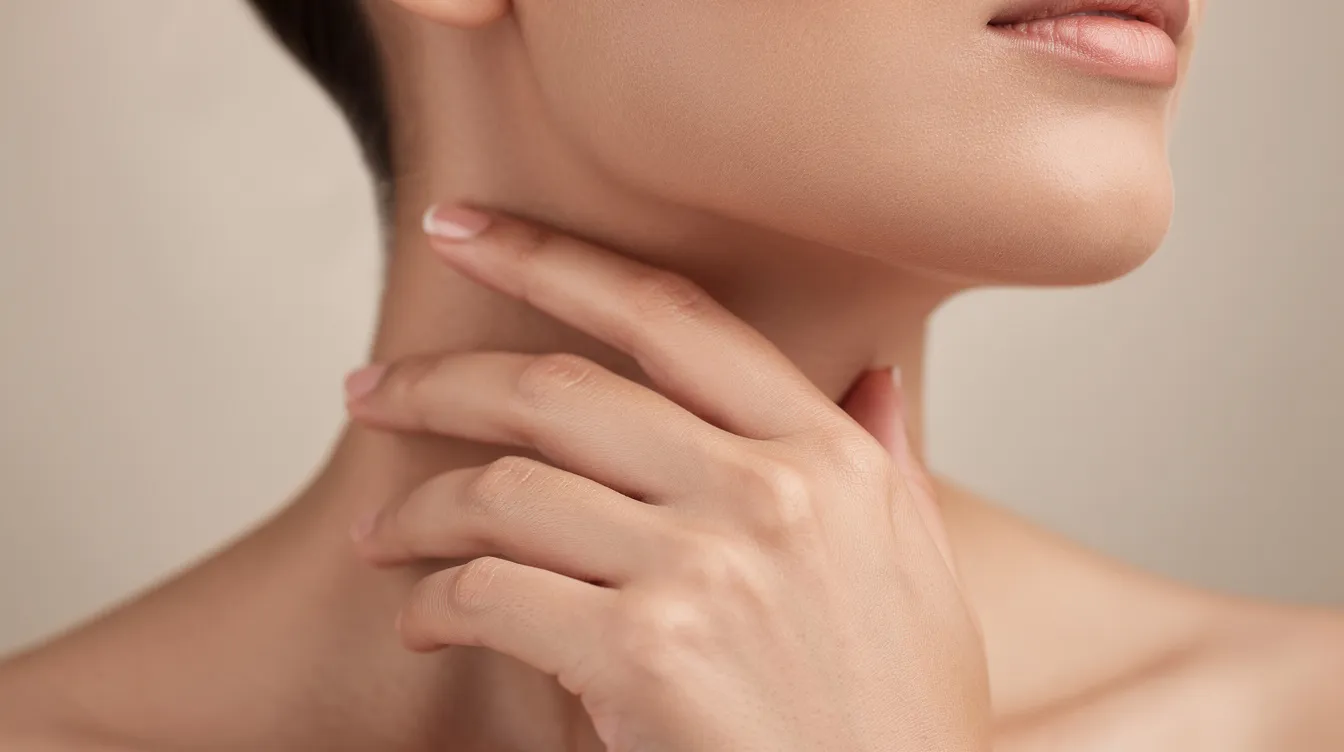
A good candidate for renuvion typically presents with mild to moderate skin laxity rather than massive excess skin. It can effectively firm mild-to-moderate laxity across various body areas. Key medical criteria include:
Good wound healing capacity (no uncontrolled diabetes or connective tissue disorders)
Stable healthy weight, especially if post-weight-loss
Nonsmoker status (cessation at least 4-6 weeks before treatment)
Minimal significant comorbidities
Age matters, though no strict cutoff exists. Skin elasticity declines with age, and patients over 50-60 may rely more heavily on neocollagenesis than immediate contraction, so expectations should be managed accordingly.
Weight stability is critical. In published studies of patients combining Renuvion with body contouring after massive weight loss, inclusion required at least 20 kg of prior weight loss, two or more years of weight stability, and nonsmoking status.
Smoking cessation is non-negotiable. Smoking impairs wound healing, increases risk of tissue necrosis, and undermines the collagen remodeling that drives long-term results.
Candidate Assessment by a Board Certified Plastic Surgeon
Every prospective patient should consult a board certified plastic surgeon experienced with energy-based devices. During pre-op evaluation, the surgeon will assess:
Complete medical history, medications, and smoking status
Skin quality, texture, thickness, and degree of lax skin
Treatment area size and location
Prior surgical procedures
Baseline photos under standardized lighting and skin thickness measurements (sometimes via ultrasound) help set realistic expectations and track outcomes over time.
Procedure Details: What Happens During Surgery
Renuvion requires only a small incision for treatment. In the neck and submental region, three incisions of approximately 3-4 cm are typically placed: one in the submental crease and two laterally. These allow both wand access and helium gas venting to prevent gas accumulation in body cavities.
After tumescent solution is infused into the treatment area, the surgeon inserts the subdermal wand through the incisions and delivers plasma energy in multiple controlled passes across the tissue. Settings such as power percentage, helium flow rate, and number of passes vary by area and surgeon protocol.
Renuvion treatment typically takes 30-45 minutes when combined with liposuction. Standalone neck treatments may take under one hour. Larger body areas combined with other procedures take proportionally longer.
Anesthesia Options Including General Anesthesia
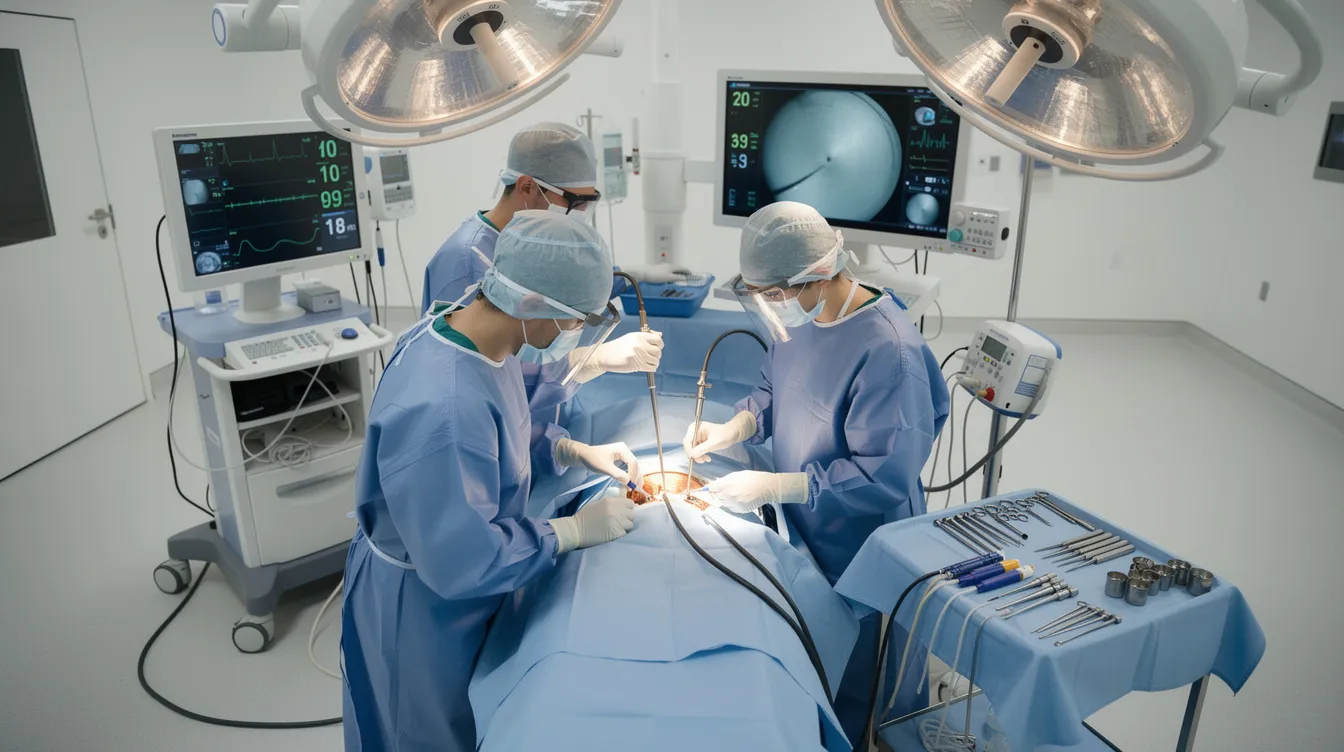
Anesthesia choice depends on treatment scope:
Local anesthesia with tumescent infusion works well for isolated small areas like the neck
Sedation combined with local anesthetic provides comfort for moderate treatment areas
General anesthesia is used for larger body contouring sessions or when Renuvion is combined with liposuction treatment across multiple zones
Each option carries different risk profiles. General anesthesia involves systemic risks, longer recovery time, and requires an accredited facility. Discuss all anesthesia options and their associated risks with your surgeon during consultation.
Recovery and Aftercare
Recovery typically lasts one to two weeks after renuvion treatment, though timelines vary by area and extent.
Recovery Milestone | Timeline |
|---|---|
Peak swelling | Days 1-3 |
Bruising and swelling usually resolve | Within one week |
Pain reduction to minimal discomfort | By Day 7 (96.9% of patients report no-to-moderate pain) |
Return to normal activities | Most patients return within a few days |
Full recovery | Up to three months on average |
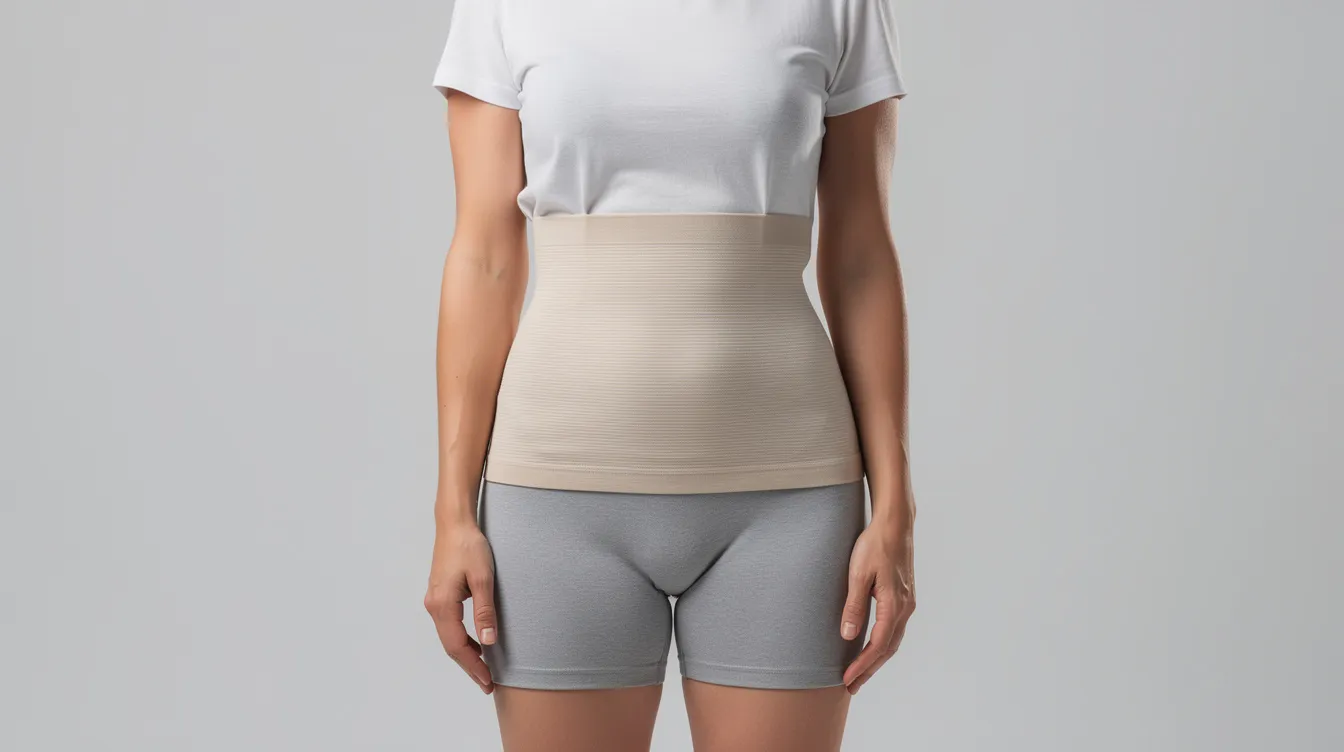
Patients may experience mild pain managed with over-the-counter medications. Compression garments are worn continuously for the first 24-72 hours, then gradually reduced over several weeks. Activity restrictions include avoiding heavy lifting and strenuous exercise for 2-4 weeks, and limiting sun exposure to incision sites.
Return-to-work timelines depend on scope: 2-3 days for standalone neck treatments, 7-10 days when combined with body contouring or liposuction.
Risks, Side Effects, and FDA Clearance
Common mild side effects include swelling, bruising, temporary numbness, mild serous drainage, crepitus from residual helium gas, and transient tissue induration. These typically resolve within days to weeks.
Risks of the procedure include burns, infection, and nerve damage. Rare but serious complications documented in adverse event databases include subcutaneous emphysema, pneumothorax, pneumomediastinum, and full-thickness thermal injuries.
Regarding fda clearance: Renuvion is FDA cleared for neck and submental skin laxity via the renuvion apr handpiece (July 2022). Renuvion is also the only device FDA cleared for post-liposuction skin tightening. Renuvion has four FDA 510(k) clearances in the last year, covering general soft tissue procedures, neck skin laxity, post-liposuction coagulation, and dermal skin resurfacing for moderate-to-severe wrinkles in Fitzpatrick skin color types I-III.
The FDA issued a safety communication against using Renuvion off-label due to adverse events reported before expanded clearances were granted. Renuvion's safety is supported by substantial clinical evidence within its cleared indications, but off-label use carries additional uncertainty.
Choosing a board certified provider is essential for safety. Experience and skill of the surgeon are crucial for safe operation of Renuvion. The procedure requires precise technical skill and understanding of anatomy.
How Renuvion Compares to Other Procedures
Renuvion is not a substitute for facelift or body lift in cases of significant excess skin. Here's how it stacks up against other procedures:
Factor | Renuvion | Tummy Tuck / Arm Lift | Facelift |
|---|---|---|---|
Invasiveness | Minimally invasive | Major cosmetic surgery | Major surgical procedures |
Skin removal | None | Yes, excises sagging skin | Yes |
Downtime | 1-2 weeks | 4-6 weeks | 2-4 weeks |
Best for | Moderate skin laxity | Significant loose skin | Severe facial/neck laxity |
Scarring | Minimal (small incisions) | Visible scars | Hidden but longer scars |
Renuvion minimizes risks compared to traditional surgical procedures while still delivering measurable tissue contraction. Combining Renuvion with liposuction enhances body contouring results: studies show approximately 44% skin-to-fascia contraction with the combination versus 37% with liposuction alone.
However, excisional cosmetic surgery permanently removes excess skin. Renuvion's results, while lasting years, will gradually diminish due to aging, sun damage, weight loss or gain, and other factors.
Other Treatments and Combination Options
Renuvion is FDA cleared for use after liposuction. Renuvion tightens skin by contracting collagen fibers post-liposuction, and Renuvion can reduce the appearance of loose skin after liposuction significantly. This combination is the most common clinical pairing.
Other treatments that may serve as adjuncts or alternatives include noninvasive RF devices, ultrasound-based tightening, microneedling with RF, thread lifts, and injectable collagen stimulators. These offer minimal downtime but generally produce more modest results than Renuvion.
A staged treatment plan designed by your plastic surgeon may work best. For example, liposuction plus Renuvion first, then excisional surgery later if residual skin excess remains. Timing matters: wait until weight has stabilized for 6-12 months before pursuing body contouring.
Choosing a Board Certified Plastic Surgeon for Renuvion
Selecting the right provider directly impacts outcomes and safety. Steps to take:
Verify board certified plastic surgeon credentials through the American Board of Plastic Surgery
Ask about Renuvion-specific experience: number of cases, anatomical areas treated, complication rates
Request standardized before-and-after photos at multiple time points
Confirm complication management protocols, particularly for gas-related emergencies like subcutaneous emphysema and pneumothorax
Questions to Ask During Consultation
Am I a candidate for renuvion based on my skin quality and aesthetic goals?
What is the expected results timeline, and when will I see desired results?
Which anesthesia option do you recommend, and what are the risks?
What does recovery look like for my specific treatment plan?
Should I consider alternative cosmetic surgery options like a tummy tuck, arm lift, or facelift instead?
Cost, Insurance, and Financing
Costs vary based on treatment area and desired results. Key pricing benchmarks:
Renuvion treatment costs around $4,000 per hour
Renuvion for the lower face and neck starts at $6,500
Average reported cost across areas is approximately $5,842
Additional fees include anesthesia fees, facility fees, and device handpiece costs
Insurance typically does not cover elective skin tightening. Many plastic surgery practices offer financing plans. Consultations provide personalized cost estimates for Renuvion based on your specific treatment areas and combination procedures.
FAQs and Patient Expectations
How long do results last? Clinical studies show improvement persisting through six months to two years in tracked cohorts. Aging, sun exposure, and weight fluctuations will gradually affect results over time, helping maintain a more youthful appearance longer than doing nothing, but not permanently.
How many treatments are needed? Most patients achieve their goals with a single treatment per area. The FDA neck/submental study demonstrated primary effectiveness with one renuvion treatment at Day 180.
Will there be visible scarring? Scarring is minimal. Incisions are 3-4 cm and placed in natural creases or inconspicuous locations. Scars may appear pink initially but fade over months. Risk of hypertrophic scarring is low with proper technique.
Conclusion and Next Steps
Renuvion skin tightening occupies a valuable middle ground between noninvasive treatments and major cosmetic surgery. It can tighten skin and deliver a more youthful appearance for patients with moderate skin laxity who want to avoid extensive surgical procedures. But it has real limitations and real risks that demand an experienced, qualified provider.
Your next step: schedule a consultation with a board certified plastic surgeon who has documented experience with the renuvion device. Before your appointment, gather your medical records, a list of current medications, and recent photos of your areas of concern. Come prepared with questions about your treatment plan, recovery specifics, and realistic expectations for your body and goals.
Frequently Asked Questions
What does Renuvion do to treat skin laxity?
Renuvion combines helium plasma and radiofrequency energy to heat underlying tissue to approximately 85°C. This causes immediate collagen contraction and triggers long-term collagen production over several months, improving skin elasticity and firmness.
Which body areas can be treated with Renuvion?
Renuvion can treat skin laxity on nearly any body area. It is most commonly applied to the neck, submental region, arms, abdomen, and thighs.
What are the key candidacy requirements for Renuvion?
Good candidates have mild to moderate skin laxity, good wound healing capacity, stable weight, and nonsmoker status for at least 4-6 weeks before treatment. Patients should have no uncontrolled diabetes or connective tissue disorders.
How long does recovery take after Renuvion treatment?
Recovery typically lasts one to two weeks. Peak swelling occurs in days 1-3, most patients return to normal activities within a few days, and full recovery averages three months.
When do results from Renuvion become visible?
Clinical data shows approximately 76% of patients demonstrate improvement at three months, rising to 82.5% at six months. Results can continue improving for six to nine months after the procedure.
-2.jpg?width=2000&height=2000&name=Copy%20of%20YouTube%20Thumbnail%20-%20Life-Changing%20Cosmetic%20Surgery!%20(Document)-2.jpg)


