If you’re planning breast augmentation surgery, understanding what happens after you leave the operating room is just as important as choosing the right implants. At Leva Medical in Queens, NY, Dr. Jean-Paul Leva, DO, FACS guides patients through every step of the recovery process. The recovery period can feel overwhelming when you don’t know what to expect, but with the right preparation and realistic expectations, most patients navigate it smoothly.
Quick Answer: How Long Is Recovery for Breast Augmentation?
Most patients feel mostly normal within 4 to 6 weeks after breast augmentation, though your body continues settling and refining results for 3 to 12 months. The breast augmentation recovery timeline breaks down into distinct phases that look quite different:
Back to desk job and everyday life: Often 5 to 10 days for non-physical work
Full physical clearance: Around the six week mark for most patients
Final results: Up to six months to one year for complete settling and scar maturity
Several factors influence your personal recovery time. Larger breast implants create more tissue stretch. Submuscular placement (under the chest muscles) typically causes more initial tightness than placement over the muscle. Combining procedures like a lift extends healing. Your overall health, whether you smoke, and how closely you follow aftercare instructions all play significant roles.
This article walks through recovery day by day and week by week, covering practical tips to promote healing and warning signs that need attention.
Understanding Breast Augmentation Recovery
Breast augmentation is major plastic surgery involving general anesthesia, precise incisions, and stretching of breast tissue to accommodate implants. The healing process unfolds in phases:
Immediate post-op (first 48 hours): Anesthesia effects, significant rest required
Early healing (week 1): Peak discomfort, limited mobility
Gradual return to normal (weeks 2–6): Energy returns, activities resume progressively
Long-term settling (3–12 months): Implants settle, final shape emerges
Common symptoms during the first few weeks include swelling, tightness across the chest, pressure sensations, bruising, and upper body fatigue. These are totally normal.
Implant placement affects early recovery significantly. Submuscular placement stretches the pectoral muscle, creating more soreness and limiting arm movements initially. Subglandular placement over the muscle typically allows faster mobility but may suit different body types.
Your own plastic surgeon’s protocol always overrides generic timelines. Every patient recovers differently based on their unique anatomy and procedure specifics.

Immediate Post-Surgery Recovery (First 24–48 Hours)
You’ll go home the same day from the surgery center, but these first 48 hours are critical. Plan for complete rest with someone responsible staying with you overnight.
Expect anesthesia effects like grogginess, nausea, chills, and emotional fluctuations. Your breasts will feel tight, firm, and sit high on your chest with bandages or a surgical bra in place.
Most surgeons prescribe a combination of prescription pain medication, possibly muscle relaxers for submuscular placement, and antibiotics to reduce infection risk. Take pain medication on schedule rather than waiting until pain becomes severe.
First 48-hour priorities:
Sip water and eat light snacks
Take gentle walks around the house to reduce blood clots risk
Keep medications on schedule
Avoid all lifting, driving, housework, and overhead reaching
What Happens Right After Breast Augmentation Surgery?
The immediate post op experience follows a predictable pattern. You wake in the recovery room under monitoring for vital stability. Staff check your bandages, review discharge instructions, and release you to go home with a responsible adult.
Your new breasts will appear very high and swollen with pronounced upper-pole fullness. This is not your final look. Some surgeons place small surgical drains for 1 to 3 days to evacuate fluid, removed at your first follow up appointment.
Expect tight dressings, limited arm use, and instructions to keep everything dry. Feeling emotional or anxious during this window is common due to anesthetic effects and sudden physical change.
Medications and Pain Management
Your typical pain control plan includes:
Prescription opioids or non-opioid alternatives for 3 to 5 days
Transition to acetaminophen and ibuprofen as cleared
Antibiotics for 5 to 7 days (complete the full course)
Muscle relaxers if implants are placed under the muscle
Common side effects include constipation and drowsiness. Discuss stool softeners with your surgeon beforehand. Avoid alcohol, driving, and major decisions while on strong pain medication. Never add over-the-counter painkillers without checking safe combinations with your surgical team.
Compression Garments and Surgical Bras
Your surgeon places a surgical bra or compression garment immediately after breast surgery. This isn’t optional—it serves critical functions:
Weeks 1–4: Wear your surgical bra 24/7
Weeks 4–6: Transition to a soft sports bra or athletic bra as cleared
Weeks 6–12: Continue supportive bras; no underwire or push-up styles until approved
Benefits include reduced swelling, improved comfort, stabilized implant position, and better long-term shape. Many patients find the compression actually feels supportive rather than restrictive.
Breast Augmentation Recovery Timeline: Day-by-Day and Week-by-Week
Exact experiences vary, but this breast augmentation recovery timeline provides realistic milestones for a straightforward procedure.
Days 0–2:
Intense rest with assistance for meals and medications
Focus on pain control and staying hydrated
No work, driving, or lifting heavy objects
Gentle bathroom trips and brief walks only
Days 3–7:
Swelling and bruising typically peak around day 3, then improve
Transition to lighter pain medication
First follow up appointment usually occurs (drain removal if applicable)
About one week marks when many patients manage basic self-care
Week 1:
Short walks indoors, simple light activities
No lifting more than 2–3 kg (about a litre of milk)
Breasts remain firm and sit high
Energy still limited; rest remains priority
Weeks 2–3:
Energy improves noticeably
Many desk job workers resume normal activities
Still avoiding strenuous activities, overhead reaching, chest exercises
Driving possible once off prescription medication and seatbelt feels comfortable
Weeks 4–6:
Breasts begin the “drop and fluff” process—softening and settling
Light exercise like walking or stationary cycling if cleared
Most patients feel significantly more normal
Still protecting the chest from impact
Beyond 6 Weeks:
Green light for more vigorous exercise from your surgeon
Gradual return to upper body workouts and heavier lifting
Light cardio progresses to running and higher-impact activities
Implants continue settling into a more natural position
Common Side Effects vs. Warning Signs
Many symptoms during post surgery recovery are expected, but some require urgent attention.
Normal side effects:
Mild to moderate swelling, peaking early then receding
Bruising across the chest
Tightness and pressure sensations
Temporary nipple hypersensitivity or numbness
Early asymmetry (usually self-corrects)
Fatigue lasting several weeks
Low-grade temperature in the first day
Warning signs requiring immediate contact:
Rapidly increasing pain or swelling in one breast (possible hematoma)
Spreading redness or foul-smelling drainage from incision site (infection signs)
Fever above 38°C persisting beyond 24 hours
Shortness of breath or sudden chest pain (rare but serious)
Rigid distortion of breast shape (potential capsular contracture)
Capsular contracture—where scar tissue tightens around the implant—typically develops later, not in the first few weeks. If anything feels “not right,” contact your surgical team immediately rather than waiting.
Do’s and Don’ts for a Smooth Breast Augmentation Recovery
Your behavior at home strongly influences comfort, scar quality, and final breast shape. Following these guidelines supports a successful outcome.
Do:
Follow all aftercare instructions from your plastic surgeon
Attend every follow up appointment
Sleep on your back with upper body elevated for 4–6 weeks
Walk gently every day to promote healing and circulation
Stay hydrated and eat protein-rich, low-sodium meals
Arrange help at home for at least 48–72 hours
Set up a recovery station with medications, water, phone charger, and entertainment
Organise childcare and pet care in advance
Don’t:
Lift anything over 2–3 kg for several weeks post surgery
Reach high overhead or push heavy doors
Drive while on strong pain medication
Smoke or vape (significantly delays healing)
Resume high-impact physical activity until cleared
Sleep on your stomach or side for 4–6 weeks
Wear underwire or push-up bras until fully healed
Judge your final results too early—swelling and high positioning are expected
Planning Time Off Work and Help at Home
Recovery time off work varies significantly by occupation:
Job Type | Typical Time Off |
|---|---|
Desk/office work | 5–7 days |
Light retail | 1–2 weeks |
Nursing/hospitality | 2–3 weeks |
Childcare/personal training | 3+ weeks |
Schedule surgery to allow a quiet first weekend. Stock up on easy meals, medications, and basic supplies. Arrange help with driving, shopping, and heavy chores for the first week minimum.
Parents of young children need pre-arranged lifting help. Lifting heavy objects like toddlers is prohibited for several weeks post surgery.
Exercise, Driving and Daily Activities
Most surgeons advise no driving while on prescription pain meds and typically not during the first week. Only drive when you can comfortably react and wear a seatbelt without significant discomfort.
Activity progression:
Days 1–2: Walking around the house only
End of week 1: Longer, gentle walks outdoors as tolerated
Weeks 2–4: Light activities and housework (folding laundry, light cooking)
Weeks 4–6: Low-impact light cardio if cleared
After 6 weeks: Upper body workouts, chest exercises, and lifting heavy objects gradually
Leave vacuuming, mopping, and moving boxes until you have surgeon clearance. Pushing your recovery too fast risks complications.
How Surgical Choices Affect Your Recovery
Choices made at consultation—implant type, breast size, placement, and incision location—shape both comfort and your recovery timeline.
Larger implants (over 400cc) create more tissue stretch and extended tightness. Submuscular placement and combination procedures like augmentation with lift generally mean more initial discomfort and slightly longer early recovery.
Healthy non-smokers with good support at home tend to recover more smoothly. Discuss your lifestyle openly with your surgeon so your surgical plan fits your recovery needs.
Implant Placement: Over vs. Under the Muscle
Implants placed under the pectoral muscle typically cause more tightness and movement discomfort during the first week. However, submuscular placement often hides implant edges better in patients with less breast tissue.
Over-the-muscle placement usually allows slightly faster initial recovery with less muscle soreness, though it may not suit every body type.
Submuscular placement temporarily limits arm movements more significantly—pushing doors, lifting objects, and reaching shelves may feel difficult for one to two weeks. Ask your surgeon specifically how your placement choice affects expected recovery time and activity limits.
Implant Type, Incision and Scarring
Silicone and saline breast implants follow similar recovery steps. Silicone typically feels more natural and settles subtly, while saline allows size adjustability.
Common incision locations each require tailored scar care:
Inframammary fold: Under the breast, well-concealed
Periareolar: Around the nipple border
Transaxillary: In the armpit
Scars evolve predictably. Expect pink, slightly raised incision site appearance for the first few months. By 6–12 months, scars typically flatten and fade significantly with proper care including silicone sheets or gel, gentle massage when cleared, and sun protection.
Long-Term Healing, Settling and Your Final Results
While daily life feels normal by 4–6 weeks for most patients, internal healing and cosmetic refinement continue for months.
The “drop and fluff” phenomenon describes how implants start high and firm, then gradually descend and soften. This typically begins around weeks 4–6 and continues through three to six months as swelling resolves and tissues relax.
True final results—including natural shape, softness, symmetry, and scar maturity—are usually evaluated at the 9–12 month mark. Your breasts will settle into their natural position over this period.
Minor asymmetries and firmness early on are common and not necessarily problematic. Maintain healthy habits including stable weight, wearing a supportive sports bra during exercise, and avoiding smoking to protect your results long-term.

Follow-Up Appointments and Ongoing Care
A typical follow-up schedule includes:
First visit within a few days (drain removal, incision check)
1–2 weeks post surgery (activity adjustments)
Around 6 weeks (exercise clearance, bra guidance)
3 months (progress review)
1 year (final evaluation)
These visits involve checking incisions, adjusting activity restrictions, advising on bras, discussing scar care, and reviewing results. Bring written questions to each appointment.
Long-term, maintain regular breast health screening and inform radiology staff about your breast implants before mammograms or ultrasounds.
Recap & Next Steps
Your breast augmentation recovery follows a predictable pattern: intensive rest for the first 48 hours, the first week as the most challenging phase, weeks 2–6 as gradual return to normal activities, and months 3–12 for settling into final results.
The behaviors that support safe recovery and a successful outcome include:
Following your surgeon’s specific instructions
Protecting incisions and wearing the right surgical bra
Avoiding premature strenuous activities
Attending all follow-up appointments
Being patient with the healing process
Patients recover at different rates based on their unique bodies and surgical choices. If you’re considering breast augmentation, schedule a personalised consultation to discuss expected recovery based on your anatomy, occupation, and lifestyle.
Come prepared with questions about your specific recovery timeline, implant options, time off work, and any concerns about resuming your normal routine. Being well prepared before surgery makes for a smoother recovery and helps ensure you’re fully recovered with results you love.
Schedule Your Breast Augmentation Consultation
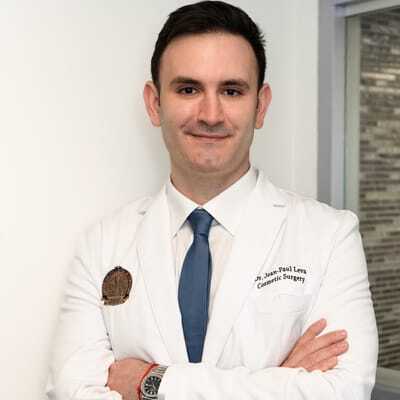
Dr. Jean-Paul Leva at Leva Medical in Queens, NY offers personalized breast augmentation consultations. Book your appointment online to discuss your goals, recovery timeline, and implant options.
Learn more: Body Contouring at Leva Medical
-2.jpg?width=2000&height=2000&name=Copy%20of%20YouTube%20Thumbnail%20-%20Life-Changing%20Cosmetic%20Surgery!%20(Document)-2.jpg)


