If you're researching dermal filler options for volume loss, deep wrinkles, or aging hands, Radiesse treatment deserves a closer look. This injectable soft tissue filler works differently from most alternatives on the market-delivering both immediate results and continued improvement over months. Here's everything you need to know before booking your first treatment.
Learn more: Botox & Fillers at Leva Medical
Introduction to Dermal Fillers and Radiesse Treatments
Dermal fillers are injectable substances used in cosmetic dermatology to restore volume, smooth wrinkles and folds, and enhance facial structure. Unlike hyaluronic acid fillers that work primarily by attracting water and adding volume, Radiesse occupies a unique position in the landscape as a biostimulatory filler. It's built on calcium hydroxylapatite technology, giving it a dual mechanism that few other dermal fillers can replicate.
Ideal candidates for Radiesse treatment are adults experiencing moderate to severe facial wrinkles, lost volume in the cheeks or hands, or visible signs of facial aging who want durable correction without frequent touch ups.
What Is Radiesse and Calcium Hydroxylapatite
Radiesse is composed of calcium hydroxylapatite microspheres suspended in a gel carrier made primarily of carboxymethylcellulose and water. CaHA is a mineral-like compound naturally found in human bones and teeth, which makes it highly biocompatible. The microspheres are roughly 25–45 µm in diameter and are gradually naturally absorbed by the body through enzymatic activity over many months.
The product is FDA approved for several indications:
Correction of moderate to severe facial wrinkles and nasolabial folds
Restoring volume in the back of the hands
Improving jawline contour (Radiesse (+) formulation)
Benefits of Radiesse Dermal Filler
Radiesse provides immediate structural support upon injection. The gel carrier fills space beneath the skin, so correction is visible immediately after the procedure. Patients walk out of their appointment with a noticeable youthful appearance.
What sets Radiesse apart is collagen stimulation. Radiesse stimulates collagen production unlike traditional fillers, triggering fibroblasts to generate new type I and type III collagen around the microspheres. This collagen production continues well after the gel carrier dissipates, meaning the treatment builds on itself over time. The result is improved skin firmness and elastin production that supports your own skin from within.
Radiesse results typically last 12 to 18 months, and some patients may see results lasting up to 24 months. Long-term studies have shown that 40% of treated nasolabial folds still appeared improved at 30+ months. Radiesse improves skin quality and reduces wrinkles across multiple treatment areas, including the face, hands, and décolletage.
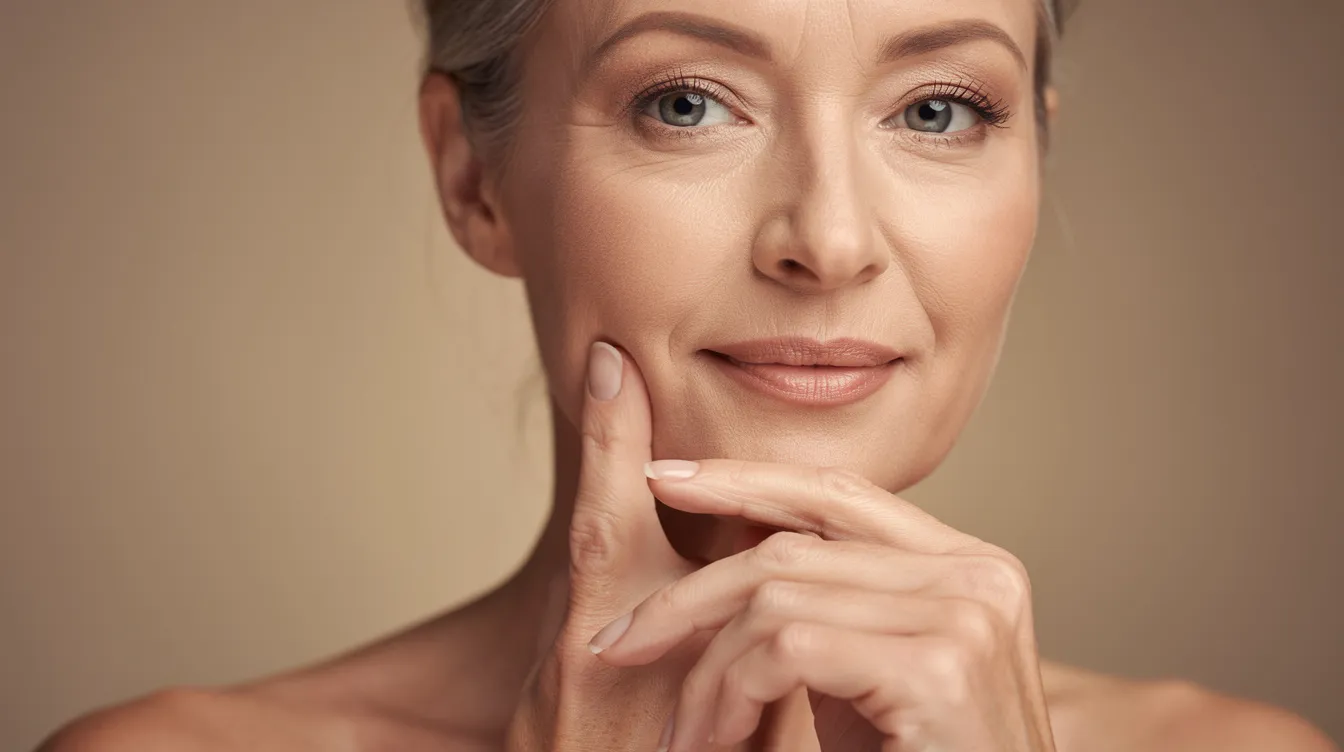
Indications: Nasolabial Folds and Treatment Areas
Radiesse is effective for facial contouring, deep wrinkle correction, and hand rejuvenation. The primary FDA-approved facial area targets include:
Deep nasolabial folds and marionette lines
Cheek volume loss and facial enhancement
Jawline definition (Radiesse (+))
Facial fat loss due to HIV (lipoatrophy)
Radiesse can restore volume in the back of the hands, addressing visible tendons and volume loss that comes with aging. It also improves skin quality on the neck and décolletage when used in a hyperdiluted formulation.
Radiesse is not suitable for the lips or under-eye area. It is not known if Radiesse is safe for lips or under-eye areas, and the FDA labeling explicitly states that safety and effectiveness in these regions has not been established. Superficial injection in areas with thin skin also carries higher risk of nodules.
Treatment Planning for Radiesse Treatments
A thorough initial consultation sets the foundation for a successful treatment plan. Your provider should cover:
Medical history including allergies, bleeding disorders, and prior fillers
Current medications such as blood thinners, aspirin, and supplements
History of keloids or hypertrophic scarring
Any active skin infection or chronic skin conditions
Medical conditions that may affect healing
The physical examination assesses skin thickness, degree of volume loss and skin laxity, underlying bone structure, and facial symmetry. Your provider will discuss your treatment goal-whether that's smoothing moderate to severe wrinkles, restoring facial structure, or improving skin quality in the hands or upper arms area.
Set realistic expectations: Radiesse delivers immediate improvement followed by progressive collagen stimulation, but it is not permanent. A customized treatment plan should outline the specific treatment area, dilution approach, volume estimates, and maintenance schedule.
Injection Process: Technique and Procedure
Radiesse treatment typically takes 30 to 60 minutes depending on the number of areas treated. Here's what the injection process looks like:
Pre-treatment preparation:
Skin is thoroughly cleaned and disinfected
Injection sites are marked
Topical numbing cream is applied before Radiesse injections, or local anesthesia is administered via nerve blocks
Needle technique works best for precise, targeted volumizing in deep folds, cheek contours, or bony landmarks. It allows exact placement but carries slightly higher bruising risk.
Cannula technique uses a blunt-tip cannula to reduce risk of blood vessel injury. Fewer entry points mean less bruising and swelling, making it ideal for hands and larger subcutaneous areas.
Radiesse (+) contains lidocaine for added comfort during the minimally invasive procedure. Your provider documents the injection site locations, volume per area, depth, and dilution for accurate records.
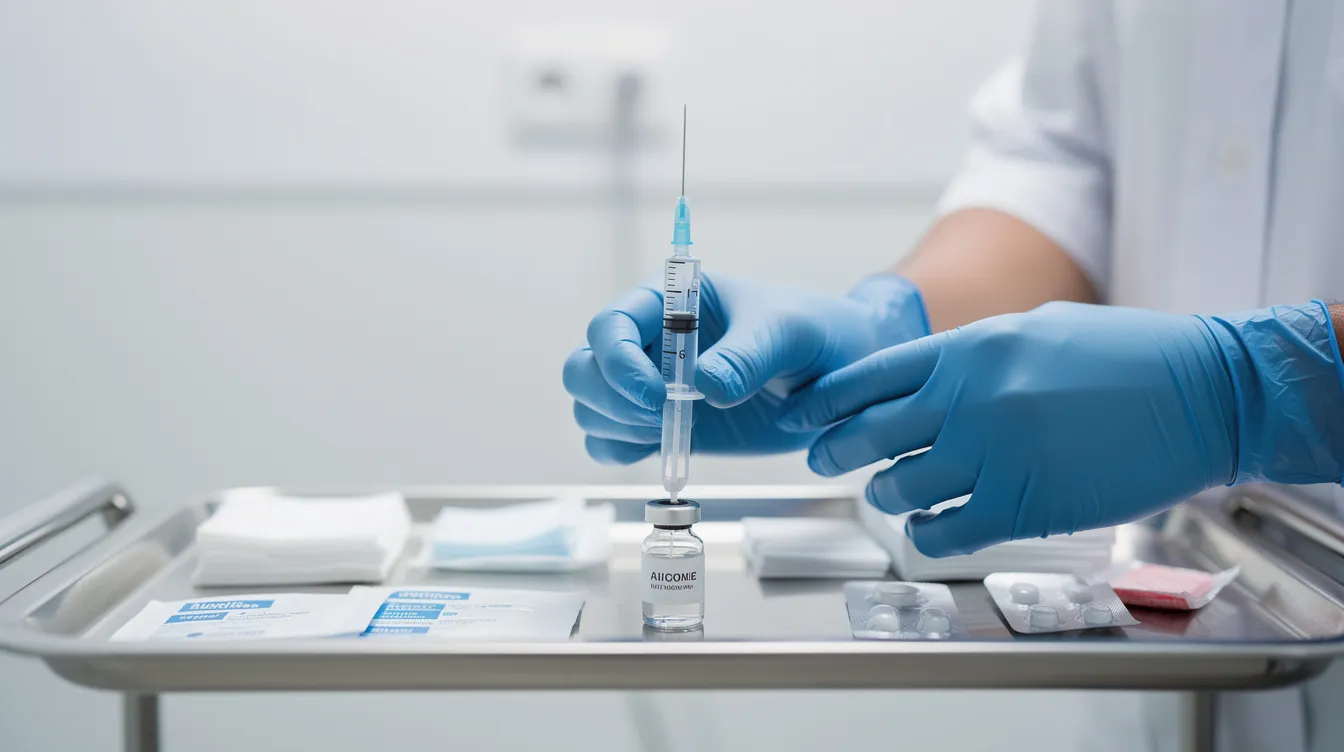
Adverse Events, Contraindications, and Safety
Common side effects include swelling, bruising, and redness at the treated area. Most patients experience mild tenderness, itching, or temporary lumps. These typically resolve within 1–2 weeks.
Rare complications of Radiesse include infection, tissue necrosis, and vascular occlusion. Injection into a blood vessel can cause serious complications including skin necrosis, vision changes, or stroke. Warning signs requiring immediate action:
Sudden blanching or severe pain during injection
Visual disturbances
Neurological symptoms (facial drooping, weakness)
Absolute contraindications include:
Known allergy to any Radiesse component (including lidocaine in Radiesse (+))
Active skin infection at the treatment area
Bleeding disorders
History of keloid scarring
Severely immunocompromised state
Radiesse should not be used if you have an active skin infection. If emergency symptoms arise, stop the injection immediately and seek urgent medical care.
Aftercare, Recovery, and What to Expect
Mild swelling and bruising are common after Radiesse injections. Immediate post-treatment care includes:
Apply cold compresses to reduce swelling
Avoid touching or manipulating the treated area
Avoid strenuous exercise and strenuous activity for 24 hours
Limit alcohol and blood thinners for at least 24 hours
Avoid excessive sun exposure, saunas, and intense heat
Most patients see swelling and redness resolve within 3–7 days. Bruising may take longer. Any bumpiness typically smooths out over several weeks. The full cosmetic result becomes apparent once swelling subsides, usually within 2–4 weeks after the first treatment.
Managing Complications and Long-Term Follow-Up
If nodules or lumps develop, mild cases respond well to massage. Persistent nodules may require corticosteroid injection or, rarely, surgical excision. For connective tissue irregularities, ultrasound-guided assessment can help locate the issue.
An important note: calcium hydroxylapatite microspheres are radiopaque and will appear on X-rays and CT scans. Patients must disclose prior Radiesse injections to all medical care providers to avoid diagnostic confusion.
Follow-up visits should be scheduled at approximately one month post-treatment to assess results and monitor for any delayed adverse events. Maintenance treatments are typically planned every 12–18 months depending on the facial area and individual response.
Radiesse Compared To Other Treatments and Dermal Fillers
Understanding how Radiesse stacks up against other treatments helps you make an informed decision.
Feature | Radiesse | Hyaluronic Acid Fillers | Sculptra | Ellansé |
|---|---|---|---|---|
Mechanism | Volume + collagen stimulation | Hydration + volume | Collagen stimulation only | Volume + collagen stimulation |
Immediate results | Yes | Yes | No (gradual over months) | Yes |
Reversible | No | Yes (hyaluronidase) | No | No |
Duration | 12–18 months | 6–12 months | Up to 2+ years | 1–4 years |
Lip safe | No | Yes | No | No |
Radiesse cannot be dissolved, unlike hyaluronic acid fillers which can be reversed with hyaluronidase. Hyaluronic acid fillers remain the preferred choice for lips and perioral areas where reversibility matters.
Sculptra works gradually over months, while Radiesse shows immediate results plus long-term natural looking results through collagen production. Sculptra may require multiple sessions before visible improvement appears.
Hyperdiluted Radiesse improves skin quality without adding volume, making it suitable for skin firmness improvements across broader areas like the décolleté and neck. Results from hyperdiluted Radiesse can last around 12 months. Neat (undiluted) Radiesse is used to restore volume in deep folds and for facial rejuvenation requiring structural projection.
Hybrid approaches-combining Radiesse with hyaluronic acid fillers, radiofrequency treatments, skin peels, or neuromodulators-can optimize outcomes across multiple concerns simultaneously.

Pricing, Session Frequency, and Expected Longevity
Radiesse typically costs between $600 and $1,200 per syringe in the U.S., varying by geographic area, provider expertise, and the specific injectable treatment plan. Hand rejuvenation and jawline contouring often require multiple syringes.
Radiesse results can last from 12 to 18 months for most patients. Radiesse effects can begin to diminish after 12 to 18 months, and Radiesse stimulates collagen production, enhancing longevity beyond the gel carrier's lifespan. Some studies have documented residual improvement persisting up to two years or beyond in certain patients.
Session frequency generally follows this pattern:
One initial session plus optional touch-up at 4–8 weeks
Maintenance every 12–18 months for facial areas
Hand treatments may need annual retreatment depending on fat loss patterns
Discuss financing options during your consultation, as these elective treatments are typically not covered by insurance.
Patient Education, Consent, and Treatment Documentation
A thorough consent checklist should cover:
All potential adverse events including vascular risks
Irreversibility of Radiesse compared to HA fillers
Expected longevity and need for maintenance
Cost transparency including touch-up pricing
Pre-treatment instructions include stopping blood thinners and anti-inflammatory supplements (if medically safe), avoiding alcohol for 24 hours, and pausing active retinoids or harsh exfoliants. Patients should disclose their complete medical history including prior fillers or permanent implants.
Standardized photographs should be taken before the procedure and at each follow-up visit to document progress and maintain accurate records.
FAQs and Common Patient Concerns About Radiesse
How well does Radiesse treat nasolabial folds? Radiesse treats nasolabial folds and marionette lines effectively. In clinical trials with 117 patients followed over 39 months, many patients maintained visible improvement well beyond the typical treatment window. Deep nasolabial folds respond particularly well, though superficial fine lines may be better addressed with other dermal filler options.
Is Radiesse permanent? No. Radiesse provides immediate volume and long-term collagen stimulation, but results are not permanent. The microspheres are gradually absorbed by the body. However, because Radiesse cannot be dissolved like hyaluronic acid, any overcorrection must be managed through massage or, in rare cases, other interventions.
Can I get Radiesse while pregnant or breastfeeding? Radiesse is not suitable for pregnant or breastfeeding individuals. There is no data confirming safety in these populations, so treatment should be postponed until after pregnancy and lactation.
Call-To-Action and Resources on Other Treatments
Many patients benefit from exploring multiple approaches-comparing Radiesse to hyaluronic acid fillers like Juvederm or Restylane, biostimulators like Sculptra, or complementary options like thread lifts and energy-based devices. Each addresses different aspects of facial aging and volume loss.
The best next step is scheduling a personalized consultation with a board-certified dermatologist or plastic surgeon. They can assess your anatomy, discuss your treatment goal, and create a plan that delivers the natural looking results you're after. Don't wait to start the conversation-your ideal treatment plan begins with that first appointment.
Frequently Asked Questions
What is Radiesse made of and how does it work?
Radiesse contains calcium hydroxylapatite microspheres suspended in a gel carrier. It provides immediate volume and stimulates collagen production over time. The microspheres are gradually absorbed by the body while new collagen forms around them.
How long do Radiesse results last?
Radiesse results typically last 12 to 18 months, with some patients experiencing results up to 24 months. Long-term studies showed that 40% of treated nasolabial folds still appeared improved at 30+ months after treatment.
What areas can be treated with Radiesse?
Radiesse is FDA-approved for treating nasolabial folds, marionette lines, cheek volume loss, jawline definition, and hand rejuvenation. It can also be used on the neck and décolletage. It is not suitable for lips or under-eye areas.
What should I expect during a Radiesse treatment appointment?
Treatment typically takes 30 to 60 minutes. Your provider will clean the skin, apply numbing cream or anesthesia, then inject Radiesse using either needle or cannula technique. Injection sites are marked and documented for your records.
What are the common side effects of Radiesse?
Common side effects include swelling, bruising, redness, tenderness, itching, and temporary lumps at the treated area. Most side effects resolve within 1 to 2 weeks after treatment.


-2.jpg?width=2000&height=2000&name=Copy%20of%20YouTube%20Thumbnail%20-%20Life-Changing%20Cosmetic%20Surgery!%20(Document)-2.jpg)


