Learn more: Body Contouring at Leva Medical
Introduction
Puffy nipples refer to a condition where the nipple-areola complex protrudes outward in a dome shape rather than lying flat against the male chest. About 80% of puffy nipple patients are male, and the condition is often linked to mild gynecomastia or excess fat deposits beneath the areola. Puffy nipples are generally benign but can affect self esteem, leading many men to avoid tight shirts, swimming, or gym environments. The good news: effective treatment options exist, ranging from lifestyle adjustments and medications to male breast reduction surgery.
What Is a Puffy Nipple?
The nipple-areola complex consists of the central nipple, the surrounding colored areola, and the underlying tissue. A puffy nipple occurs when fat, glandular tissue, or stretched skin beneath the areola pushes the entire area outward, creating a rounded, elevated appearance that disrupts a flat masculine chest contour.
In a normal male chest, the areola sits relatively flush with the surrounding skin. With puffiness, the margins appear raised, the areola may be wider than usual, and the contour looks noticeably different from the rest of the chest area. Puffy nipples are often linked to gynecomastia in men, as the condition can cause puffy nipples and breast tissue enlargement even in otherwise lean individuals.
Breast Tissue: Glandular Tissue Versus Chest Fat
Understanding the type of tissue beneath your nipples determines the right treatment path.
Feature | Glandular Tissue (True Gynecomastia) | Chest Fat (Pseudogynecomastia) |
|---|---|---|
Feel | Firm, rubbery disc | Soft, compressible |
Location | Directly beneath areola | Distributed across chest |
Cause | Hormonal | Weight-related |
Response to diet | Minimal | Often improves |
Gynecomastia involves firm glandular tissue beneath the nipple, and gynecomastia can cause firm lumps beneath the nipple on palpation. True gynecomastia involves enlargement of glandular breast tissue that is hormonally responsive and does not disappear with weight loss alone.
Chest fat, on the other hand, feels soft and lacks hard lumps beneath the nipple. Pseudogynecomastia is characterized by excess fatty tissue around the chest, driven primarily by overall body fat rather than hormonal shifts.
The pinch test: Pinch the area just outside your areola. If the tissue is soft and compressible with no firm disc underneath, you're likely dealing with excess body fat. If you feel a firm, rubbery mass directly behind the nipple, glandular breast tissue is present, and medical evaluation should follow.
Causes Of Puffy Nipples In Men
Puffy nipples can result from hormonal imbalances or weight gain, and the underlying causes often overlap.
Hormonal imbalances. A shift in the estrogen-to-testosterone ratio is the central driver. This can happen during puberty, with aging as testosterone declines, or with conditions like hypogonadism and thyroid disease. Hormonal changes during puberty can lead to puffy nipples in males, affecting roughly 60–70% of adolescent boys, though most cases resolve within one to two years. A persistent hormone imbalance beyond this window often requires medical attention.
Medications and steroids. Certain medications can trigger tissue growth leading to puffy nipples. Common culprits include anti androgens like spironolactone, some antidepressants, antipsychotics, cimetidine, and ketoconazole. Anabolic steroid use is another frequent cause, as excess testosterone is converted to estrogen through aromatization.
Weight gain and chest fat. Obesity increases adipose tissue throughout the body, including the chest. Excess fatty tissue in the chest area can mimic or worsen the appearance of enlarged breasts. Additionally, fat cells produce estrogen through peripheral aromatization, compounding the hormonal problem.
Genetic factors. Conditions like Klinefelter syndrome or inherited aromatase excess can predispose men to persistent breast tissue development. Persistent gynecomastia rarely resolves on its own after puberty in these cases.

Can Losing Weight Rid Of Puffy Nipples?
Weight loss can reduce puffy nipples effectively when the puffiness is primarily caused by fat. A caloric deficit combined with consistent aerobic exercise thins the fat layer around the areola and can restore a flatter chest contour. Weight loss may help reduce puffy nipples caused by excess fat and simultaneously improves hormonal balance by lowering peripheral estrogen production.
However, losing weight won't remove established glandular tissue. Once the gland has been present for more than six to twelve months, fibrosis develops, and no amount of diet or exercise will dissolve it. Weight loss can reduce chest fat but not gynecomastia. If a firm disc remains under the areola after significant fat reduction, surgical intervention becomes the path forward.
Combining cardio with resistance training delivers the best cosmetic results. Push ups and swimming target chest muscles to reduce puffiness visually, and exercises like bench press and incline flies build pectoral definition. Strengthening your chest muscles won't eliminate male breast tissue, but it noticeably improves the overall appearance and shape of the chest.
Non-Surgical Gynecomastia Treatment Options
Lifestyle changes. Maintaining a healthy diet, reducing overall body fat through regular exercise, and limiting alcohol intake can help reduce puffy nipples. Avoiding substances that shift hormonal balance-including recreational drugs and unnecessary supplements-is a practical first step as conservative measures.
Medication options. Hormonal medications may help in specific cases of puffy nipples, particularly when onset is recent (under six to twelve months). Tamoxifen and clomiphene citrate have shown improvement in breast size and tenderness in early-stage cases. However, there are no FDA-approved medications specifically for treating gynecomastia, and side effects must be weighed carefully. An endocrinology referral is advisable to check hormone levels and rule out pathologic causes.
Non-invasive fat reduction. Certain non-invasive treatments may be options for managing gynecomastia. Coolsculpting is a non-surgical option for reducing puffy nipples by targeting subcutaneous fat with controlled cooling. Radiofrequency and laser modalities also exist. These methods can reduce fatty tissue but do not address glandular tissue or excess skin, and evidence remains limited.
Gynecomastia Treatment: When To Consider Surgery
Not every case of puffy nipples requires a procedure. Surgery makes sense when:
Glandular tissue has persisted beyond 12 months
Conservative measures and medications have failed
The condition causes significant psychological distress
Medical evaluation has excluded a treatable underlying cause
Gynecomastia requires surgery for permanent correction in most cases involving established glandular tissue. Surgical treatment may be necessary for persistent gynecomastia that has not responded to other interventions.
Gynecomastia can occasionally be a sign of serious medical conditions, including testicular tumors, liver disease, or thyroid dysfunction. Medical evaluation is essential to determine the cause of puffy nipples before committing to any procedure. An endocrine workup-covering testosterone, estradiol, LH/FSH, thyroid function, and liver panels-should precede elective surgery, especially for atypical presentations like rapid onset, unilateral enlargement, or nipple discharge. A correct diagnosis guides the entire treatment plan.
Surgical Options: Gynecomastia Surgery And Reduction Surgery
Gynecomastia surgery has a success rate of over 90%, making it the most reliable path to a flatter, masculine chest contour.
Liposuction. Best suited for cases dominated by excess body fat. A small incision of 3-4 mm is made for fat removal, resulting in minimal scarring and faster recovery. Liposuction alone cannot address firm glandular tissue or fibrous bands.
Gland excision. Necessary when a glandular disc is palpable beneath the areola. Surgery can remove excess glandular tissue and skin through a periareolar or infra-areolar incision. Most surgeons combine this with liposuction for optimal contouring.
Nipple reduction. A separate technique used when the areola is stretched or the nipple mound is disproportionately large. Nipple reduction surgery is a minor cosmetic procedure that resizes the areola circumference or reduces nipple projection.
Minimal incision vs. open reduction. Minimal incision approaches work well for mild-to-moderate cases with good skin quality and minimal excess tissue. Open reduction surgery is reserved for severe cases involving significant skin excess, ptosis, or the need for areola repositioning, where incisions are larger but the reshaping is more comprehensive.
Reduction Surgery Techniques
Minimal incision surgery is indicated for patients with mild gynecomastia, good skin elasticity, and minimal areola distortion. It typically involves liposuction ports plus a small periareolar cut for gland removal, resulting in less scarring and quicker recovery.
Free-nipple-graft techniques become necessary when there is significant skin laxity, severe ptosis, or when the areola must be repositioned substantially. This approach involves removing excess skin and grafting the nipple to its new position. The tradeoff is increased risk of sensation changes and more visible scarring.
Combining liposuction with gland excision is the standard for many patients. Liposuction addresses surrounding chest fat while excision removes the subareolar gland that would otherwise cause residual puffiness. This dual approach avoids the common pitfall of incomplete tissue removal.
Managing Puffy Nipples After Gynecomastia Surgery
Residual puffiness after surgery is a recognized concern. Common causes include:
Incomplete excision of subareolar glandular tissue
Residual fat beneath the areola
Stretched areolar skin that hasn't retracted
Post-operative swelling or scar tissue formation
Revision options range from additional gland excision and liposuction touch-ups to areolar skin reduction. In some cases, surgeons layer subcutaneous tissue beneath the nipple-areola complex to prevent direct adhesion to the pectoral fascia.
Most surgeons recommend waiting at least three to six months before evaluating for revision, as swelling can take that long to fully resolve. Final contour assessment is best made at the six-month mark.
Recovery After Male Breast Reduction
Days 1–7:
Expect swelling, bruising, and moderate discomfort
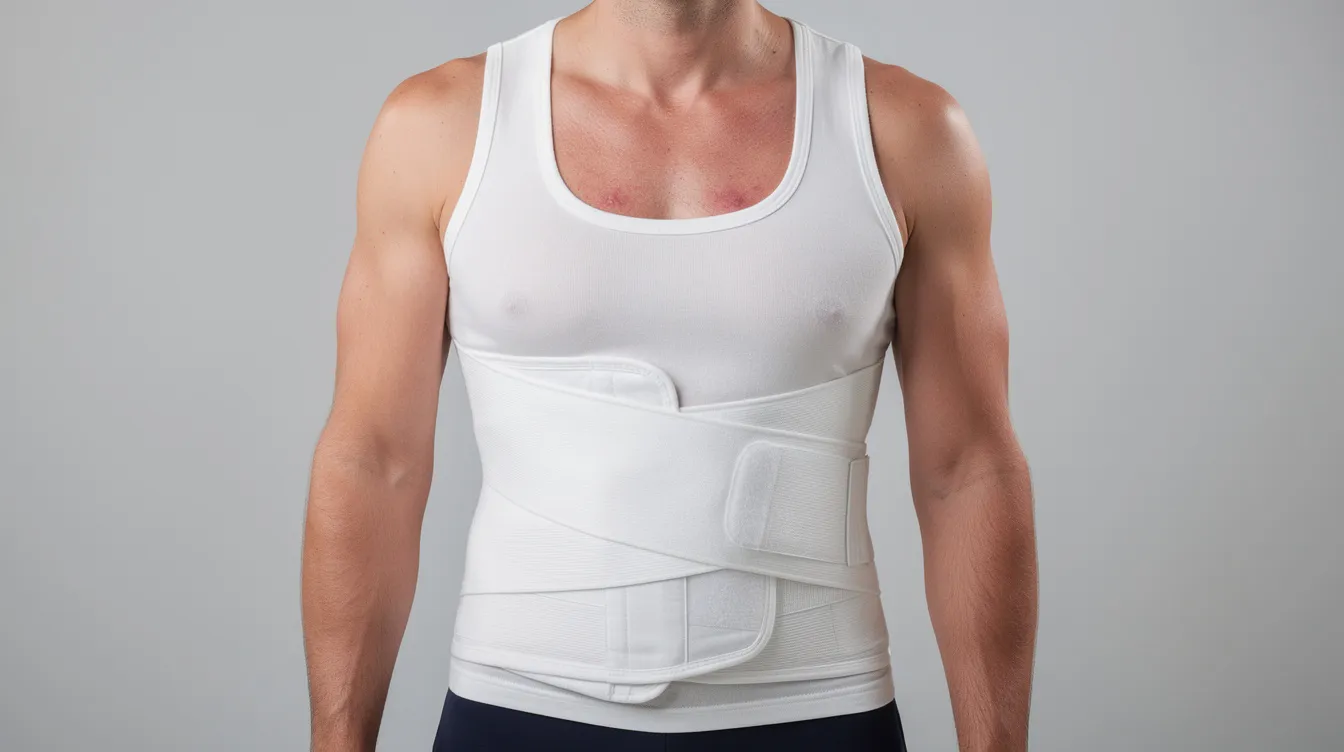
Wear compression garment continuously
Manage pain with prescribed medications
Avoid raising arms above shoulder height
Keep incisions clean and dry
Recovery from nipple reduction surgery typically takes 1 to 2 weeks for initial healing.
Weeks 2–6:
Continue compression garment until cleared by your surgeon
Begin gentle arm movements; avoid heavy lifting
Gradually reintroduce light cardio (walking, stationary cycling)
Monitor for signs of infection (redness, warmth, unusual discharge)
Start scar massage if advised
Months 3–6:
Swelling largely resolves; chest contour settles into its final shape
Scars mature-flattening and fading over time
Sensation in the nipples returns gradually, though some permanent changes are possible
Resume full strength training, including chest-focused exercises
Avoid direct sun exposure on healing scars
Risks And Complications Of Reduction Surgery
All surgery carries risk. The most common complications of male breast reduction include:
Bleeding and hematoma - may require drainage
Infection - treated with antibiotics or surgical intervention
Seroma - fluid accumulation that may need aspiration
Nipple sensation changes - temporary in many patients, but occasionally permanent, particularly with more invasive excision or free nipple graft techniques
Contour irregularities - asymmetry, depressions, or residual fullness from uneven tissue removal
Scarring - visible scars around the areola or in skin excision areas; severity depends on technique and individual healing
Setting realistic expectations during your consultation helps reduce dissatisfaction with outcomes.
FAQs: Puffy Nipples Male
Will losing weight always help? Not always. If your puffiness is caused by chest fat alone, comprehensive weight loss through a healthy diet and exercise can make a meaningful difference. But if glandular tissue or fibrotic tissue is present, weight loss won't flatten the area beneath your areola. Stretched skin is also unlikely to retract on its own, which is sometimes described as male boobs or man boobs persisting despite being lean.
Can medications reverse glandular tissue? In early stages (typically under 6–12 months), medications like tamoxifen or clomiphene may reduce breast size and tenderness. Response rates in some studies reach 60–70%. However, long-standing tissue undergoes fibrosis, making medical reversal incomplete. Medications also carry side effects, and no drug is FDA-approved specifically for this medical condition.
What's the expected timeline to see surgical results? Visible flattening and improvement in the appearance of your chest occurs within the first few weeks. However, residual swelling can persist. Final contour and scar maturation typically take three to six months, with some patients requiring up to a year for full sensory recovery. Revision decisions are generally considered after six months if needed.
Consultation Checklist For Gynecomastia Surgery
Walking into your consultation prepared saves time and leads to better outcomes. Bring:
A full medication list - include prescriptions, over-the-counter drugs, supplements, and any hormones or herbal agents you're taking. Many medications affect hormone levels and surgical planning.
Your anabolic steroid history - if applicable. Steroid use can enlarge both glandular and fatty tissue, may cause liver dysfunction, and directly impacts surgical and non-surgical treatment options. Full disclosure helps your surgeon set the right plan.
Prepared questions - ask about the specific technique your surgeon plans (liposuction, gland excision, areolar reduction), expected incisions and scarring, risk of sensation loss, recovery timeline, cost, and whether revision may be needed.
Consultation with experienced plastic surgeons is crucial for gynecomastia treatment and for understanding what results are achievable for your body.
How To Get Rid Of Puffy Nipples: Final Recommendations
Start with conservative measures if your puffiness is recent, mild, or primarily fat-driven. A combination of caloric deficit, regular exercise targeting chest muscles, a balanced diet, and avoidance of estrogen-promoting substances can meaningfully reduce the appearance of enlarged breasts in many men.
When glandular tissue persists beyond 6–12 months, or when hormonal evaluation reveals an imbalance that non-surgical approaches can't fully address, referral to a plastic surgeon specializing in gynecomastia is the appropriate next step. In most cases, surgery delivers a permanent, flatter result that lifestyle changes alone cannot achieve.
If puffy nipples have affected your confidence or your daily life, schedule a consultation. An experienced surgeon can provide a correct diagnosis, walk you through your options, and help you get rid of puffy nipples for good-with realistic expectations and a clear recovery plan.
Frequently Asked Questions
What exactly are puffy nipples in men?
Puffy nipples occur when fat, glandular tissue, or stretched skin beneath the areola pushes outward, creating a rounded, elevated appearance instead of lying flat against the chest. The nipple-areola complex protrudes in a dome shape rather than remaining flush with surrounding skin.
How can I tell if I have glandular tissue or just chest fat?
Use the pinch test: pinch the area outside your areola. Soft, compressible tissue suggests excess chest fat. A firm, rubbery mass directly behind the nipple indicates glandular tissue present. Glandular tissue feels like a firm disc, while fat feels soft and lacks hard lumps.
Can weight loss eliminate puffy nipples?
Weight loss can reduce puffy nipples caused primarily by chest fat through caloric deficit and aerobic exercise. However, established glandular tissue that persists beyond six to twelve months develops fibrosis and won't dissolve through diet or exercise alone.
What causes puffy nipples in men?
Common causes include hormonal imbalances affecting estrogen-to-testosterone ratio, certain medications like antidepressants and anti-androgens, anabolic steroid use, weight gain, and genetic factors. Hormonal shifts during puberty resolve in most cases within one to two years.
Are there non-surgical treatment options for puffy nipples?
Non-surgical options include lifestyle changes like maintaining healthy diet, regular exercise, and limiting alcohol. Hormonal medications like tamoxifen and clomiphene citrate may help in recent-onset cases under six to twelve months, though no FDA-approved medications specifically treat gynecomastia.


-2.jpg?width=2000&height=2000&name=Copy%20of%20YouTube%20Thumbnail%20-%20Life-Changing%20Cosmetic%20Surgery!%20(Document)-2.jpg)


