Under-eye bags can make you look tired and older no matter how well-rested you actually feel. When creams, cold compresses and lifestyle changes stop helping, puffy eyes surgery offers a long-lasting solution. This guide covers lower eyelid blepharoplasty: what causes eye bags, how the surgery works, who is a candidate, recovery, risks, results and cost.
What Is Puffy Eyes Surgery?
Puffy eyes surgery most commonly refers to lower eyelid blepharoplasty. This surgical procedure reduces or reshapes the fat pads that bulge under the eyes and smooths the transition between the lower eyelid and the cheek. It is the main surgical procedure for under-eye puffiness caused by fat.
The goal is a rested, refreshed look. When the bags are reduced, the shadows they cast across the under-eye area are reduced too.
What Causes Eye Bags, Puffiness, and Dark Circles?
Understanding the cause points to the right treatment. Several factors contribute to eye bags:
- Fat pads pushing forward: There are usually three small fat pads under each eye. With age, and often as the cheek descends, they push forward and create visible bags.
- Skin laxity: Loss of collagen and elastic fibers can make the eyelid skin looser and wrinkled, so the bags look more pronounced.
- Genetics: Inherited facial structure and fat distribution can cause under-eye bags early in life, independent of aging.
- Fluid retention: Salty meals, allergies and poor sleep can make bags look worse on some days. This temporary puffiness is not the structural change that surgery addresses.
Other contributing factors include sun damage, smoking, thyroid problems and midface descent. Dark circles are different from bags: they are usually pigment or the shadow of a hollow, not fat, so bags and dark circles need different treatments.
Lower Eyelid Blepharoplasty Techniques
Surgical approaches vary depending on whether the main concern is fat or loose skin.
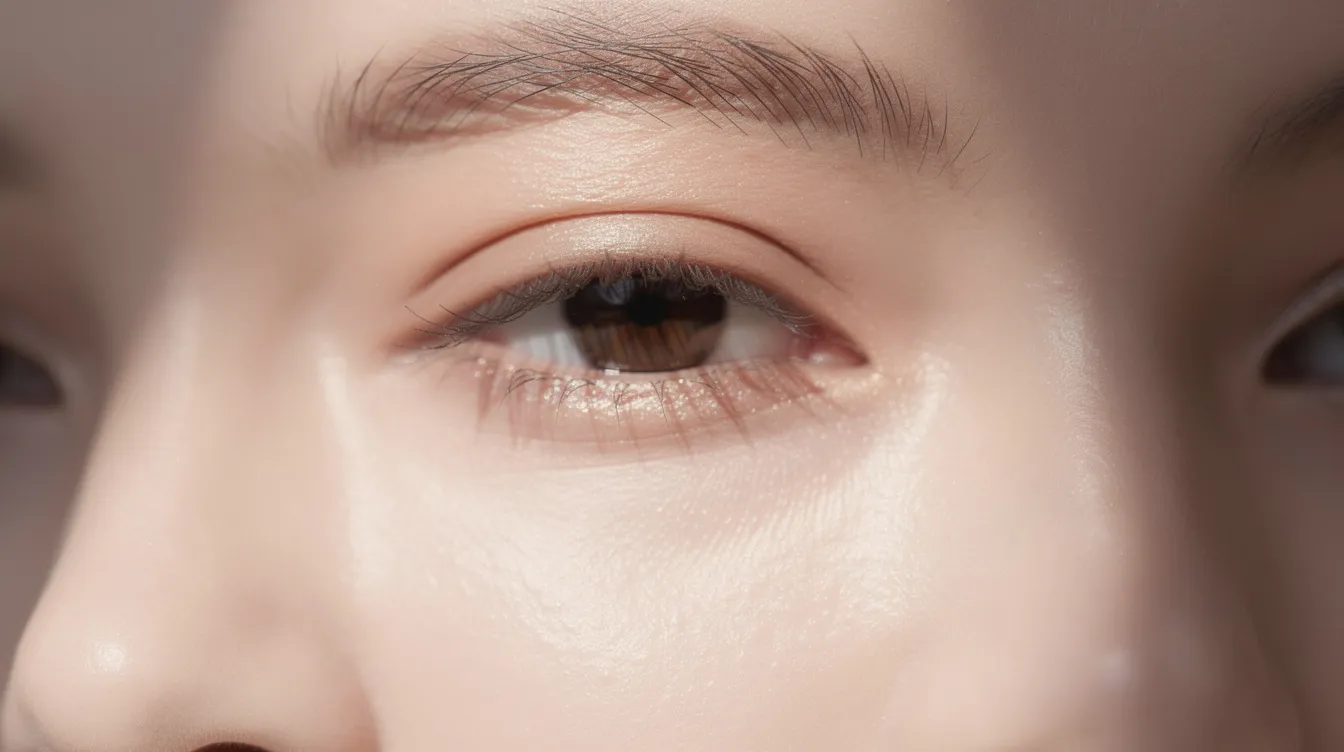
Transconjunctival blepharoplasty works from inside the lower eyelid rather than through the outer skin. It is well suited to fat removal, especially in patients with good skin elasticity.
Subciliary blepharoplasty places an incision just below the lash line. It addresses loose skin and allows fat trimming or repositioning, and it can carry a risk of visible scarring.
Fat balancing matters because removing too much fat can leave a hollow look under the eyes after surgery. Many approaches aim for a smooth lid-cheek transition rather than simply taking fat out.
At Leva Medical, lower eyelid surgery is done from inside the lower lid (transconjunctival) with a fine-tip instrument, so there is no visible scar.
At Leva Medical, the fat pads are removed or trimmed, and usually a small amount of fat taken from the belly through a tiny opening is placed along the under-eye line so the area looks smooth, not hollow.
At Leva Medical, both eyes are treated.
Who Is a Candidate for Lower Blepharoplasty?
Good candidates usually share a few traits:
- Good health: Adults with under-eye bags who are in good general health. Blood work and medical clearance come first, diabetes must be controlled, and smokers must stop.
- Realistic expectations: Surgery reduces bags and improves contour, but it cannot stop aging. Dark circles caused by pigment may persist.
- Careful eye evaluation: Patients with dry eyes or thyroid eye disease need a careful assessment, since surgery can temporarily worsen dryness.
What Happens During Eye Bag Surgery?
- Consultation: Your medical history is reviewed, your eyelids are evaluated, and your goals are discussed.
- Anesthesia: At Leva Medical, lower eyelid surgery is done in the office under local anesthesia plus a relaxing medication taken beforehand. Patients are comfortable and drowsy, not intubated, and many remember little.
- The procedure: The surgery takes about 1.5 to 2 hours.
- Going home: You go home the same day. Someone must take you home, because you cannot drive.
Benefits of Lower Eyelid Surgery
- Smoother lower eyelid contours with reduced under-eye bags
- A refreshed, rested appearance that can boost self-confidence
- A smoother lid-cheek junction with less shadowing
Because the eyes are a focal point of the face, even a subtle change here can make the whole face look more rested.
Non-Surgical Alternatives for Puffy Eyes
Dermal Fillers and Skin Treatments
Hyaluronic acid filler can soften a hollow tear trough by adding volume, and filler is FDA-approved for under-eye hollows. It works well when volume loss rather than bulging fat is the concern, but it cannot remove a bag. Too much under-eye filler can make puffiness look worse or create a bluish tint known as the Tyndall effect.
Laser skin treatments improve skin texture and pigment only. Creams and Botox do not remove fat pads either.
When Surgery Makes Sense
Temporary puffiness from fluid, allergies or poor sleep often improves with cold compresses, less salt and better sleep. Persistent bags caused by fat pads pushing forward usually need lower eyelid surgery.
Preparing for Eyelid Surgery
- Medications: Share your full medical history and medication list. You may be asked to stop blood thinners, NSAIDs and certain supplements before the procedure.
- Clearance: Complete blood work and medical clearance, and stop smoking.
- Transportation: Arrange for someone to take you home.
- Supplies: Prepare a cold mask, a warm mask, prescribed drops, loose clothing and pillows to keep your head raised.
Lower Eyelid Surgery Recovery
Swelling is the main issue and peaks around day 3. Bruising is possible and usually fades in 7 to 10 days. Most people return to desk work in about a week; some go back after 2 to 3 days if they do not mind looking swollen. Most swelling settles over 2 to 6 weeks, and the final result keeps refining for months. Discomfort is usually mild, and the belly donor site is often more sore than the eyes. A temporary gritty, sand-in-the-eye feeling and dryness are common and settle.
| Timeframe | What to Expect |
|---|---|
| Days 1–2 | Use a cold (not frozen) mask for 15 minutes every hour. Use antibiotic and eye drops as prescribed. Wash your face from day 2. |
| Day 3 onward | Swelling peaks around day 3. Switch to a warm (not hot) mask. |
| First week | Sleep on your back with your head raised, never face down. Do not rub your eyes. Walk from the first day, but avoid anything that raises your heart rate or blood pressure, and lift nothing over 20 pounds. Small dressings come off at the 1-week visit. |
| First month | No baths, ocean or jacuzzi. No smoking. Eye makeup and contact lenses only once your surgeon clears you at your follow-up visit. |

Risks and Possible Complications
Like any surgical procedure, lower blepharoplasty carries risks. The eyeball itself is not operated on, but risks include:
- Swelling and bruising: Expected during healing.
- Dry eyes: Dryness can occur, especially with pre-existing dry eye. Lubricating drops help.
- Infection and bleeding: Antibiotic drops are prescribed to help prevent infection.
- Change in lower-lid position: The lid can pull down (retraction, ectropion or scleral show) or change shape.
- Asymmetry and touch-ups: Occasionally a touch-up is needed.
- Grafted fat irregularities: Small lumps or unevenness can occur, and too much fat removal can leave a hollow look.
- Anesthesia reactions and blood clots: Uncommon, but possible with any surgery. Walking helps prevent blood clots.
- Vision changes: Temporary or rarely lasting double vision can occur. Very rarely, bleeding behind the eye (orbital hemorrhage) can threaten vision. Blurred vision, double vision or severe pain is an emergency: seek care right away.
- Scarring: Visible scars are possible when an incision is made in the outer skin.
Lower Blepharoplasty Results and Longevity
Improvement becomes visible as swelling subsides, and the contour keeps refining for months. Removed fat pads do not grow back, so results are long-lasting. Some grafted fat is absorbed in the first months, and what remains behaves like normal fat. Natural aging continues, so skin quality, sun exposure and smoking all influence how results hold up. Results look rested, not done.
Puffy Eyes Surgery Cost
At Leva Medical, lower eyelid surgery starts at $6,500.
At Leva Medical, the lower eyelid surgery price includes the fat grafting.
The exact price is set at the consultation.
Cosmetic procedures are self-pay. Payment options can be reviewed in office after the exact plan and total are known.
Financing is available.
Frequently Asked Questions
Is lower eyelid blepharoplasty painful?
Discomfort is usually mild and described as tightness or a dull ache. The belly donor site is often more sore than the eyes, and a temporary gritty feeling in the eyes is common.
How long does lower eyelid surgery take?
About 1.5 to 2 hours. You go home the same day, and someone must take you home.
Can surgery remove dark circles?
Surgery reduces shadows caused by bulging fat. Dark circles from pigment are a different problem and need different treatments, such as laser skin treatments.
Are puffy eyes always treated surgically?
No. Puffiness from fluid, allergies or poor sleep often improves with simple measures. Persistent bags from fat pads usually need surgery, and a consultation can tell which you have.
How much does puffy eyes surgery cost?
The cost section above gives the starting price, and the exact price is set at the consultation.
About Leva Medical
Leva Medical has offices in Queens (94-06 59th Ave, Suite E9, Elmhurst, NY 11373) and in Northport, Long Island (320 Laurel Rd, Northport, NY 11768).
Call (718) 699-9737 to book a consultation with a board-certified surgeon.