Blepharoplasty removes excess skin and fat from the eyelids to create a more rested, open-eyed appearance. It can also improve peripheral vision when sagging upper eyelid skin blocks part of the visual field. Like any surgical procedure, it carries risks. One of the less common but concerning complications is ptosis after blepharoplasty, where the upper eyelid sits lower than expected after surgery. Knowing why it happens, how it is evaluated, and what you can do to lower your risk helps you go into surgery prepared and recover with confidence.
What Is Upper Eyelid Ptosis After Eyelid Surgery?
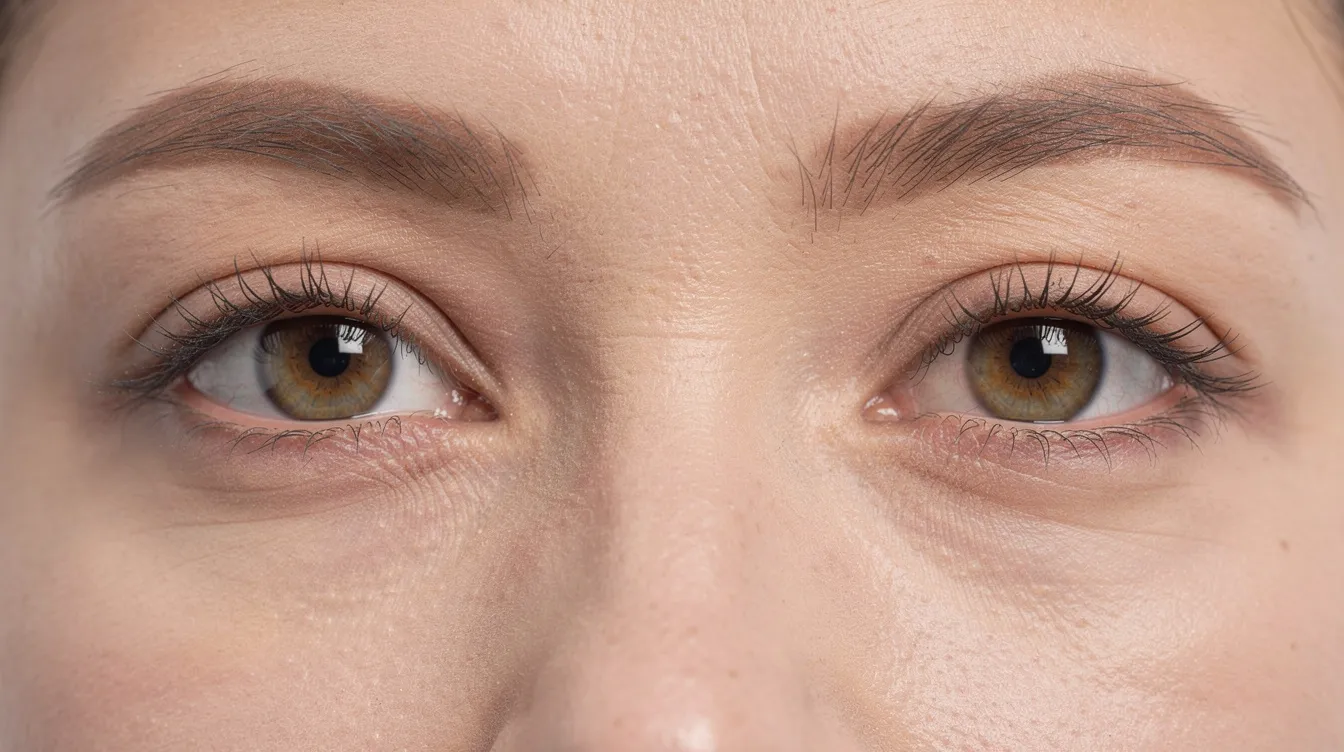
Upper eyelid ptosis means the edge of the upper lid sits lower than its expected position. When it appears after eyelid surgery, the lid rests lower than it did before the procedure or lower than the intended result. This change in lid position can affect one or both eyes, which can create asymmetry, and it may range from barely noticeable to blocking part of your vision.
Drooping after blepharoplasty can come from temporary side effects of surgery or from structural problems involving the muscle and tendon that lift the eyelid. This distinction matters because the right response depends on the cause.
- Temporary drooping is usually caused by swelling, bruising, or the effects of anesthetic, and it often settles on its own within days to weeks.
- Persistent drooping lasts beyond the expected healing period and may point to injury of the lifting muscle or its tendon, scarring, or adhesions.
Removing too much skin can also change eyelid position and appearance, sometimes creating a pseudo-ptosis, where the lid looks droopy even though the lifting muscle works normally. In other cases, a droopy lid noticed after surgery was already present before, hidden by excess upper eyelid skin or by a habit of raising the brows to compensate.
What Causes Eyelid Ptosis After Blepharoplasty?
Several mechanisms can lead to drooping after surgery. Some are expected side effects of healing, while others relate to technique or individual anatomy.
Postoperative Swelling
Swelling after surgery adds weight to the eyelid tissues and can limit how well the lid lifts. Swelling and bruising are a normal part of early recovery and tend to peak in the first few days before gradually easing.
Hematoma
A collection of blood beneath the skin or deeper around the eye can press on the lifting structures and mechanically keep the lid from rising. Even a small hematoma that goes unnoticed may contribute to prolonged drooping or to scarring that restricts movement.
Injury to the Lifting Muscle
The upper eyelid is raised mainly by one muscle and its broad tendon. During upper blepharoplasty, aggressive dissection, fat removal through the orbital septum, or an inadvertent cut near the tendon can injure this structure. An injury like this can lead to long-lasting drooping, which is why careful handling of the eyelid anatomy matters.
Adhesions and Scarring
When fat is removed through the orbital septum, scar tissue can form and bind the septum to the deeper lifting structures. These adhesions restrict how far the lid can travel. Sutures placed in the wrong layer can tether the lid in a similar way.
Other Contributing Factors
- Large volumes of local anesthetic injected near the lifting muscle can cause short-term drooping.
- Some people have a mild droop from birth that was never recognized before surgery.
- Weakening from aging or certain medical conditions may become visible once excess eyelid skin is removed.
How Is Upper Eyelid Ptosis Diagnosed?
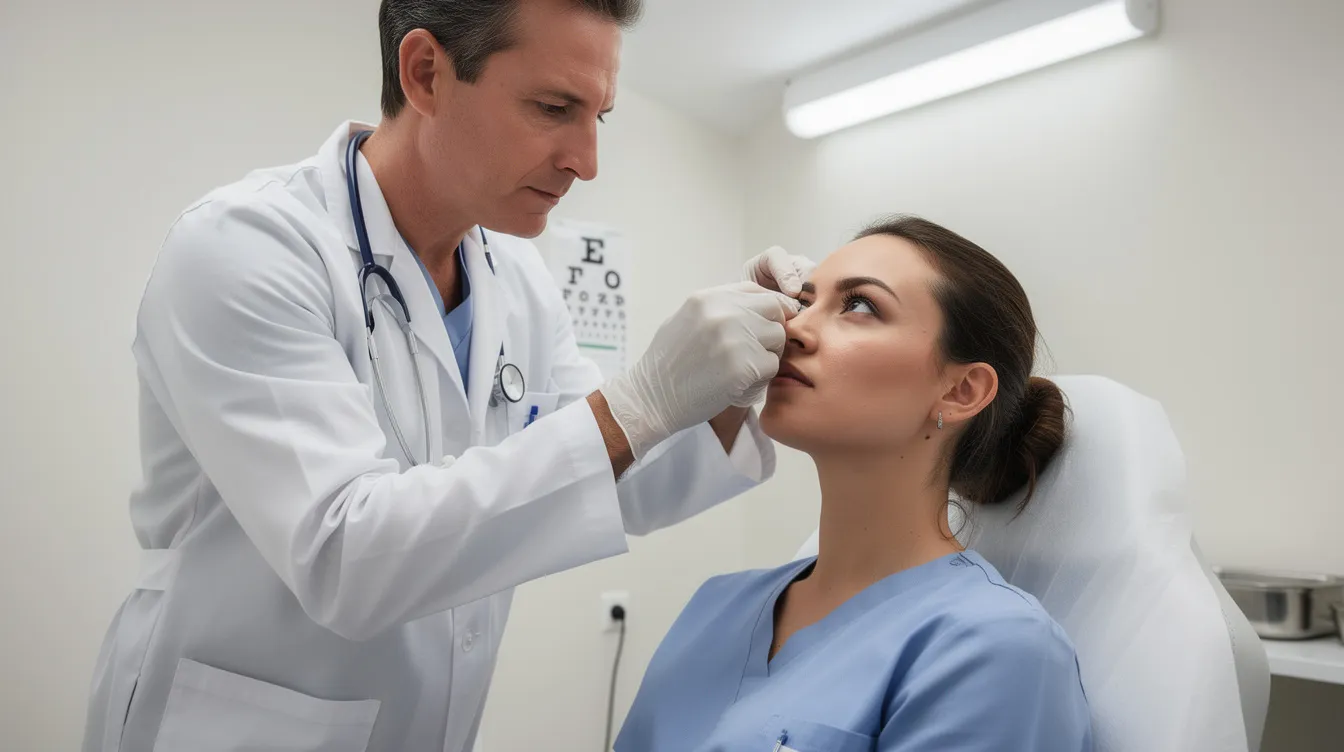
Diagnosis relies on careful measurements to confirm whether the lid is truly lower, how much, and why. A thorough eye evaluation before surgery creates a baseline for comparison later.
- Margin-reflex distance (MRD-1): the distance from the light reflection on the cornea to the upper eyelid edge. A shorter distance than expected suggests drooping.
- Eyelid excursion: how far the lid travels from looking fully down to looking fully up while the brow is held still.
- Eyelid crease position: a crease that sits unusually high can suggest the lifting tendon has loosened.
- Comparison with preoperative records: photographs, measurements, and visual field testing help separate a new droop from one that existed before.
A careful preoperative workup also looks at glaucoma, dry eyes, contact lens use, and herbal supplements that may increase bleeding risk.
When Should Patients Seek Evaluation?
Contact your surgeon promptly if:
- Eyelid drooping gets worse rather than better during the first one to two weeks after surgery.
- You notice vision changes such as blurred vision, loss of peripheral vision, or trouble reading or driving.
- You have signs of hematoma, such as increasing pain, swelling, bruising, or pressure behind the eye.
If drooping is affecting your vision, do not wait. Prompt evaluation can catch complications early and guide timely care.
How Is Ptosis After Blepharoplasty Treated?
Care depends on the cause, how severe the droop is, and how long it has been since surgery.
Observation and Conservative Care
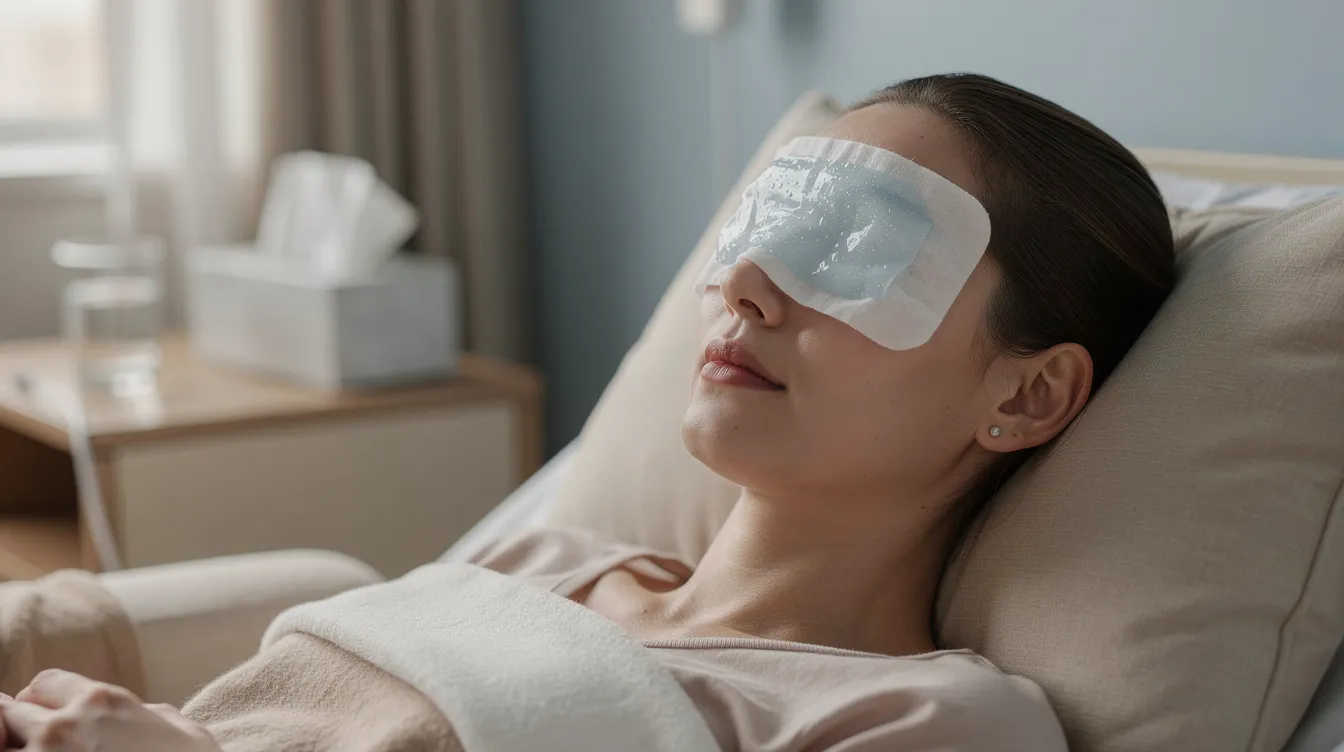
For early drooping, watching and waiting is often appropriate, because many cases improve as swelling goes down. Cold compresses as directed, keeping the head elevated, and lubricating drops for dry eyes can make recovery more comfortable while the tissues settle.
Persistent Structural Causes
When drooping does not improve after swelling has fully settled, a structural cause such as muscle injury or adhesions becomes more likely. These cases need an in-person eyelid evaluation to decide on next steps, and some may need further surgical correction. Any additional surgery carries its own risks, including scarring, asymmetry, and a change in lid position.
How Long Does Eyelid Ptosis Last After Surgery?
Timelines vary with the cause of the droop and individual healing.
- Bruising and swelling: bruising typically fades in about 7 to 10 days, and many patients return to work after about a week.
- Short-term drooping: drooping from swelling or anesthetic often improves over the first weeks.
- Slower cases: some droops take several weeks or a few months to resolve.
- Final assessment: the true lid position is usually judged only after swelling has fully settled, which can take a few months.
Long-lasting drooping is not a common outcome after blepharoplasty. Drooping from swelling usually resolves well, while muscle injury or significant adhesions may need further treatment.
Healing speed differs from person to person. Age, diabetes, smoking, previous eyelid or eye surgery, and overall health all influence recovery.
Can Upper Blepharoplasty Cause Ptosis Differently Than Lower Blepharoplasty?
Yes. The two procedures involve different anatomy.
Upper blepharoplasty works close to the structures that raise the eyelid. The surgery passes through the skin, the orbicularis muscle, the orbital septum, and the fat pads, all of which sit near the lifting muscle and its tendon. Removing excess skin or fat from the upper lid carries an inherent risk of disturbing these structures or creating adhesions. That is why drooping of the upper lid is mainly a concern after upper blepharoplasty.
Lower blepharoplasty addresses eye bags, puffiness, and the look of dark circles under the eyes. A transconjunctival approach to the lower lid is far from the upper lid's lifting structures, so it does not typically change upper eyelid height, although swelling can briefly alter how the eyes look and feel.
Brow position also affects how the upper lid looks, so it is considered when planning any eyelid surgery.

How Can Patients Reduce Ptosis Risks?
You have real influence over your outcome. Here is how to lower the risk before and after eyelid surgery:
- Get a thorough preoperative evaluation. Discuss excess upper eyelid skin, have eyelid movement measured, and have your baseline lid position documented with photographs. If your lids already droop, raise it at your consultation.
- Talk through the risks. Ask how fat removal is approached and how the lifting structures of the lid are protected during the procedure.
- Follow postoperative instructions. Keep your head elevated, use cold compresses as directed, avoid activities that raise bleeding risk, and attend all follow-up visits. Report worsening drooping, injury, or vision changes right away.
- Disclose medications and supplements. Certain herbal supplements and blood thinners increase bleeding risk and can contribute to hematoma. Avoid contact lenses during early recovery as directed.
Good outcomes start before the procedure. A detailed conversation about your anatomy, goals, and risk factors at a consultation sets the stage for a safe recovery.
Key Takeaways
Ptosis after blepharoplasty is uncommon, and understanding the cause points to the right response. Most temporary drooping improves within weeks as swelling and bruising fade. Persistent cases linked to muscle injury, adhesions, or scarring need an in-person evaluation and may need further treatment.
If you are considering eyelid surgery or recovering from it, start with a careful preoperative assessment, ask questions, understand the risks, and know when to seek evaluation if something does not look or feel right. Cosmetic procedures are self-pay.
Frequently Asked Questions
Does eyelid drooping after blepharoplasty always last?
Not necessarily. Temporary drooping is often caused by swelling, bruising, or anesthetic and usually improves within days to weeks. Drooping that persists beyond the expected healing period may signal an underlying problem, such as muscle injury, scarring, or adhesions, and should be evaluated by your surgeon.
What causes eyelid ptosis after upper eyelid surgery?
Common causes include postoperative swelling, a hematoma, injury to the muscle that lifts the lid, scar tissue, and large volumes of local anesthetic. Removing too much skin can also create a droopy look without true muscle weakness. Some cases involve a droop that was present before surgery but not recognized.
How often does ptosis occur after blepharoplasty?
It is considered uncommon. Risk varies with surgical technique, individual anatomy, and preexisting conditions. Discussing your own risk factors at your consultation helps you prepare.
How is eyelid ptosis after blepharoplasty diagnosed?
Diagnosis uses measurements such as the margin-reflex distance (MRD-1) and tests of how far the lid can move. Clinicians also check the eyelid crease position and compare current findings with preoperative photographs and measurements.
When should I contact my surgeon about eyelid drooping after surgery?
Contact your surgeon if drooping worsens during the first one to two weeks, if you notice vision changes such as blurred vision or reduced peripheral vision, or if you have increasing pain, swelling, or pressure behind the eye. Prompt evaluation helps identify complications early.
About Leva Medical
Leva Medical has offices in Queens (94-06 59th Ave, Suite E9, Elmhurst, NY 11373) and in Northport, Long Island (320 Laurel Rd, Northport, NY 11768).
Call (718) 699-9737 to book a consultation with a board-certified surgeon.
Learn more: Upper Eyelid Surgery at Leva Medical