Looking at pictures of eyelid surgery recovery can make the recovery process feel less mysterious. Daily recovery photos help you track progress, compare swelling from one day to the next, and spot changes worth discussing with your surgeon. This guide explains what to photograph, when to photograph it, and how eyelid surgery recovery usually looks from Day 1 through final results.
Overview Of Eyelid Surgery Recovery Photo Series
Eyelid surgery, or blepharoplasty, is a plastic surgery procedure used to improve heavy upper lids, under eye bags, excess upper eyelid skin, excess skin, and excess fat around the eyes. Eyelid surgery was the fourth most popular cosmetic surgical procedure in the United States in 2022, with over 115,000 procedures performed, highlighting its effectiveness in addressing both cosmetic and functional issues. According to the American Society of Plastic Surgeons, 92% of patients who underwent eyelid surgery reported satisfaction with their results, often appearing more rested and youthful without looking unnatural.
Before and after photos of eyelid surgery typically show significant improvements such as reduced puffiness, more defined eyelid creases, and a smoother transition between the lower eyelid and cheek, contributing to a refreshed appearance. A good gallery should include upper blepharoplasty case examples, lower blepharoplasty case examples, and combined eyelid procedures with brow lift when relevant.
Upper eyelid surgery, upper eyelid blepharoplasty, upper lid blepharoplasty, and upper blepharoplasty often focus on skin removal, fat removal, or improving the natural eyelid crease. Lower eyelid surgery and lower blepharoplasty usually show more bruising in the tear trough area and lower eyelid. Some patients also need ptosis repair involving the levator muscle, which can change the recovery timeline.
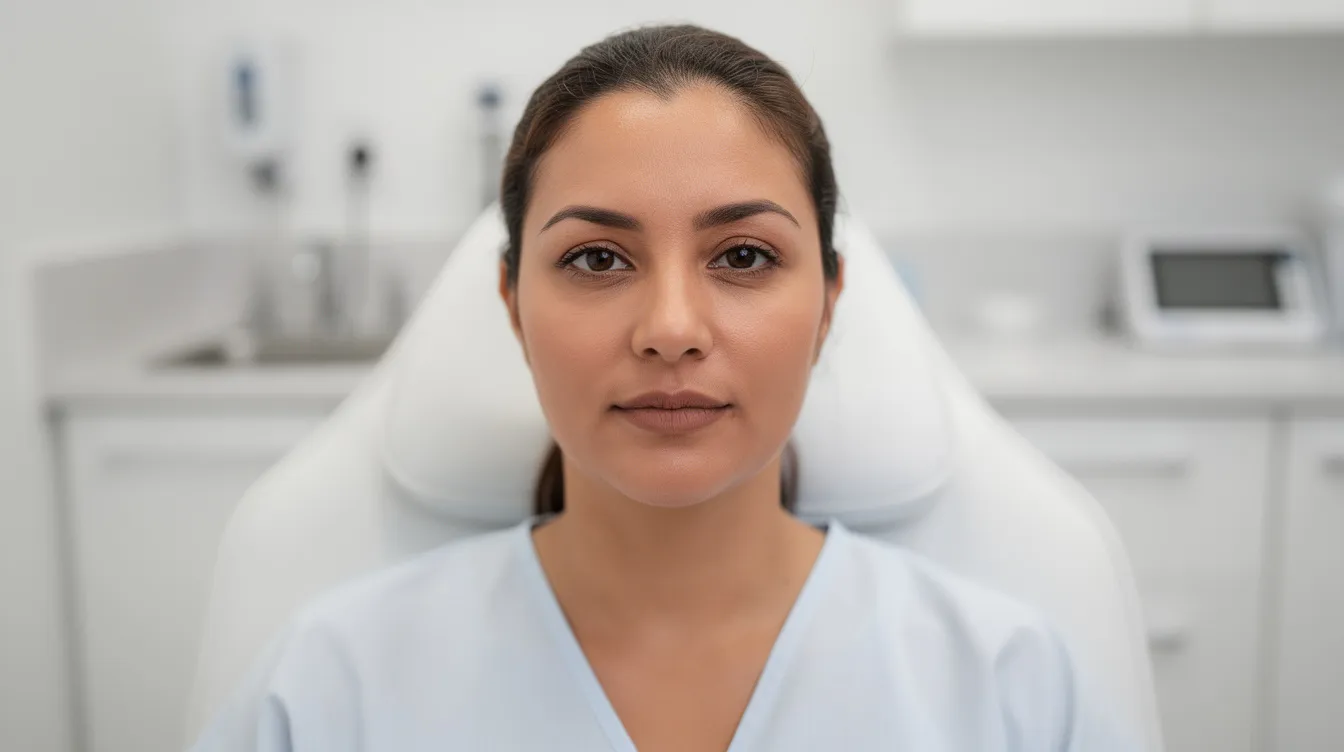
Leva Medical • Queens, NY
Thinking about eyelid surgery?
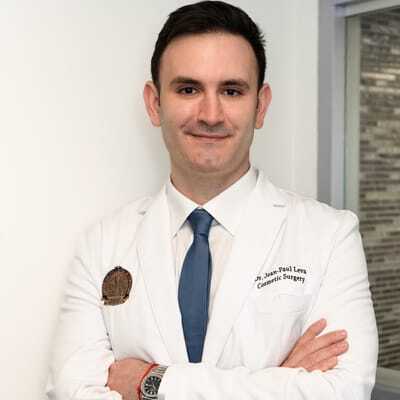
Dr. Jean-Paul Leva and our team can tell you if it is right for you. Learn more about our eyelid surgery.
Book a consult →Eyelid Surgery Photos: Standardized Photography Protocol
To make eyelid surgery photos useful, take them the same way each time.
Use:
Consistent lighting for all sessions, ideally soft daylight or the same indoor clinical light
A neutral background for clinical consistency
The same camera and lens for comparisons
The same distance, posture, and facial expression
No filters, smoothing, or makeup during early recovery photos
Capture these views:
Frontal view: eyes looking straight ahead
Three-quarter view: face turned about 45 degrees
Profile view: side view to show brow contour, lower lid swelling, and cheek transition
This matters because poor lighting can make bruising look darker, while a different camera angle can make residual swelling appear worse or better than it is.
Day Eyelid Surgery Recovery: Photo Checklist
For a reliable day eyelid surgery recovery series:
Label each photo with the day number and procedure, such as “Day 3 upper blepharoplasty recovery”
Time-stamp every image file
Take photos at consistent times daily, such as each morning before cold compresses
Save a pre-op baseline photo for side-by-side comparison
Taking daily photos during eyelid surgery recovery helps track subtle changes and progress, providing reassurance that healing is on the right track. Reviewing daily recovery photos can boost a patient’s confidence and patience during the healing process, reminding them of their progress.
Recovery Timeline Photos: Day 1 To First Week
Daily recovery photos allow patients to visualize their swelling and bruising timeline, helping to differentiate between normal healing signs and potential concerns.
Timing | What pictures of eyelid surgery recovery usually show |
|---|---|
Day 1 | Immediate post-op photo with initial swelling, ointment, possible sutures, and mild bleeding or redness |
Day 3 | Peak-swelling photo; most patients report that the first three days after eyelid surgery are the most uncomfortable, with significant swelling and tightness being most pronounced during this period |
Day 7 | One-week photo showing less bruising and swelling, though some residual effects may still be present |
After eyelid surgery, patients commonly experience swelling, bruising, and discomfort, particularly in the first few days post-operation. It is normal for patients to experience tightness and blurry vision due to swelling and ointments applied after eyelid surgery, especially in the initial days.
Include concise captions for each day. For example: “Day 3, patient underwent upper blepharoplasty; swelling is at expected peak, bruising is purple under both upper eyelids.”
First Week: What Photos Should Show
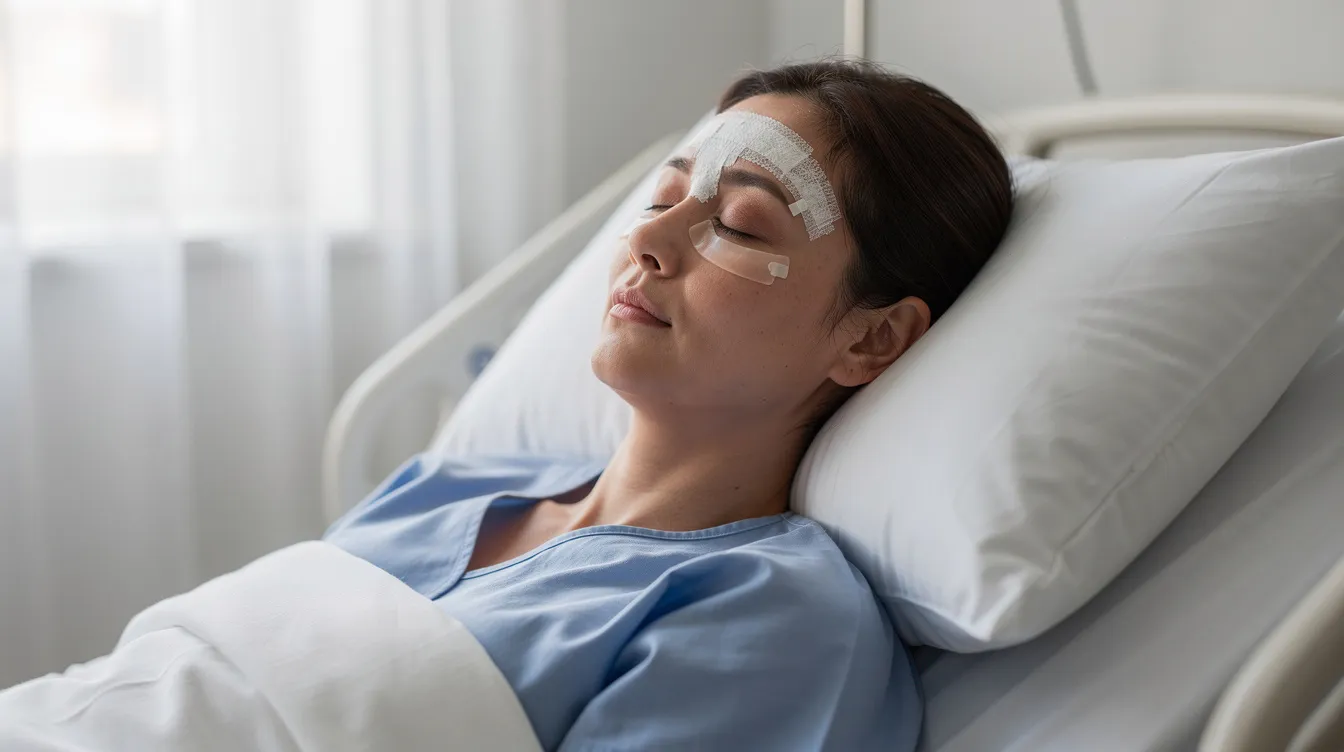
During the first few days after eyelid surgery, swelling and bruising are most noticeable, and patients are advised to keep their head elevated and use cold compresses to help reduce swelling. Your first week gallery should show:
Swelling and bruising distribution across upper eyelids, lower eyelids, cheeks, and temples
Ointment or dressing presence, including shiny areas around the incision line
The patient resting with head elevated
Any asymmetry, redness, or incision healing changes
During the first week after eyelid surgery, swelling and bruising typically begin to subside, although some residual effects may still be present. Most patients experience significant improvement in swelling and bruising by one week after eyelid surgery, although full recovery may take 1-3 months. By the end of the first week, bruising often fades and swelling decreases, allowing many patients to return to work if their jobs are not physically demanding.
Weeks 2-4: Progress Photos And Avoid Intensive Exercise Guidance
Capture weekly recovery photos during weeks 2–4. This is when many patients start seeing a significant difference in swelling, bruising, and eyelid crease definition. Incision flattening becomes easier to see, and upper blepharoplasty recovery photos often show a more natural appearance by this stage.
Most patients feel comfortable going out without sunglasses between weeks 2 and 3 of recovery after eyelid surgery. Still, for optimal recovery, patients should avoid strenuous exercise, heavy lifting, and bending at the waist for the first 2 to 3 weeks after eyelid surgery. Avoid intensive exercise until your surgeon clears you, because intensive exercise can increase blood flow, raise pressure around healing tissues, and prolong swelling.
Months 1-3: Healing And Near-Final Results
Capture monthly photos through month three. These images are useful for monitoring scar maturation, eyelid crease settling, and the body’s healing process. At this stage, many patients have returned to normal daily activities, though the first few weeks may still leave mild puffiness in the morning.
The typical recovery process after eyelid surgery takes 10 to 14 days for most patients to feel comfortable returning to public life and work, though complete internal healing and final cosmetic results take 3 to 6 months. If you are considering a chemical peel, laser treatment, or other skin procedure near the eyes, wait for your surgeon’s advice.
Final Results And Eyelid Surgery Recovery Time: 3–6 Months
The eyelid surgery recovery time varies, but 3-month and 6-month photos are key. A 3-month image usually shows near-final contour, while a 6-month image shows longer-term scar softening and stable eyelid position.
Compare baseline and final images side-by-side. Good surgery recovery time photos should show the same lighting, angle, and expression. Final results should look refreshed, not over-tightened, with minimal visible scarring and a rejuvenated appearance.
Combined Procedures: Brow Lift And Endoscopic Brow Lift Recovery Photos
If eyelid surgery is combined with a brow lift or endoscopic brow lift, create a separate gallery. These procedures affect eyebrow position, brow contour, upper eyelids, and swelling patterns.
Label examples clearly, such as “upper blepharoplasty with endoscopic brow lift.” Show eyebrow position changes over time because brow swelling can make upper blepharoplasty recovery appear slower than it would in eyelid surgery alone.
Special Cases: Male Patients And Quad Blepharoplasty Photos
Male patients may have thicker skin, stronger tissue, and swelling that lasts slightly longer. Include male-specific healing examples when possible so patients do not compare themselves only to idealized photos.
Patients who underwent quad blepharoplasty, meaning surgery on all four eyelids, should have a complete-timeline photo set. Quad cases often show more bruising around the lower eyelid and cheeks, especially when lower blepharoplasty includes fat repositioning or fat removal.
Aftercare Photo Notes: Head Elevated, Medication, And Lifestyle
Aftercare photos can teach as much as close-up incision photos. Show head elevated positioning, cold-compress application where used, and sunglasses for outdoor protection.
Follow your surgeon’s instructions closely. Discomfort after eyelid surgery is generally mild to moderate and can be managed with over-the-counter pain relievers or prescribed medication, including prescribed pain medication when needed. Use prescribed eye drops exactly as directed.
Eyebrow and eyelash makeup, as well as contact lenses, should not be worn for at least 2 weeks following eyelid surgery. Patients are recommended to wear sunglasses and a brimmed hat outdoors to shield their delicate skin from UV rays and wind following eyelid surgery. Limit sun exposure during incision healing.
During the recovery process, patients are advised to avoid rubbing, scratching, or applying pressure to the eyelids, as this can disrupt the healing incisions. A smooth recovery depends on proper healing, a good night’s sleep, hydration, and following the surgeon’s instructions.

How To Use Photos During A Consultation Appointment
Bring your photo series to your consultation appointment or follow-up visit. Sharing daily recovery photos with a surgeon can facilitate discussions about progress and any concerns, leading to better recovery guidance.
Ask your surgeon to annotate concerns on images, such as swelling peaks, incision redness, or asymmetry. During the consultation process, plastic surgeons and oculoplastic surgery specialists can also review your medical history and explain what is completely normal versus what needs attention.
Legal, Consent, And Privacy Instructions For Photos
Obtain written patient consent before photographing or sharing images. Consent should explain whether images are for medical records, education, marketing, or public galleries. Medical photography privacy guidance also recommends anonymizing identifiable features where possible and storing images securely; one useful overview is available through the National Library of Medicine.
Anonymize shared images by cropping tattoos, jewelry, name tags, and full-face features when they are not needed. Store images on a secure server with controlled access.
Image Captions And Metadata Guidelines
Write concise captions with day and procedure. Examples:
“Day 1 upper eyelid surgery: initial swelling and ointment visible”
“Day 7 lower eyelid surgery: bruising fading along tear trough area”
“Month 3 upper blepharoplasty: incision line softening within eyelid crease”
Include eyelid surgery recovery time in metadata, along with date, time, camera settings, angle, and lighting notes. This makes it easier to monitor progress and track progress accurately.
Call To Action: Schedule A Consultation Appointment
Pictures of eyelid surgery recovery are helpful, but they are not a substitute for personalized medical guidance. If you are planning eyelid procedures or comparing recovery photos after surgery, schedule a consultation appointment with a qualified surgeon.
Bring your questions, your medical history, and any recovery photos you have. The right photo series can help set realistic expectations and guide you toward optimal recovery.
Frequently Asked Questions
What should I photograph during eyelid surgery recovery?
Photograph frontal views with eyes looking straight ahead, three-quarter views with face turned 45 degrees, and profile views to show brow contour and cheek transition. Use consistent lighting, background, camera, distance, and facial expression. Avoid filters, smoothing, or makeup during early recovery photos.
When is swelling typically worst after eyelid surgery?
Swelling peaks around Day 3 post-operation, with most patients reporting the first three days as the most uncomfortable. Swelling and bruising are most noticeable during the initial days due to the procedure itself and post-operative ointments applied to the incision area.
What does the first week of recovery typically show in photos?
Day 1 photos show initial swelling, ointment, possible sutures, and mild bleeding. Day 3 shows peak swelling and bruising. By Day 7, bruising and swelling decrease noticeably, though some residual effects remain. Most patients see significant improvement in swelling and bruising by one week.
How long until I can return to normal activities after eyelid surgery?
Most patients feel comfortable going out without sunglasses between weeks 2 and 3 of recovery. By the end of the first week, many can return to work if their jobs are not physically demanding. Full recovery typically takes one to three months.
Why should I take standardized daily recovery photos?
Daily photos help track subtle changes and progress, allowing you to differentiate between normal healing and potential concerns. Reviewing daily recovery photos can boost confidence and patience during healing, reminding you of your progress and reassuring you that healing is progressing normally.
Learn more: Eyelid Surgery at Leva Medical

-2.jpg?width=2000&height=2000&name=Copy%20of%20YouTube%20Thumbnail%20-%20Life-Changing%20Cosmetic%20Surgery!%20(Document)-2.jpg)


