Learn more: Eyelid Surgery at Leva Medical
Key Takeaways
Photos one week after eyelid surgery still show healing signs like residual swelling, yellow-green fading bruises, and visible incision lines, but they look dramatically better than days 1–3.
One-week images are not your final results—most patients see their true outcome between 6 weeks and 3 months post-procedure.
Standardized eyelid surgery photos taken at the same time, lighting, and angle each day make your surgery recovery time photos far more useful for tracking progress.
Following your surgeon’s instructions closely—keeping your head elevated, using cold compresses, and avoiding intensive exercise—directly influences how your one-week photos look.
Swelling and bruising are most noticeable during the first few days after eyelid surgery, with many patients experiencing puffiness and tightness around the eyes.
What One-Week Eyelid Surgery Photos Typically Show
If you’ve been searching for photos one week after eyelid surgery, you want to know exactly what to expect when you look in the mirror at day 7. Here’s the honest picture.
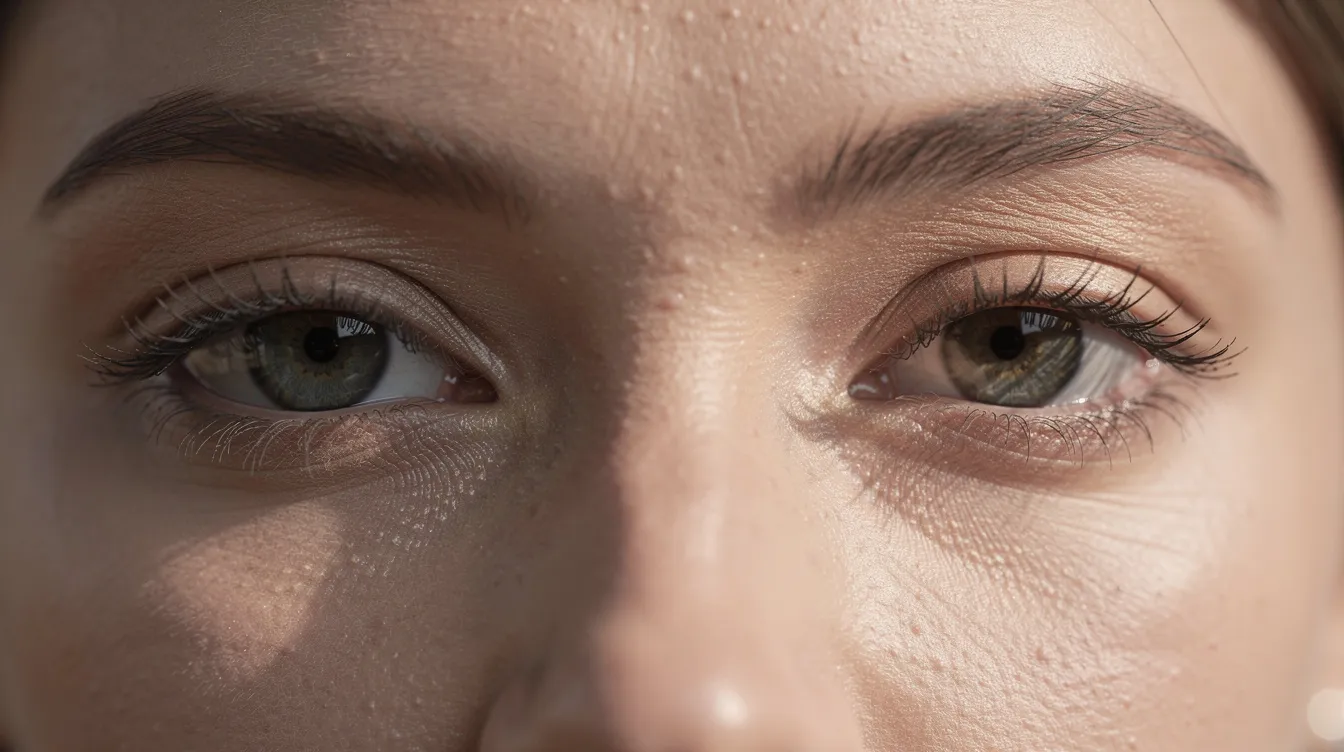
At the one-week mark, you’ll typically see yellow-green fading bruises where purple and red discoloration once dominated. This color shift happens because hemoglobin breaks down into biliverdin and bilirubin—a natural biochemical process that peaks around days 5–7. Swelling has usually decreased by 50–70% compared to the first few days, though moderate puffiness remains. Many patients describe a sensation of tightness and mild itching around the incision sites during this phase of the recovery process.
It is common for patients to experience uneven swelling between the two eyes during the first week after eyelid surgery. This asymmetry is completely normal and typically evens out as tissues heal over the following weeks.
The differences between upper eyelid surgery and lower eyelid surgery photos at one week are noticeable:
Upper Blepharoplasty | Lower Blepharoplasty |
|---|---|
Linear bruising along the natural eyelid crease | Diffuse under-eye discoloration |
Visible incision lines where excess upper eyelid skin was removed | Persistent puffiness in the tear trough area |
Improved eyelid opening, less heaviness | Under eye bags area still healing |
If non-dissolvable stitches are used in eyelid surgery, they are typically removed between days 5 and 7 post-operation. One week after eyelid surgery, stitches are often removed and patients begin to look more like themselves again.
Incision lines after eyelid surgery often appear pink, slightly raised, or puffy but are usually well-hidden in the natural crease. By the end of the first week, most patients are comfortable being seen in public with makeup and sunglasses, though close-up eyelid surgery photos still reveal the healing process in progress.
Day-By-Day to One Week: How Your Photos Change
Understanding the visual progression from surgery day through day 7 helps you know what’s normal and when to be concerned. Here’s the typical recovery timeline for your day eyelid surgery recovery photos.
Days 1–2: The “Worst” Phase Your eyelids look their most dramatic in photos during this period. Expect:
Peak swelling with heavy periorbital puffiness
Deep purple or red bruising from capillary rupture
Eyes appearing smaller or uneven due to edema
Possible blurry vision from corneal exposure
Cold compresses applied in 20-minute on/off cycles help vasoconstrict blood vessels and limit initial swelling. Keep your head elevated to reduce blood flow to the area.
Days 3–4: Plateau and Migration Swelling begins to stabilize, and bruises start their downward migration due to gravity. Photos still look dramatic, but you’ll notice early improvement:
Bruise colors shifting from purple to darker red-brown
Peak bruising intensity as discoloration spreads
Early signs that the body’s healing process is working
Days 5–6: Turning the Corner The recovery journey shows clear progress:
Less tightness around the upper eyelids and lower lids
More natural eye opening appears in pictures
Some patients can carefully use concealer around (not on) incisions if their plastic surgeon allows
Lymphatic drainage accelerates, reducing puffiness
Day 7: Suture Removal Many surgeons remove sutures around this time. Same-day recovery photos show:
Fine incision lines where stitches were located
Noticeably reduced puffiness compared to earlier days
Early glimpses of your natural shape emerging
By the end of the first week after eyelid surgery, bruising often fades and swelling decreases, although some mild puffiness may still be present. By day seven post-surgery, many patients feel comfortable enough to resume light household tasks or remote work.
This first week visual journey represents typical uncomplicated eyelid surgery recovery, but exact timing varies based on individual factors.
How to Take Useful Photos One Week After Eyelid Surgery
Consistent upper blepharoplasty recovery photos and lower blepharoplasty documentation help you and your surgeon evaluate how your healing process is progressing. Here’s how to create genuinely useful images.
Timing Matters Take photographs at the same time each day—ideally every morning between 8–9 AM. This minimizes variability from:
Swelling fluctuations (typically worse after lying flat overnight)
Lighting changes throughout the day
Activity-related puffiness
Standardize Your Setup For accurate day-by-day eyelid surgery recovery time photos:
Element | Recommendation |
|---|---|
Background | Neutral wall (white, gray, or beige) |
Lighting | Natural window light from directly in front of your face |
Distance | Same distance from camera each time (3–5 feet) |
Expression | Relaxed, natural expression with eyes looking straight ahead |
Essential Views for One-Week Photos Capture these angles to create a complete record:
Straight-on with eyes open
Straight-on with eyes gently closed
45° right angle
45° left angle
Full side profiles (both sides)
Close-up of each eye individually
Avoid makeup for your “medical” tracking pictures at one week. If your plastic surgeon has allowed cosmetics, optionally take a second set with light concealer for your personal reference.
Taking daily photos during recovery allows patients to visually track their progress, making it easier to notice subtle changes that may not be apparent day-to-day. Daily photos can help patients identify any unusual signs, such as increased swelling or signs of infection, allowing for timely intervention if necessary.
Store photos in a dated album on your phone so surgery recovery time photos are easy to compare with later weeks. Reviewing daily photos can boost a patient’s confidence and patience during recovery by providing visual reminders of their progress and improvements over time.

Comparing One-Week Photos to Final Results
Patients often worry that their one-week eyelid surgery photos reflect the final outcome. They don’t—and understanding eyelid surgery recovery time milestones helps set proper expectations.
Recovery Timeline Overview
Phase | Timeframe | What Photos Show |
|---|---|---|
Bruising phase | Week 1 | Visible swelling, discoloration, healing incisions |
Refinement | Weeks 2–4 | Residual swelling fades, incision lines flatten |
Near-final | Months 2–3 | 90% of results visible, scars mature |
Fully settled | Month 6+ | Subtle softening, final outcome achieved |
Most patients notice significant improvements in swelling and bruising by the second week after eyelid surgery, with many feeling comfortable returning to work and social activities.
Upper lid blepharoplasty photos often show eyelids appearing slightly “over-corrected” or too tight in early images. This happens because swelling masks how the tissues will ultimately settle. As the recovery period continues and scars mature, the brow contour and natural crease soften to reveal optimal recovery results.
Lower eyelid rejuvenation photos at one week frequently show persistent fullness that patients mistake for incomplete fat repositioning or skin removal. This residual swelling typically smooths over the following 4–8 weeks as the body completes proper healing.
Before and after photos of eyelid surgery provide compelling visual evidence of the dramatic improvements possible, showing how excess skin and fat around the eyes can be addressed. However, “final results” galleries online are usually taken at 3 months or later. Patients should not directly compare themselves to those images at day 7.
Patients typically report looking more rested, alert, and youthful after eyelid surgery, as evidenced by before and after photos that demonstrate these changes. Reviewing before and after photos helps set realistic expectations for potential results, as they illustrate the typical changes that occur during the healing process.
Factors That Affect How Your One-Week Photos Look
Multiple variables shape your appearance at the one-week mark. Understanding these factors helps you interpret your recovery photos accurately.
Individual Healing Differences
Your unique biology plays a significant role:
Age: Patients over 50 typically experience prolonged edema due to reduced collagen production. Studies show healing may take 20% longer.
Skin thickness: Thicker skin (common in certain ethnicities) can slow lymphatic drainage and extend visible swelling.
Smoking: Nicotine vasoconstricts blood vessels, potentially prolonging bruising by 30–50%. If you smoke, expect your photos to show more persistent discoloration.
Circulation conditions: Diabetes and other conditions affecting blood flow can impair the body’s healing process.
Surgical Variables
What was done during your procedure affects your one-week appearance:
Upper only: Faster recovery, typically 7–10 days before work return
Lower only: Longer visible recovery due to gravity-dependent fluid
Combined “quad” blepharoplasty: Patients who underwent quad blepharoplasty experience amplified bilateral swelling, requiring 14+ days for significant difference in photos
Adjunct procedures: A brow lift or endoscopic brow lift performed simultaneously adds forehead swelling to your images
Aftercare Adherence
Your actions directly influence how photos look:
Keeping your head elevated reduces venous pooling by approximately 40%
Using cold compresses as instructed limits initial swelling during the first few weeks
Avoiding intensive exercise prevents hypertension-induced complications
Taking prescribed pain medication as directed supports comfort without masking warning signs
Healing eyes may feel dry, gritty, or may have temporary vision fluctuations which may be improved with lubricating drops or ointments. Using prescribed eye drops helps maintain comfort and supports smooth recovery.
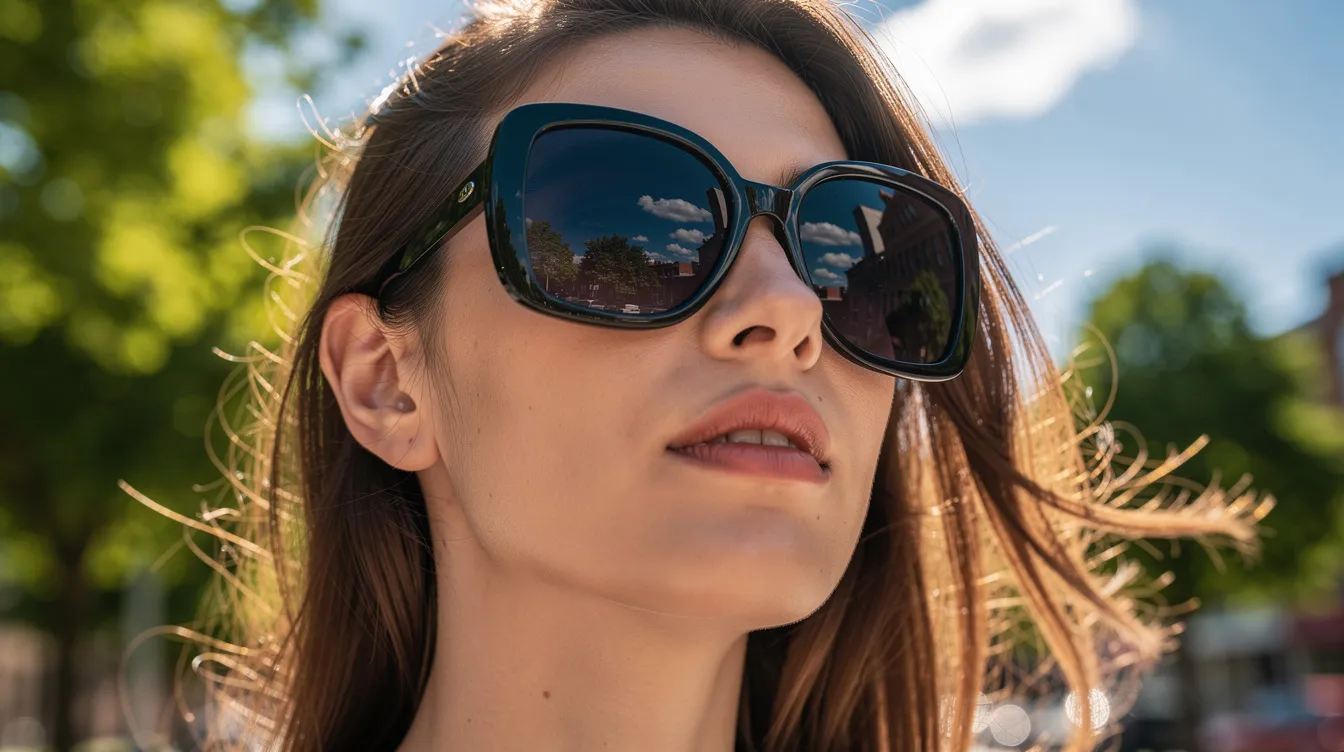
Sun protection is essential for healing skin, requiring the use of dark sunglasses whenever outdoors after eyelid surgery to prevent sun exposure from damaging delicate incision lines.
Certain medications and supplements—including aspirin, vitamin E, and fish oil—can extend bruising visible in day 7 photos due to platelet inhibition. Record any deviations from post-op instructions so you can interpret your images accurately with your surgeon.
Using Your One-Week Photos in Follow-Up & Future Planning
Your day 7–10 photos serve as a critical tool at your follow-up or virtual consultation appointment. Here’s how to maximize their value.
Surgeons typically compare pre-op, immediate post-op, and one-week pictures during oculoplastic surgery follow-ups to confirm that eyelid surgery recovery is on track. They’re looking for:
Appropriate symmetry given healing stage
Absence of hematoma or infection signs
Proper incision healing along the natural eyelid crease
Bring or upload dated photos if your in-person appointment gets delayed or if you’re having a telehealth check-in. This allows your surgeon to assess your recovery process even without examining you directly.
One week after eyelid surgery, patients typically experience significant improvement in swelling and bruising, although full recovery is still underway. During the first week post-surgery, patients may still experience some residual swelling, but it should gradually improve, allowing for a return to light daily activities.
These early images can guide discussion of complementary eyelid procedures once healing is complete. For example:
If hooding persists after upper blepharoplasty recovery, you may be a candidate for a future brow lift
Heavy upper lids that don’t fully resolve might benefit from an endoscopic brow lift
Remaining drooping skin could indicate need for additional skin pinch technique
Keep a full photo series through month 3. This documentation makes it easier to appreciate your final results and decide whether you want any additional subtle refinements. It also provides your plastic surgeon with complete data if revision discussions arise.
Monitoring for symptoms like sudden or severe pain not relieved by medication, sudden vision changes, or significant swelling is important post-surgery. Your photos help document any concerning changes for surgeon’s advice.
FAQ
What should worry me in photos one week after eyelid surgery?
While some asymmetry, bruising fade variations, and residual swelling are completely normal, certain signs in your one-week photos warrant immediate attention:
Rapidly increasing swelling on one side only: This could indicate a hematoma (blood collection), which occurs in approximately 1 in 200 cases
Expanding redness beyond the incision area: May signal developing cellulitis or infection
Thick yellow or green discharge: Suggests possible infection requiring antibiotics
New vision changes or significant asymmetry in eye opening: Could indicate orbital complications
Contact your surgeon immediately if these appear in your day 7–10 photos rather than waiting for your scheduled visit. Early intervention significantly improves outcomes.
Can I share my one-week eyelid surgery photos online?
Sharing is a personal choice, but keep these considerations in mind:
Images at one week still show healing and not the final cosmetic result—viewers may not understand this context
Consider cropping or blurring identifying details if posting in forums like RealSelf
Surgeons may ask permission before using your photos for educational galleries
Your natural outcome won’t be visible for several more months, so early sharing might misrepresent what eyelid surgery achieves
Is it normal for my eyes to look uneven in one-week photos?
Mild asymmetry in swelling or bruising during the first week is extremely common and usually evens out over the next several days. Each eyelid heals at slightly different rates due to variations in blood flow and tissue response.
Compare photos at 3–4 weeks before judging long-term symmetry. If significant difference persists beyond week 3, raise concerns with your surgeon at your next consultation appointment.
When can I restart exercise if my one-week photos look “good”?
Even if bruising looks minimal in your recovery photos, most surgeons recommend avoiding intensive exercise and heavy lifting for at least 10–14 days. Physical strain can:
Increase blood flow and worsen swelling (10–20% setback is possible)
Affect how the eyelid crease settles
Impact incision lines and delay proper healing
Elevate blood pressure, risking late hematoma formation
Follow your surgeon’s advice about activity restrictions regardless of how your photos appear. A good night’s sleep and patience serve your complete rejuvenation better than rushing back to the gym.
Do I still need follow-up visits if my one-week photos look perfect?
Scheduled follow-ups remain essential even when your recovery photos suggest a smooth recovery. Your surgeon evaluates:
Internal healing that photos cannot capture
Incision integrity and early scar development
Eyelid movement and natural expression function
Whether prescribed eye drops or ointments need adjustment
By the end of the first week, eyelid movement improves and discomfort continues to lessen, but only an in-person examination reveals the complete picture. Your surgeon may modify scar-care routines based on findings that aren’t visible on camera, ensuring your final results meet expectations.

-2.jpg?width=2000&height=2000&name=Copy%20of%20YouTube%20Thumbnail%20-%20Life-Changing%20Cosmetic%20Surgery!%20(Document)-2.jpg)


