Photos of blepharoplasty recovery are one of the simplest ways to understand what is happening after eyelid surgery. Blepharoplasty was the fourth most popular cosmetic surgical procedure in the United States in 2022, with over 115,000 procedures performed, reflecting its ability to address both cosmetic concerns and functional issues, according to ASPS procedural statistics. Satisfaction is also high: 92% of patients who underwent eyelid surgery reported satisfaction with their results.
Purpose of Eyelid Surgery Photos During Recovery
Eyelid surgery photos help patients track progress, compare swelling, and understand the healing process without guessing. Before and after photos of eyelid surgery demonstrate that patients typically appear more rested, alert, and youthful without looking “done” or unnatural.
The most dramatic changes seen in before and after galleries of eyelid surgery include the removal of heavy, drooping skin, which creates a more open and alert look, and the reduction of puffiness caused by protruding fat pads. Many patients notice a significant improvement and look like a refreshed version of themselves rather than someone who has had plastic surgery.
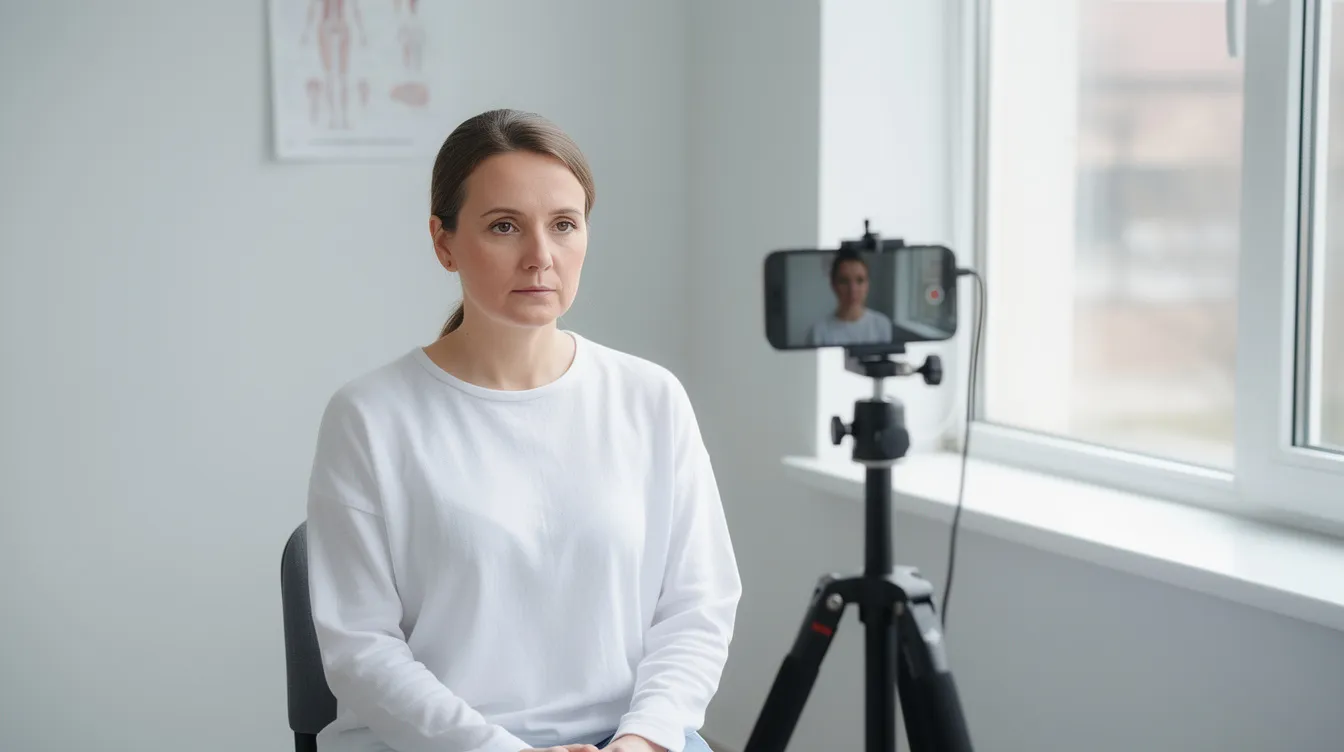
Standardize every image: same room, same lighting, same background, no makeup, and the same camera distance.
Photo Standards Before Your Consultation Appointment
Before your consultation appointment, take baseline photos without makeup. Capture:
Frontal view
Three-quarter view
Lateral side view
Eyes open and eyes closed
Neutral face and natural expression
Use a fixed distance and consistent camera settings. These images help plastic surgeons evaluate excess upper eyelid skin, excess skin, asymmetry, under eye bags, medical history, and whether upper eyelid surgery, lower eyelid surgery, or combined eyelid procedures may be appropriate.
Day-by-Day Eyelid Surgery Recovery Time Photo Guide
Taking day-by-day photos during eyelid surgery recovery helps patients track their healing progress and visualize changes in swelling and bruising over time.
Create a folder system like:
Timing | File example |
|---|---|
Surgery day | 2026-06-01_Day0_front |
First week | 2026-06-05_Day4_side |
Month 1 | 2026-07-01_Month1_smile |
Take several daily photos during the first week, then every few days through week 4. After the first month, weekly or monthly surgery recovery time photos are usually enough. Label each image with eyelid surgery recovery time.
Day One: Immediately After Surgery
Photograph your eyes upon waking. During the first three days after blepharoplasty, swelling and bruising are most pronounced, and patients may experience puffiness, tightness, or blurred vision.
During the first few days post-surgery, patients may experience puffiness, tightness, and blurred vision due to swelling and ointment application. This is commonly part of eyelid surgery recovery. Caption the swelling severity, prescribed eye drops, prescribed pain medication, and whether you kept your head elevated while resting.
First Week: Early Healing Process
The first week is when initial swelling and bruising look most noticeable. Take daily frontal photos each morning because swelling is often worse after a good night’s sleep. Use side views to show bruising fade from purple or blue into green or yellow.
Photos taken one week after eyelid surgery typically show significant improvement in swelling and bruising, providing a visual reference for patients. By the end of the first week, bruising often fades and swelling decreases, with many patients able to return to work if their jobs are not physically demanding.
Avoid intensive exercise, heavy lifting, and bending. Intensive exercise can increase blood flow and pressure around healing tissues.
Weeks 2–3: Visible Improvement
At two weeks, compare recovery photos with your pre-op baseline. Most visible bruising fades entirely by days 8-14, allowing patients to return to desk jobs and casual social environments.
By around day 14, most visible bruising has resolved, and while swelling continues to improve, mild fullness may persist, especially in the morning. Photograph incision lines close up to assess incision healing, redness, and flattening.
Light walking is usually encouraged, but follow your surgeon’s advice. Most patients see significant improvement here, although residual swelling is completely normal.
Month 1–3: Refinement Toward Final Results
Schedule photos at 1 month and 3 months. Include neutral and smiling shots so your surgeon can see eyelid motion and natural shape.
Between weeks 3 and 4, the eyelids appear closer to their long-term appearance as residual swelling continues to fade and incision lines flatten. By month 3, many patients see a natural outcome, though tissues heal at different speeds.
Month 3–6: Final Results Documentation
Capture final results at three and six months. Include brow position, upper eyelids, lower lids, and the tear trough area.
Final results usually look stable by this stage, especially after upper blepharoplasty recovery. However, scars mature over 6-12 months, so subtle fading can continue long after the recovery period.
Upper vs Lower Blepharoplasty Photo Checklist
Keep separate folders for upper and lower cases. Upper eyelid blepharoplasty often focuses on excess upper eyelid skin, skin removal, drooping skin, and recreating a natural eyelid crease or natural crease. A patient who underwent upper blepharoplasty should label whether fat removal, fat repositioning, or muscle adjustment was performed.
For lower blepharoplasty, label the technique: lower transconjunctival blepharoplasty, external incision, skin pinch, or lower eyelid rejuvenation. Lower eyelid surgery may involve under eye bags, lower lids, fat pads, and the tear trough area. Photos should show whether puffiness or hollowing improves.
Upper blepharoplasty recovery photos and lower blepharoplasty photos should not be compared as if they heal identically.
Quad Blepharoplasty and Brow Lift Photo Examples
If a patient underwent quad blepharoplasty, group the case separately because all four lids are healing at once. Add brow lift frames if performed, since brow height can change how upper eyelids appear.
Captions should highlight symmetry, complete rejuvenation, and whether the natural shape is returning. In oculoplastic surgery, small changes in brow position can create a significant difference in the upper lid result.
Optimizing Eyelid Surgery Recovery for Better Photos
A smooth recovery starts with simple habits:
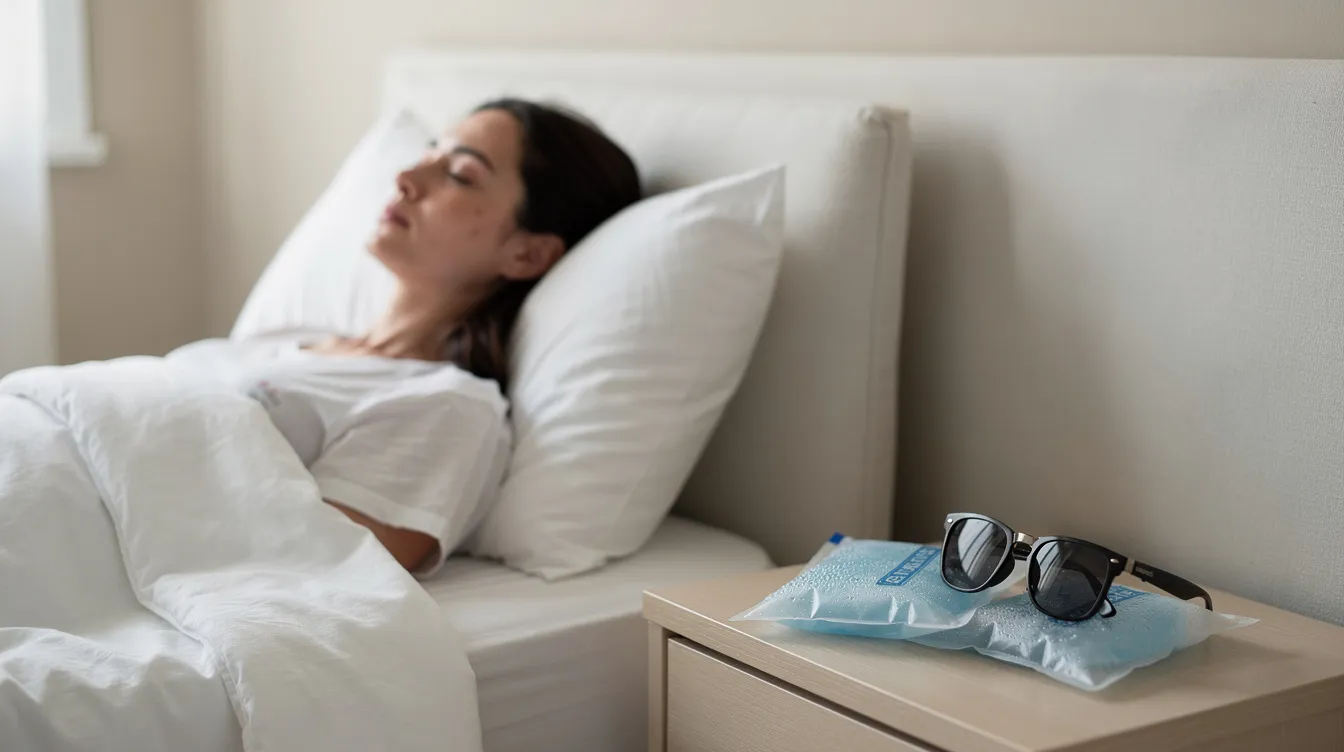
Keep your head elevated for the first 72 hours to help reduce swelling.
Use cold compresses as directed.
Avoiding strenuous activities, heavy lifting, and bending over for at least two weeks post-surgery is crucial to support healing after eyelid surgery.
Staying hydrated and eating nutritious foods can support your body’s healing process and promote optimal recovery after blepharoplasty.
Protect incisions from sun exposure.
Sun protection is crucial during recovery, as healing scar tissue is vulnerable to permanent discoloration from UV rays. Wearing sunglasses and using sunscreen is important to protect your sensitive eyelids from harmful UV rays during the recovery period.
Always follow your surgeon’s instructions closely; optimal recovery depends on proper healing, not just better-looking photos.
What To Capture at Each Follow-Up Visit
At each follow-up, ask for clinical eyelid surgery photos under consistent lighting. Record:
Procedure type
Date and post-op day
Medications
Symptoms
Any complications
Surgeon commentary
This makes the recovery journey easier to interpret later, especially if you are tracking upper blepharoplasty recovery, lower eyelid rejuvenation, or combined eyelid procedures.
Healing Process Signs to Photograph
Common symptoms after eyelid surgery include swelling, bruising, and tightness around the eyes, which are part of the normal healing process.
Also photograph:
Bruising color changes
Suture removal at about a week
Mild redness
Temporary dryness
Incision healing
Residual swelling
It is normal to experience mild redness, residual swelling, and temporary dryness as the eyelids heal after surgery.
Troubleshooting: When Photos Indicate Concerns
Some changes need prompt attention. Dry Eye Syndrome can occur after eyelid surgery, ranging from temporary discomfort to persistent issues, often due to surgery affecting tear production or eyelid closure.
Infection rates in blepharoplasty cases are less than 1%, but surgeons maintain strict sterile techniques and prescribe antibiotics to minimize this risk. Still, increasing redness, warmth, drainage, or worsening swelling should be photographed and sent to your surgeon.
Asymmetry can be a concern for patients after eyelid surgery, especially if they have natural differences between their eyes; careful pre-operative planning and measurements help mitigate this risk.
Ectropion, where the lower eyelid pulls away from the eye, can occur if too much skin is removed during surgery; conservative skin removal techniques are essential to prevent this.
Vision changes are a rare but serious potential complication of eyelid surgery, which can be minimized through careful management of blood vessels and gentle tissue handling during the procedure. Sudden vision changes should be treated as urgent.
Gallery Captions, Metadata, and Patient Privacy
For every image, include procedure, date, eyelid surgery recovery time, and angle. If photos will be public, obtain written consent and anonymize identifying features.
Useful caption format:
Upper blepharoplasty, Day 10, frontal view, no makeup, morning photo, bruising improving, residual swelling present.
Good captions make recovery photos more useful and help set realistic expectations.
Use Photos at Your Consultation Appointment
Bring sequential recovery photos to your consultation appointment, especially if you are considering revision, upper eyelid surgery, lower eyelid surgery, or a brow lift.
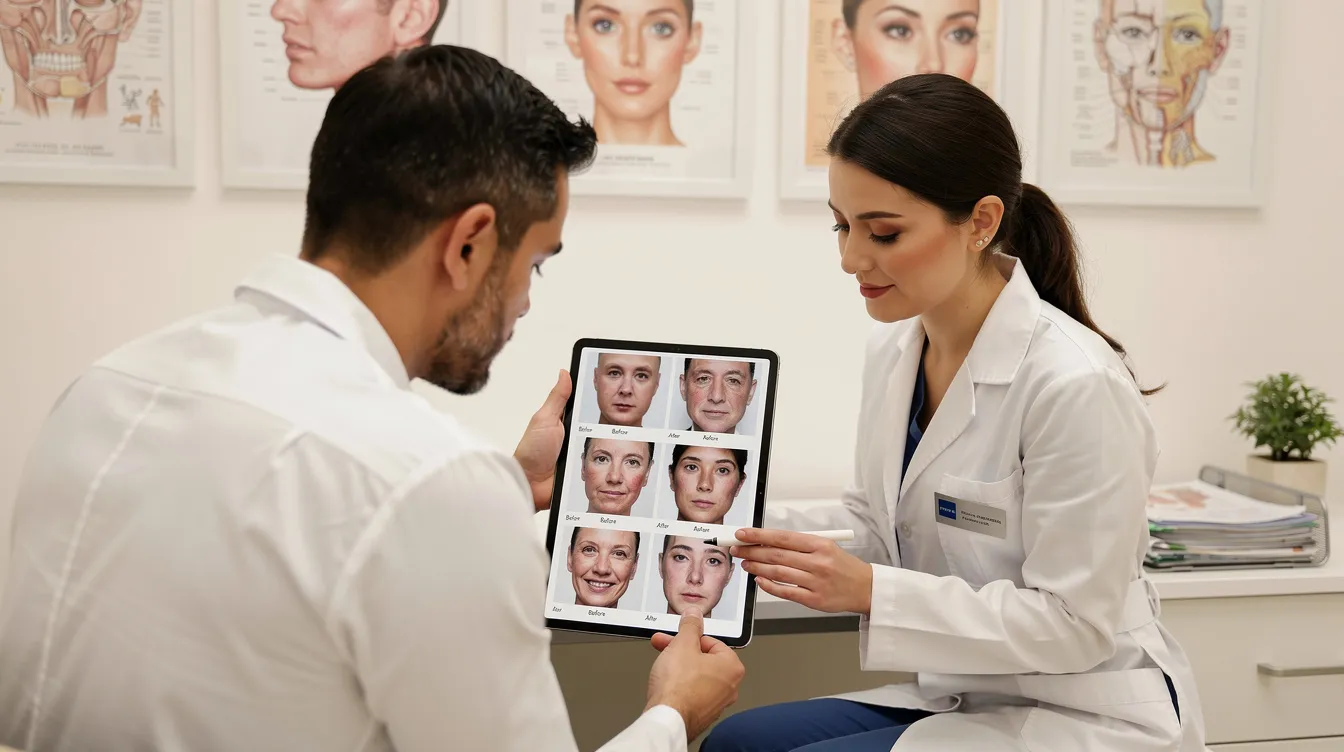
Reviewing before and after photos of eyelid surgery can help set realistic expectations for recovery and the final aesthetic outcomes. Ask your surgeon to compare your case with similar patients, not idealized gallery images.
The goal is not to look different. The goal is to look rested, balanced, and natural-while using photos of blepharoplasty recovery to understand each stage of the recovery process.
Frequently Asked Questions
What is the purpose of taking recovery photos after blepharoplasty?
Recovery photos help patients track healing progress, compare swelling and bruising changes over time, and understand the recovery process visually. They provide a clear record of improvements that may be difficult to notice day-to-day without comparison.
What baseline photos should I take before my consultation?
Take photos without makeup in consistent lighting showing frontal, three-quarter, and lateral views with eyes open and closed in neutral expression. Use fixed distance and camera settings. These help surgeons evaluate excess skin, asymmetry, under-eye bags, and determine appropriate surgical approaches.
When is swelling and bruising most noticeable after eyelid surgery?
Swelling and bruising are most pronounced during the first three days after surgery. Patients may experience puffiness, tightness, and blurred vision. Most visible bruising typically fades by days 8-14, though mild swelling can persist longer, especially in the morning.
When can I return to normal activities after blepharoplasty?
By the end of the first week, many patients can return to desk jobs and casual social activities. Light walking is usually encouraged around weeks 2-3. Intensive exercise, heavy lifting, and bending should be avoided initially as they increase blood flow to healing tissues.
When do final blepharoplasty results appear stable?
Final results usually appear stable by three to six months post-surgery. However, scars continue maturing over 6-12 months with subtle fading. Between weeks 3-4, eyelids approach their long-term appearance as residual swelling fades and incision lines flatten.
Learn more: Eyelid Surgery at Leva Medical

-2.jpg?width=2000&height=2000&name=Copy%20of%20YouTube%20Thumbnail%20-%20Life-Changing%20Cosmetic%20Surgery!%20(Document)-2.jpg)


