A petite bbl is a lower-volume brazilian butt lift designed for slimmer patients who want better shape, a gentle lift, and a natural look rather than dramatic volume. Because the procedure depends on body fat, candidacy is closely tied to how much donor fat a patient has, where it is stored, and whether the final body shape can be improved safely.
Learn more: Body Contouring at Leva Medical
Introduction: Petite BBL and Body Fat
A petite BBL is tailored for patients with a low body mass index (BMI), typically between 20 and 23. Patients with a BMI of less than 20 may not have enough excess fat deposits to qualify for a Petite BBL, as they may be considered too thin for the procedure.
An effective outcome from a petite BBL requires consulting with a board-certified plastic surgeon specializing in low-volume fat grafting. This matters because skinny bbl patients often have limited donor fat, so careful planning is needed to harvest enough fat without creating contour problems in the areas treated.

What Is a Skinny BBL (Brazilian Butt Lift Variation)
A skinny bbl, also called a skinny brazilian butt lift, focuses on subtle enhancement. The goal is usually to improve symmetry, soften hip dips, add modest upper-butt fullness, and create natural looking results that match a slender frame.
The Petite Brazilian Butt Lift (BBL) is designed for individuals with lower body fat percentages, focusing on subtle enhancements rather than dramatic changes, while a traditional BBL typically involves transferring larger volumes of fat for a more pronounced look. Expect a naturally fuller and perkier appearance that aligns with the individual’s slender frame.
Brazilian Butt Lift Procedure: Liposuction and Fat Transfer
The brazilian butt lift procedure begins with liposuction. Surgeons harvest fat from multiple donor areas such as arms, inner thighs, flanks, and abdomen to achieve sufficient volume for the procedure. Other common donor sites include the lower back, thighs, and areas of stubborn fat around the waist.
After fat removal, the harvested fat is processed to remove fluid, oil, and damaged tissue. The refined fat cells are then injected into the buttocks using a controlled fat transfer technique. Current safety guidance emphasizes keeping grafting in the subcutaneous layer, above the gluteal fascia, to reduce serious risks; the ASPS gluteal fat grafting safety advisory explains why injection plane is critical.
Fat Transfer Techniques for Petite BBL
Fat transfer procedures depend heavily on graft quality. Common purification methods include washing, filtration, decanting, or centrifugation; research on fat graft processing shows that gentle handling can help protect cell viability.
For a petite bbl, surgeons usually place tiny ribbons of fat in multiple tunnels instead of large boluses. This layering technique supports fat survival because each grafted area has a better chance of developing blood supply. Several factors affect long-term results, including donor site choice, cannula size, injection pressure, post-op compression, smoking status, and the surgeon’s experience.
How Much Fat Is Typically Transferred (How Much Fat)
How much fat is transferred depends on body type, goals, and available donor fat. Petite cases often use about 150 to 600 cc per side, while many patients fall closer to 200 to 500 cc per side.
Surgeons prioritize quality over quantity because overfilling a small frame can reduce fat survival, increase swelling, and distort shape. During consultation, ask how much volume is realistic for your butt, hips, and overall body.
Gain Weight Before Surgery: When to Consider It
It is strongly discouraged to gain weight before the procedure, as losing that weight afterward could compromise the surgical outcome. If a surgeon believes a small increase in weight is medically reasonable, it should be planned carefully and maintained for at least three months before surgery.
The bigger goal is not simply to add fat. The goal is to have stable weight, good nutrition, and enough fat in useful donor areas.
Who Is a Good Candidate for a Petite BBL (Good Candidate)
Ideal candidates for a Petite BBL are typically slender women in good overall health with lower body fat percentages, but still possessing enough donor fat for transfer. Candidates for a Petite BBL should be at a stable weight, maintain a healthy lifestyle, and have realistic expectations about the results of the procedure.
A good candidate should also understand that not all slim patients qualify. If there is excess skin from weight loss, a different plan may be needed; in some cases, a tummy tuck or skin-tightening procedure may be discussed separately.
Petite BBL vs Traditional BBL: Choosing Based on Body Shape
The primary difference between a petite BBL and a traditional BBL is the amount of fat transferred; the petite BBL uses smaller amounts of fat to achieve a natural look, while the traditional BBL focuses on larger fat transfers for more significant volume increases.
Procedure | Best suited for | Typical goal |
|---|---|---|
Petite bbl / skinny bbl | Slender patients with limited donor fat | Natural shape, lift, hip dips, subtle contour |
traditional bbl | Patients with more excess fat | Fuller buttocks, more projection, larger hips |
traditional brazilian butt lift | Higher-volume fat transfer | More dramatic augmentation |
Patients with higher body fat are generally better suited for traditional BBL procedures, which aim for a fuller appearance, while the petite BBL is tailored for slender patients with limited donor fat. These key differences should be matched to your frame, not just to a photo you like.

BBL Cost and Financing (bbl cost)
The cost of a petite BBL can vary based on factors such as the surgeon’s experience, the number of body areas treated with liposuction, anesthesia, and facility fees. General anesthesia, prescriptions, pain medication, compression garments, labs, and follow-up visits may also affect the final quote.
Typically, the petite BBL cost is lower than that of a traditional Brazilian butt lift due to the smaller amounts of fat being transferred. Still, skinny bbl cost is not always dramatically cheaper because operating room and anesthesia costs remain. Many practices offer financing options to help patients manage the cost of a petite BBL, allowing for payment plans to be discussed during consultations.
Recovery Process After Petite BBL (Recovery Process)
The recovery process after a petite BBL typically lasts several weeks, during which patients need to rest and limit activities to protect the transferred fat and support healing. The petite BBL is designed to use smaller volumes of harvested fat, which can lead to a more manageable recovery process compared to traditional BBL procedures.
A common timeline looks like this:
Days 1–3: swelling, bruising, drainage, and soreness
Week 1: light walking, rest, and no direct pressure on the buttocks
Weeks 2–4: swelling improves, but sitting remains limited
Weeks 4–6: gradual return to routine activity if cleared
After 6 weeks: shape begins to settle, though final results may take months
Compression garments are worn after a petite BBL to reduce swelling and support the areas treated with liposuction, and follow-up appointments are crucial for monitoring healing and fat survival.
What Is Recovery Like After a Petite BBL? (Recovery Like)
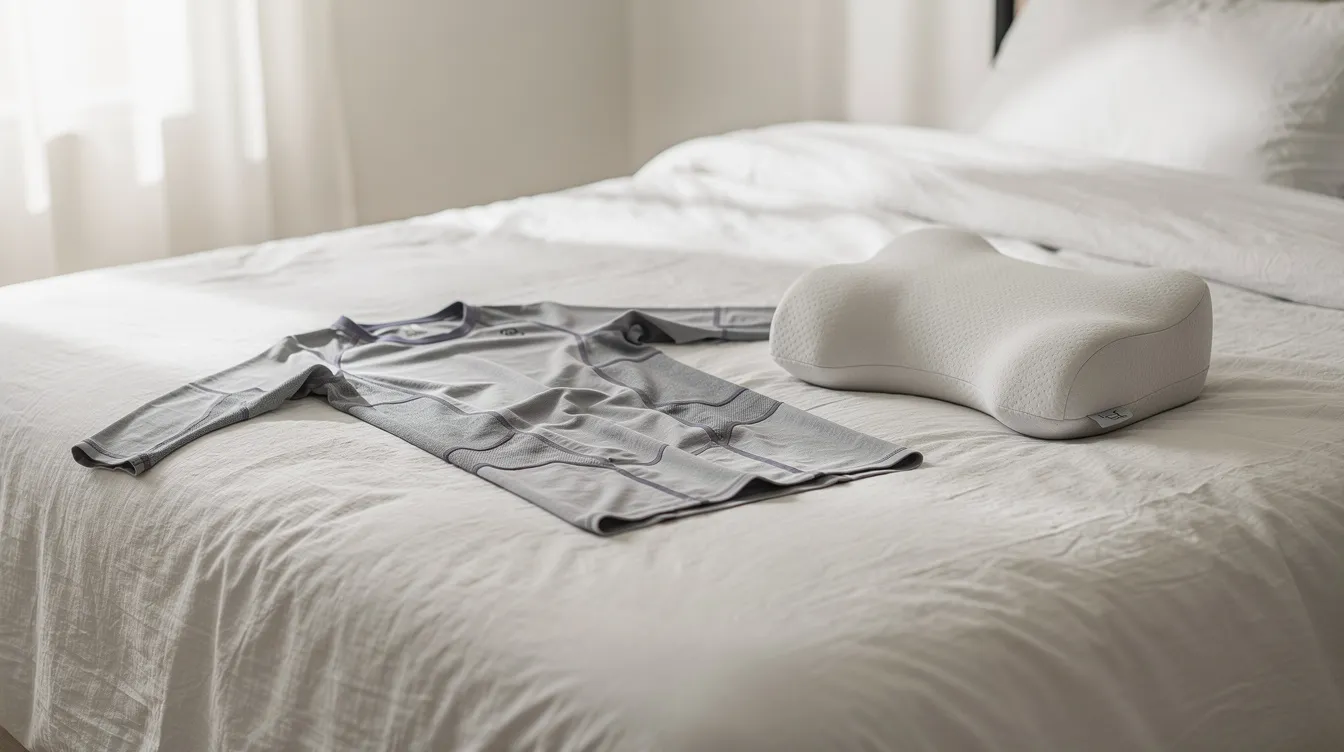
Recovery like this requires patience. Patients are advised to avoid sitting directly on the buttocks for long periods after a petite BBL, and special pillows can help reduce pressure when sitting is unavoidable.
You may be told to sleep on your stomach or side, wear compression garments as directed, and take short walks to improve circulation. Avoid sitting directly unless your plastic surgeon clears it.
Recovery for Skinny BBL Specifically
Because skinny patients often receive less fat, protecting the grafts is especially important. Too much pressure, intense exercise, or early activity may affect fat survival.
Avoid strenuous workouts until cleared. Swelling can also make early results look larger or uneven, so judge your final shape gradually over several weeks.
Results Longevity and Weight Management
Transferred fat behaves like normal fat. If you gain significant weight, the butt and donor areas may enlarge; if you lose significant weight, volume can shrink.
The best way to preserve results is to maintain stable weight, eat well, stay active after recovery, and avoid major weight fluctuations post-op.
Benefits and Risks of Petite Brazilian Butt Lift (Plastic Surgery)
A petite Brazilian butt lift offers benefits such as improved shape, smoother contours, and enhanced overall appearance, while also refining the donor areas through liposuction. It can create a natural, balanced lift without implants.
Risks associated with a petite BBL include potential complications such as swelling, infection, fat loss, uneven results, and visible scarring. Other risks include asymmetry, contour irregularity, anesthesia complications, and poor fat retention. Choosing an experienced plastic surgeon is one of the most important safety steps in this type of plastic surgery.
Before and After: Planning and Documentation
Before photos help your surgeon plan the bbl procedure and compare results later. Standard views usually include front, back, side, and angled photos under consistent lighting.
Ask to see before-and-after examples of bbl patients with a similar body type. This helps set realistic expectations about size, shape, and what a natural result can look like on your frame.
FAQs and Patient Preparation
Before surgery, prepare a simple checklist:
Stop smoking if instructed
Review medications and supplements that may increase bleeding
Arrange transportation and help at home
Prepare pillows, loose clothing, and recovery supplies
Confirm all follow-up appointments
Ask whether the plan involves transferring fat to the hips, buttocks, or both
Also ask whether you have enough fat, which donor areas will be used, how much fat may be transferred, and what to do if fat retention is lower than expected.
Schedule a Consultation and Next Steps
A petite bbl can be a good option for slender patients who want a refined, natural result rather than dramatic volume. The safest next step is to book a consultation with a board-certified plastic surgeon who regularly treats skinny bbl patients and understands low-volume fat transfer.
Bring your medical history, goal photos, weight history, and body shape concerns. A strong consultation should leave you with a clear plan, an itemized quote, and a realistic view of what your bbl can achieve.
Frequently Asked Questions
What BMI range is typical for petite BBL candidates?
Petite BBL candidates typically have a BMI between 20 and 23. Patients with a BMI below 20 may not have enough excess fat deposits to qualify for the procedure, as they may be considered too thin.
How much fat is typically transferred in a petite BBL?
Petite BBL cases often use approximately 150 to 600 cubic centimeters per side, with many patients falling closer to 200 to 500 cc per side. Surgeons prioritize quality over quantity to optimize fat survival.
What are the donor sites for fat harvesting in a BBL?
Fat is harvested from multiple areas including arms, inner thighs, flanks, abdomen, lower back, and areas of stubborn fat around the waist. The surgeon selects donor sites based on available fat and surgical goals.
Should I gain weight before a petite BBL procedure?
Gaining weight before the procedure is strongly discouraged. If weight increase is considered medically reasonable, it should be planned carefully and maintained for at least three months before surgery for stable results.
What is the main difference between petite and traditional BBL?
The primary difference is fat volume transferred. Petite BBL uses smaller amounts for natural results on slender patients, while traditional BBL transfers larger volumes for more dramatic augmentation in patients with more excess fat.

-2.jpg?width=2000&height=2000&name=Copy%20of%20YouTube%20Thumbnail%20-%20Life-Changing%20Cosmetic%20Surgery!%20(Document)-2.jpg)


