If you're considering reshaping your nose without going under the knife, understanding what nose filler before and after results actually look like is essential. This guide covers everything prospective patients, practitioners, and researchers need to know about non surgical rhinoplasty - from candidate selection and procedure technique to risk management, photography standards, and long-term maintenance.
Overview of Nose Filler and Non Surgical Nose Job
A non surgical nose job uses injectable dermal fillers to reshape the nose without incisions, anesthesia, or structural bone and cartilage modification. Non-surgical rhinoplasty uses injectable dermal fillers like Restylane, a hyaluronic acid filler used for nose enhancement, to add volume in specific areas - smoothing a dorsal hump, straightening the nasal bridge, or lifting the nasal tip. Juvéderm is another hyaluronic acid filler for nasal reshaping, and Belotero is also used as a nose filler for minor adjustments.
Unlike traditional rhinoplasty, which permanently alters bone and cartilage through surgery, nose filler works by volume augmentation. Filler adds volume to the nose and cannot make it smaller. This means a non surgical approach excels at camouflage and contouring but cannot reduce overall size, narrow wide nostrils, or fix internal breathing issues.
One of the strongest appeals of liquid rhinoplasty is that non-surgical rhinoplasty can provide immediate results after treatment. Filler can create a straighter nasal appearance in one session, and changes are visible within minutes. Filler injections can improve nasal symmetry and contour, making this cosmetic procedure attractive for anyone who wants to enhance their facial features with minimal downtime.

Candidate Selection and Nasal Appearance Goals
Ideal candidates for a non surgical nose job typically have mild to moderate aesthetic concerns:
A bump or depression along the nasal bridge
Mild asymmetry or contour irregularities
A slightly drooping tip that could benefit from a slight lift
A desire to enhance overall nasal appearance without committing to surgery
Nasal tip concerns deserve separate evaluation. Small amounts of filler can create the appearance of better projection or a slight lift in the tip by targeting tip defining points or the columella. However, filler cannot reduce a bulbous tip or reshape thick cartilage. Patients seeking a refined nasal tip through significant structural change should consider surgical rhinoplasty instead.
Patients with previous rhinoplasty present higher risk. A large review of 2,488 procedures found that patients with prior surgery had an adverse event rate of 10.8% compared to 7.4% in those without - an odds ratio of 1.51. Scar tissue, altered blood vessels, and thinner skin all complicate filler placement in surgically modified noses.
Types of Procedures: Liquid Rhinoplasty Versus Surgery
Liquid rhinoplasty involves injecting hyaluronic acid or calcium hydroxyapatite filler material beneath the skin in targeted layers - periosteal, subcutaneous, or supraperichondrial - using a needle or cannula. The entire procedure is performed in-office with no general anesthesia required.
Surgical rhinoplasty is preferable when a patient needs major size reduction, nostril narrowing, correction of breathing dysfunction, severe tip reshaping, or permanent structural change. For patients unwilling to maintain repeated treatments, a one-time nose job is more cost-efficient long term.
Dermal fillers produce temporary results. Hyaluronic acid fillers typically last 9 to 12 months, with some lasting up to 18 months depending on cross-linking and placement depth. Silikon-1000 is a permanent filler for non-surgical rhinoplasty, but most practitioners caution against non-resorbable fillers due to higher granuloma and long-term complication risk.
Procedure Details and Technique for Nose Filler
Consultation steps should include full medical history (prior nasal surgery, medications, allergies, vascular risk factors), physical examination of skin thickness and cartilage framework, clear aesthetic goals discussion, and standardized photography.
Common injection sites include:
The dorsum to smooth a bump or depression
The radix to adjust profile depth
Tip defining points for rotation or projection
The columella for tip support
Sidewalls for improving symmetry
Every provider performing nose filler must prepare hyaluronidase for reversibility. Non-surgical rhinoplasty is reversible using hyaluronidase if needed, which makes HA-based fillers the safest choice. Filler results can be reversed with hyaluronidase if needed in cases of overfilling or vascular emergency.
During the appointment, document immediate results with photos taken before, during, and after to assess symmetry and allow medico-legal record keeping.
Before Treatment: Preparation and Photography
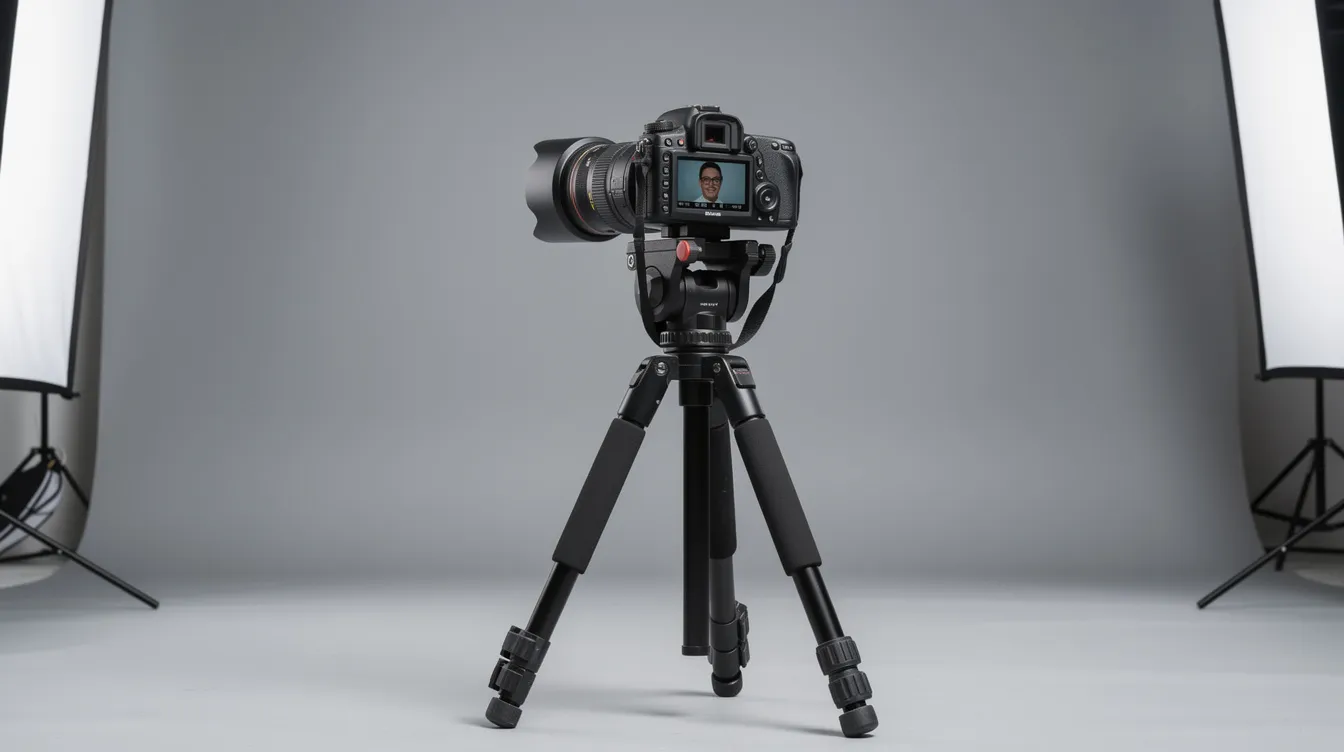
Capture standardized before photos in multiple views: frontal, true lateral (both sides), basal, and oblique. Use identical lighting, background, camera distance, and no makeup.
Advise patients to avoid NSAIDs, blood thinners, fish oil, vitamin E, and garlic supplements for one week prior to reduce bruising risk. Screen for autoimmune conditions and allergies.
Discuss realistic nasal appearance goals openly. Use digital morphing or mockup tools when available. Clarify what filler can achieve - smoothing, lifting, camouflage - and what it cannot: reducing structures, permanently altering cartilage, or correcting severe deviation.
During Treatment: Patient Experience and Timing
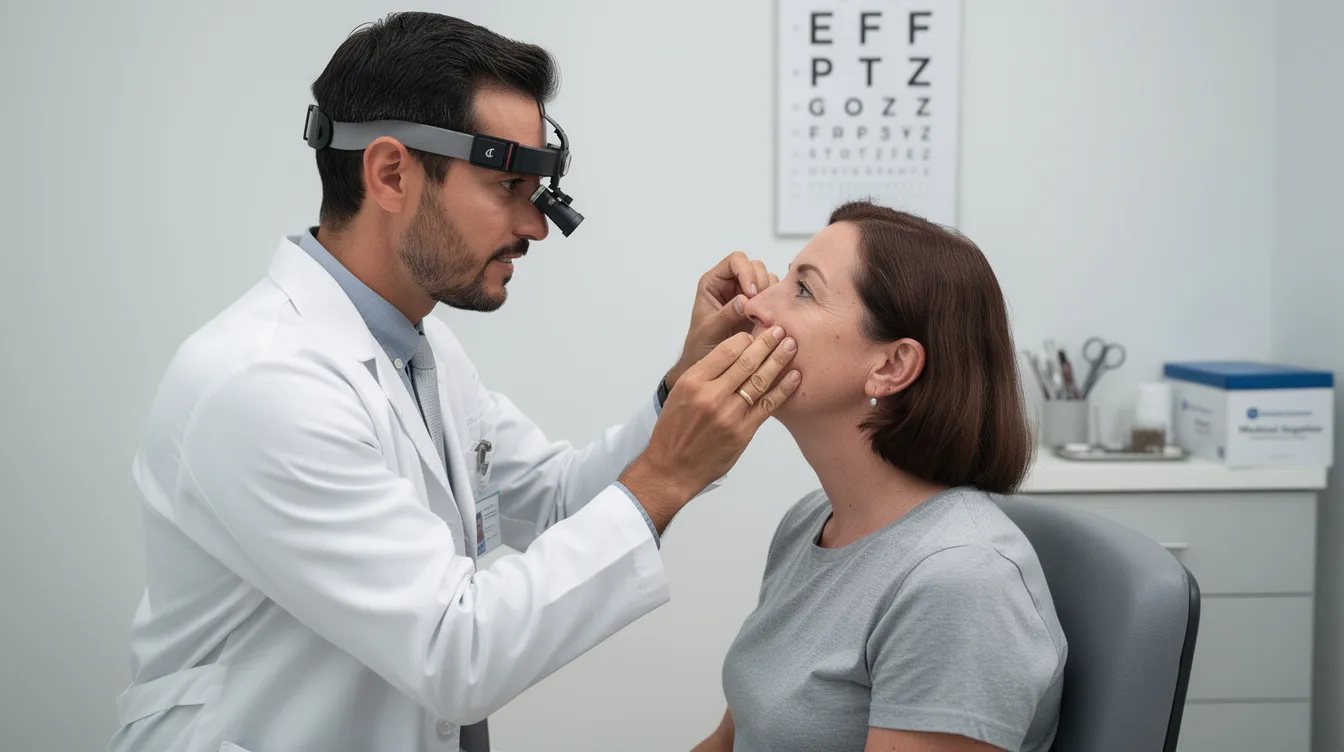
The procedure usually requires 15 to 45 minutes to complete, including consultation, consent, skin preparation with a topical anesthetic, injections, and post-treatment assessment. Most patients feel slight pressure during injection rather than sharp pain.
Assess symmetry frequently during the process by checking frontal and lateral views after each incremental injection. Use small boluses (0.1–0.2 mL per site) rather than large volumes. Inject slowly and allow time for the filler to settle before adding more. This incremental approach reduces risk and helps achieve desired results with precision.
Aftercare, Recovery, and Immediate Results
Apply cold compresses for the first 24 hours (10–20 minutes at a time) to control swelling
Avoid strenuous exercise, heat exposure, alcohol, and lying face down for 24 hours
Do not massage or manipulate the treatment area unless instructed
Resume normal activities immediately - downtime is typically minimal with most patients returning to normal activities right away
Initial healing includes mild swelling and redness at injection sites lasting 48 to 72 hours. Mild swelling and redness at injection sites are common side effects and represent minor side effects that resolve without intervention. Most swelling peaks within 24–48 hours, and most patients see final results within 1 to 2 weeks. Nose filler results are visible immediately after treatment, though the settled shape emerges as edema fades. Some bruising and redness around injection points is expected and temporary.
Longevity, Maintenance, and Temporary Results
Results from non-surgical rhinoplasty typically last 9 to 18 months. Nose filler typically lasts around 12 to 18 months depending on filler type, placement depth, and individual metabolism. Restylane filler usually lasts 9 to 12 months, and Restylane filler typically lasts 9 to 12 months in the nose specifically.
Touch-up treatments are needed to maintain filler results. Many patients return at 9–12 months for maintenance. Patients often require two to three treatments for sustained, consistent results over time. In rare cases, single HA injections have shown effects persisting far beyond typical timelines.
Nose filler procedures cost significantly less than surgical rhinoplasty per session (averaging roughly $1,400 in the U.S.), but nose filler treatments typically require regular maintenance costs. Over several years, cumulative filler costs can approach or exceed the one-time investment of surgery. Surgical rhinoplasty involves higher costs and longer recovery times upfront, but delivers permanent change.
Risks, Complications, and Safety Protocols
The nose's complex vascular structure makes filler injections more technically demanding than most other facial areas. The procedure carries risks of vascular complications and infection. A systematic review of 9,657 patients reported serious vascular complications at approximately 0.27%, with overall complication rates around 2.52%.
Always choose an experienced injector. Providers should be trained in facial anatomy, perform high volumes of nasal injections, use safe techniques (aspiration, cannulas, slow injection), and maintain emergency protocols.
Every clinic performing this procedure must have hyaluronidase immediately available. If signs of vascular occlusion appear - pain, blanching, mottling, delayed capillary refill - early intervention within hours dramatically improves outcomes. Potential complications including skin necrosis and, in extremely rare cases, vision loss require rapid response. Serious complications are uncommon but demand preparedness. Infection risk, while low, should also be discussed during consent.
Revision Considerations After Previous Rhinoplasty
Scar tissue from prior surgery alters vascular pathways and soft tissue thickness, making filler placement less predictable and increasing adverse event risk. Assess these factors thoroughly before injecting.
If structural problems persist - twisted cartilage, collapsed sidewalls, septal deviation affecting breathing - recommend a surgical rhinoplasty consult. Filler can mask minor irregularities in previously operated noses but cannot replace cartilage or bone support.
Document all filler use carefully. Residual volume, scar tissue from repeated injections, or distorted landmarks from filler can complicate future surgical plans. Surgeons planning revisions need complete records of filler type, amount, location, and timing.
Photographing Nose Filler Before And After Results
Capture every patient in these essential views:
Frontal (front view for symmetry assessment)
Lateral (both sides for profile and projection)
Basal (from below for tip definition and nostril shape)
Oblique (three-quarter for overall contour)
Use consistent diffuse lighting, neutral background, identical camera distance (typically 12–24 inches with a portrait lens), and no makeup. Avoid lighting that exaggerates or hides surface irregularities.
Annotate every photo with exact timing: "pre-treatment," "immediately post," "1 week," "1 month," "3 months." Nose filler before and after documentation requires this level of detail because swelling and filler settling change the appearance substantially over time.
Communicating Results: Nasal Tip and Overall Aesthetics
Explain tip changes using visual aids - 3D imaging, sketches, or digital morphing. Show how filler placement rotates or lifts the tip, but clarify limitations with thick skin or heavy cartilage. Use measurements like tip rotation angle and projection ratios to communicate changes objectively.
Show progressive before-and-after comparisons across multiple timepoints rather than just a single "after" image. Tracking appearance at 1 week, 1 month, and 3–6 months reveals how swelling settles and the final shape emerges. This helps patients determine whether their expectations align with reality.
Patient satisfaction in liquid rhinoplasty populations is remarkably high - approximately 99% in a large systematic review. Use validated scales (FACE-Q, Visual Analogue Scales) to capture patient-reported metrics and desire for additional treatments.
Comparison Table and Patient Decision Tools
Factor | Non Surgical Rhinoplasty | Surgical Rhinoplasty |
|---|---|---|
Permanence | Temporary (9–18 months) | Permanent |
Downtime | Minimal (return to activities same day) | Weeks of recovery |
Cost per session | ~$1,400 average | $5,000–$15,000+ (one-time) |
Scope of change | Smoothing, lifting, camouflage | Full structural reshape |
Reversibility | Yes (hyaluronidase for HA fillers) | No |
Can reduce size | No | Yes |
Functional correction | No | Yes (breathing, septum) |
Anesthesia | Topical/local | General or local |
Scarring | None (no incisions) | Possible (open approach) |
Quick checklist for choosing:
✅ Choose filler if you want minor contouring, a trial run, or zero downtime
✅ Choose surgery if you need size reduction, functional correction, or permanent results
✅ Choose filler first if unsure - it's reversible and helps you rest easy knowing you can always proceed to surgery later
Consent, Documentation, and Legal Notes
Prepare informed consent covering temporary results, potential adverse events (swelling, bruising, infection, vascular occlusion including possible necrosis or vision loss), asymmetry, need for reversal, and impact on future surgical options. Record filler type, volume, lot number, and injection sites.
Document all prior procedures including previous rhinoplasty details - surgical reports, grafts used, complication history. Retain all before-and-after photos securely in the medical record with patient consent, annotated with demographics, filler used, and pinching test results where applicable.
Consultation and Next Steps
Schedule a detailed nasal assessment that evaluates both aesthetic goals and functional anatomy - nasal bones, cartilage, skin envelope, septum, and breathing. A thorough consultation is where you determine the best path forward, whether that's a female or male patient seeking subtle enhancement or someone exploring options after a previous procedure.
Request that patients bring prior surgical records, medication history, and allergy documentation. This information is essential for risk stratification and treatment planning.
Where possible, offer a virtual preview or digital morphing session. These tools let patients visualize potential outcomes, compare surgical versus non surgical possibilities, and set balanced expectations before any filler is injected. The goal is simple: help every patient achieve desired results safely, with full understanding of what this procedure can and cannot deliver.
Frequently Asked Questions
What injectable fillers are used for non-surgical nose jobs?
Common fillers include Restylane and Juvéderm, which are hyaluronic acid-based fillers. Belotero is also used for minor nasal adjustments. Hyaluronic acid fillers typically last 9 to 12 months, with some lasting up to 18 months depending on placement depth and cross-linking.
What can nose filler accomplish and what are its limitations?
Filler can smooth dorsal humps, straighten the nasal bridge, lift the nasal tip, improve symmetry, and enhance contour through volume augmentation. However, filler cannot reduce overall nose size, narrow wide nostrils, reshape thick cartilage, or correct internal breathing issues.
Who is a good candidate for non-surgical rhinoplasty?
Ideal candidates have mild to moderate aesthetic concerns like bridge bumps, mild asymmetry, or slightly drooping tips. Patients seeking significant structural changes or those with previous rhinoplasty have higher complication risks and may benefit more from surgical options.
How long does the nose filler procedure take and is it reversible?
The procedure typically takes 15 to 45 minutes including consultation and preparation. Results are reversible using hyaluronidase if needed, making hyaluronic acid fillers a safer choice compared to permanent fillers like Silikon-1000.
What preparation and aftercare are recommended before nose filler treatment?
Patients should avoid NSAIDs, blood thinners, fish oil, vitamin E, and garlic supplements for one week before treatment to reduce bruising. Standardized before photos should be taken from frontal, lateral, basal, and oblique angles for documentation and assessment.
Learn more: Body Contouring at Leva Medical


-2.jpg?width=2000&height=2000&name=Copy%20of%20YouTube%20Thumbnail%20-%20Life-Changing%20Cosmetic%20Surgery!%20(Document)-2.jpg)


