Introduction to Nose Botox
Nose botox refers to carefully injecting botox into specific nasal muscles to refine your nose shape, lift a drooping tip, and smooth expression wrinkles—all without a single incision. This non surgical treatment works by relaxing overactive muscles that affect how your nose looks during facial expressions like smiling, laughing, or speaking.
Unlike surgical rhinoplasty, nose botox targets muscle activity rather than bone or cartilage. This makes it ideal for mild cosmetic concerns driven by dynamic movement. Results typically last around 3–4 months, and because the effects are temporary, you can adjust your approach over time or simply let the botox wear off.
This guide covers what nose botox works best for, how the procedure unfolds, expected costs, potential risks, and whether it might be the right fit for your goals.
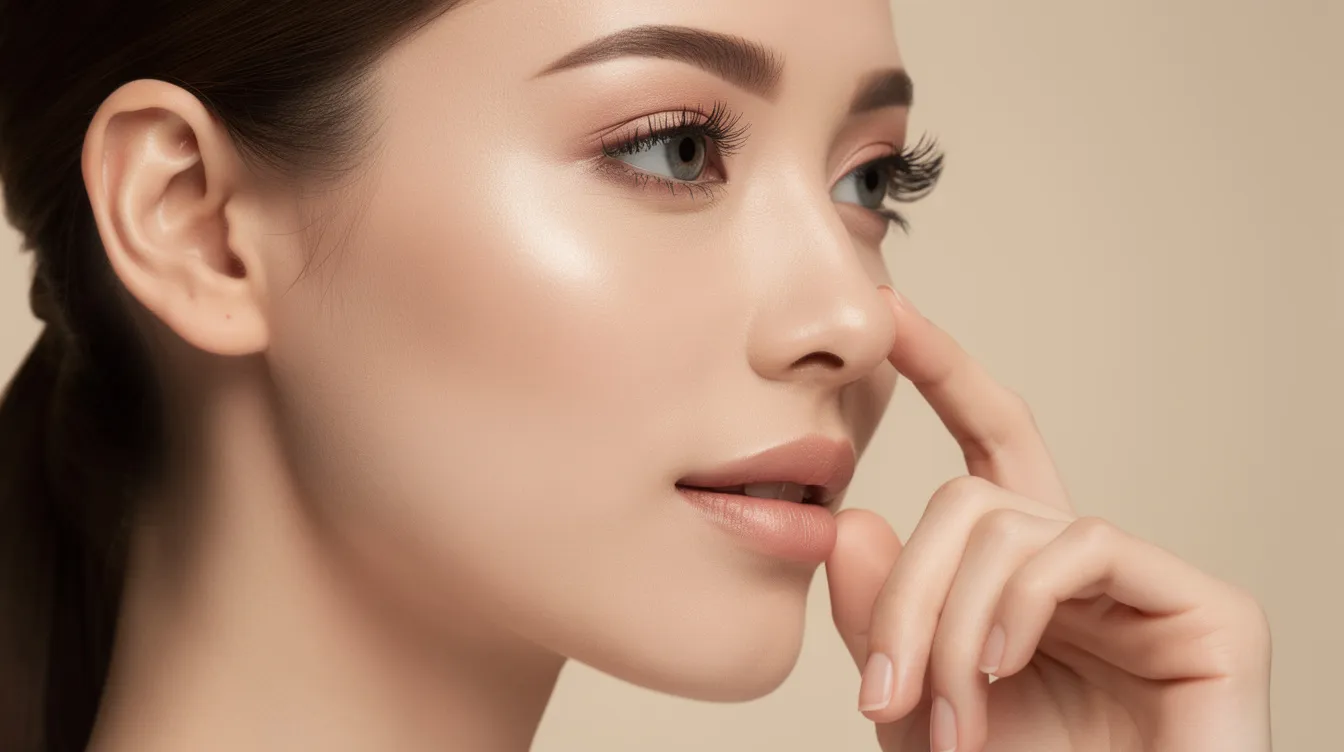
What Is Nose Botox and How Does It Work?
Nose botox involves targeted botulinum toxin injections placed into specific nasal muscles around the nose. The toxin blocks nerve signals that trigger muscle contractions, softening movement and changing how your nasal appearance shifts during expressions.
Key muscles commonly treated include:
Nasalis muscle: Spans the sides of the nose and bridge; contributes to bunny lines and nostril flaring
Depressor septi nasi muscle: Pulls the nasal tip downward toward the upper lip
Alar nasalis: Controls lateral nostril widening
Nasal botox does not involve structural reshaping of bones or cartilage. Results depend entirely on precise dosing and detailed knowledge of facial anatomy to ensure safe, effective placement.
What Can Nose Botox Realistically Change?
Nose botox can achieve:
Softer diagonal wrinkles across the bridge and sides of the nose
Reduced nostril flaring during expressions
A subtly lifted nose tip that doesn’t dip downward when smiling
These improvements work best for fine-tuning, not major nose reshaping. If you have structural concerns like a prominent hump or crooked bridge, dermal fillers or nose surgery may be more appropriate. A consultation confirms whether your concerns stem from muscle activity (ideal for botox) or underlying anatomy.
Nose Botox Uses: Bunny Lines, Nose Lift, and Nostril Flaring
This section breaks down the main cosmetic concerns nose botox can address. Each use case targets different facial muscles with small, strategic doses.
Softening Bunny Lines on the Nose
Bunny lines are the horizontal or diagonal wrinkles that appear across your nose bridge when you scrunch, laugh, or squint. They often become more noticeable after receiving botox treatments in the glabella (the “11s” between your brows) or forehead lines, since surrounding facial muscles compensate.
To treat bunny lines and soften bunny lines, small doses are injected into the upper portion of the nasalis muscle on either side. This relaxes the scrunching motion without freezing your entire midface. Think of it as smoothing expression wrinkles while keeping natural looking results intact—typically just a few units per side.
Creating a Subtle Nose Tip Lift (“Botox Nose Lift”)
A botox nose lift relaxes the muscles pulling your nasal tip downward, particularly the depressor septi nasi muscle that tugs the tip toward the upper lip. This creates a small but visible elevation, preventing the nose dip many people notice when they grin.
Before: Tip points slightly down when you smile or speak. After: Tip stays more level, giving a perkier profile in candid photos.
This approach addresses mild drooping nasal tip concerns. It’s not comparable to surgical tip rotation, so those needing major changes should consider other options.
Reducing Nostril Flaring and Apparent Width
Nostril flaring is the outward widening some people notice when laughing, talking, or breathing deeply. Botox placed along the alar region calms the muscles (including portions of the alar nasalis and dilator naris posterior muscle) that pull flared nostrils outward.
This can make a wide nose appear narrower from the front by reducing movement—not by altering bone width. Patients often seek this after noticing how their nose looks in video calls or photos. However, over-treatment risks subtle asymmetry or breathing issues, so experienced injectors use conservative dosing.
Can Botox Slim or Reshape the Nose?
Botox can create a slimmer nose appearance, but only when the concern is muscle-related. Botox nose slimming works by reducing nasal flare, calming tip droop, and minimizing dynamic width during expressions.
Concern Type | Botox Effective? | Better Option |
|---|---|---|
Nostril flare when smiling | Yes | — |
Tip drops when grinning | Yes | — |
Bony hump on bridge | No | Fillers or surgery |
Crooked bridge | No | Surgery |
Wide nasal bones | No | Surgery |
Think of nose botox as refinement, not a full liquid nose job. For more complete non surgical nose slimming, practitioners often combine botox with dermal fillers to address both dynamic movement and static shape. Unlike surgery, these changes remain subtle and reversible—a benefit for those testing options before committing.
Nose Botox vs. Surgical Rhinoplasty
Unlike surgical rhinoplasty, nose botox cannot remove humps, straighten deviations, or create permanent structural reshaping. Surgery involves osteotomies and cartilage grafts with 1–2 weeks of downtime, bruising, and potential revision rates of 10–15%.
Botox advantages:
No incisions
Minimal discomfort
Same-day return to activities
Costs 10–20% of surgery
Reversible over time
Surgery advantages:
Permanent changes
Addresses functional issues (deviated septum)
Dramatic transformations possible
Ethical providers position nose botox as a “test-drive” for those considering facial plastic surgery later—not a replacement for a traditional nose job.
What to Expect: Nose Botox Procedure and Results
A typical nose botox appointment takes 15–20 minutes. Your provider reviews medical history, examines your nose at rest and during movement, takes photos from multiple angles, and discusses your goals. You’ll smile, speak, and flare your nostrils so the injector can identify which targeted muscles need attention.
The botox injection process involves cleansing the skin, optional topical numbing, and 2–5 quick injections per side using tiny needles. Expect mild redness immediately after, with early changes appearing in 3–7 days and full botox results at about 2 weeks.
How Many Units Are Typically Used?
Dosing varies, but general ranges include:
Bunny lines: 2–5 units per side
Tip lift: 4–6 units total
Nostril flare: 2–4 units per side
Total doses often stay under 10–15 units for combined nose treatments. The answer to how many units depends on your anatomy, muscle strength, and whether you’re treating multiple concerns together. Adjustments happen at a 2-week follow-up if movement remains stronger than desired. Precise dosing matters—too much risks affecting your smile.
Nose Botox Aftercare
Post-treatment guidelines include:
Avoid rubbing the injection site for several hours
Skip heavy exercise, saunas, and lying face-down for 4–6 hours
Watch for bruising at the injection area (resolves in 1–3 days)
Apply makeup only after skin integrity confirms
Contact your provider immediately if you experience significant pain, spreading bruising, or breathing difficulty. Most people return to normal activities the same day—this is a minimally invasive procedure with minimal downtime.
How Long Does Nose Botox Last?
Nose botox results typically last 3–4 months, though some individuals experience effects closer to 2–6 months depending on metabolism. Movement returns gradually as the body breaks down the neurotoxin, so changes fade slowly rather than overnight.
Maintenance treatments 3–4 times per year sustain consistent effects. Plan procedures at least 2 weeks before important events like weddings or photoshoots to ensure results have fully developed.
Long-Term Maintenance and Combination Treatments
Repeated nasal botox treatments may “train” overactive muscles to relax, sometimes allowing lower doses over time. Combining nose botox with dermal fillers in the bridge or tip addresses both dynamic movement and static contours for improved facial balance.
Additional options like microneedling can improve skin quality and texture on the nose, though skin tightening procedures work differently than muscle relaxation. Even with combination approaches, non surgical options remain temporary and subtle compared to permanent nose reshaping through surgery.
Side Effects, Risks, and Safety Considerations
Nose botox is generally safe when performed by trained professionals, but all cosmetic procedures carry some risk.
Common mild effects:
Brief discomfort during injection
Redness, swelling, or small bruises
Mild headache
Potential aesthetic concerns:
Temporary asymmetry
Unnatural smile dynamics
Altered upper lip movement (if overdosed)
Rare serious risks:
Breathing difficulty
Significant nasal obstruction
Detailed knowledge of facial anatomy and conservative dosing are crucial in this delicate area. Seek immediate attention if breathing issues occur.
Who Is a Good (and Poor) Candidate for Nose Botox?
Good candidates:
Adults with mild bunny nose wrinkles, slight tip droop when smiling, or bothersome nasal flare
Those seeking subtle, temporary refinement
Patients with realistic expectations about results
Poor candidates:
Anyone wanting major size reduction or hump removal
Those needing correction of a severely crooked nose
People with significant breathing problems
Pregnant or breastfeeding individuals
Patients with previous nose surgery require careful evaluation and may need referral to a specialist.
Cost of Nose Botox and How Pricing Works
Nose botox pricing typically follows a per-unit model. US practices generally charge $12–25 per unit, with total costs depending on how many areas you’re treating.
Treatment | Estimated Units | Approximate Cost |
|---|---|---|
Bunny lines only | 8–12 units | $150–300 |
Tip lift only | 4–6 units | $75–150 |
Combined treatment | 10–15+ units | $400–600 |
Geographic location, provider experience (aesthetic treatments from board-certified specialists often cost more), and clinic type all influence pricing. Many clinics charge a separate consultation fee.
Is Nose Botox Worth It?
Nose botox makes sense for those wanting:
A low-risk way to test changes before committing to a nose job
Quick appointments with no downtime
Adjustable, reversible results
A fraction of surgical costs
The tradeoff is ongoing maintenance and modest outcomes. Many patients value starting small and stopping anytime. For definitive answers about your specific situation, an in-person evaluation with a qualified provider offers personalized guidance beyond what online research can provide.
Frequently Asked Questions About Nose Botox
Can Botox make my nose smaller? Botox creates a slimmer appearance by relaxing specific muscles that cause flaring or dynamic width. It cannot reduce bone size—structural concerns require fillers or surgery.
How soon will I see results? Initial changes appear in 3–7 days, with full results developing around 2 weeks.
Will it affect my breathing? When performed correctly by experienced providers, nose botox does not impact breathing. Rare errors could theoretically cause issues, which is why provider selection matters.
Can I combine nose Botox with other aesthetic treatments? Yes—combining botox for dynamics with dermal fillers for static contours is common in non surgical rhinoplasty approaches.
Is nose Botox the same as a liquid nose job? No. A liquid nose job uses fillers to camouflage humps or asymmetry. Nose botox uses botulinum toxin to relax facial muscles. They address different concerns and work best together for comprehensive results.
How to Choose a Provider for Nose Botox
Select a licensed medical professional—ideally a board-certified dermatologist, facial plastic surgery specialist, or aesthetic physician—with specific experience injecting around the nose.
Questions to ask:
Can I see before-and-after photos specifically for nose botox cases?
What brand do you use?
How do you approach dosing in this area?
What protocols exist if complications occur?
Avoid bargain treatments or unregulated providers. The nasal area impacts both your youthful appearance and breathing function—prioritize safety, communication, and realistic advice over dramatic promises or the lowest price. The right provider helps you achieve facial harmony while maintaining natural movement and expression.
Learn more: Botox & Fillers at Leva Medical

-2.jpg?width=2000&height=2000&name=Copy%20of%20YouTube%20Thumbnail%20-%20Life-Changing%20Cosmetic%20Surgery!%20(Document)-2.jpg)


