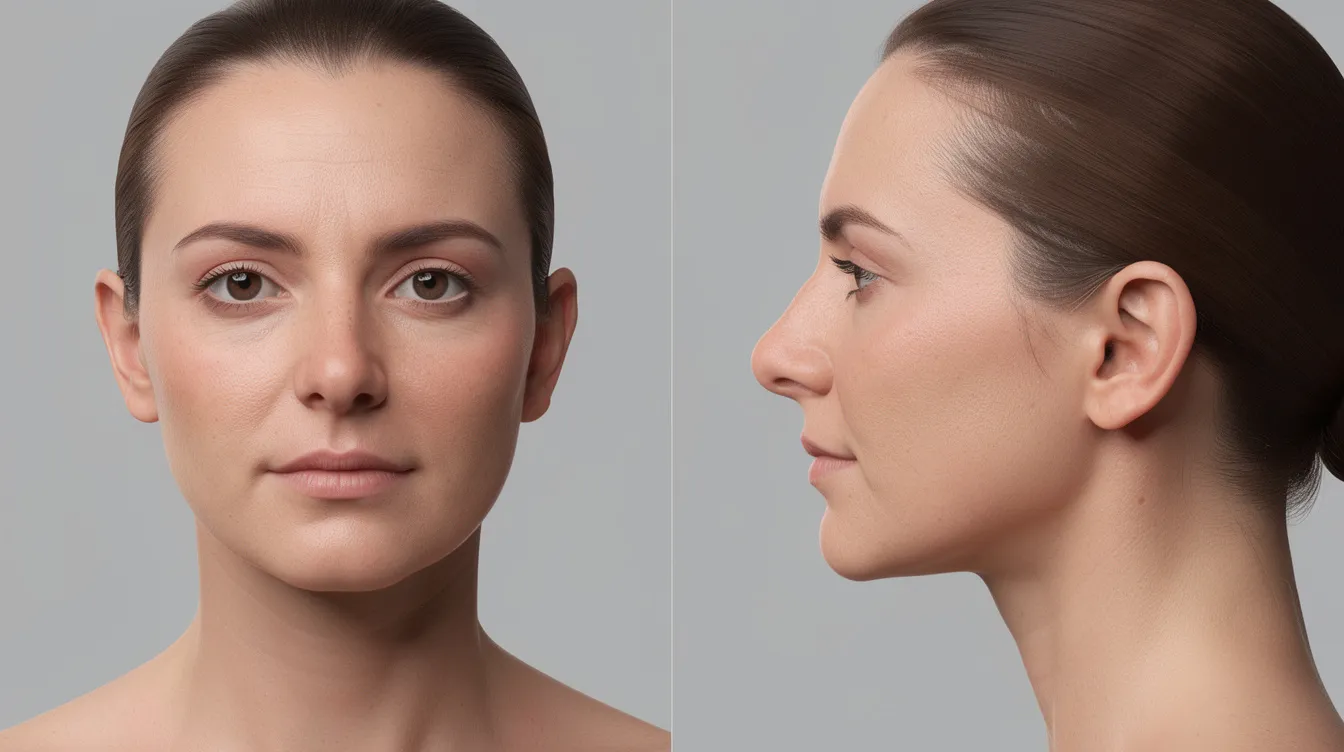
A non surgical nose job bulbous tip before and after result can look subtle, but meaningful: better tip definition, smoother balance with the nasal dorsum, and a more refined appearance without traditional surgery. This guide explains what liquid rhinoplasty can and cannot do for a bulbous nose tip, how results are assessed, and when surgery is the better route.
Learn more: Body Contouring at Leva Medical
Overview: Bulbous Nasal Tip and Facial Harmony
A bulbous nasal tip is a rounded, broad nasal tip with limited definition at the tip-defining points. The primary causes often include genetic factors, thick skin, a heavy soft-tissue envelope, and wide or strong lower lateral cartilages.
Because the nose sits in the center of the face, a bulbous tip can make the patient’s nose appear out of balance with other facial features, including the lips and chin. Non-surgical rhinoplasty can effectively improve the appearance of a bulbous nose tip by adding definition and harmony through the use of hyaluronic acid fillers. However, it does not create a smaller nose by removing cartilage or skin.
A non surgical nose job may help mild bulbosity when the goal is better facial harmony, improved contour, and a natural looking refined nasal tip rather than major narrowing.
What Is Non Surgical Rhinoplasty (Liquid Rhinoplasty)
Non surgical rhinoplasty, also called liquid rhinoplasty or a liquid nose job, uses injectable dermal fillers to reshape the nose without incisions, anesthesia, or a surgical procedure. Non-surgical rhinoplasty utilizes FDA-approved hyaluronic acid dermal fillers to reshape the nose without incisions or anesthesia, allowing for subtle contour refinements.
The technique involves injecting small amounts of filler into specific areas of the nose to enhance contours, add volume, and improve symmetry, particularly effective for bulbous tips. Common ha fillers include hyaluronic acid products from families such as Restylane and Juvéderm, chosen by the provider based on lift, firmness, and desired shape.
Highly specialized board-certified dermatologists and plastic surgeons perform non-surgical rhinoplasty using FDA-approved fillers.
Non Surgical Nose Job: Nasal Tip Refinement Techniques
For nasal tip refinement, filler may be placed around the tip, columella, or nasal dorsum to improve light reflection and make the nose tip appear more structured. Hyaluronic acid fillers can soften a bulbous nose tip, adding definition and harmony, although pronounced deformities may still require surgical correction.
Tools matter:
Tool | Advantage |
|---|---|
Blunt-tip cannula | May reduce bruising and help avoid vessel puncture |
Fine needle | Allows precise placement in small nasal structures |
Standard safety measures for non-surgical rhinoplasty include using a blunt-tip cannula or fine needle to avoid the superficial vascular network, adhering to strict sterile techniques, and having hyaluronidase available for reversal of filler effects if necessary.
Most sessions take about 15 to 30 minutes, depending on anatomy and treatment complexity.
Before-and-After Gallery: Bulbous Tip Transformations
Before-and-after photos should use consistent angles, lighting, facial expression, and head position. A trustworthy gallery should label patient age, filler brand, volume, and follow-up timing.
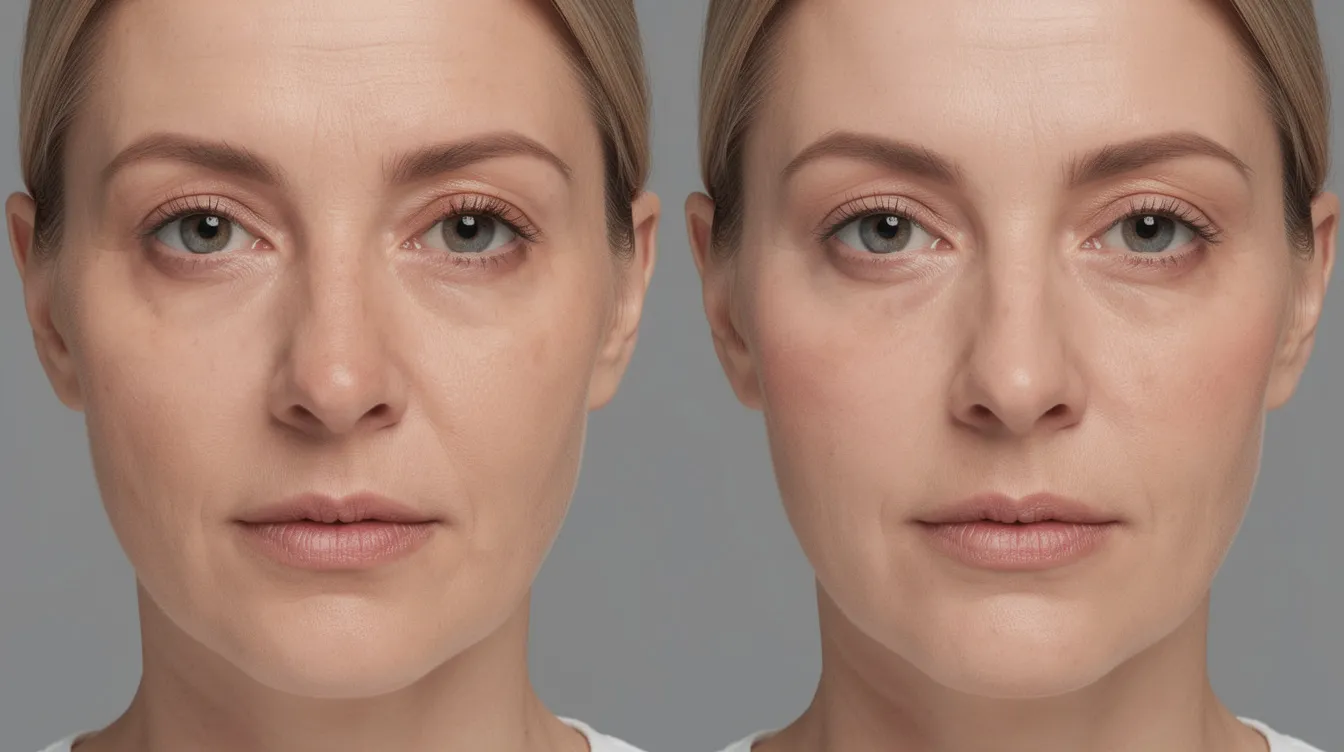
Representative documentation format:
Case | Patient | Filler and volume | Expected visible change |
|---|---|---|---|
1 | 25-year-old female patient | HA filler, 0.4 mL | Softer bulbous appearance and better tip definition |
2 | 32-year-old patient | HA filler, 0.6 mL | Improved nasal shape and smoother bridge-to-tip line |
3 | 41-year-old patient | HA filler, 0.5 mL | More refined appearance with subtle lift |
Patients can expect to see some initial results immediately after the procedure, but the final aesthetic outcome may take up to two weeks to fully settle as swelling subsides.
Comparing Non Surgical Nose Jobs To Surgical Tip Rhinoplasty
Results from non-surgical rhinoplasty are typically immediate and can last between 6 to 18 months, depending on the type of filler used and individual factors such as metabolism and skin thickness. Surgical rhinoplasty, by contrast, can permanently change cartilage, nostrils, and nasal structures.
A surgical nose job, tip rhinoplasty, tip plasty, or open rhinoplasty may be recommended for severe bulbous tip cases, wide nostrils, breathing difficulties, or thick skin that prevents filler from creating visible refinement. A surgical approach may include cartilage reshaping, grafting, or a septal extension graft.
Non surgical treatment has less downtime, while surgical nose correction can deliver larger desired outcomes but involves surgery, recovery, and the surgeon’s expertise.
Patient Selection and Candidacy For Bulbous Tip Correction
Good candidates are patients in good overall health with realistic expectations about the procedure’s limitations. Candidates for non-surgical nose jobs should be in good overall health and have realistic expectations about the procedure’s limitations.
The ideal age for non-surgical rhinoplasty is around 25, as by this age, the nasal bones and cartilage are fully mature, and skin elasticity remains high. Patients who are pregnant, breastfeeding, or allergic to any of the filler materials may be advised against undergoing non-surgical rhinoplasty.
Pre-treatment checklist:
Review medical history, allergies, prior rhinoplasty, and medications.
Assess skin thickness, tip strength, nostrils, and lower lateral cartilages.
Discuss aesthetic goals and whether filler can address concerns.
Confirm hyaluronidase access and emergency protocol.
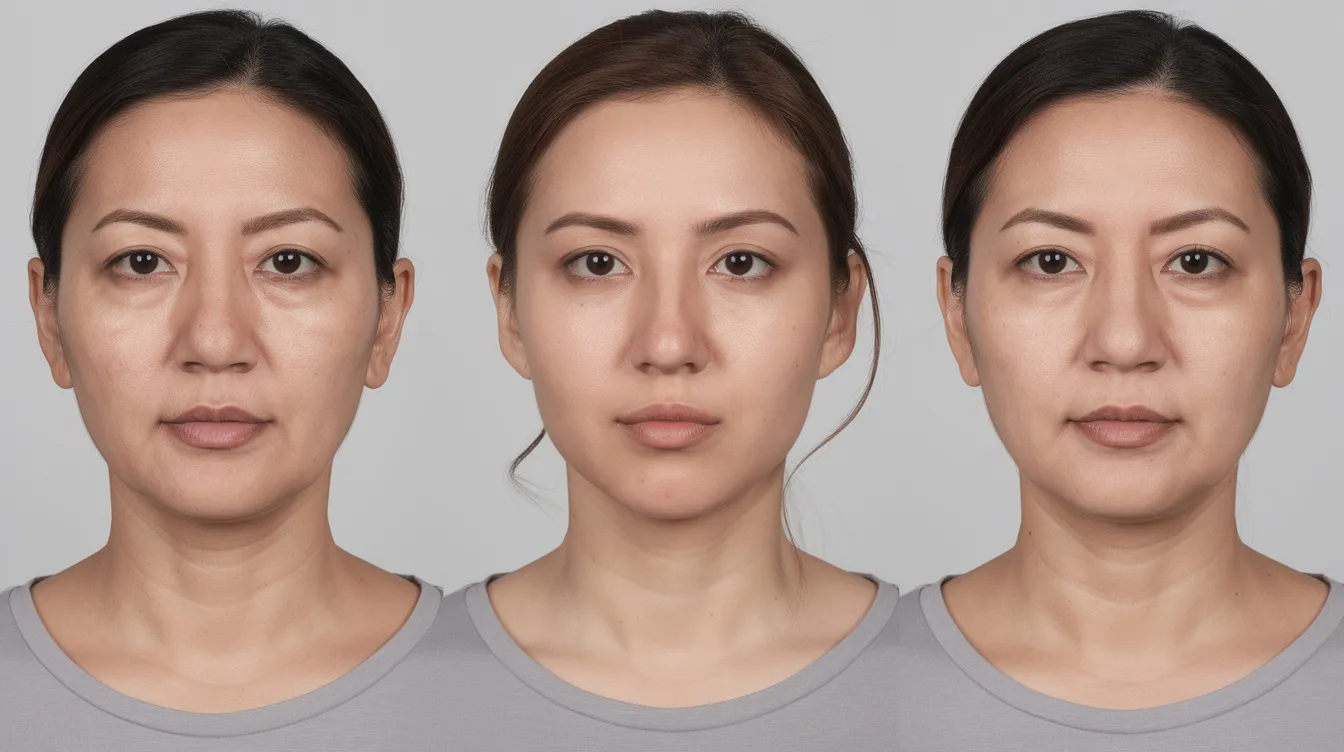
Case Studies: Non Surgical Nose Job Before and After Examples
Case 1: A 25-year-old female patient wanted a refined nasal tip without surgery. A small amount of hyaluronic acid filler improved tip definition and created noticeable improvements at one month.
Case 2: A 32-year-old patient had a mild bulbous nose tip and low bridge. Filler along the nasal dorsum and tip improved the overall nasal shape while keeping the result natural looking.
Case 3: A 41-year-old patient wanted better facial harmony but did not want a surgical procedure. The non surgical nose treatment improved the transition from bridge to tip, though the patient was advised that a severe bulbous tip would need surgical correction.
Safety, Risks, And Reversal Options For Bulbous Tip Treatment
Non-surgical rhinoplasty is generally safe when performed by an experienced, board-certified provider using FDA-approved hyaluronic acid fillers, with most patients experiencing only mild swelling or bruising that resolves within days.
Common side effects of non-surgical rhinoplasty include bruising, swelling, tenderness, and temporary redness, while rare complications can involve vascular occlusion, infection, or granuloma formation. Seek urgent care for severe pain, skin whitening, mottled discoloration, cool skin, ulceration, or vision changes.
Non-surgical rhinoplasty is reversible if the patient is dissatisfied with the results, as hyaluronic acid fillers can be dissolved. Hyaluronidase is injected into the treated area to break down HA filler, especially if vascular compromise is suspected.
Longevity, Maintenance, And Touch-Ups For Liquid Rhinoplasty
A liquid rhinoplasty result usually lasts 6 to 18 months. Thicker skin, fast metabolism, filler type, volume, and injection depth can all affect longevity.
Patients can expect to pay between $600 and $1,500 per treatment for non-surgical rhinoplasty, with repeat touch-ups recommended every 6 to 12 months to maintain results. Follow up appointments help monitor symmetry, settling, and whether the tip still matches the desired shape.
Cost Considerations And Value Comparison
The cost of a non-surgical nose job typically ranges from $600 to $1,500 in major U.S. markets, depending on the amount and brand of hyaluronic acid filler used, as well as the surgeon’s expertise and regional practice costs.
Factors influencing the cost of non-surgical nose jobs include the brand of filler, the volume injected, the practitioner’s board certification, geographic location, and any additional services provided. The total cost may rise with maintenance, but it is usually lower upfront than surgical rhinoplasty.
For many patients, filler is an excellent alternative to traditional surgery when goals are modest. For others, a one-time surgical rhinoplasty may be better value long term.
Consultation: Choosing A Provider For Nasal Tip Refinement
Choose a board-certified dermatologist, plastic surgeon, or facial plastic surgeon with deep experience in nasal anatomy. Ask to see non surgical nose job bulbous tip before and after photos, especially cases involving a bulbous nasal tip.
Your consultation should include an in-person exam, discussion of risks, explanation of filler choice, and a clear plan for complication management. According to medical literature on non-surgical rhinoplasty safety, precise anatomy knowledge is critical because the nose has important vascular pathways.
FAQ: Expectations For Bulbous Tip Non Surgical Treatment
How fast will I see results?
You will usually see immediate contour changes, with final settling in up to two weeks.
Does it hurt?
Most patients describe pressure or brief pinching. Mild swelling, redness, and tenderness can occur for a few days.
Can filler fix every bulbous tip?
No. A non surgical approach can improve shape, symmetry, and tip definition, but it cannot remove cartilage, reduce wide nostrils, or reliably correct major thick skin issues.
Conclusion: Achieving Facial Harmony With Nasal Tip Refinement
A non surgical nose job can be a smart option for mild bulbous tip concerns when the goal is subtle refinement, not dramatic reduction. It can improve the appearance of the tip, balance the nasal dorsum, and support better facial harmony with limited downtime.
If you are comparing filler with a surgical nose job, schedule a personalized consultation, review before-and-after photos, and weigh cost considerations, maintenance, and realistic expectations before choosing treatment.
Frequently Asked Questions
What is a non-surgical nose job for a bulbous tip?
A non-surgical nose job, also called liquid rhinoplasty, uses FDA-approved hyaluronic acid fillers injected into the nose to add definition and improve contours without incisions or anesthesia. It can refine bulbous tips by enhancing tip structure and facial harmony.
How long do non-surgical nose job results last?
Results from non-surgical rhinoplasty typically last between 6 to 18 months, depending on the filler type used and individual factors such as metabolism and skin thickness. Initial results appear immediately, with final outcomes settling within two weeks.
Who is a good candidate for non-surgical bulbous tip treatment?
Good candidates are in good overall health with realistic expectations and mild bulbosity. The ideal age is around 25 when nasal structures are fully mature. Patients who are pregnant, breastfeeding, or allergic to filler materials should avoid the procedure.
When is surgical rhinoplasty recommended instead of non-surgical treatment?
Surgical rhinoplasty may be recommended for severe bulbous tips, wide nostrils, breathing difficulties, or thick skin that prevents filler from creating visible refinement. Surgery can permanently reshape cartilage and nasal structures, unlike non-surgical options.
What happens during a non-surgical nose job procedure?
The procedure takes 15 to 30 minutes. A board-certified provider injects small amounts of hyaluronic acid filler into specific nasal areas using a blunt-tip cannula or fine needle to avoid blood vessels and improve tip definition and contours.

-2.jpg?width=2000&height=2000&name=Copy%20of%20YouTube%20Thumbnail%20-%20Life-Changing%20Cosmetic%20Surgery!%20(Document)-2.jpg)


