Whether you're bothered by a mole's appearance or concerned about a mole that has changed over time, understanding your mole removal options is the first step toward making an informed decision. This guide covers everything from cosmetic mole removal to medically necessary removal procedures, with a geographic focus on New York City and New York, NY. You'll find practical guidance on mole removal methods, recovery timelines, costs, insurance, and how to choose the right skin specialist.
Learn more: Body Contouring at Leva Medical
Cosmetic Mole Removal Options in New York City
Cosmetic mole removal refers to procedures performed on benign moles that pose no medical risk but affect a patient's comfort or appearance. Typical goals include flattening raised moles, removing dark spots on visible areas like the face or neck, or eliminating irritation caused by clothing or jewelry.
Many patients report increased confidence after mole removal, and removing moles can improve mental well-being in social interactions. Patients feel happier after undergoing mole removal procedures, and the process allows freedom to experiment with new looks without self-consciousness about a mole's appearance.
Aesthetic providers in New York City typically offer these mole removal options:
Laser removal (CO₂ laser, Q-switched, or fractional lasers)
Radiofrequency ablation or electrocautery
Shave excision with scar-minimizing closure techniques
Full surgical excision by dermatologic surgeons or a board certified plastic surgeon
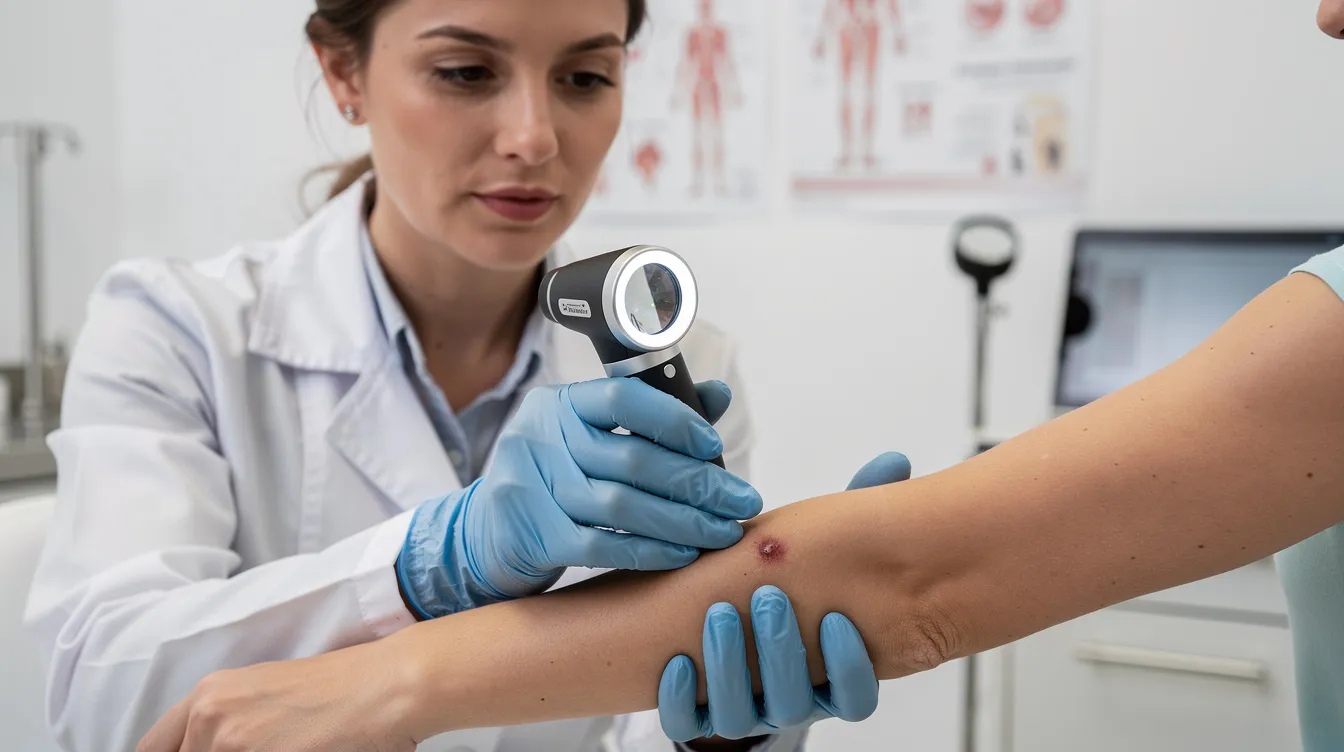
Before undergoing any cosmetic procedure, your provider should evaluate the mole using dermoscopy. If the mole shows irregular borders, multiple colors, or other atypical features, a medical evaluation and possible biopsy should precede any destructive removal. Ask providers for before-and-after photo galleries specific to your skin type and mole location.
Common Mole Removal Methods and Procedures
Common mole removal methods include surgical excision and shave excision, along with laser and cryotherapy-based approaches. The depth and type of the mole influence the choice of removal method for effective treatment. Not all moles require the same approach, and understanding the differences helps you and your provider select the best path forward.
Here is a comparison table of the most common removal procedures:
Method | Pros | Cons | Best For |
|---|---|---|---|
Surgical excision | Full-thickness removal, allows biopsy, lower recurrence | Larger scar, stitches, longer healing | Suspicious moles, deeper moles, atypical moles |
Shave excision | Less invasive, faster, minimal scarring | No deep margin, higher recurrence risk | Small to medium raised moles, benign moles |
Laser removal | Minimal bleeding, often less visible scarring | No tissue for pathology, recurrence risk | Small flat cosmetic common moles |
Cryotherapy (liquid nitrogen) | Quick, low cost | Pigment changes, no specimen, scarring risk | Flat benign common skin growths, skin growths without suspicion |
Laser Mole Removal: Procedure, Candidates, and Outcomes
Laser mole removal uses focused light energy to ablate or vaporize mole tissue at the surface. It works best for patients with small, superficial, non-cancerous moles in locations where minimal scarring is a priority. Laser removal is suitable for small, non-cancerous moles and is often completed in a single session, though deeply pigmented lesions may require additional passes.
Cosmetic outcomes with laser technology can be excellent: smooth skin, good color matching over time, and minimal scarring when healing is managed properly. Follow-up steps include keeping the treated area covered, avoiding sun exposure, and using silicone-based scar creams if recommended.
However, laser mole removal destroys the tissue entirely, meaning no specimen is available for pathology. The American Academy of Dermatology states that destructive methods like lasers are not suitable for moles needing pathology. If your mole shows any signs of atypia, irregularly shaped borders, or if you notice signs of change, a biopsy-preserving method should be used instead.
Surgical Shave and Surgical Excision for Raised Moles
Surgical mole removal comes in two primary forms. Shave excision uses a blade to remove a mole at or just below the skin surface. It's ideal for raised moles that are clearly benign. The procedure is fast, often leaves a smooth flat scar, and provides tissue for basic pathology review. However, shave excision may not remove deeper mole roots, meaning moles removed by shaving can regrow if not fully excised. Moles removed by shave excision are more likely to recur compared to full excision.
Surgical excision removes the entire mole and surrounding skin down to the fat layer, closed with layered sutures. This method is the standard when you need to completely remove a mole with suspicion for skin cancer or atypical features. Surgical excision allows for biopsy of the mole, including evaluation of deep margins. The trade-off is a longer linear scar, but skilled technique aligned with skin tension lines can minimize scarring effectively.
In terms of scar likelihood, shave excision typically produces a lower-profile scar while excision yields a longer line. Both benefit from proper aftercare.
Evaluating Moles: Atypical Mole, New Moles, and Referral Criteria
Most moles are harmless common growths made up of pigment producing cells (melanocytes) that cluster together. However, atypical moles display features that warrant closer attention. Use the ABCDE framework:
Asymmetry in shape
Border irregularity or scalloping
Color variation, including multiple colors
Diameter larger than a pencil eraser (6 mm)
Evolving: any mole changes in size, shape, or color
New moles appearing after age thirty deserve extra scrutiny. While most nevi develop during childhood and adolescence, new moles in adulthood-especially those that grow rapidly-raise concern for melanoma and other forms of skin cancer.
Document any changing moles with photographs, measurements, and dermoscopy images. Your provider should maintain baseline records for comparison over time.
A board certified dermatologist should recommend removal or referral to dermatology or oncology when a mole is symptomatic (bleeding, itching), growing rapidly, or located in a difficult anatomic site. Early detection of suspicious moles saves lives, so don't delay scheduling a mole removal consultation if you notice signs of change.
What Happens During a Mole Removal Procedure
Mole removal procedures usually take 10 to 30 minutes in an outpatient setting. Here's what to expect:
Pre-procedure assessment:
Clinical exam including dermoscopy to evaluate the mole's size, shape, and features
Review of medical history, medications (especially blood thinners), and skin condition
Discussion of removal method, risks, and cosmetic expectations
Informed consent
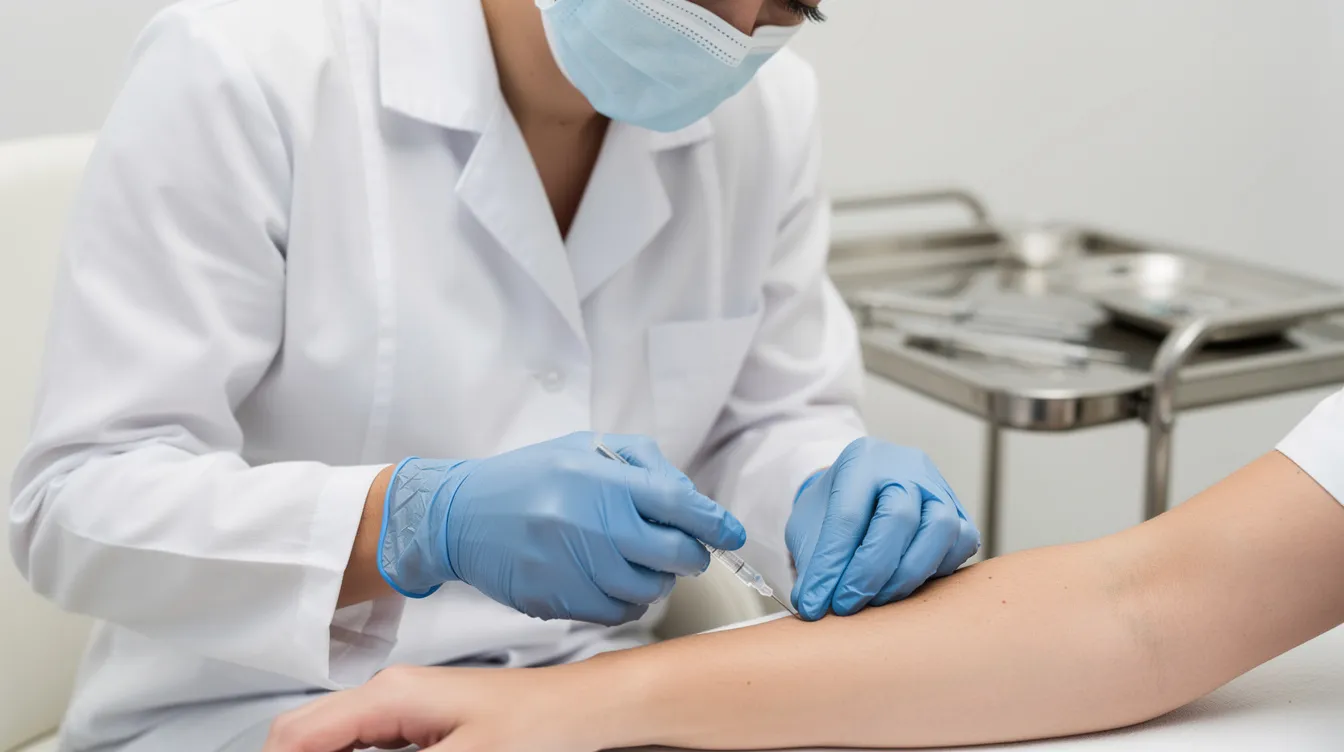
Anesthesia: Local anesthesia is typically used during mole removal procedures to minimize pain. A local anesthetic such as lidocaine is injected around the site. You'll feel pressure or pulling, but not sharp pain.
During the procedure:
Skin is cleaned with antiseptic
The mole is removed via the chosen technique (shave, excision, or laser)
Hemostasis is achieved through cautery, pressure, or sutures
Tissue is sent for pathology when applicable
A dressing and ointment are applied
Recovery, Aftercare, and When a Mole Is Removed
Once a mole is removed, the healing process follows a predictable timeline. Healing time varies from 1 to 4 weeks depending on the method and location. Proper aftercare can minimize scarring and promote healing after mole removal procedures.
Days 1–3: Mild soreness, slight bleeding or oozing, and swelling are normal. Patients report that over-the-counter pain relievers manage discomfort well. Keep the area moisturized with petroleum jelly for several days and keep the bandage in place.
Days 4–7: Clean gently with mild soap and water once or twice daily. Replace bandages. Avoid strenuous activity that stretches the surrounding skin. Watch for infection signs.
Weeks 1–2: Surface healing progresses. Pink new skin appears as scabs fall away. Follow-up visits are typically scheduled one to two weeks post-removal for suture removal and pathology results.
Weeks 2–4 and beyond: The scar continues to mature and soften. Avoid sun exposure to prevent hyperpigmentation during recovery. Use broad-spectrum sunscreen once the wound is closed. Apply silicone-based scar creams if recommended.
Scars may take up to a year to fade completely. Monitor the site for any regrowth or unexpected changes-if a mole-like lesion reappears, contact your provider. Even hair growing back at the site is normal and not typically a concern. You can generally return to your normal routine within a few days for most procedures.

Risks, Complications, and Scar Management After Moles Removed
Every procedure carries potential risks. Your provider should disclose these during consent:
Scarring is a common outcome of mole removal procedures
Bleeding may occur after mole excision procedures
Infections may occur if the wound is not properly cared for
Pigment changes: hypopigmentation or hyperpigmentation, especially in darker skin tones
Allergic reactions can happen from bandaging materials used post-removal
Recurrence: residual skin cells may cause partial regrowth
To prevent infection, keep the wound clean, apply ointment as directed, and watch for redness, warmth, pus, or increasing pain. In such cases, contact your provider promptly.
Scar minimization strategies include:
Keeping the wound moist during healing to promote faster healing
Silicone gel sheets or scar creams
Avoiding tension on the wound site
Sun protection throughout the healing process
For problematic scars: steroid injections, laser therapy, or surgical revision
Costs, Insurance, and Choosing a Provider in New York, NY
Mole removal costs range from $300 to $1,000 per mole nationally. Factors affecting mole removal costs include size and location of the mole, as well as the method used. In New York City, private dermatology practices average around $450–$500 for simple cosmetic procedures, while hospital outpatient settings charge a median of approximately $1,080 for small benign lesion excision.
Insurance coverage: Insurance covers mole removal if deemed medically necessary-meaning the lesion is suspicious, symptomatic, or causing functional problems. Cosmetic mole removal is typically not covered by insurance. For medical reasons, make sure your provider documents clinical findings, dermoscopy results, and symptoms to support the claim.
Choosing a provider: When selecting a provider in New York, NY, prioritize:
A board certified dermatologist or experienced dermatologists with surgical training
Providers who perform dermoscopy and offer mole mapping for at-risk patients
Practices with strong before-and-after portfolios
Transparent pricing-request a good faith estimate before your procedure
Your initial consultation should include a thorough skin exam, a clear discussion of your mole removal options, and written cost expectations.
FAQs and Patient Concerns About Having Moles Removed
Does mole removal hurt? With local anesthesia, you'll feel the initial injection but not the removal itself. After the procedure, expect mild soreness for a few days, manageable with over-the-counter pain relief.
Can I remove a mole at home? Home removal of moles is unsafe. Over-the-counter mole removers are unregulated, carry serious infection and scarring risks, and-most critically-eliminate any chance of pathology review. You could miss a melanoma diagnosis entirely. Always have a skin specialist remove moles in a clinical setting.
Will my mole come back? Possibly. Shave excision and laser methods carry higher recurrence rates. Full surgical removal with clear margins gives the best chance of permanent results.
Do hormonal changes cause new moles? Yes. Hormonal changes during pregnancy, puberty, or from medications can trigger new moles or darken existing ones. Monitor them closely and consult your provider if they appear irregular.
How do I maintain healthy skin after removal? Protect the area from sun exposure, keep the wound moist during healing to promote healing, and attend all follow-up appointments. Your self confidence shouldn't hinge on worrying about a mole-get it evaluated, and take action when your provider or your instincts tell you something has changed.
Frequently Asked Questions
What is the difference between cosmetic and medically necessary mole removal?
Cosmetic mole removal targets benign moles that pose no medical risk but may affect comfort or appearance. Medically necessary removal applies to moles showing atypical or changing features that may suggest skin cancer, and these typically require full excision with biopsy to allow pathology review.
Why is a mole evaluated with dermoscopy before removal?
Dermoscopy magnifies and illuminates the skin to reveal structural patterns not visible to the naked eye. Irregular borders, multiple colors, or other atypical features identified this way may indicate that a medical evaluation and biopsy should come before any destructive removal method.
Why is laser removal not suitable for every mole?
Laser removal destroys mole tissue entirely, so no specimen remains for pathology. Moles with atypical features or signs of change should be removed with a method that preserves tissue for examination, such as surgical excision with biopsy.
How does shave excision differ from full surgical excision?
Shave excision uses a blade to remove a mole at or just below the skin surface and typically leaves a lower-profile scar. Full surgical excision removes the mole and surrounding tissue down to the fat layer, provides deeper margins for evaluation, and is standard when skin cancer is a concern.
When should a new mole be evaluated by a provider?
New moles appearing in adulthood, especially after age thirty, merit closer attention, particularly if they grow rapidly. Any mole that changes in size, shape, or color should be documented with photographs and measurements and reviewed by a qualified provider.