Masseter botox has quickly become one of the most sought-after treatments in both functional medicine and cosmetic aesthetics. Whether you're dealing with chronic clenching, waking up with a sore jaw, or simply looking for a slimmer jawline, injecting botox into the masseter offers a minimally invasive solution with minimal downtime. Masseter botox is used for both aesthetic jaw slimming and functional relief from TMJ symptoms, making it relevant to a wide range of patients. It's especially popular in urban environments due to fast procedures and minimal downtime.
This guide breaks down everything you need to know - from facial anatomy and how the treatment works, to dosing, safety, and choosing the right provider.
Learn more: Botox & Fillers at Leva Medical
The Masseter Muscle: Anatomy and Clinical Relevance
The masseter muscle is one of the strongest muscles in your body, responsible for elevating and closing the jaw during chewing. It sits along the lower face, spanning from the zygomatic arch down to the angle of the mandible. It has two layers: a superficial portion that assists with jaw protrusion and a deep portion that helps stabilize the temporomandibular joint during clenching.
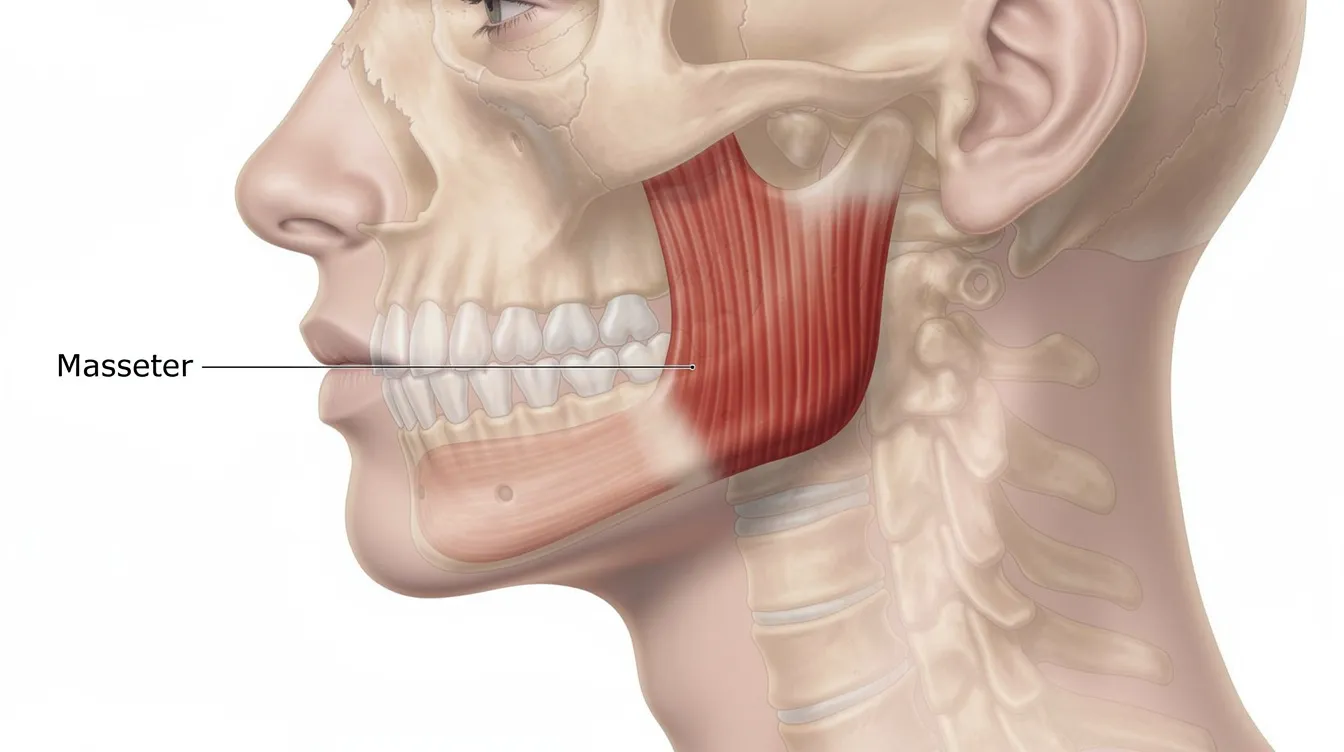
Signs of an enlarged or hypertrophied masseter include:
Visible thickening at the jaw angle, especially when clenching
A bulky or overly square lower face
Jaw pain, tension, or frequent headaches
A firm feeling when pressing the jaw area
These symptoms often develop from bruxism, habitual gum chewing, or chronic stress. Masseter hypertrophy can also cause changes in the underlying bone over time, including thickening of the mandible at the angle and ramus.
Masseter Botox (Jaw Botox): Botox Treatment Overview
Jaw botox involves injecting botulinum toxin type A - a neurotoxin - directly into the masseter to reduce overactive muscle contractions. The core treatment goals include:
Reducing teeth grinding and jaw tension
Relieving symptoms of temporomandibular joint disorders
Achieving cosmetic jawline slimming and a softer contour
Decreasing muscle activity that causes jaw clenching
The effects are temporary. Because the neurotoxin gradually wears off, repeated sessions are necessary for maintenance. This is not a permanent solution, but for many patients, it strikes the right balance between effectiveness and reversibility.
How Masseter Botox Works
When botox is injected into the masseter, it blocks the release of acetylcholine at the neuromuscular junction. This prevents the muscle from contracting at full force. Over weeks, the reduced activity leads to partial muscle atrophy - essentially relaxing and shrinking the muscle fiber volume.
Initial muscle relaxation may begin within 7 to 10 days. Initial relief from jaw tension may begin within a week. Full cosmetic slimming typically becomes noticeable around 4 to 8 weeks, sometimes peaking by 12 weeks.
One important difference: botox acts on muscle, not bone. If masseter hypertrophy has caused bony changes at the mandible angle, those won't reverse with injections alone. That's a distinction worth discussing with your provider at your consultation.
Benefits: Teeth Grinding, TMD, and Jawline Slimming
The benefits of masseter botox fall into two main categories: functional relief and cosmetic improvement. Many patients find they experience both.
Functional Benefits for Teeth Grinding and TMD
Masseter botox can decrease headache frequency related to bruxism and alleviate symptoms of temporomandibular joint disorder (TMD). Patients report reduced jaw pain and tension headaches after treatment. In clinical studies, doses of 15 to 35 units per side produced measurable reductions in masseter thickness and bruxism symptoms.
High-stress environments can lead to increased jaw clenching and grinding, which masseter botox helps alleviate. Patients report relief from jaw soreness after one treatment, and patients often report improved comfort with reduced facial soreness and less pressure on teeth after treatment. Over time, patients often avoid costly dental repairs due to chronic grinding - making this treatment both a health and financial decision.
Cosmetic Masseter Reduction for Jawline Slimming
On the cosmetic side, masseter reduction can produce a smoother, more refined jawline. The treatment can reduce the width of the lower face for a more tapered jawline. Masseter botox can create a more v shaped jawline, and patients often report a narrower jawline after treatment. Masseter botox reduces muscle bulk for a slimmer jawline, and the treatment enhances facial appearance by creating a more contoured and rejuvenated profile.

Results are gradual. Expect early softening by weeks 2 to 4, with the most noticeable slimming around 8 to 12 weeks. In a Phase 3 clinical trial, treated patients saw an average lower facial width decrease of approximately 5.24 mm by day 90, with over 51% achieving a clinically meaningful improvement. Set realistic expectations: bone structure still defines your baseline contour, and natural looking results depend on both dosing and anatomy.
Who Is a Good Candidate
You may be a good candidate for masseter botox if you have:
Palpable or visible masseter hypertrophy
Symptoms of bruxism, jaw locking, or TMD
A desire for jawline slimming in the lower face
Realistic expectations about temporary results
Candidates for masseter botox should be evaluated for jaw muscle strength and facial structure. Your provider should determine suitability based on muscle thickness, symmetry, medical history, and goals.
Contraindications include pregnancy or breastfeeding, neuromuscular disorders like myasthenia gravis, active infection at the injection site, and prior adverse reactions to botulinum toxin. Injecting the masseter muscle with botox is generally considered an off-label use in the U.S., which makes choosing a qualified injector even more critical.
Procedure and Dosing Recommendations
Before any injection, your provider should assess masseter strength, anatomy, and symmetry - often through palpation while you clench, and sometimes with imaging like ultrasound.
Typical dosing ranges:
Patient Profile | Units Per Side | Total Bilateral |
|---|---|---|
Mild hypertrophy / cosmetic | 15–20 units | 30–40 units |
Moderate hypertrophy | 20–35 units | 40–70 units |
Severe hypertrophy / functional | 35–50 units | 70–100 units |
Patients typically receive 15-20 units of botox per side for standard cosmetic goals. The volume of botox injected into the masseter muscles varies based on individual needs, usually between 20 to 50 units per side. Providers often start conservatively and adjust upward with subsequent sessions.
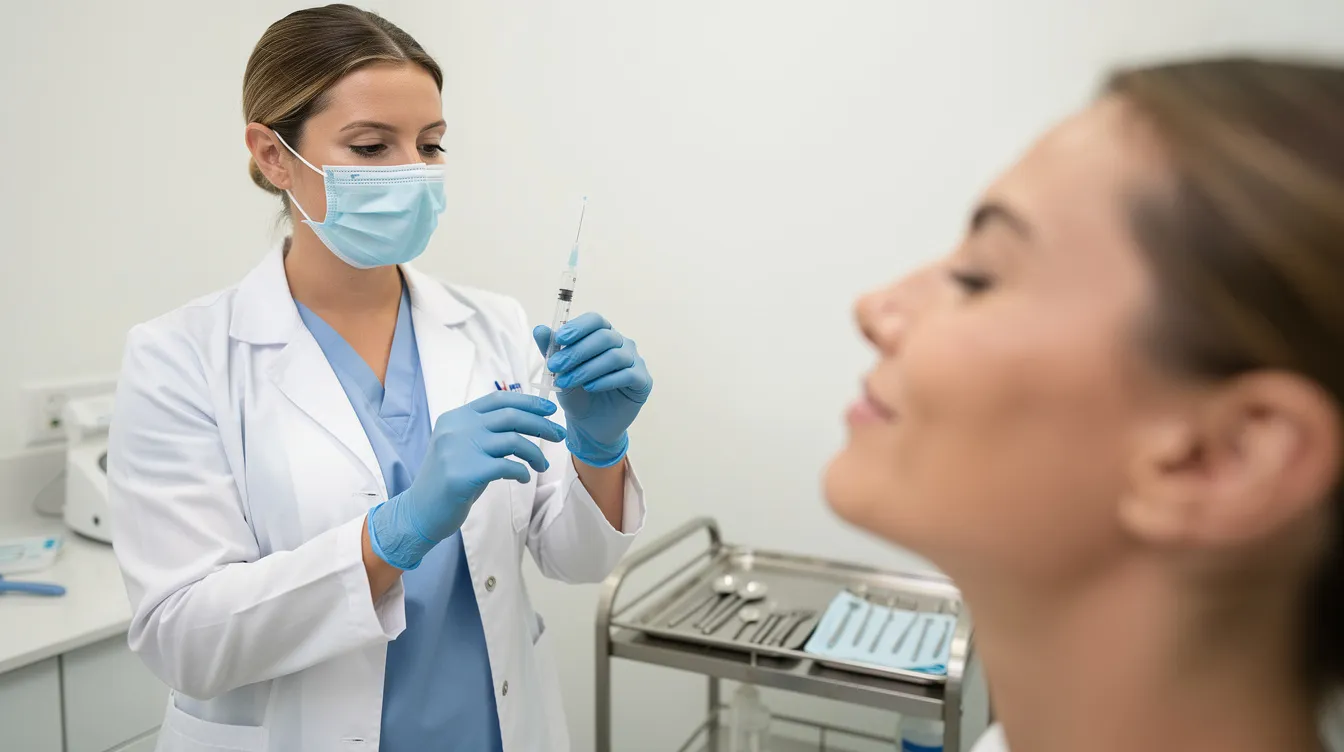
The procedure typically takes around 15 minutes to complete. It involves 2 to 3 injection points per side, using a fine needle, with optional topical anesthetic. Most patients describe mild discomfort comparable to a quick pinch.
Results Timeline and Maintenance
Here's what to expect after your session:
Days 2–7: Early functional relief - less clenching, reduced jaw tension
Weeks 2–4: Subtle softening of the jawline becomes noticeable
Weeks 4–8: More visible contour changes and continued muscle relaxation
Week 12: Peak cosmetic slimming for most patients
Results from masseter botox typically last 3 to 6 months. First-time treatments tend toward the shorter end, while repeat sessions often produce longer lasting effects as the muscle gradually conditions to reduced activity. Over time, many patients space sessions further apart, especially if they also reduce parafunctional habits like gum chewing and stress-related clenching.
Safety, Side Effects, and Aftercare
Possible side effects are generally mild and transient. While side effects are rare, some may experience temporary soreness or bruising. Other effects that can occur include:
Slight difficulty chewing hard foods for the first few weeks
Temporary asymmetry
Minor swelling at the injection site
Patients often return to normal activities immediately after treatment. Post-treatment precautions include:
Avoid rubbing or massaging the area for 24 hours
Skip saunas, steam rooms, and extreme heat
Minimize strenuous chewing for a few days
Use cold compresses if needed
Contact your provider immediately if you experience persistent asymmetry, difficulty swallowing, or drooping of other facial muscles. Serious complications are rare but require urgent evaluation. One study also noted that weakening the masseter may lead to compensatory overactivity in the temporalis muscle, which is something an experienced provider should monitor.
Masseter Botox Versus Other Treatments
Treatment | Invasiveness | Permanence | Best For |
|---|---|---|---|
Masseter botox | Minimal | Temporary (3–6 months) | Mild to moderate hypertrophy, bruxism relief |
Surgical jaw reduction | High | Permanent | Severe hypertrophy, bone-related concerns |
Dental night guards | None | Ongoing use | Teeth protection from grinding |
Physical therapy | None | Varies | Muscle tension, TMD symptom management |
Surgery offers permanent results and can address bone contour, but it carries higher risk - bleeding, scarring, nerve injury, and extended recovery. Botox is reversible and requires no downtime.
Night guards protect your teeth but don't directly slim the muscle or reduce hypertrophy. Physical therapy and behavioral modifications help with symptoms and may complement botox treatment by reducing the dose or frequency needed.
Combined treatment planning is often the most effective approach. For example, pairing a night guard with botox and stress management can deliver both functional relief and cosmetic improvement.
Choosing a Provider and Consultation Checklist
Only board-certified dermatologists and plastic surgeons should perform these injections. Providers must have detailed knowledge of facial anatomy, and advanced training is essential to prevent complications. For context, practitioners like Dr. Naderi bring over 20 years of botox experience - the kind of depth that matters when working near critical facial structures. Patients should choose experienced injectors for safety.
Think of it this way: just as a security service verifies each browser request when performing security verification to protect a website page from malicious bots - issuing a respond ray id once verification successful - you should apply the same rigor to verifying your provider's credentials before any procedure. The system verifies and protects; you should too.
During your consultation, ask about:
Before-and-after photos for both functional and cosmetic cases
The specific product being used (onabotulinumtoxinA, abobotulinumtoxinA, etc.)
Dosing plan and number of injection points
Retreatment interval and expected costs
How they handle over-treatment or complications
Experienced providers in injectables will also evaluate whether complementary treatments - like a dermal filler for volume or skin tightening - could enhance your results. The goal is always a balanced, natural-looking outcome.
FAQs and Patient Education Items
Will masseter botox affect my ability to chew or make facial expressions? Most patients experience only mild, temporary weakness when chewing very hard or chewy foods during the first few weeks. Facial expressions remain unaffected when the injection is properly placed. Full chewing function returns as the effect wears off.
How long do results last? Results from masseter botox last approximately 3 to 6 months. First treatments typically trend shorter; with repeated sessions, intervals may extend. Lifestyle factors - stress levels, diet, parafunctional habits - also influence duration.
Is there any downtime or pain? The procedure involves minimal discomfort, usually just a brief needle prick. Bruising or swelling is possible but uncommon. Patients can return to normal activities immediately, making this a convenient option even on a lunch break.
Content Assets and SEO Suggestions
If you're building a resource around masseter botox, consider:
Creating before-and-after galleries showing jawline contour changes over 4, 8, and 12 weeks
Adding patient testimonials from bruxism and TMD cases highlighting functional improvement
Targeting keywords like masseter muscle, jaw botox, teeth grinding, jawline slimming, and wrinkles reduction with botox to capture both functional and cosmetic search intent
Whether you're seeking relief from chronic jaw pain or a more refined jawline, masseter botox offers a fast, low-risk treatment worth exploring.
Schedule a consultation with a board-certified provider to discuss your goals, evaluate your anatomy, and build a treatment plan tailored to your needs.
Frequently Asked Questions
How does masseter botox work?
Botox blocks acetylcholine release at the neuromuscular junction, preventing the masseter muscle from contracting fully. Over weeks, reduced activity leads to partial muscle atrophy, relaxing and shrinking the muscle fibers. Initial effects begin within 7-10 days, with full results typically visible by 4-8 weeks.
What are the main reasons patients get masseter botox?
Patients seek masseter botox for two primary reasons: functional relief from teeth grinding, jaw tension, and TMD symptoms, and cosmetic jawline slimming. Clinical studies show doses of 15-35 units per side reduced masseter thickness and bruxism symptoms, with patients reporting decreased jaw pain and tension headaches.
Is masseter botox permanent?
No. Masseter botox effects are temporary because the neurotoxin gradually wears off over time. Repeated sessions are necessary for maintenance, making this a reversible treatment rather than a permanent solution.
Who should not receive masseter botox?
Contraindications include pregnancy or breastfeeding, neuromuscular disorders like myasthenia gravis, active infection at the injection site, and prior adverse reactions to botulinum toxin. A qualified provider should evaluate your medical history and suitability before treatment.
Will masseter botox change my bone structure?
No. Botox acts on muscle, not bone. If masseter hypertrophy has caused bony changes at the mandible angle, those won't reverse with injections alone. Bone structure remains your baseline contour regardless of muscle relaxation.

-2.jpg?width=2000&height=2000&name=Copy%20of%20YouTube%20Thumbnail%20-%20Life-Changing%20Cosmetic%20Surgery!%20(Document)-2.jpg)


