If you've scheduled a liposuction procedure or recently had one, you've probably heard that lymphatic massage after lipo can speed up your recovery. But how much of that is true, and what should you actually do? This guide covers the science, timelines, techniques, and practical steps you need for a smooth recovery after liposuction surgery.
Learn more: Body Contouring at Leva Medical
Quick Overview Of Lymphatic Massage After Liposuction
Lymphatic massage after liposuction is a specialized post op massage technique designed to reduce post surgical swelling, accelerate bruising clearance, and lower the risk of fibrosis. Most surgeons recommend starting gentle manual lymphatic drainage somewhere between 24 hours and two weeks after surgery, depending on how the body is healing.
Here's what matters most: lymphatic drainage massage appears to speed recovery in the early weeks, with measurable swelling reduction at 4–6 weeks. However, a 2022 randomized controlled trial of 60 patients found that differences between treated and untreated groups largely disappeared by 3 months. The takeaway? Expect faster comfort and earlier results, but know that final contours depend heavily on the surgical technique itself and your overall health.
What The Lymphatic System Does After Surgery
The lymphatic system is a network of lymphatic vessels and lymph nodes that returns excess fluid, proteins, and cellular debris from tissues back into the bloodstream. It also carries immune cells that support immune function and fight infection.
After surgery, the body's lymphatic system faces a significant challenge. Liposuction disrupts lymphatic vessels and lymph vessels in the treated area, causing fluid buildup and slowing normal drainage. The lymphatic system removes excess fluid and waste from tissues, but when those pathways are damaged, lymph fluid accumulates. This is why post op swelling after liposuction can last weeks or even months.
When the lymph system can't clear this extra fluid efficiently, the result is prolonged swelling. Left unmanaged, stagnant fluid can also contribute to scar tissue formation and fibrosis, potentially creating hard lumps and uneven contours.
What Is Manual Lymphatic Drainage And Lymphatic Drainage Massage
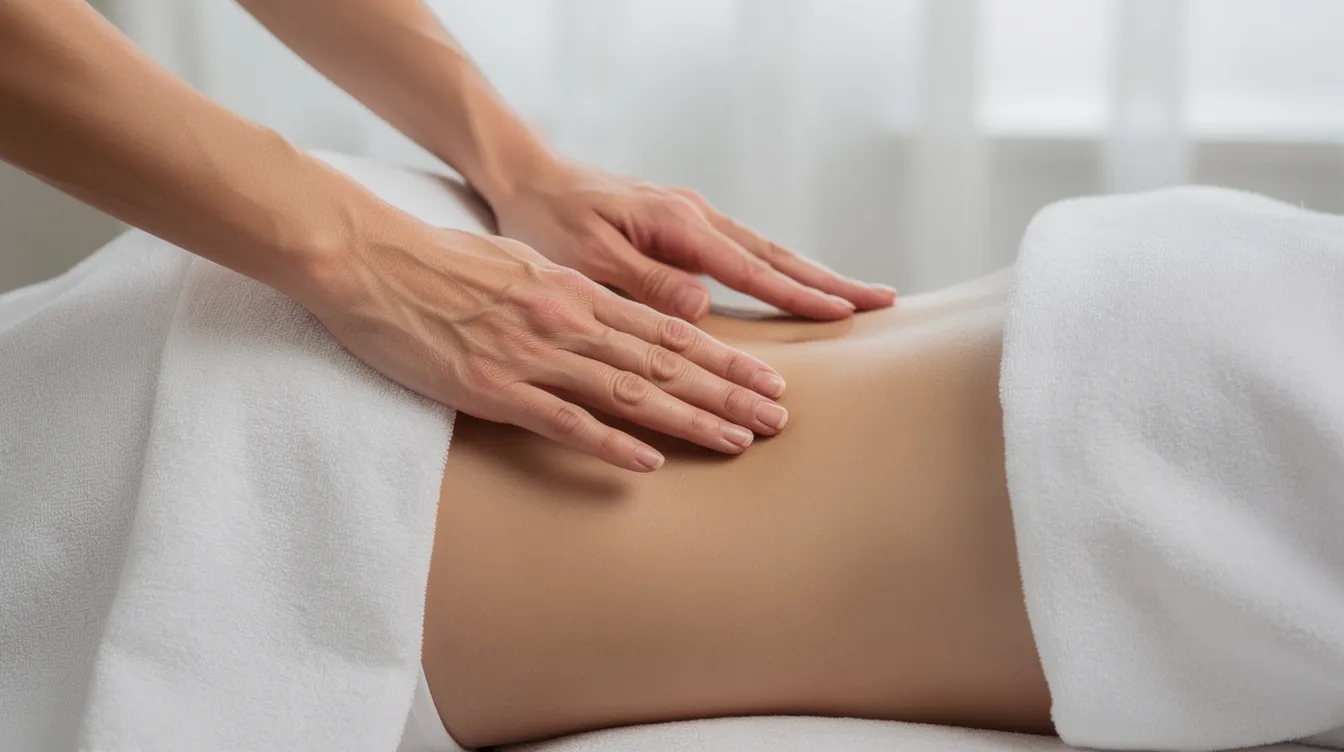
Manual lymphatic drainage is a specialized technique that uses very light pressure and rhythmic strokes to encourage fluid movement toward functioning lymph nodes. Therapists use light, rhythmic strokes to push stagnant fluid toward lymph nodes, starting at central drainage points (neck, groin, axilla) and working outward into the surgical site.
This is fundamentally different from deep tissue massage or deep tissue work. Deep tissue techniques target muscles and fascia with significant force, which can worsen bleeding, inflammation, and swelling in freshly operated tissue. Manual lymphatic drainage uses gentle, light-pressure techniques distinct from regular massage. There's no kneading, no forceful manipulation-only gentle skin-stretching strokes that work at the surface level to redirect lymphatic drainage.
Too much pressure during post-op massage can damage healing tissue. If it hurts, it's too aggressive.
Can Lymphatic Massage Help Liposuction Patients?
The evidence is promising but limited. Most clinical trials involve small groups (20–60 patients) and often combine manual lymphatic drainage with compression garments, ultrasound, or other modalities. Few studies isolate the effects of lymphatic massage alone, which makes drawing firm conclusions difficult.
Common clinical goals for MLD after a body contouring procedure include:
Reducing swelling and edema
Minimizing fibrosis risk
Decreasing pain and bruising
Improving garment tolerance and mobility
Supporting overall healing comfort
Can lymphatic massage help every patient equally? Not necessarily. Lymphatic massage is not a substitute for proper surgical technique. The final shape depends on the liposuction procedure itself, skin elasticity, and long-term compression adherence. Lymphatic massage may not significantly reduce swelling post-liposuction in all cases. Set realistic expectations: MLD supports healing, but it won't reshape your body beyond what surgery and biology allow.
Benefits For Liposuction Recovery And Fluid Movement
Here's what the evidence and clinical experience suggest about massage after lipo:
Swelling reduction. Lymphatic massage reduces swelling after liposuction by clearing accumulated lymph fluid and excess fluid from treated tissues. Studies show measurable circumference reductions at 4–6 weeks when regular massage sessions are performed. Post-operative lymphatic drainage helps decrease pressure from fluid buildup, and lymphatic drainage reduces post-surgical swelling and bruising.
Bruising clearance. It helps clear bruising by removing blood byproducts from tissues. Early MLD combined with compression often leads to visible bruise fading sooner than without treatment, improving blood circulation in the process.
Fibrosis prevention. Lymphatic drainage may limit fibrosis during recovery by preventing the prolonged fluid stasis that triggers excessive collagen deposition. However, lymphatic massage may not prevent fibrosis after liposuction in every case-genetics, procedure extent, and adherence all play roles.
Comfort and mobility. Patients often report improved comfort after lymphatic massage, including less tightness, reduced pain, and easier movement in compression garments. Many patients say they can return to normal clothing sooner and that the treatments decrease pain significantly. Lymphatic massage supports healing by improving the tissue environment around the surgical site.
Timing: When To Start Lymphatic Massage After Liposuction
Surgeon instructions must come first. No therapist should begin treatment without explicit clearance from your plastic surgeon.
Most surgeons recommend starting lymphatic drainage massages within 24 to 72 hours after liposuction in controlled clinical settings. More commonly, most patients start lymphatic drainage within 1–2 weeks post-surgery. The exact timing depends on:
Start Window | Who It's For | Notes |
|---|---|---|
24–72 hours | Patients cleared early by surgeon | Very gentle, specialized therapist required |
Days 3–7 | Standard early protocol | Start lymphatic massage within 3–7 days after liposuction |
Weeks 1–2 | Conservative approach | Common when incisions need more healing time |
If drains are still in place, incisions are actively draining, or there are signs of complication, timing shifts later. Procedures with higher tissue disruption (large-volume lipo, Vaser, or laser-assisted techniques) may require adjusted schedules. The exact timing should always be individualized.
How Often Should Patients Receive Lymphatic Massages
A practical frequency template for liposuction recovery looks like this:
Weeks 1–4: Schedule 2–3 sessions per week for the first month. Some protocols call for daily sessions in the first week if cleared. Sessions of lymphatic massage generally last 30 to 60 minutes, with sessions typically lasting about one hour each.
After week 1: Reassess swelling, mild tenderness, tissue response, and overall progress. Adjust frequency based on findings.
After month 1: Reduce to 1 session per week after the first month. If swelling persists, weekly or bi-weekly maintenance sessions may continue for up to 3–6 months.
Multiple sessions over time produce better cumulative results than a few isolated treatments. Recovery time varies, but consistent scheduling helps tissues heal faster.
Role Of Compression Garments In Recovery
Compression garments reduce post-surgical swelling after liposuction by eliminating "dead space" where fat was removed and preventing fluid build up. They help guide fluid back into lymphatic vessels, supporting both venous and lymphatic drainage.
Patients should wear compression garments for four to six weeks post-surgery. A typical protocol:
Weeks 1–2: Full-time wear (24/7, removing only for showers)
Weeks 3–4: Daytime wear
Weeks 5–6: Nights only or as needed
Removing compression garments too early can prolong swelling and undermine the gains made through lymphatic massage. Compression garments support new contours as tissues heal, and they complement MLD by maintaining low edema between sessions. Think of compression and lymphatic massage as partners-neither works as well alone. Good recovery habits include wearing garments as directed and coordinating garment use with your massage schedule.
Safe At-Home Lymphatic Drainage After Lipo
Once your surgeon clears you, these at-home techniques can support professional treatment:
Deep diaphragmatic breathing. Perform 5–10 slow, deep belly breaths several times daily. This engages the thoracic duct and helps move lymph fluid centrally-a simple technique that supports swelling control.
Gentle directional skin-strokes. Using flat palms or fingertips, apply feather-light strokes moving toward lymph nodes (abdomen toward groin, arms toward axilla). Keep sessions to 5–10 minutes with many repetitions.
Light roller use. Soft foam rollers may be introduced after several weeks, once incisions are fully closed and tissue sensitivity has decreased. Avoid deep pressure. Improper use risks unevenness and tissue damage.
Short, frequent sessions. Multiple brief daily sessions work better than one long session. This cumulative gentle stimulation aids fluid removal without overwhelming healing tissues.
Home techniques supplement-but don't replace-sessions with a qualified therapist.
Tools And Devices For Lymphatic Drainage
Intermittent pneumatic compression devices (IPC)-inflatable boots, sleeves, or garments that rhythmically compress and release-can supplement manual therapy. They're useful when patients can't get to a therapist regularly.
Manual therapy by trained massage therapists offers real-time tactile feedback, the ability to detect tissue changes (firmness, lumps), and adaptation to the patient's condition. Device-assisted therapy provides convenience and frequency but lacks the precision of human hands. Most clinicians recommend combining both approaches when possible.
Risks, Contraindications, And Increased Swelling Alerts
Lymphatic massage is not risk-free. Contraindications include:
Active infection (cellulitis, fever)
Open or unstable incisions
Uncontrolled bleeding or hematoma
Signs of deep vein thrombosis
Severe or worsening pain at the surgical site
Some patients report lymphatic massage as painful or uncomfortable, especially if the therapist applies too much pressure. Improper lymphatic massage can lead to increased swelling or bruising. Watch for these warning signs:
Increased swelling after sessions instead of improvement
Fluid-filled lumps or new hard lumps
Unusual drainage (bloody, cloudy, foul-smelling)
Fever, redness, or heat at the site
If any of these occur, stop massage immediately and contact your surgeon. Swelling that worsens despite regular massage and compression garments needs medical evaluation.
Which Liposuction Patients Benefit Most From MLD
Not every patient needs the same MLD protocol. Those who benefit most include:
High-volume liposuction patients (multiple areas treated simultaneously)
Combined-procedure patients undergoing a tummy tuck, Brazilian Butt Lift, or lipoabdominoplasty
Patients with baseline risk factors like obesity, prior surgeries, or older skin with reduced elasticity
For combined procedures, swelling tends to be more extensive and fibrosis prevention becomes a higher priority. Pre-op planning matters: discuss potential swelling with your surgeon, arrange garment fitting before surgery, and identify a qualified therapist in advance so your first appointment is ready when you're cleared.
How To Find A Qualified Lymphatic Massage Therapist
Not all massage therapists are trained in post-surgical lymphatic care. Look for:
Certification in Manual Lymphatic Drainage (Vodder, Földi, or LANA methods)
Certified Lymphedema Therapist (CLT) credential
Licensed physical or occupational therapists with lymphedema training
Spa aesthetician "lymphatic drainage" training is typically insufficient for post-surgical work. Verify that the therapist has specific experience with liposuction patients and understands incision care, fragile tissue management, and how to adapt pressure accordingly.
Schedule a pre-op consultation with your therapist before surgery. Share incision locations, drain plans, and your surgeon's protocol so everyone is aligned from day one.
Travel, Flying, And Postoperative Lymphatic Care
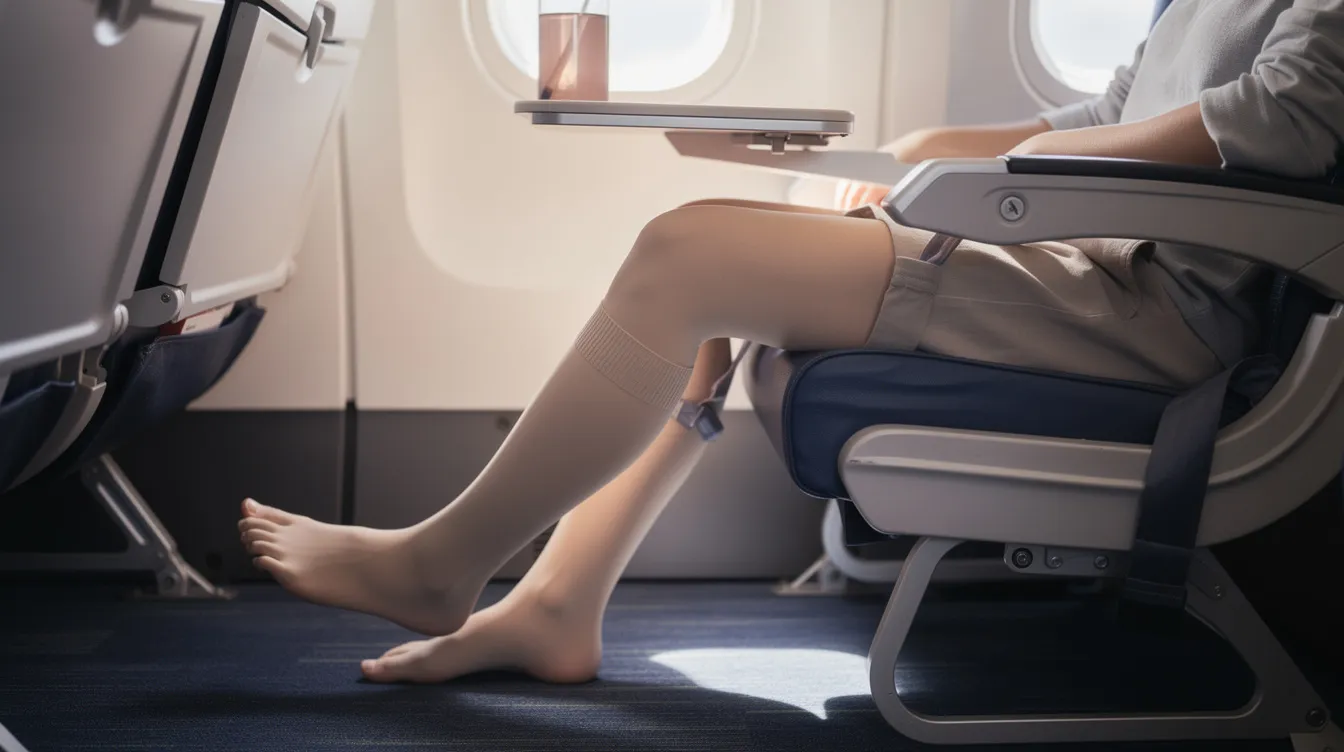
Air travel promotes edema. If you must fly during recovery:
Wear compression garments continuously during the flight
Schedule a lymphatic massage session before departure and soon after arrival
Stay hydrated and perform gentle ankle/foot movements during the flight
If traveling away from your surgeon and therapist, arrange follow-up care at your destination before you leave. Share your surgical report, treated areas, and care plan in writing with the receiving therapist. Planning ahead prevents gaps in care that can cause rebound swelling.
Practical Session Checklist For Manual Lymphatic Drainage Providers
Before each session, providers should:
Confirm surgeon clearance (date, restrictions, drain status)
Inspect incisions for redness, heat, drainage, or signs of infection
Document baseline measurements (girth, swelling extent, pain level, bruising)
Set measurable goals (e.g., reduce circumference, soften firmness, improve comfort)
Monitor and document patient response after each session, adjusting pressure and technique as needed
FAQ And Myth-Busting About Lymphatic Massage After Lipo
"Lymphatic massage will smooth out my results." MLD helps with fluid clearance and may improve contour uniformity, but it cannot fix poor surgical technique, remove excess skin, or reshape your body beyond what the liposuction procedure achieved. Recovery significantly depends on the surgical technique and patient care protocols.
"More massage means better results." There's a point of diminishing returns. Evidence gaps remain-most studies are small, combine MLD with other treatments, and lack long-term follow-up beyond 6–12 months. Lymphatic massage may not significantly reduce swelling in all cases.
"If something feels wrong, just keep massaging." No. When swelling persists beyond expected timelines, when you notice asymmetries, or when you suspect a complication like seroma or hematoma, stop massage and rely on your surgeon. Plastic surgeons should always have the final word on complications.
Patient Action Plan For Optimal Liposuction Recovery
Your recovery plan should start before surgery:
Discuss lymphatic massage with your surgeon during pre-op planning. Ask about exact timing, frequency, and therapist referrals.
Get compression garments fitted before your procedure and commit to wearing them as directed. Sleep quality and daily comfort improve when garments fit properly.
Begin light movement and breathing exercises as soon as cleared. These small steps help you heal faster.
Schedule early reassessment if swelling persists beyond expected timelines or if you notice hard lumps, asymmetry, or worsening discomfort.
Keep a recovery log with photos, measurements, and notes on how your body responds to each session.
The best outcomes come from combining skilled surgery, consistent compression, structured lymphatic massage, and honest communication with your care team.
References And Further Reading Suggestions
For deeper reading, look for recent reviews on manual lymphatic drainage after cosmetic surgery in journals like Aesthetic Plastic Surgery and Annals of Plastic Surgery. CDT (Complete Decongestive Therapy) resources from organizations like LANA provide therapist directories and evidence summaries. Your surgeon's office can also recommend local therapists with verified post-operative experience treating liposuction patients.
Frequently Asked Questions
When should I start lymphatic massage after liposuction?
Most surgeons recommend starting gentle manual lymphatic drainage between 24 hours and two weeks after surgery, depending on how your body is healing. Always obtain explicit clearance from your surgeon before beginning any massage therapy.
How long do the benefits of lymphatic massage last?
Studies show measurable swelling reduction at 4-6 weeks with regular massage sessions. However, differences between treated and untreated groups largely disappeared by 3 months, suggesting early comfort improvements rather than long-term structural changes.
Is lymphatic massage the same as regular massage?
No. Lymphatic drainage uses very light pressure and gentle skin-stretching strokes working at the surface level. Deep tissue massage applies significant force, which can worsen bleeding, inflammation, and swelling in freshly operated tissue.
Can lymphatic massage replace good surgical technique?
No. Final shape depends on the liposuction procedure itself, skin elasticity, and compression adherence. Lymphatic massage supports healing but won't reshape your body beyond what surgery and biology allow.
What specific benefits can I expect from lymphatic massage?
Potential benefits include reduced swelling, faster bruise clearance, possible fibrosis prevention, improved comfort, and easier movement. However, benefits vary by patient and are not guaranteed in all cases.

-2.jpg?width=2000&height=2000&name=Copy%20of%20YouTube%20Thumbnail%20-%20Life-Changing%20Cosmetic%20Surgery!%20(Document)-2.jpg)


