Lower blepharoplasty with fat transfer is a surgical procedure that eliminates under-eye puffiness and hollowness to create a youthful, rested contour. It combines the correction of bulging lower eyelid fat pads with autologous fat grafting to restore volume where aging has left the infraorbital area looking hollow or shadowed.
If you're dealing with visible bags paired with a sunken tear trough, or if the transition between your lower eyelids and cheek has lost its smooth curve, fat transfer paired with blepharoplasty may be the right approach. This guide walks through every stage-from candidacy to recovery-so you can make an informed decision.
Overview of Lower Blepharoplasty With Fat Grafting
The primary goals of lower blepharoplasty are to correct the fat pads that cause visible bulging and restore a smooth lid-cheek junction. At Leva Medical, the fat pads are removed or trimmed, and usually a small amount of your own fat is placed along the under-eye line so the area looks smooth, not hollow.
Fat grafting takes this a step further. Fat is taken from your belly through a tiny opening and placed along the under-eye line. Under-eye bags are caused by protruding fat pads and can be treated by lower blepharoplasty, while the grafting component fills the volume deficit beneath those pads.
How does this compare to dermal fillers? Filler can soften a hollow and is FDA-approved for under-eye hollows, but it cannot remove a bag. Some grafted fat is absorbed in the first months, and what remains behaves like normal fat.
Benefits of Facial Fat Grafting With Lower Blepharoplasty
Facial fat grafting paired with lower blepharoplasty offers several distinct advantages:
Tear trough volume restoration. Your own fat softens the hollow along the under-eye line so the area looks smooth, not hollow.
Natural contour blending. Rather than a sharp line between eyelid and cheek, fat grafting creates a smooth, youthful transition.
Long-lasting results. Removed fat pads do not grow back, and grafted fat that remains behaves like normal fat.
Facial fat transfer enhances results in lower blepharoplasty by addressing both the excess and the deficit in a single session.
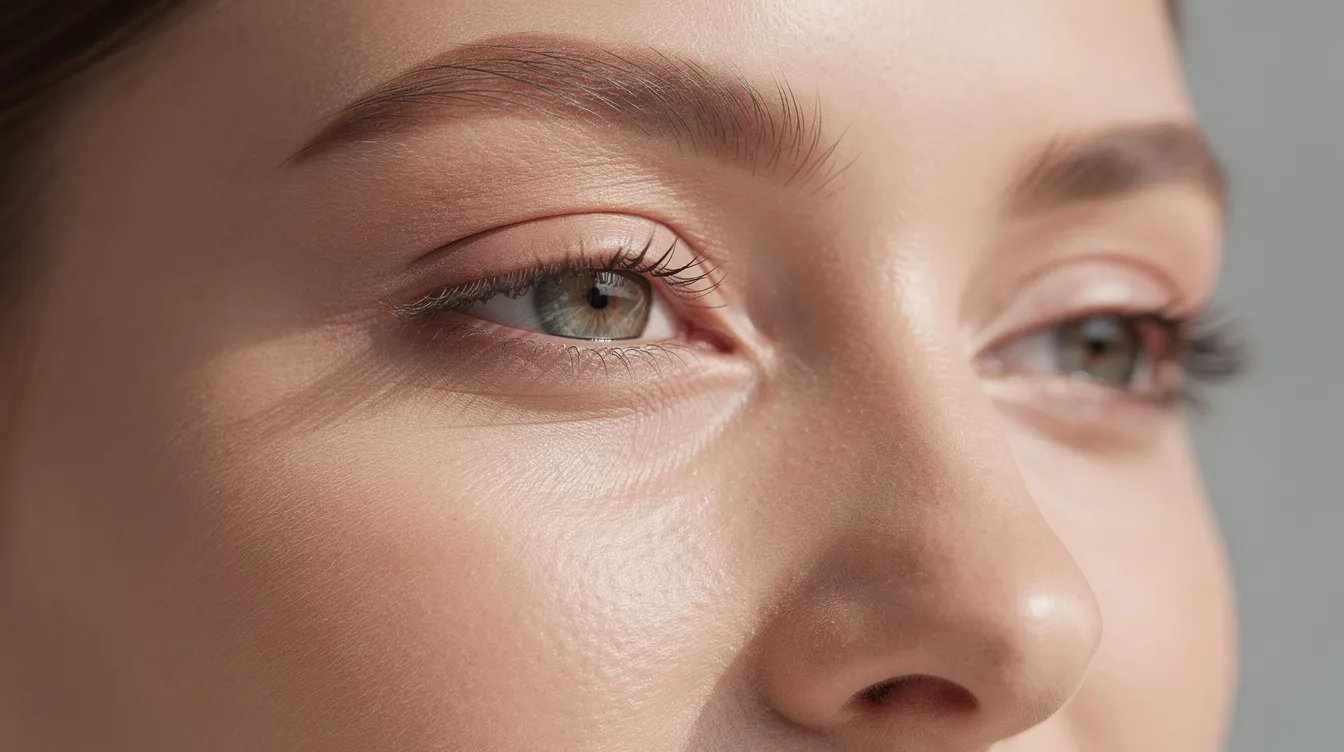
Candidacy and Consultation for Fat Grafting
Not every patient is a good fit. Here's what makes an ideal candidate:
Adults in good health
Visible lower eyelid fat bulges with moderate infraorbital volume loss
Good skin elasticity and minimal skin redundancy
Sufficient donor fat available for harvesting
Realistic expectations about healing and results
Considerations for surgery include skin quality, fat distribution, and tear-trough depth. Your surgeon will evaluate all three during the consultation.
Common contraindications include uncontrolled dry eye, thyroid eye disease, significant lid laxity or retraction, and active infection. Blood work and medical clearance come first, diabetes must be controlled, and smokers must stop.
Preoperative Instructions for Fat Grafting Cases
Preparation directly impacts outcomes. Key steps include:
Smoking cessation: Stop all tobacco and nicotine products before surgery, as your surgeon directs. Nicotine causes vasoconstriction that impairs graft survival.
Medication adjustments: Discontinue NSAIDs, aspirin, blood thinners, and certain supplements (vitamin E, St. John's Wort) before surgery, under your surgeon's guidance.
Photographic documentation: Standardized preoperative photos from multiple angles with consistent lighting are essential for surgical planning and later comparison.
Arrange for someone to drive you home after the procedure and plan for limited activity during your initial recovery.
Procedure Steps for Lower Blepharoplasty With Facial Fat Grafting
Here's what happens during the procedure, step by step:
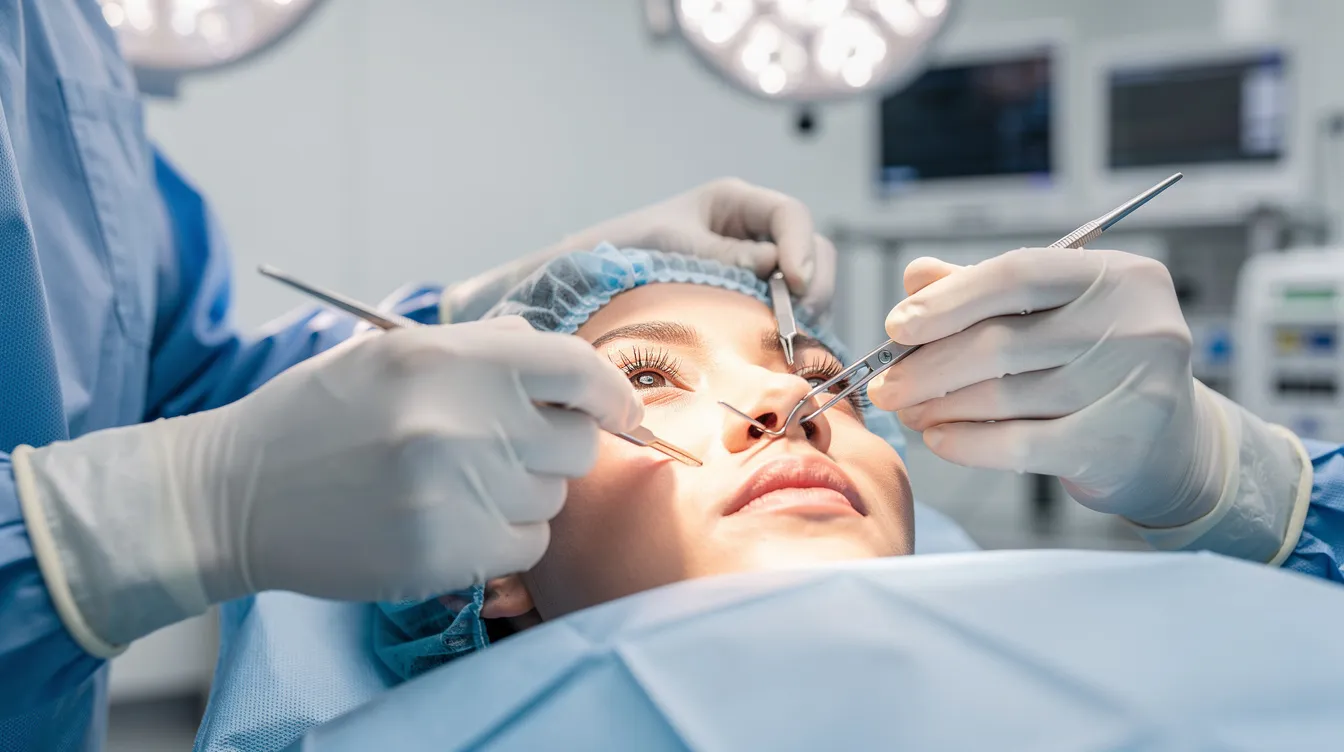
Preoperative markings are made with you seated upright, so the surgeon can assess gravity's effect on fat protrusion and midface volume. Borders of fatty herniation, the nasojugal groove, and areas for fat injection are all mapped out.
Anesthesia: The procedure is performed in the office under local anesthesia plus a relaxing medication taken beforehand, so you are comfortable and drowsy, and many patients remember little. Patients who prefer to be fully asleep can choose general anesthesia at an accredited facility for an added fee. It takes about 1.5 to 2 hours, and you go home the same day.
Incision: At Leva Medical, the surgery is done from inside the lower lid (transconjunctival) with a fine-tip instrument, so there is no visible scar. This approach accesses the fat pads through the inside of the eyelid, making it ideal when skin excess is minimal.
Fat harvest: A small amount of fat is taken from your belly through a tiny opening.
Fat processing: The harvested fat is purified to isolate healthy fat cells before it is placed.
Microinjection: The fat pads beneath the eye are removed or trimmed to reduce puffiness, and small amounts of fat are placed along the under-eye line so the area looks smooth, not hollow. Both eyes are treated.
Closure: Transconjunctival incisions often heal without sutures or with absorbable ones.
Safety, Risks, and Complications of Fat Grafting
Every surgical procedure carries risks. Common ones include:
Bruising, swelling, and temporary discomfort
Asymmetry between sides
Over- or under-correction
Lid malposition (ectropion or retraction)
Infection, bleeding, and dryness
Potential complications include asymmetry and swelling; most swelling settles over 2 to 6 weeks. Some grafted fat is absorbed in the first months, and small lumps or unevenness from the grafted fat can occur.
Autologous fat minimizes allergic reactions and foreign body rejection risks since you're using your own tissue. However, any sudden vision changes, severe pain, or signs of nerve injury (lid droop, double vision) require immediate medical attention.
Recovery and Aftercare After Fat Grafting
Recovery typically involves healing from both the eyelid and the donor site. Here's the general timeline:
Timeframe | What to Expect |
|---|---|
Days 1–3 | Swelling peaks around day 3. Apply a cold (not frozen) mask for 15 minutes every hour for the first 2 days. Sleep on your back with your head raised, and walk from the first day. |
Days 3–7 | Switch to a warm (not hot) mask from day 3. Small dressings come off at the 1-week visit. No lifting over 20 pounds (9 kg) for 1 week. |
Weeks 1–2 | Most people return to desk work in about a week; some go back after 2 to 3 days if they do not mind looking swollen. Bruising usually fades in 1 to 2 weeks. |
Weeks 2–6 | Most swelling settles over 2 to 6 weeks. Avoid anything that raises your heart rate or blood pressure until your surgeon clears you. |
Following months | The final result keeps refining for months. No baths, ocean or jacuzzi for 1 month. |
Discomfort is usually mild, and the belly donor site is often more sore than the eyes. A temporary gritty, sand-in-the-eye feeling and dryness are common and settle; use antibiotic and eye drops as prescribed and do not rub your eyes. Avoid NSAIDs that could increase bleeding risk. Your first follow-up visit is at one week.

Managing Complications and Revisions After Fat Grafting
Hematoma signs include sudden swelling, pain, and color changes. If you notice these, contact your surgeon immediately-early intervention prevents further issues.
Persistent swelling beyond the expected timeline should be checked by your surgeon. Patience is often the best treatment here.
Touch-up grafting criteria: if volume loss from fat resorption leaves you with insufficient correction after the graft has fully stabilized, a secondary fat grafting session can be performed to complete the desired result.
Results, Longevity, and Expectations for Facial Fat Grafting
Most swelling settles over 2 to 6 weeks, and the final result keeps refining for months as the grafted fat settles.
Results include reduced fat pockets and a refreshed look. Results look rested, not done. Removed fat pads do not grow back, though natural aging continues.
Variability in fat retention is real. Individual results will depend on your anatomy, surgical technique, graft processing method, and post-operative care. If a revision is needed, your surgeon will advise waiting for the retained volume to stabilize before scheduling a touch-up.
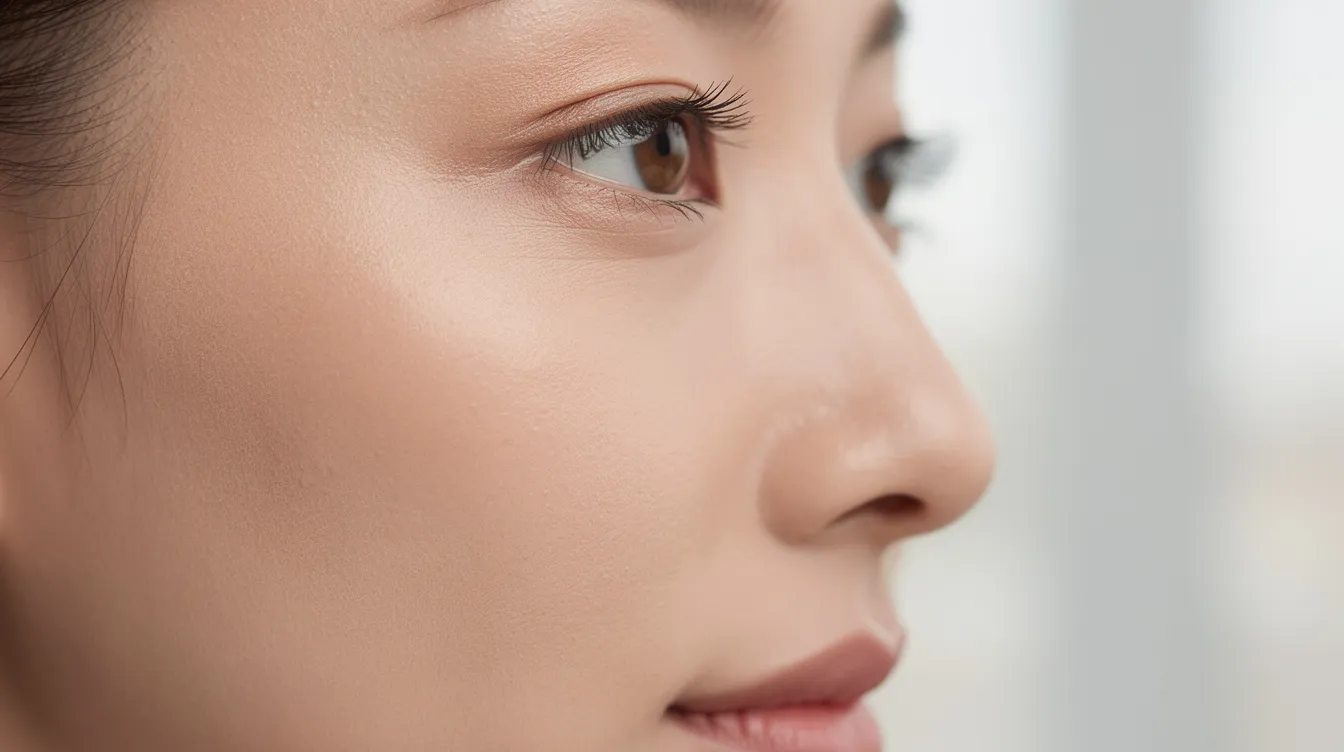
Before-and-After Media and Patient Education
When relevant, donor site photos help patients understand the complete scope of the procedure. Ask your surgeon to show you cases with anatomy similar to yours.
Cost, Financing, and Insurance Considerations
At Leva Medical, lower eyelid surgery starts at $6,500, fat grafting included, under local anesthesia.
Financing: Financing is available.
Request a written estimate that includes all fees-surgeon, anesthesia, and facility-so there are no surprises.
Choosing a Surgeon for Lower Blepharoplasty With Fat Grafting
Ask about your surgeon's experience at your consult, including:
Fat grafting experience: Ask specifically about their experience with facial fat grafting in the lower eyelid area, typical volumes used, techniques, and their observed retention rates.
Before-and-after galleries: Review cases that match your age, ethnicity, and anatomic concerns. Ask to see long-term results (one year or more post-op).
Legal Notes and Outcome Disclaimers
Individual results may vary based on anatomy, health status, skin quality, donor fat characteristics, surgical technique, and post-operative compliance. Some degree of fat resorption is expected, and full correction may require staged touch-ups.
Informed consent documentation should confirm that the patient understands all potential complications-including rare but serious risks to vision-and consents to both the blepharoplasty and fat grafting components.
Lower blepharoplasty with fat transfer stands out because it solves two problems at once: removing what shouldn't be there and restoring what's been lost. The journey from consultation through recovery requires preparation, patience, and the right surgical team.
Your next step is straightforward: schedule a consultation at Leva Medical in Queens or Northport, New York, to evaluate your specific anatomy and build a plan around your goals. Most practices make it easy to get started-reach out by phone or email to begin the conversation.
Frequently Asked Questions
What is lower blepharoplasty with fat transfer?
It is a surgical procedure that removes bulging lower eyelid fat pads and injects processed fat from your own body into hollow areas beneath the eyes. This addresses both puffiness and volume loss to restore a smoother under-eye contour.
How long do results from fat transfer last?
Removed fat pads do not grow back, so results are long-lasting. Some grafted fat is absorbed in the first months, and what remains behaves like normal fat. Natural aging continues.
What is the recovery timeline after this procedure?
Swelling peaks around day 3, and bruising usually fades in 1 to 2 weeks. Most people return to desk work in about a week, most swelling settles over 2 to 6 weeks, and the final result keeps refining for months. Someone must take you home after the same-day procedure.
Am I a good candidate for this procedure?
Good candidates are adults in good health with visible lower eyelid fat bulges, moderate volume loss, good skin elasticity, sufficient donor fat, and realistic expectations. Contraindications include uncontrolled dry eye, thyroid eye disease, and significant lid laxity.
How does fat grafting compare to dermal fillers?
Filler can soften a hollow and is FDA-approved for under-eye hollows, but it cannot remove a bag. Lower eyelid surgery removes or trims the fat pads, and fat grafting adds your own fat along the under-eye line in the same procedure.
Learn more: Lower Eyelid Surgery (Eye Bags) at Leva Medical
-2.jpg?width=2000&height=2000&name=Copy%20of%20YouTube%20Thumbnail%20-%20Life-Changing%20Cosmetic%20Surgery!%20(Document)-2.jpg)


