If you've noticed persistent under eye bags, hollow grooves, or tired-looking lower lids staring back at you in the mirror, you're not alone. Lower blepharoplasty on Long Island has become one of the most sought-after facial procedures for patients who want lasting, natural-looking correction without the telltale signs of cosmetic work. This guide covers everything you need to know - from candidacy and techniques to recovery, costs, and how to choose the right surgeon.
Learn more: Lower Eyelid Surgery (Eye Bags) at Leva Medical
Introduction To Eyelid Surgery In Long Island
Eyelid surgery, clinically known as eyelid surgery blepharoplasty, is a surgical procedure designed for eyelid rejuvenation. It targets the upper and lower eyelids to address excess skin, fat, and tissue that accumulates with age, genetics, or lifestyle factors. Lower blepharoplasty specifically targets the lower eyelids to remove or trim bulging fat pads and reduce puffiness, usually with a small amount of your own fat placed to smooth hollows. It directly addresses under-eye bags, which are usually small fat pads pushing forward beneath the delicate skin around the eyes.
The distinction between cosmetic eyelid surgery and functional eyelid surgery matters. Cosmetic surgery focuses on aesthetic improvement - a refreshed appearance and smoother contour. Functional cases address medical concerns like vision obstruction from drooping skin or eyelid malposition.
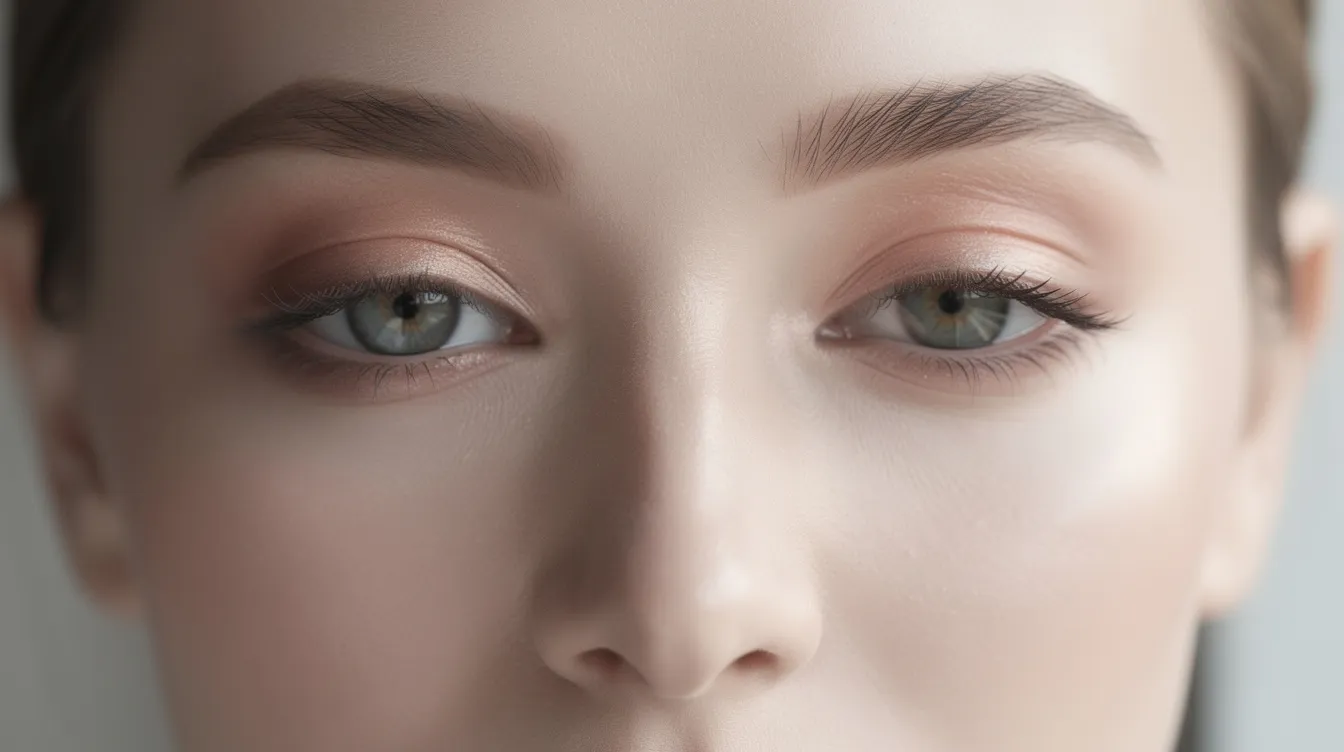
Benefits Of Eyelid Surgery
The benefits of eyelid surgery extend well beyond aesthetics. The procedure is designed to improve the patient's appearance by reducing signs of fatigue, giving the face a more alert and rested look.
Key benefits include:
Eyelid surgery can reduce under-eye bags and puffiness that make you look exhausted
Blepharoplasty can create a more youthful appearance around the eyes by smoothing the lid-cheek junction
Softer tear-trough shadows when caused by bulging fat
A more natural facial expression, free of the heaviness that sagging eyelids create
Who Is A Candidate For Eyelid Surgery
Not everyone who dislikes their under-eye area needs surgery. Determining whether you're a strong surgical candidate requires a thorough medical and aesthetic evaluation.
Good candidates share these characteristics:
Generally in good health with no uncontrolled systemic conditions like vascular diseases or thyroid eye disease flareups
Non-smokers, or willing to quit well before and after surgery
Adults bothered by under-eye bags, with blood work and medical clearance first and any diabetes controlled
Candidates should not have untreated eye conditions such as severe dry eye or uncontrolled glaucoma
Candidates should have realistic expectations about what surgery can and cannot achieve
Stable weight and adequate skin elasticity
Your surgeon will evaluate skin quality, lid laxity (snap-back test), cheek fullness, and orbital rim position. Skin loses elasticity over time, and this directly influences which technique will produce the best outcome.
Eyelid Surgery Procedures: Blepharoplasty Surgery Overview
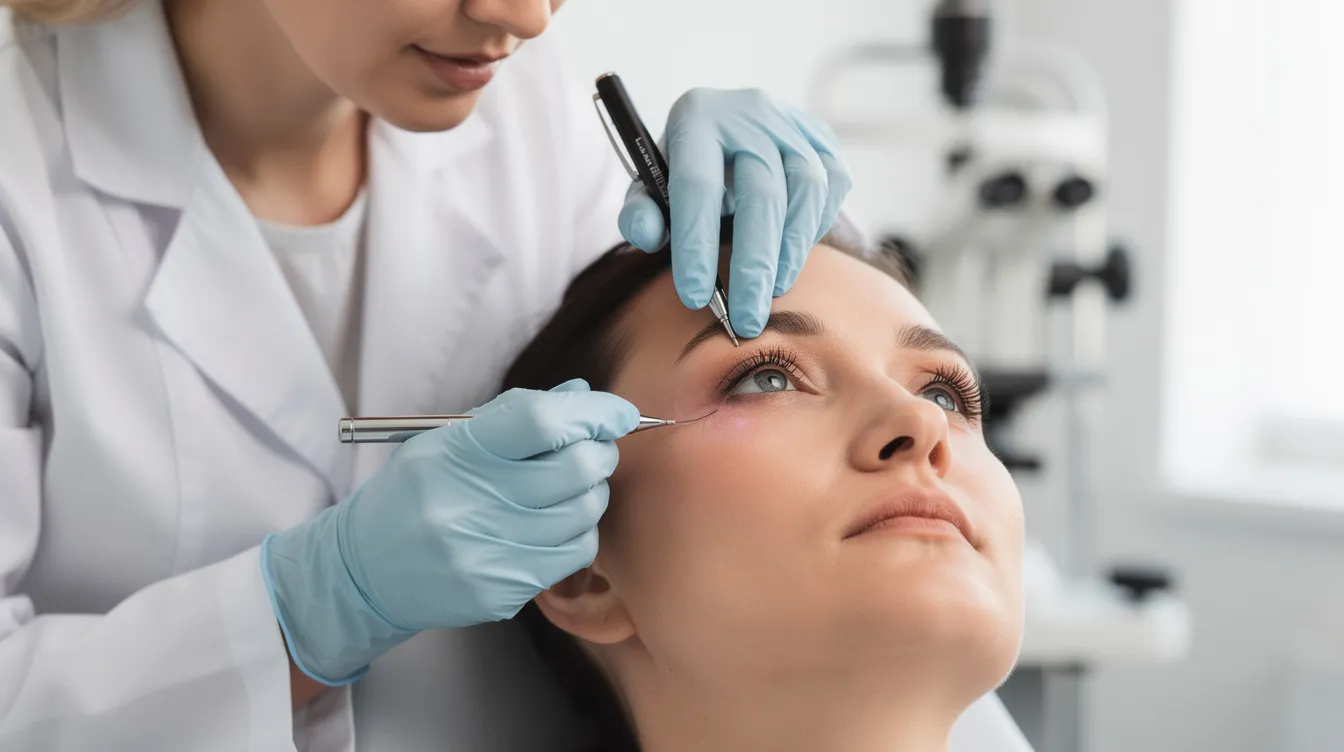
At Leva Medical, lower eyelid surgery is performed in the office, and you go home the same day; someone must take you home. Patients receive local anesthesia plus a relaxing medication taken beforehand, so they are comfortable and drowsy, and patients who prefer to be fully asleep can choose general anesthesia at an accredited facility for an added fee. The procedure takes about 1.5 to 2 hours, and both eyes are treated.
Lower Blepharoplasty
There are two primary surgical techniques for lower blepharoplasty: transconjunctival and transcutaneous.
Transconjunctival approach: The fat pads are reached from inside the lower eyelid with a fine-tip instrument, leaving no visible scar. This is ideal for patients with good skin elasticity whose primary issue is fat bulging rather than excess skin. This is the approach used at Leva Medical.
Transcutaneous approach: Transcutaneous blepharoplasty involves an incision below the lash line to address excess skin and fat. This technique is better suited when significant skin laxity or wrinkling exists. The incision runs along the lower lash line and allows the surgeon to remove excess skin, tighten muscle, and manage fat or extra skin simultaneously. There is slightly more risk of visible scarring and potential eyelid malposition compared to the transconjunctival method.
At Leva Medical, the fat pads are removed or trimmed, and usually a small amount of your own fat, taken from the belly through a tiny opening, is placed along the under-eye line so the area looks smooth, not hollow.
Bags and dark circles need different treatments: dark circles are usually pigment or the shadow of a hollow, not fat. When pigment is the main cause, laser skin treatments, which improve skin texture and pigment only, may be considered.
Eyelid Surgery Recovery
Eyelid surgery recovery follows a predictable pattern, though individual experiences vary. Most people return to desk work in about a week; some go back after 2 to 3 days if they do not mind looking swollen.
Typical timeline:
Timeframe | What to Expect |
|---|---|
Days 1–3 | Peak swelling, bruising, tearing, tightness |
Days 4–7 | Swelling starts to ease; small dressings come off at the 1-week visit |
Weeks 2–6 | Bruising has usually faded; most swelling settles |
Following months | The final result keeps refining |
Swelling and bruising are common after lower blepharoplasty surgery and after eyelid surgery in general. Swelling peaks around day 3. Walking is encouraged from the first day, but avoid anything that raises your heart rate or blood pressure, and do not lift over 20 pounds (9 kg) for 1 week. Discomfort is usually mild, and the belly donor site is often more sore than the eyes; a temporary gritty feeling and dryness are common and settle, and antibiotic and eye drops are used as prescribed. A cold (not frozen) mask for 15 minutes every hour for the first 2 days, then a warm (not hot) mask from day 3, helps with swelling.
Patients usually need to follow specific aftercare instructions during recovery: sleeping on your back with your head raised (never face down), not rubbing your eyes, washing your face from day 2, no baths, ocean or jacuzzi for 1 month, and no smoking. Bruising usually fades in 1 to 2 weeks.
Eye makeup and contact lenses can be used when your surgeon clears you at your follow-up visit.
Eyelid Surgery Results And Longevity
Eyelid surgery results develop gradually. Most swelling settles over 2 to 6 weeks, and the final result keeps refining for months. Some grafted fat is absorbed in the first months, and what remains behaves like normal fat.
On longevity:
Lower eyelid surgery results are long-lasting, as removed fat pads do not grow back
Natural aging continues, and results look rested, not done
Before-and-after images should show full-face resting views in consistent lighting to accurately demonstrate changes in tear-trough depth, skin texture, and the transition from an aged appearance to a rejuvenated one.
Eyelid Surgery Cost On Long Island
At Leva Medical, lower eyelid surgery starts at $6,500, fat grafting included, under local anesthesia. Patients who choose general anesthesia at an accredited facility pay an added fee. Financing is available.
Lower blepharoplasty is rarely covered by insurance since it is primarily a cosmetic procedure.
Dark Circles And Non-Surgical Alternatives
Common concerns include under-eye bags, loose skin, and hollowness - but not all dark circles require surgery. When pigmentation or vascular shadows are the primary cause, non-surgical options may be preferable:
Hyaluronic acid fillers for tear-trough hollows
Laser skin treatments for skin texture and pigment
RF microneedling for skin tightening
Topical retinoids and brightening agents for mild discoloration
When structural issues (fat bulging, deep hollows) coexist with skin-quality concerns, a combined surgical and non-surgical plan delivers the most complete correction. Fat grafting is included with lower eyelid surgery at Leva Medical, placing a small amount of your own fat along the under-eye line.
Risks, Complications, And Safety
Like any surgical procedure, blepharoplasty carries risks - though serious complications are uncommon when performed by experienced surgeons in accredited facilities.
Common risks to discuss during consent:
Temporary blurred vision and dry eyes
Transient chemosis (conjunctival swelling)
Mild asymmetry or scleral show
Swelling, bruising, infection, bleeding, and occasionally a touch-up
Double vision (temporary, or rarely lasting)
Less common or very rare complications include a change in lower-lid position or shape (ectropion), small lumps or unevenness from the grafted fat, corneal exposure, and, very rarely, bleeding behind the eye that can threaten vision, an emergency that needs care right away. The eyeball itself is not operated on.
Ask about your surgeon's experience at your consult.
Consultation And Choosing A Long Island Surgeon
Consultation with a qualified surgeon is key for personalized treatment planning. The right consultation transforms a generic procedure into a personalized treatment plan tailored to your anatomy.
Questions to ask your surgeon:
Which technique do you recommend for my anatomy - transconjunctival or transcutaneous?
Can I review before-and-after galleries of lower blepharoplasty patients specifically?
What is your revision policy?
What facility and anesthesia will be used?
Request to see results on patients with similar skin type, lid laxity, and aesthetic goals. Blood work and medical clearance come first; diabetes must be controlled, and smokers must stop.
Lower blepharoplasty on Long Island delivers lasting correction for under eye bags and hollowness. Whether you're exploring a standalone eyelid lift or planning a broader facial rejuvenation strategy, the path forward starts with an honest consultation and a clear understanding of your anatomy, goals, and options.
Frequently Asked Questions
What is lower blepharoplasty?
Lower blepharoplasty is a surgical procedure that targets the lower eyelids to remove or trim bulging fat pads and reduce puffiness and under-eye bags, usually with a small amount of your own fat placed to smooth hollows. At Leva Medical, it is done from inside the lower lid, so there is no visible scar.
Who may be a candidate for lower eyelid surgery?
Candidates are typically in good general health, adults with under-eye bags, and non-smokers or willing to stop; blood work and medical clearance come first. Candidates should not have uncontrolled conditions such as severe dry eye or uncontrolled glaucoma, and should have realistic expectations. A surgeon evaluates skin elasticity, lid position, and cheek fullness during consultation.
Where are the incisions placed?
In transconjunctival surgery, the incision is made inside the lower eyelid, so there is no visible scar. In transcutaneous surgery, the incision is made just below the lash line and is usually placed to blend with the natural lines of the skin. The choice depends on whether the main issue is fat bulging or excess skin.
How long does the procedure take and what type of anesthesia is used?
Lower eyelid surgery at Leva Medical takes about 1.5 to 2 hours in the office, and you go home the same day with someone to take you home. It is done under local anesthesia plus a relaxing medication taken beforehand; patients who prefer to be fully asleep can choose general anesthesia at an accredited facility for an added fee.
What should patients know about recovery?
Swelling peaks around day 3 and mostly settles over 2 to 6 weeks; bruising usually fades in 1 to 2 weeks. Patients are typically advised to keep their head elevated, use cold compresses as directed, and avoid anything that raises heart rate or blood pressure. Individual recovery timelines vary, and the surgeon provides specific post-operative instructions.
Can fillers replace lower blepharoplasty?
Filler can soften a hollow and is FDA-approved for under-eye hollows, but it cannot remove a bag. Creams, laser skin treatments and Botox do not remove fat pads either; lower eyelid surgery does.
-2.jpg?width=2000&height=2000&name=Copy%20of%20YouTube%20Thumbnail%20-%20Life-Changing%20Cosmetic%20Surgery!%20(Document)-2.jpg)


