Love handles are pockets of fat located around the waist just above the hips, and they are one of the most common areas people want to change. Whether you have been doing bicycle crunches for months or you are considering professional body contouring, knowing what actually works saves you time and frustration. This guide covers the main options for love handle removal, from lifestyle changes to liposuction, so you can understand the path that fits your body and goals.
Why Love Handles Form: Flank Fat and Fat Storage
Love handles are subcutaneous flank fat sitting just beneath the skin around your sides. Unlike visceral fat deep inside your abdomen, this fat is pinchable and softer. Visceral fat poses greater metabolic risk, but subcutaneous fat in the love handles often resists traditional weight loss methods, which makes it especially frustrating.
Several factors determine how your body stores fat in this area:
- Genetics strongly influence where the body stores excess fat. If your parents carried weight around the waist, you may too.
- Hormones play a direct role. Cortisol, the stress hormone, promotes fat storage around the waist. Low testosterone in men and estrogen fluctuations in women can shift fat distribution toward the flanks.
- Age. As you get older, metabolism naturally slows, contributing to love handle formation. Hormonal shifts during menopause can change fat distribution around the waist in women.
Understanding these drivers explains why two people with the same diet and exercise routine can carry fat in completely different places. Belly fat and flank fat may look similar, but visceral fat is metabolically active and tied to cardiovascular risk, while love handles are mainly a cosmetic concern driven by fat accumulation in the subcutaneous layer.
Can Diet and Exercise Help You Lose Weight?
The short answer is yes, but not the way most people think.
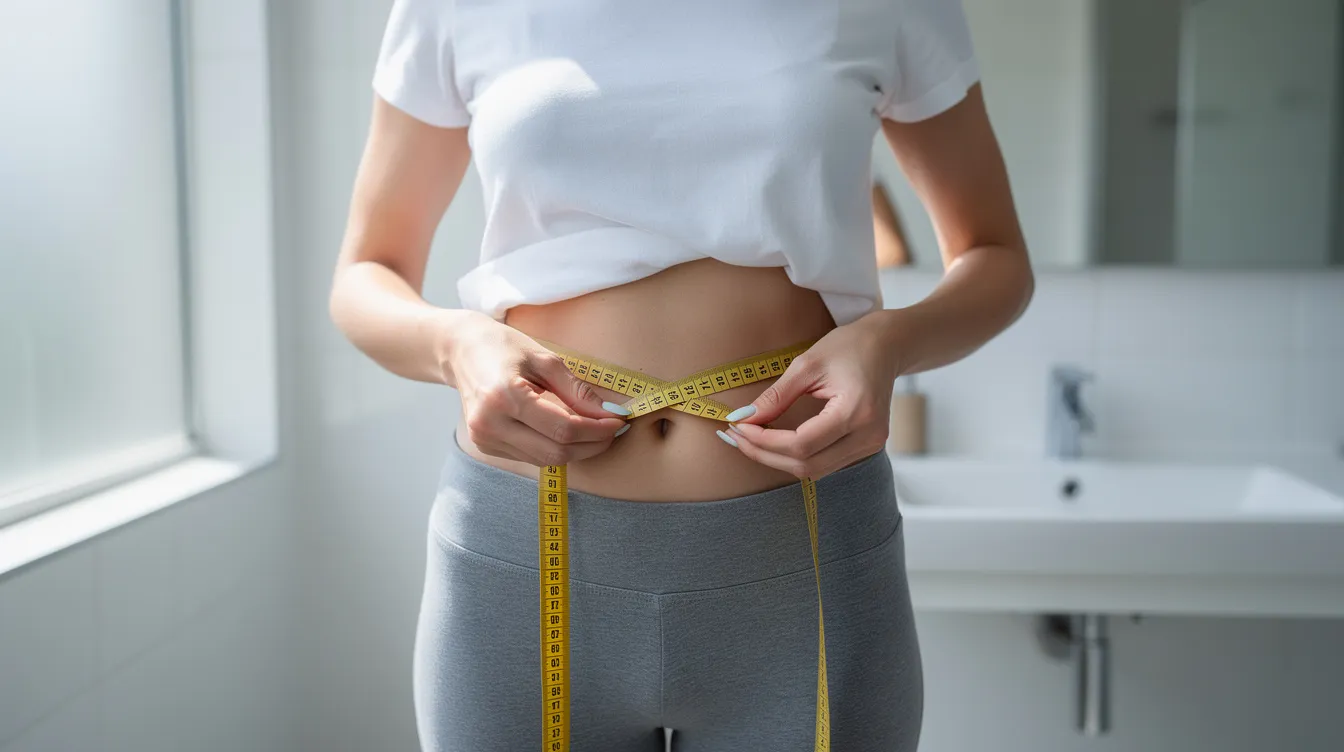
Why spot reduction does not work
Exercising your obliques does not directly burn the fat sitting on top of them. Fat loss is systemic. When your body burns fat, it draws from fat stores across the entire body based on genetics, hormones, and age, not on which muscles you are working. No amount of side bends will selectively melt flank fat.
How calorie deficits support fat loss
A sustained caloric deficit reduces total body fat, including love handles. This means consuming fewer calories than you burn, consistently, over weeks and months. Aerobic exercise helps reduce body fat overall, and cardiovascular exercise combined with a healthy diet supports the process.
Realistic timelines
Visible change in the love handles usually takes several months of consistent effort. Losing one to two pounds per week is generally considered safe and sustainable, but because love handles are only a portion of total body fat, visible change in that specific area takes patience. Reducing added sugar and refined carbohydrates helps keep blood sugar steady and supports less fat storage around the waist over time.
Bicycle Crunches and Other Core Exercises
Core exercises build muscle underneath your fat but do not directly remove fat from that area.
- Bicycle crunches: Lie on your back, hands behind your head, knees bent. Lift your shoulder blades and rotate to bring one elbow toward the opposite knee while extending the other leg. Control the rotation through your torso, not just your elbows. Quality over speed.
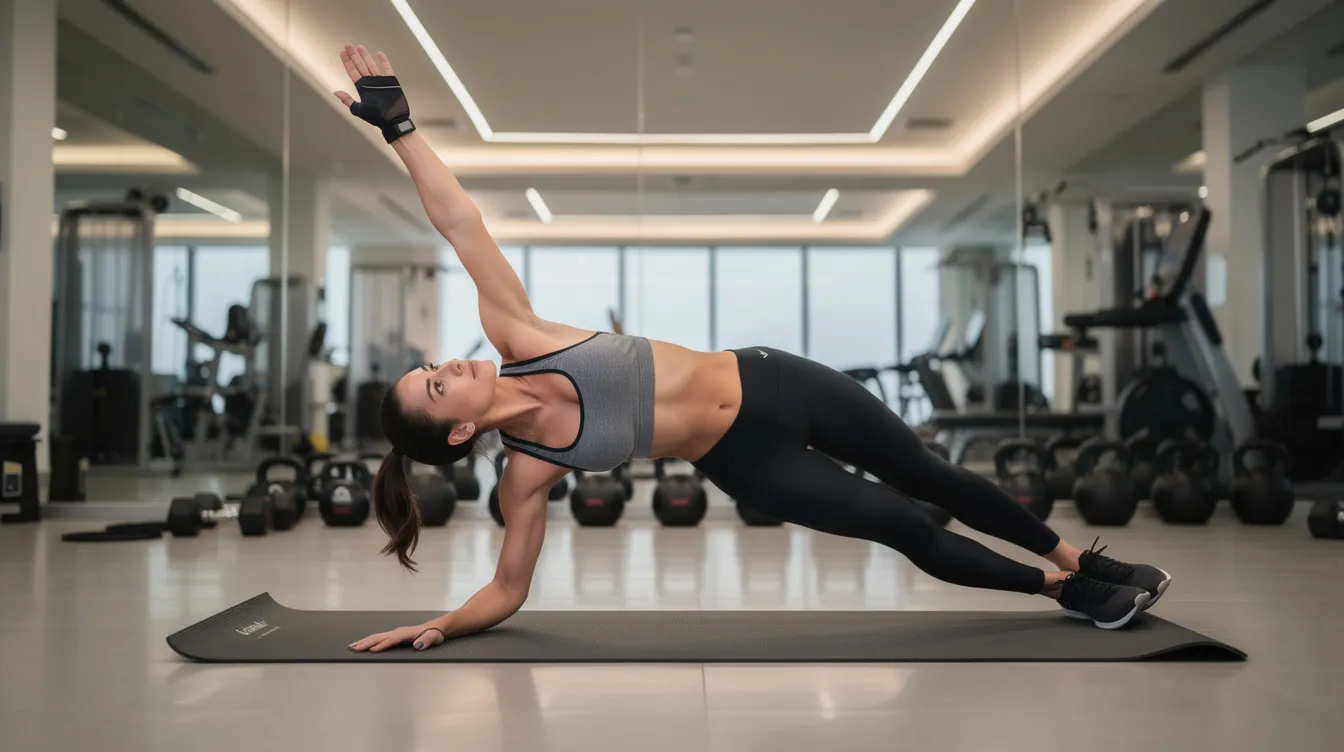
- Side planks: Hold your body in a straight line on one elbow or hand, working the obliques and the deep muscles of the lower back. Add hip dips or reaches for progression.
These exercises strengthen the obliques and improve posture, which helps define the waistline once the overlying fat decreases. Core work alone will not get rid of love handles; it needs to be combined with calorie management for actual fat reduction.
Lifestyle Changes to Get Rid of Love Handles
Healthy habits are the foundation of any love handle removal strategy, and they come before any treatment.
- Sustainable nutrition: Focus on adequate protein, fiber-rich foods, and healthy fats. Control portion sizes and reduce refined carbohydrates. A healthy diet does not require perfection, just consistency.
- Resistance training: Strength training builds muscle and raises resting metabolic rate. Compound movements like squats, deadlifts, and rows engage large muscle groups and burn more calories than isolation exercises.
- Sleep quality: Poor sleep raises ghrelin and cortisol while lowering leptin, all of which promote fat storage. Aim for seven to nine hours per night.
- Stress management: Chronic stress keeps cortisol elevated, which encourages fat accumulation around the flanks. Mindfulness, yoga, therapy, and adequate rest help regulate your hormonal environment.
These changes improve body composition over time and support long-lasting results after any professional treatment.
Professional Fat Removal and Body Contouring Options
When diet and exercise have brought you close to your goal weight but stubborn fat remains around the flanks, professional fat removal becomes worth considering. Options for love handles vary widely in how much fat they address and how much recovery they require.
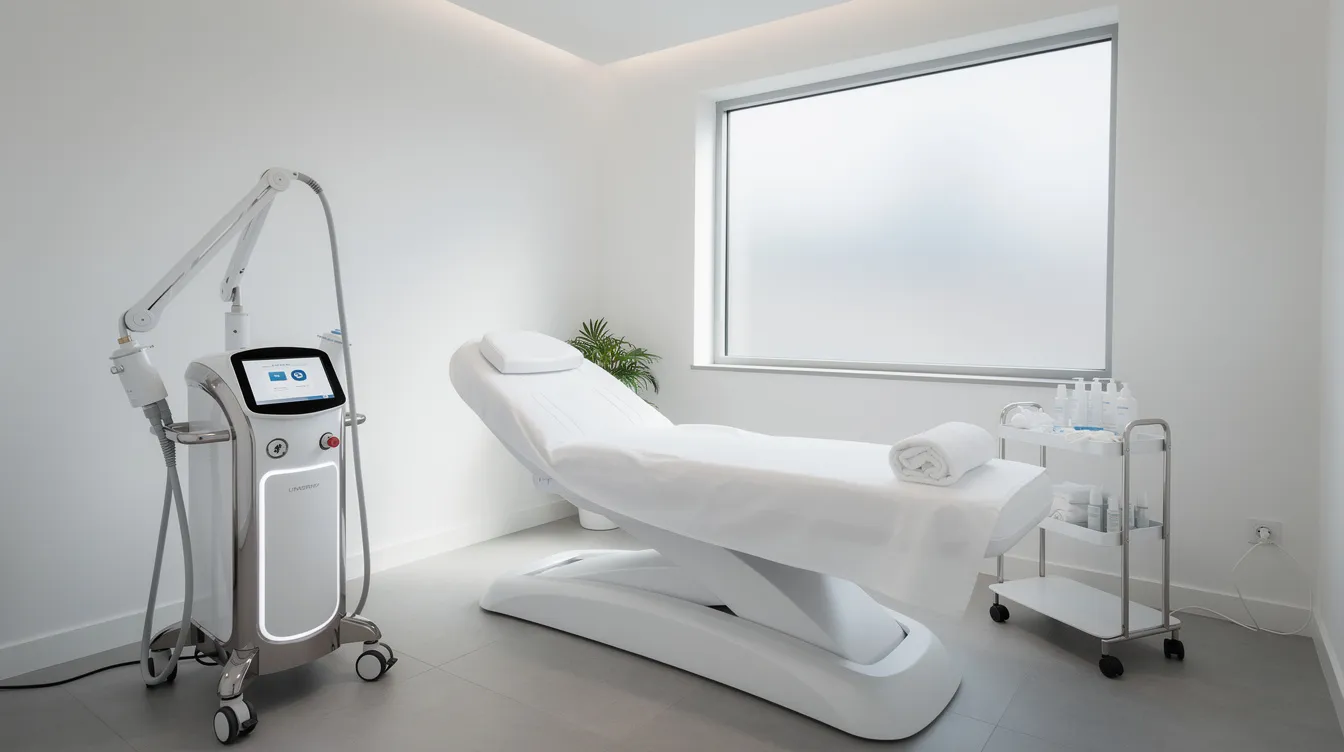
Non-surgical body contouring devices use cold, heat, radiofrequency, or laser energy to affect fat cells, and some use magnetic muscle stimulation. They usually require multiple sessions, with effects developing gradually, and the change tends to be modest. None of them is a weight loss solution. They work best for small, localized fat deposits in people who are already near a stable weight with good skin elasticity.
These devices have side effects of their own. Temporary redness, swelling, bruising, and numbness are common. Cold-based devices carry a rare risk called paradoxical adipose hyperplasia, in which the treated fat grows larger instead of smaller, and people with cold-sensitive disorders are not candidates. People with significant skin laxity may notice loose skin after fat reduction.
Body contouring does not replace weight loss. These treatments address stubborn fat deposits that persist despite consistent effort, not overall excess weight.
When Liposuction Is the Better Fat Removal Option
Liposuction removes a larger volume of fat in a single procedure than non-surgical devices, which makes it a strong option for people whose flank fat is more than a small pocket.
Common liposuction approaches:
- Tumescent liposuction uses a solution of saline, lidocaine, and epinephrine injected before the fat is suctioned through a thin tube called a cannula. The solution helps limit bleeding and eases fat removal.
- Energy-assisted techniques use laser, ultrasound, or a vibrating cannula to loosen fibrous flank fat before it is removed.
Removed fat cells do not grow back, so results are long-lasting when weight stays stable. Recovery involves a period of limited activity, and compression garments help manage swelling. Swelling, bruising, soreness, and fluid leakage are common after surgery, and the final contour takes time to appear as swelling settles. Weight gain after liposuction can distort results as the remaining fat cells expand.
The anesthesia, technique, and recovery plan depend on your body and the treatment plan set at your consultation.
The exact price is set at the consultation.
Cosmetic procedures are self-pay. Payment options can be reviewed in office after the exact plan and total are known.
Belly Fat, Loose Skin, and Treatment Candidacy
Fat and loose skin are different problems requiring different solutions. Removing stubborn fat through any method does not automatically tighten skin. If skin quality is poor or there is significant laxity, a skin-removal procedure may be needed to address excess skin.
Candidacy guidelines:
- Candidates for fat reduction should be close to their target weight rather than seeking general weight loss.
- Good skin elasticity improves outcomes for both surgical and non-surgical options.
- People with sagging skin, often after major weight loss, may need surgical skin excision rather than contouring alone.
- Non-smokers in good health with realistic expectations are typically the strongest candidates.
A consultation can clarify whether fat removal, skin removal, or both fit your body composition and goals. Call (718) 699-9737 to book a consultation with our board-certified doctors.
Recovery, Results, and Long-Term Maintenance
Recovery differs between approaches. Non-surgical devices usually involve little downtime but bring temporary redness, swelling, bruising, and numbness, and changes appear gradually over weeks to months. Liposuction involves more recovery, with swelling, bruising, soreness, and fluid leakage in the early period, and the final contour develops over months.
Long-term maintenance requires continued effort. Fat can re-accumulate in remaining fat cells or in other areas if a calorie surplus returns. Resistance training, cardiovascular exercise, a balanced diet, quality sleep, and stress management after treatment support lasting results. Significant weight gain or weight loss after treatment can both affect outcomes.
The right strategy for getting rid of love handles depends on where you are starting and where you want to end up. Begin with lifestyle changes, set realistic expectations for timelines, and seek a professional evaluation when stubborn fat will not budge despite consistent effort.
Frequently Asked Questions
What are love handles and why do they form?
Love handles are subcutaneous flank fat located around the sides of the waist, just above the hips. Genetics, hormones such as cortisol and sex hormones, and age all influence how the body stores fat in this area.
Can exercising the obliques remove love handles?
No. Spot reduction does not work because fat loss is systemic, drawing from fat stores across the body. Core exercises like bicycle crunches and side planks strengthen the muscles underneath but do not directly remove the fat above them.
Do love handles return after treatment?
Fat cells removed with liposuction do not grow back, so results are long-lasting. However, remaining fat cells can enlarge with weight gain, and new fat can appear in untreated areas. Keeping a stable weight is key.
Does treatment affect overall weight?
Not much. Body contouring targets localized fat for contour improvement rather than reducing weight across the body, so it does not replace diet, exercise, or a weight loss plan.
How much does love handle removal cost?
The cost depends on your treatment plan. The cost section above explains how the price is set.
When should I schedule a consultation?
If consistent diet and exercise over several months have not reduced your flank fat and you are near your goal weight, it may be time to explore professional options. A consultation reviews your fat distribution, skin elasticity, and health history to recommend an approach.
About Leva Medical
Leva Medical has offices in Queens (94-06 59th Ave, Suite E9, Elmhurst, NY 11373) and in Northport, Long Island (320 Laurel Rd, Northport, NY 11768).
Call (718) 699-9737 to book a consultation with our board-certified doctors.
Learn more: Liposuction at Leva Medical