Loose skin after weight loss is a common challenge that affects millions of people who have worked hard to shed excess weight. Whether you lost 50 pounds through diet and exercise, used a GLP-1 medication like semaglutide, or underwent bariatric surgery, the skin that once stretched to accommodate your larger frame may not snap back the way you hoped. This guide breaks down the science behind skin laxity, what you can do to prevent it, and your options when prevention isn't enough.
Learn more: Hormone Therapy at Leva Medical
Overview of Loose Skin and Excess Skin
Loose skin refers to skin that has lost its ability to recoil after fat loss, often appearing saggy, crepe-like, or hanging. Excess skin goes a step further-it typically includes both skin and underlying connective tissue, sometimes forming a "panniculus" (an apron-like fold in the lower abdomen). Skin loses elasticity when stretched to accommodate extra weight, and significant weight loss typically leaves an empty cellular envelope where fat used to be.
Common body areas affected include:
Abdomen (upper and lower)
Upper arms (often called "bat wings")
Inner or outer thighs
Buttocks and flanks
Breast tissue (both sexes)
Face and neck
Loose skin becomes a medical issue when it causes chronic rashes, fungal or bacterial infections, skin ulceration, difficulty maintaining hygiene, or impaired mobility. At that point, it's no longer a cosmetic concern-it's a functional one.
Why More Loose Skin Happens
Collagen, Elastin, and Skin Biology
Collagen and elastin are proteins that help skin retain firmness and elasticity. Collagen makes up roughly 75% of skin's dry weight and provides tensile strength, while elastin gives skin its ability to stretch and snap back. Skin stretches to accommodate weight gain over time, and during that process, collagen and elastin fibers can become damaged.
Biopsy studies of patients after massive weight loss show significantly reduced collagen fiber density and thickness in the dermis. Similarly, elastic fiber content drops-particularly in the abdominal region. Younger skin retains more natural elasticity than older skin because age affects skin elasticity and collagen production. As you age, your body produces less of both proteins and repairs existing damage more slowly.
How Much Loose Skin Depends on Factors
Several variables determine how much loose skin you'll experience:
Genetics: Genetic predisposition affects how well skin retracts after weight loss. Variations in fibroblast activity and collagen turnover differ widely between individuals.
Duration at higher weight: The longer skin has been stretched, the greater the damage to its structural matrix. Years of morbid obesity cause more significant thinning and breakdown than shorter periods of moderate weight gain.
Sun damage and smoking: UV exposure accelerates skin aging by increasing metalloproteinase activity, which breaks down collagen. Smoking reduces blood flow and impairs collagen synthesis, compounding the problem.
Rapid Loss Versus Gradual Weight Loss
Rapid weight loss doesn't give skin time to adapt. A histological study comparing surgical massive weight loss (SMWL) to non-surgical gradual loss found that the surgical group had significantly lower elastic fiber content in abdominal skin. Gradual weight loss minimizes loose skin compared to rapid loss because it gives the dermis time to partially remodel.
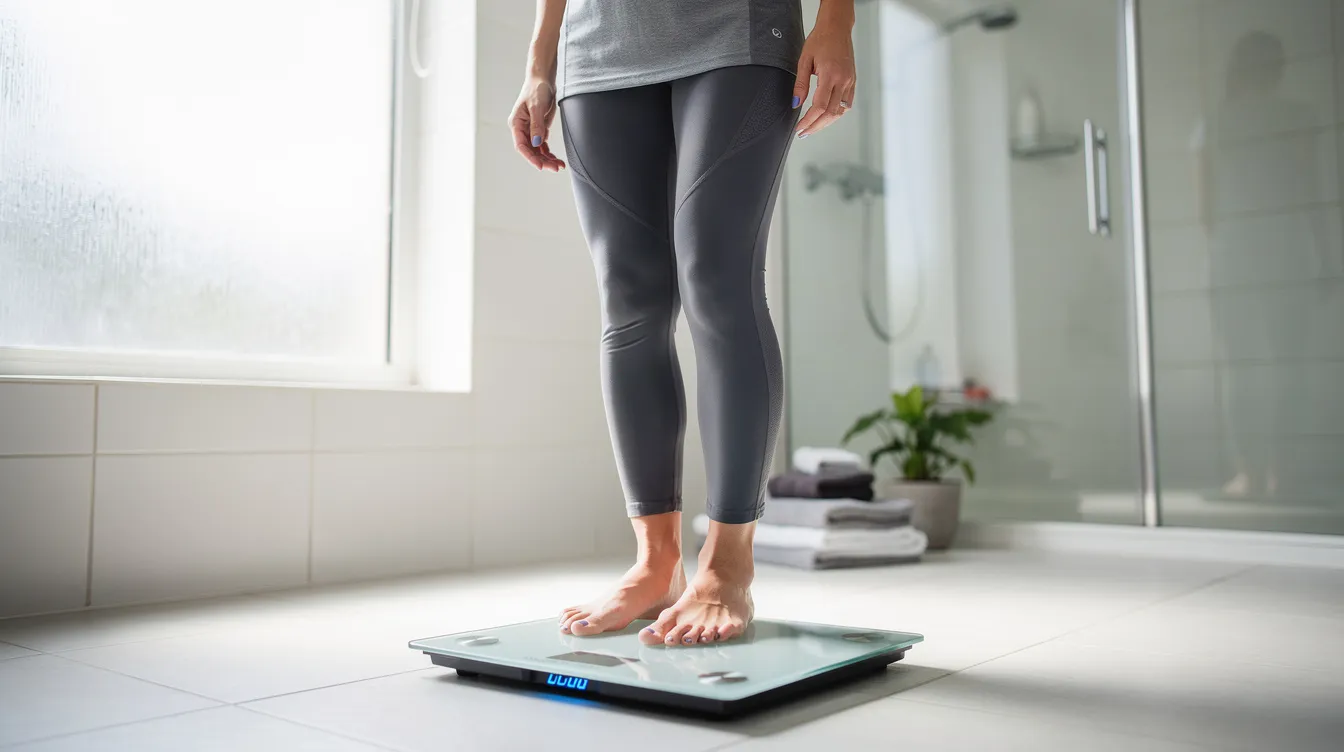
Gradual weight loss of 1-2 pounds per week is recommended. Clinical guidelines suggest a calorie deficit of 500–1,000 kcal/day to achieve this pace, sustained for up to six months before tapering. Losing weight faster than this increases risk of sagging skin, gallstones, and muscle loss.
How Much Loose Skin Should You Expect
There's no exact formula, but people who lose 100 pounds or more-or shed at least 50% of their excess body weight-are most likely to develop significant loose skin. Higher starting BMI and longer time spent overweight also predict worse skin outcomes.
To self-assess severity:
Use the pinch test: grab a skin fold and note its thickness, compressibility, and texture
Check whether the fold "bounces back" or stays creased
Look for crepey texture, visible stretch marks, or skin folds that drape over clothing lines
Consider body composition testing to distinguish remaining subcutaneous fat from true skin redundancy
Wait until your weight has been stable for at least six months before making judgments. Residual stubborn fat beneath the skin can mimic the appearance of loose skin.
Preventing Loose Skin While Losing Weight
Build Muscle Tone During Weight Loss
Muscle building through resistance training can improve body firmness but does not eliminate excess skin on its own. That said, growing the tissue underneath the skin fills out contours and makes moderate skin laxity far less noticeable.
Strength training should be done at least twice weekly, targeting all major muscle groups
Focus on compound exercises: squats and lunges (thighs, buttocks), deadlifts (posterior chain, core muscles), bench press (chest), rows and pull-ups (back), overhead press (shoulders, upper arms)
Use progressive overload-gradually increase weight, sets, or time under tension to stimulate growth in underlying muscles
Strength training can improve skin tightness within 3–6 months when combined with adequate nutrition.
Nutrition to Improve Skin Elasticity
What you eat directly supports skin health and repair:
Nutrient | Role | Daily Target |
|---|---|---|
Protein | Maintains lean tissue, supports collagen synthesis | 1.0–1.5 g per lb of goal weight |
Vitamin C | Essential for collagen production in skin | 75–90 mg (more during recovery) |
Collagen peptides | May improve skin elasticity within 12 weeks | 5–15 g supplementally |
Zinc, copper, vitamin A | Support wound healing and elastin production | From whole foods or multivitamin |
Hydration and nutrition support collagen synthesis and overall skin health. Healthy eating with adequate protein is especially critical after bariatric surgery or while using GLP-1 medications, when micronutrient deficiencies are common.
Be cautious with collagen peptides: evidence in the massive weight loss context is limited. Treat supplementation as supportive, not a standalone fix.
Lifestyle Habits That Help
Quit smoking. Smoking dramatically impairs collagen production and skin firmness. Cessation is one of the single most impactful changes.
Stay hydrated. Hydration improves skin elasticity and reduces sagging. While water alone won't reverse severe laxity, dehydration makes everything look and feel worse.
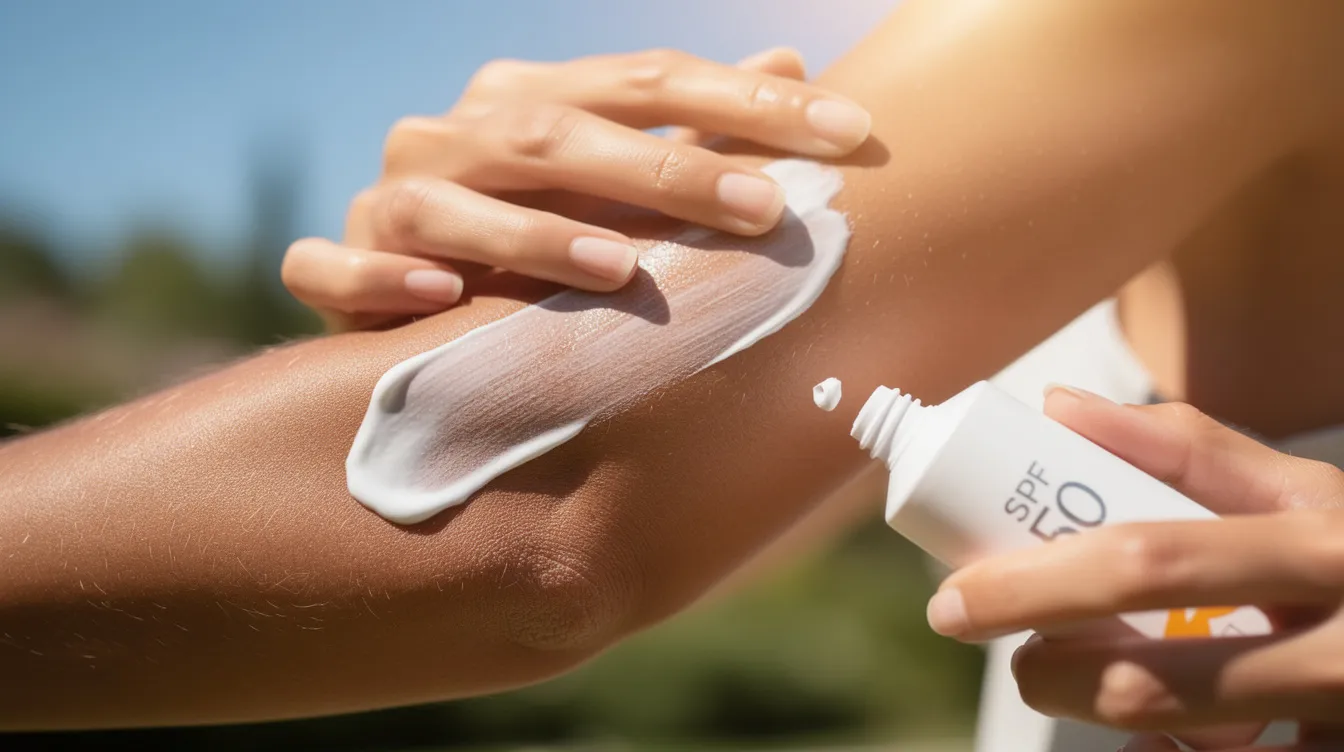
Protect from UV. Use SPF 30+ daily and wear protective clothing. Sun damage accelerates breakdown of collagen and elastin in underlying tissues, contributing to more loose skin over time.
Non-Surgical Ways to Improve Skin Elasticity
Topical Treatments and Massage
Retinoids (tretinoin, retinol) stimulate collagen production and can improve skin texture over several months. They work best on mild laxity and require gradual introduction to avoid irritation.
Moisturizers containing hyaluronic acid, niacinamide, peptides, and ceramides support barrier function and improve surface-level skin tightness. Firming creams may help subjective feel but won't resolve significant excess.
Massage improves circulation, lymphatic drainage, and may stimulate fibroblasts. Regular targeted massage can enhance skin elasticity modestly and reduce discomfort from skin folds.
Energy-Based Procedures and Laser Treatments
Energy-based skin tightening devices can stimulate collagen production, though results are best for moderate skin laxity:
Radiofrequency (RF): Radiofrequency treatments stimulate collagen production for skin tightening by heating the dermis. Systematic reviews show roughly 53% of participants report visible improvement, though study quality varies. Results are typically temporary, requiring maintenance sessions.
Ultrasound (Ultherapy): Ultherapy uses ultrasound waves to lift and tighten skin by targeting deeper tissue layers. Best evidence exists for face and neck; body applications are emerging but less proven.
Laser treatments like Fraxel improve skin texture and firmness through collagen remodeling. Multiple sessions are needed, and there's some risk of hyperpigmentation in darker skin tones.
Minimally Invasive Options
Microneedling with RF boosts collagen where needed most by creating controlled micro-injuries combined with radiofrequency energy. Best for mild to moderate laxity with moderate downtime.
Injectable biostimulators (e.g., poly-L-lactic acid) stimulate collagen production beneath sagging skin, providing gradual volume restoration. Results require maintenance and carry risks of nodule formation.
Non-surgical treatments work best for mild to moderate skin laxity. For significant loose skin, they serve as complements rather than replacements for surgery.
Surgical Solutions for Significant Excess Skin
Body Lift and Abdominoplasty Options
When excess abdominal skin hangs significantly, surgical intervention is often the most effective path:
Lower body lift (belt lipectomy): A body lift can remove skin around the hips and thighs in a single circumferential incision. Indicated for people with hanging skin around the entire torso after massive weight loss. Recovery: 4–6 weeks limited mobility, drains, compression garments.
Abdominoplasty: A tummy tuck removes excess skin from the abdomen and may include muscle plication to repair diastasis recti. Variants include full, extended, and fleur-de-lis techniques. Typical return to daily activities is around 2 weeks, with full activity at 6+ weeks.
Common body contouring procedures include abdominoplasty and brachioplasty. Scarring and recovery time are common considerations with surgical procedures, but for many patients the functional and psychological benefits outweigh these trade-offs.
Arm Lift (Brachioplasty), Thigh Lift, and More
Arm lift: An arm lift removes loose skin from the upper arms, with a scar running from armpit toward elbow. Requires stable weight and carries risk of seroma.
Thigh lift: A thigh lift removes excess skin from the inner thighs (or outer thighs in lateral procedures). Wound healing can be challenging due to friction in this area.
Breast lift (mastopexy) addresses sagging skin around breast tissue. Panniculectomy specifically removes a lower abdominal apron. Facelifts restore youthful contours to the face and neck. These can be staged or combined depending on patient health.
When to Consider Surgery and Insurance
Surgical options for loose skin are typically recommended when weight is stable. Functional criteria for referral include:
Recurrent rashes or infections unresponsive to conservative treatment
Impaired mobility or inability to exercise
Difficulty maintaining hygiene
Skin ulcers or chronic irritation beneath skin folds
For insurance coverage, document everything: medical records, photographs, and evidence of failed conservative treatment over several months. Most insurers cover panniculectomy (not abdominoplasty) when the pannus reaches below the pubic bone and causes documented functional impairment. Weight must typically be stable for 6+ months (12–18 months post-bariatric surgery).

Timeline, Expectations, and How Much Loose Skin Will Improve
Skin may tighten naturally over 12–24 months after weight loss as collagen remodeling continues for up to two years post-weight loss. Visible improvements can occur within 4–8 weeks of stable weight, though major changes take longer.
Severity | Expected Improvement | Best Approach |
|---|---|---|
Mild laxity | 20–30% reduction with natural methods, topicals, RF | Non-surgical |
Moderate laxity | Partial improvement; plateau after 12 months | Combined non-surgical + monitoring |
Severe excess | Minimal retraction without surgery | Surgical body contouring |
Skin may take 12-24 months to tighten after weight loss, so patience matters. Most surgeons require waiting 12–18 months post-bariatric surgery before performing elective skin removal.
Decision Guide: Which Path to Choose
Mild laxity: Start with topical treatments, lifestyle optimization, resistance training, and energy-based procedures. Monitor for 12–24 months.
Significant excess skin: Body contouring surgery is generally the most effective solution for substantial loose skin. Consult a board-certified plastic surgeon once weight is stable.
Major body lifts: Multidisciplinary planning involving plastic surgeons, nutritionists, and physiotherapists ensures the best skin outcomes. Pre-operative optimization (protein status, smoking cessation, comorbidity management) directly impacts healing.
Patient Prep, Recovery, and Long-Term Maintenance
Pre-op optimization:
Achieve and maintain stable weight for the required period
Correct nutritional deficiencies (protein, iron, B12)
Stop smoking at least 4–6 weeks before surgery
Complete psychological readiness assessment
Post-operative care:
Follow wound care and drain management protocols
Wear compression garments as directed
Limit lifting and heavy exertion for 4–6 weeks
Begin gentle movement early to reduce complication risk
Long-term maintenance:
Continue strength training to maintain muscle tone and prevent you from losing the improvements you've gained
Maintain a thin layer of healthy subcutaneous fat-don't over-cut calories
Use sun protection and topical retinoids to tighten skin and slow future degradation
Avoid weight cycling; if you gain weight and then lose it again, you risk more loose skin
FAQ and Quick Action Items
Does exercise tighten loose skin? Exercise helps indirectly. Building underlying muscles fills out contours and can improve the appearance of saggy skin. Strength training also boosts circulation, which supports skin health. However, exercise alone cannot eliminate loose skin when the dermal matrix is irreversibly stretched. It improves firmness-not redundancy.
How much weight predicts excess skin? People losing 100+ pounds or ≥ 50% of excess body weight are most likely to develop significant skin laxity. How much weight you started at, how long you carried it, and how quickly you lost weight all matter. Even those who lost weight more moderately can experience skin laxity depending on age and genetics.
Next steps if you're ready for evaluation:
Maintain stable weight for at least 6 months (18 months after bariatric surgery)
Document skin issues with dated photographs and medical notes
Consult a board-certified plastic surgeon to assess whether you need to remove excess skin surgically
If laxity is mild, explore non surgical treatments and nutrition optimization first
Start or continue resistance training-it's the single best natural method to enhance skin elasticity and improve how your body looks after weight loss
The path from weight lost to skin you feel confident in takes time. Give your body at least 12–24 months, fuel it with protein and nutrients that stimulate collagen production, and make informed decisions about whether natural methods or surgical intervention match your situation.
Frequently Asked Questions
Why does skin sometimes stay loose after weight loss?
Skin stretches to accommodate extra weight, and this stretching can damage collagen and elastin fibers in the dermis. Once fat is lost, the skin may not fully recoil because its structural proteins have been weakened, and factors like age, genetics, sun exposure, and how long the skin was stretched all influence the result.
Does losing weight gradually reduce the chance of loose skin?
Gradual weight loss gives the skin more time to partially adapt and remodel, which may reduce the extent of sagging compared with rapid loss. Clinical guidelines commonly suggest losing about 1 to 2 pounds per week, though this approach does not guarantee that loose skin will be avoided.
Can strength training prevent loose skin?
Resistance training can build muscle under the skin, which may improve firmness and make moderate skin laxity less noticeable. It does not eliminate excess skin on its own, but combined with adequate protein and nutrition it can support skin tightness and overall body contour during weight loss.
When should loose skin be considered a medical concern?
Loose skin becomes a medical issue when it causes chronic rashes, fungal or bacterial infections, skin ulceration, difficulty keeping the area hygienic, or impaired mobility. In these cases the problem is functional rather than purely cosmetic, and a healthcare provider should evaluate it.
How long should you wait after weight loss before judging excess skin?
It is generally advised to wait until your weight has been stable for at least six months before assessing loose skin. Residual subcutaneous fat can mimic the appearance of excess skin during early weight loss, so waiting allows a more accurate evaluation of true skin redundancy.


-2.jpg?width=2000&height=2000&name=Copy%20of%20YouTube%20Thumbnail%20-%20Life-Changing%20Cosmetic%20Surgery!%20(Document)-2.jpg)


