Learn more: Body Contouring at Leva Medical
Key Takeaways
Male liposuction is a body contouring plastic surgery procedure that removes localized fat deposits from areas like the abdomen, flanks, and chest through small incisions, with most men returning to desk work within 3–7 days
The best candidates are men near their target weight with stubborn fat that won’t respond to diet and exercise, who can commit to a healthy lifestyle afterward
Choosing a board certified plastic surgeon experienced in male anatomy is essential for safe, natural-looking results that emphasize masculine physique
Costs in 2026 typically range from $3,500 to $10,000+ depending on treatment areas, technique, and geographic location, with financing often available
Results can be long-lasting if you maintain a stable weight, but liposuction will not fix loose skin or replace regular exercise
What Is Male Liposuction?
Male liposuction is a surgical procedure that removes localized excess fat through small incisions using a thin tube called a cannula. This cosmetic surgery has become one of the most common procedures for men in urban centers like New York, Los Angeles, and Miami, with thousands of cases performed annually across the U.S.
The liposuction procedure specifically targets stubborn fat deposits resistant to traditional weight loss methods. Liposuction is highly effective in targeting and removing stubborn fat pockets, enhancing the body’s natural contours, and is not a solution for overall weight loss. The procedure is usually performed as an outpatient procedure under local sedation or general anesthesia and typically lasts 1 to 4 hours.
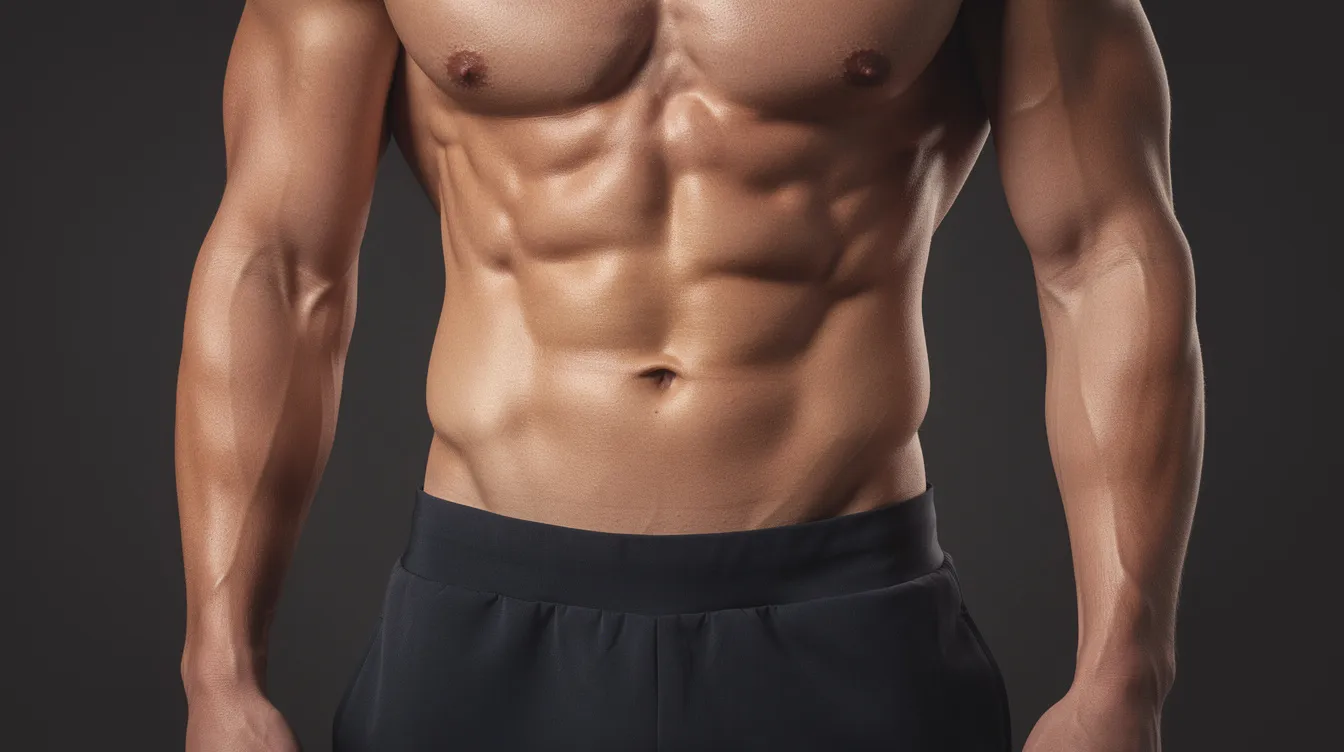
Male aesthetics differ from female goals. Surgeons aim for straighter waists, flatter chests, and more angular jawlines rather than hourglass curves. Liposuction can create sharper lines and V-shaped torsos, distinguishing it from techniques used primarily for female patients.
Best Candidates for Male Liposuction
The best candidates for this male liposuction procedure are men close to their ideal body weight—typically within 10–20 pounds—but struggling with stubborn areas that resist a balanced diet and exercise routine.
Key criteria include:
Good general health with no uncontrolled conditions like diabetes or heart disease
Non-smoker or willing to quit several weeks before and after surgery
Stable weight maintained for at least 6–12 months
Realistic expectations for contour improvement, not dramatic BMI changes
Candidates for liposuction should look for board-certified plastic surgeons who specialize in male anatomy. Good skin elasticity leads to smoother results; men with significant skin laxity from massive weight loss may need additional procedures like a tummy tuck.
Common Treatment Areas on the Male Body
Liposuction for men can address almost any area with subcutaneous fat, but certain zones are requested most frequently.
Liposuction for men is commonly performed on the abdomen, flanks, back, neck, and chin, as well as the upper arms, thighs, buttocks, knees, and hips. Common areas of concern for male liposuction include gynecomastia, chest, arms, legs, abdomen, back, and flanks.
The abdomen and love handles represent the most popular treatment area combination, creating a flatter stomach and narrower waistline. Liposuction can effectively treat gynecomastia, which is the condition of enlarged male breasts, by removing unwanted fat to achieve a flatter chest. True glandular gynecomastia may require additional surgical excision.
Multiple areas can be treated during a single liposuction surgery if the combined fat volume remains within safe limits, typically 2–5 liters per session.
How the Male Liposuction Procedure Works
Understanding the liposuction procedure helps set proper expectations for your surgical experience.
Anesthesia options include local anesthetic with sedation for smaller areas or general anesthesia for extensive fat removal across multiple zones. Tumescent liposuction serves as the modern standard, involving injection of a tumescent solution containing saline, lidocaine, and epinephrine to minimize bleeding and provide numbing.
The basic steps involve marking treatment areas, creating millimeter-sized small incisions, inserting the cannula, using controlled suction passes to remove fat, and closing the tiny incisions with tape or sutures.
Preoperative Evaluation and Male Liposuction Consultation
During your initial consultation, expect a thorough review of your medical history, current medications, prior surgeries, and lifestyle factors including smoking habits and exercise routine.
The surgeon evaluates specific areas of concern, skin quality, and fatty deposits distribution while taking standardized photos for planning. Bring clear goals—whether wanting a flatter chest by summer or a narrower waist for better suit fit.
Lab work and medical clearance may be required for older male liposuction patients or those with health conditions. The consultation also addresses whether combination procedures like abdominoplasty might provide better results than liposuction alone.
Different Types of Liposuction for Men
Several techniques exist for removing stubborn fat deposits:
Technique | How It Works | Best For |
|---|---|---|
Traditional liposuction | Cannula and vacuum suction | General fat removal |
Tumescent liposuction | Fluid injection before suction | Reduced blood loss, safety |
Power assisted liposuction | Oscillating cannula (MicroAire) | Dense, fibrous male fat |
Ultrasound assisted liposuction | Sound waves break down fat (VASER) | Flanks, back, precision work |
Laser assisted liposuction | Laser energy liquefies fat | Mild skin tightening |
Techniques like VASER (ultrasound-assisted) or MicroAire (power-assisted) are commonly used for better, faster, and more precise liposuction results. Surgeons often use tumescent liposuction or high-definition techniques to break down stubborn fat cells. Advanced techniques like High-Def liposuction can reveal underlying muscularity, helping achieve a V-shaped torso.
The surgeon’s expertise determines which technique or combination suits your anatomy and goals.
Recovery and Results After Male Liposuction
Most patients return to desk work within 3–7 days, with full normal activities resuming over several weeks. After liposuction, patients can typically return to work within a few days, but strenuous activities should be avoided for approximately two weeks.
Early postoperative symptoms include swelling, bruising, and moderate pain or soreness, especially during the first 7–10 days. Compression garments are recommended to be worn for several weeks post-surgery to help minimize swelling and bruising and to support the healing process.
Light walking is encouraged within 24–48 hours. Expect to see early contour improvement within days, clearer results by 4–6 weeks as swelling subsides, and final refinement by 3–6 months. Patients may experience swelling and bruising for several weeks after the procedure, with full results becoming visible typically within three to six months as swelling subsides.
Pain Management, Scarring, and Safety
Pain is usually moderate soreness rather than sharp discomfort. Most men manage with prescribed pain medication for a few days before transitioning to over-the-counter options.
Incisions are very small—often 3–5 mm—and placed in natural creases, fading significantly over 6–12 months. Common risks of liposuction include infection, bleeding, and adverse reactions to anesthesia. Patients should select a board-certified plastic surgeon in an accredited facility to reduce risks associated with liposuction.
Follow all postoperative instructions carefully and attend all follow up appointments. Report unusual symptoms like increasing redness or fever immediately.
Male Liposuction Cost and Financing
The average cost of liposuction for men typically ranges from $3,500 to $10,000 depending on various factors such as the treatment area and the surgeon’s expertise. On average, liposuction costs can range from $2,000 to $10,000 per treatment area, with significant variation based on specific circumstances.
Factors influencing the cost of male liposuction include:
Extent of procedure and number of areas treated
Specific technique used (VASER or laser adds premiums)
Geographic location (higher in major cities)
Surgeon’s expertise and reputation
Quoted prices typically include surgeon’s fee, anesthesia, facility fees, compression garment, and standard follow up appointments. Ask for a detailed written estimate during your male liposuction consultation. Many practices offer financing through medical credit companies or in-house payment plans.
Choosing a Board Certified Plastic Surgeon
Your outcomes depend heavily on selecting the right surgeon for this plastic surgery procedure.
Verify board certification through professional board websites to ensure accredited training. Look for a robust portfolio of before-and-after photos of male liposuction patients, especially in areas matching your concerns.
Evaluate communication during consultation—the surgeon should listen carefully, explain risks honestly, and avoid pressuring you into unnecessary procedures. Check independent reviews and speak with former patients when possible about their experience with the practice.
Maintaining Results With a Healthy Lifestyle
To maintain the results of liposuction, it is crucial to adopt a healthy lifestyle that includes regular exercise and a balanced diet. Fat removed during the procedure is gone permanently, but remaining fat cells can still enlarge.
Maintaining a stable weight is essential to preserving the benefits of liposuction, as gaining weight can affect results by causing fat cells in untreated areas to expand. Experts recommend following a diet where 80% of the food consumed consists of fresh, unprocessed whole foods, while the remaining 20% can include favorite treats to help maintain weight after liposuction.
A sustainable approach includes:
At least 150 minutes weekly of moderate cardio
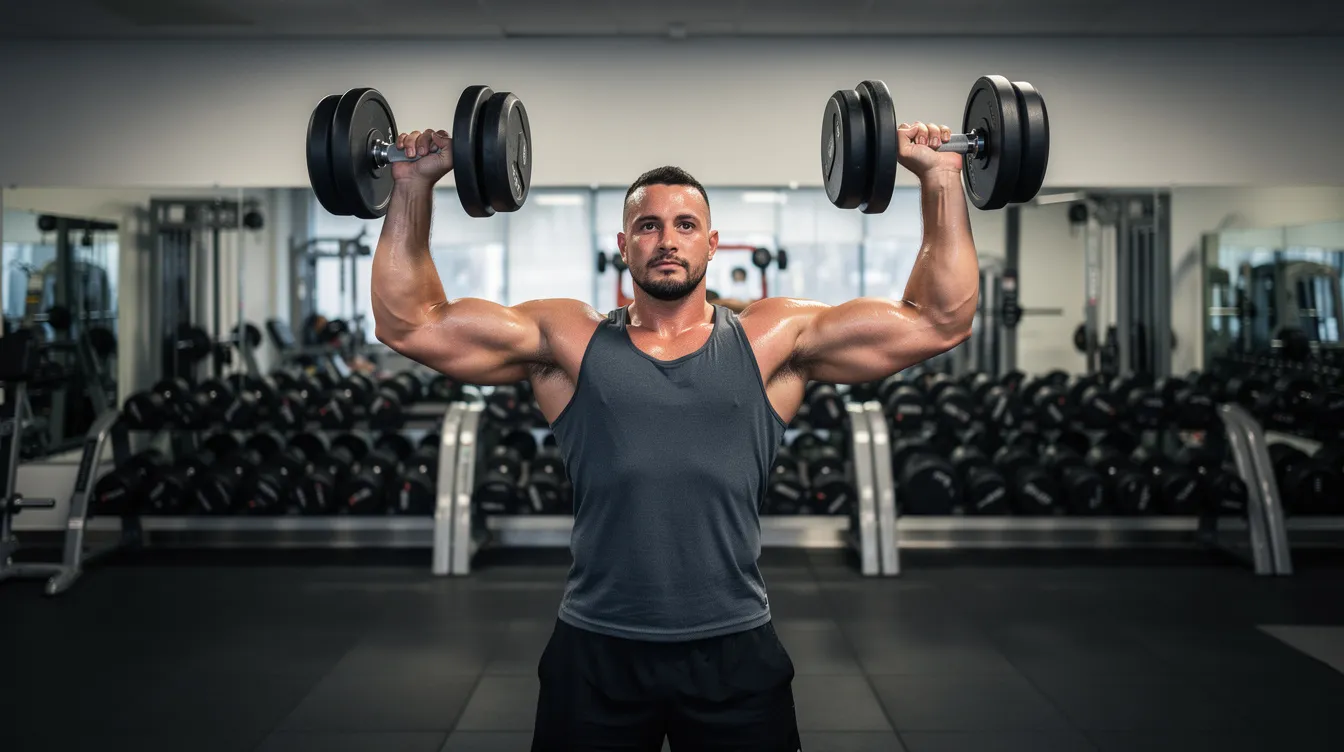
2–3 days of strength training to support muscle definition
7–9 hours of sleep per night
Limited alcohol and no smoking or vaping
Liposuction can help achieve a more sculpted and toned masculine physique by removing stubborn fat deposits that are resistant to diet and exercise. Many men report increased self esteem and confidence after achieving their desired body contours through liposuction. View male liposuction as a strategic boost to your efforts, not a replacement for consistent healthy choices.
FAQs About Liposuction for Men
How much fat can safely be removed during male liposuction?
Safety guidelines typically limit fat removed to about 2–5 liters (roughly 4–11 pounds) per session. Removing more increases risks like fluid shifts and blood loss. Men needing extensive fat reduction may stage procedures over time or combine liposuction with physician-supervised weight loss strategies.
Can liposuction for men fix loose skin or stretch marks?
Liposuction removes excess fat but does not directly tighten significantly loose skin or erase stretch marks on the male body. Men with good skin elasticity may see natural retraction, while those with major laxity may need additional procedures like abdominoplasty or chest lifts.
When can I go back to the gym after male liposuction?
Light walking starts within 24–48 hours. Gentle cardio resumes after one to two weeks, with gradual return to weight training between two to four weeks. Heavy lifting, high-intensity intervals, and contact sports typically wait until 4–6 weeks post-procedure with surgeon clearance.
Will the fat come back after male liposuction?
Fat cells removed during liposuction do not regenerate, making reduction in treated areas permanent. However, remaining fat cells can enlarge with weight gain, potentially changing body proportions. Maintaining a stable weight through a healthy lifestyle preserves your sculpted contours long-term.
Is male liposuction different from female liposuction in terms of technique?
The core surgical tools are similar, but the artistic approach differs significantly. Male fat tends to be thicker and more fibrous, requiring 20–30% more force during removal. Surgeons emphasize straighter waists, flatter chests, and angular features rather than curves, making experience with male aesthetics essential for optimal results.


-2.jpg?width=2000&height=2000&name=Copy%20of%20YouTube%20Thumbnail%20-%20Life-Changing%20Cosmetic%20Surgery!%20(Document)-2.jpg)


