If you've spent months doing squats, lunges, and cardio only to find that your inner thighs haven't changed shape, you're not imagining things. Inner thigh fat is notoriously resistant to lifestyle-based interventions. This guide covers everything you need to know about liposuction for inner thighs-from the consultation process and surgical technique to recovery, risks, cost, and how to find the right surgeon for the job.
Learn more: Body Contouring at Leva Medical
Overview of Inner Thigh Liposuction
Inner thigh liposuction is a cosmetic procedure designed to remove localized fat deposits along the medial thigh area. The goal is precision contouring-not weight loss. Liposuction is not a weight loss procedure but rather a refinement of shape for patients whose inner thigh fat persists despite a balanced diet and regular exercise.
This cosmetic surgery addresses several concerns:
Excess volume creating a heavy or disproportionate inner thigh area
Chafing and discomfort from thighs rubbing together during movement
Poor leg proportions relative to the rest of the body
Fat accumulation extending into the inner knee or upper inner thigh
The procedure typically lasts 1 to 2 hours, and inner thigh liposuction removes stubborn fat for better leg contour while also enhancing comfort by reducing thigh chafing during movement.
Why Inner Thigh Fat Is Stubborn
Stubborn thigh fat isn't a motivation problem-it's a biology problem. Several factors explain why the inner thighs resist fat loss:
Genetics: Hundreds of genetic loci influence where your body stores fat. Some people are genetically predisposed to carry more subcutaneous fat in the gluteofemoral region (hips, thighs, legs), regardless of BMI.
Hormones: Estrogen drives fat storage in the thighs and hips after puberty, particularly in women. Hormonal shifts during menopause can further redistribute fat but rarely eliminate existing thigh fat deposits.
Lipolytic resistance: Adipocytes in the inner thigh area are less responsive to lipolytic stimuli than abdominal or visceral fat cells. This means spot reduction through diet and exercise is physiologically inefficient.
The takeaway: you can reduce overall body fat through a healthy lifestyle, but selectively eliminating stubborn fat deposits from the inner thighs is not something diet and exercise alone can accomplish. Liposuction targets specific fat areas unlike diet and exercise, which is why it remains the gold standard for this concern.
Inner Thigh Liposuction Consultation: What To Expect
Your inner thigh liposuction consultation is the most important step before surgery. Here's how to prepare:
Documents and photos to bring:
Recent full-body photos (front, side, back) in minimal clothing
Photos showing thigh-fat distribution relative to knees and hips
Your complete medical history, including medications and prior surgeries
What the surgeon evaluates during the physical exam:
Skin elasticity via pinch test and tissue mobility
Fat texture-soft versus fibrous
Presence of cellulite, lipedema, or stretch marks
Continuity of fat across the knee, inner thigh, and outer thigh
Candidates should be in good overall health before surgery, and patients must have realistic expectations about the procedure's outcomes.
Questions to ask your surgeon:
What technique will you use (suction, ultrasound, laser, power assisted liposuction)?
How many incisions, and where will scars be placed?
How much skin tightening should I expect?
Can I see before-and-after photos of patients with a similar build?
What is the full recovery period timeline?
How Inner Thigh Lipo Works
At its core, thigh lipo removes subcutaneous fat through small incisions using a thin tube called a cannula. The procedure involves mechanical or energy-enhanced disruption of fat, followed by aspiration. The goals are volume reduction, contour smoothing, and natural looking results across the thigh area.
Energy-based versus suction techniques:
Technique | How It Works | Best For |
|---|---|---|
Traditional SAL | Manual cannula with suction | Straightforward fat removal |
Power assisted liposuction (PAL) | Oscillating cannula disrupts fat | Reducing surgeon fatigue, faster procedures |
Ultrasound (VASER/UAL) | Ultrasound waves liquefy fat | Fibrous inner thigh tissue, skin tightness improvement |
Laser-assisted (LAL) | Laser energy emulsifies fat | Smaller volumes, collagen stimulation |
VASER and ultrasound-based techniques are increasingly popular for inner thigh lipo because the tissue here tends to be denser and more fibrous than other areas.
Procedure Steps for Inner Thigh Liposuction
Anesthesia: Liposuction can be performed under local, twilight, or general anesthesia. For inner thigh liposuction alone, many plastic surgeons prefer IV sedation or general anesthesia due to the sensitivity of the treated area. Local anesthesia with tumescent technique may suffice for smaller-volume cases.
Tumescent infiltration: A solution of saline, lidocaine, and epinephrine is injected into the thigh area. This numbs the tissue, minimizes bleeding, and separates fat for easier removal. Volume is often substantial-sometimes two to three times the expected aspirate.
Cannula insertion and fat removal: Through only small incisions (typically 3–5mm), the surgeon inserts a thin tube and performs multiple crisscrossing passes to aspirate fat evenly. This technique helps avoid contour irregularities and produces smoother results.
Incision placement strategy: Incisions are placed along the groin crease, inner thigh fold, or natural skin borders where visibility is minimal. Minor surgical scarring is common but can be minimized with small incisions placed in these discreet locations.
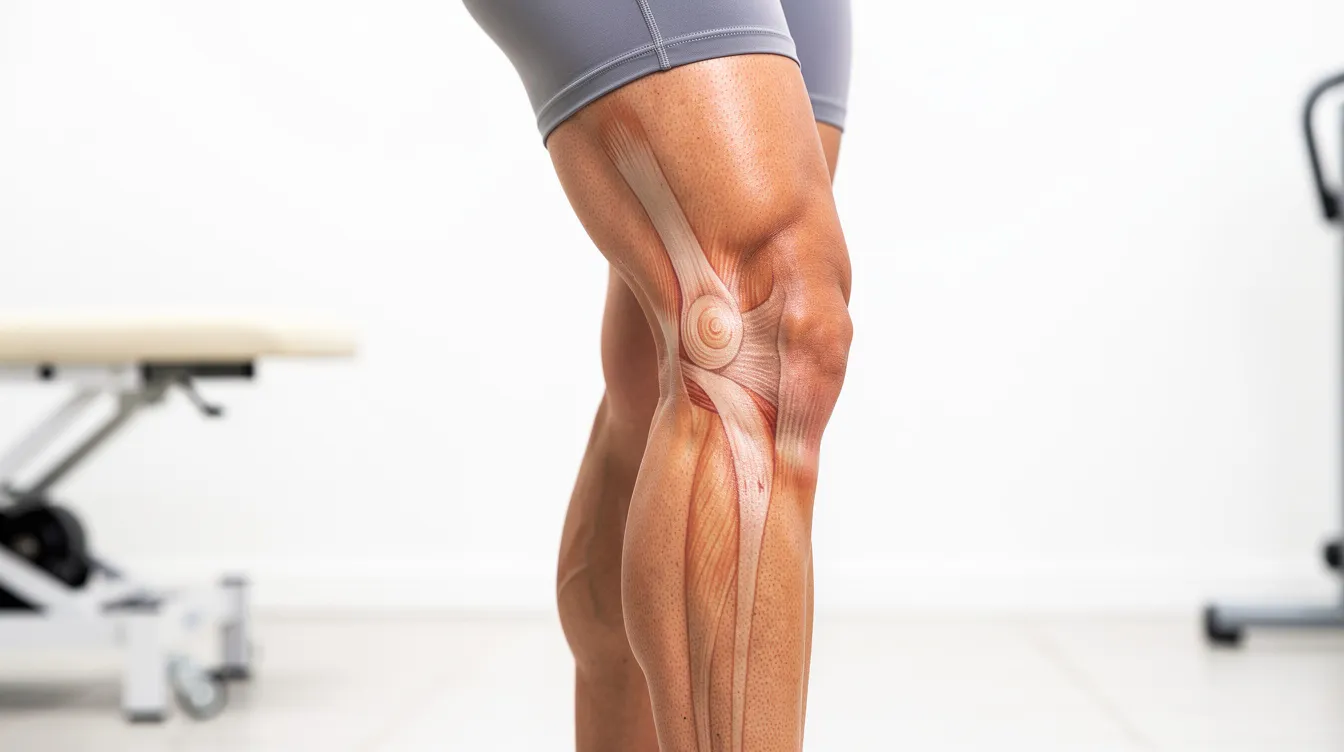
Cannula Size, Positioning, and Inner Knee Considerations
Microcannulas (2–3mm diameter) are recommended for the inner thighs to avoid dimpling, surface ripples, and topographical deformities. Larger cannulas remove volume faster but increase the risk of irregular contours.
For full medial thigh coverage, the patient may need repositioning during surgery-supine for the anterior and medial thigh, and lateral positioning for the posterior inner thigh. This ensures uniform fat removal across the entire zone.
When contiguous fat extends into the inner knee, treating only the thigh can leave visible contour steps. Many surgeons plan combined knee liposuction during the same session. The inner knee area requires conservative treatment given its sensitivity and proximity to lymphatic and vascular structures.
Treating Outer Thigh and Inner Knees Together
Many patients with inner thigh fat also carry adiposity in the outer thigh (saddlebags) and inner knee. Treating these zones separately can create abrupt transitions-a "step off" between treated and untreated areas.
Surgeons address this by mapping the entire transition from inner knee through inner thigh to outer thigh during preoperative markings. Treating the full continuous area when indicated produces a more balanced appearance and a sculpted silhouette. The key is gradual tapering of fat removal volume across zones, working both superficial and deep fat layers for seamless contour.
Recovery Period and Aftercare
Thigh liposuction surgery recovery follows a predictable timeline, though individual variation exists.
Week-by-week overview:
Days 1–3: Significant swelling and bruising are normal during recovery after liposuction. Patients may experience mild swelling and soreness. Most patients return to light activities within 3 to 5 days.
Weeks 1–2: Swelling and bruising are common for several weeks post-surgery. Temporary numbness or changes in sensation can occur in treated areas as nerves heal. Fluid accumulation may occur post-surgery and can require drainage.
Weeks 4–6: Full recovery after thigh liposuction typically requires four to six weeks. Strenuous exercise is reintroduced gradually, usually around week 4–6.
Compression garments: Wearing compression garments is critical for controlling swelling, helping skin tighten smoothly, and reducing fluid buildup. Wearing a compression garment is recommended for at least two weeks, though many surgeons advise 4–6 weeks of continuous use.
Activity: Early walking is encouraged from day one to lower the risk of deep venous thrombosis. Avoid heavy lower-body exercise until cleared by your surgeon.
For a smooth recovery, follow your surgeon's personalized treatment plan closely and attend all follow-up appointments.
Results: Achieve Sleek, Defined Thighs
Liposuction provides immediate results unlike non-surgical methods-you'll notice a noticeable refinement in thigh contour within weeks after surgery. However, final results from thigh liposuction become visible as swelling resolves over several months. Final results are typically visible within three to six months.
Fat cells removed during liposuction are gone permanently. Liposuction results are long-lasting if weight is stable. However, remaining fat cells can enlarge with significant weight gain, and that weight often appears in untreated areas first. Maintaining a stable weight through a balanced diet and healthy lifestyle is essential.
Good skin elasticity improves liposuction results significantly. Patients with firm, elastic skin see better contraction and smoother final contours. Those with poor skin elasticity may need additional interventions like a thigh lift to achieve their desired outcome.
Risks and Complications
Surgery carries inherent risks such as bruising, swelling, and contour irregularities. Here's what to watch for:
Common side effects: Bruising, swelling, minimal discomfort, temporary numbness. Research shows approximately 75% of patients describe pain as mild to moderate, with 60% needing pain medication for fewer than 7 days.
Contour irregularities: Up to 9% of patients may experience surface irregularities-depressions, folds, or ripples-especially with aggressive removal or large cannulas.
Skin laxity: Patients with thin, inelastic skin risk loose skin or sagging skin folds after liposuction.
Serious but rare complications: Deep venous thrombosis, infection, seroma, hematoma, lidocaine toxicity. In a large sample of over 246,000 outpatient liposuction cases, the overall complication rate was just 0.40%.
Cellulite: Liposuction does not treat cellulite and may not improve its appearance.
Access to board-certified surgeons is essential for minimizing risks associated with liposuction. If you notice unusual symptoms during recovery, contact your surgeon promptly.
Is Inner Thigh Liposuction Right For Most Patients?
Ideal candidate characteristics:
Close to a stable weight (within ~10% of goal)
Good skin elasticity in the thigh area
Localized stubborn fat deposits resistant to diet and exercise
Non-smoker (non-smokers generally see better results from liposuction)
Good overall health without uncontrolled medical conditions
Realistic expectations about outcomes, scarring, and downtime
Contraindications include:
Poor skin elasticity or significant skin excess (may need a thigh lift instead)
Unstable weight or active attempts to lose weight
Pregnancy
Uncontrolled diabetes or coagulopathies
Prior surgeries that compromised blood supply or lymphatic drainage in the area
Setting realistic expectations is critical. Inner thigh liposuction improves contour but does not guarantee a specific thigh gap or flawless skin texture.
Minimally Invasive Alternatives and Options
Not every patient needs-or wants-surgery. Here are alternatives:
Laser liposuction: A minimally invasive procedure using laser energy through smaller cannulas. Offers some skin-tightening benefit and suits modest fat volumes. Thigh liposuction offers precise shaping for better leg contours compared to non-surgical options.
Cryolipolysis (CoolSculpting): FDA-cleared for thigh fat bulges. Effective for small-to-moderate stubborn fat deposits, but results are less dramatic and slower. Non-surgical options often require multiple sessions for minimal results.
Radiofrequency/ultrasound contouring: May help with mild cases and skin contraction. Results are variable and typically adjunctive rather than standalone.
These alternatives suit patients avoiding downtime, but they cannot match the fat removal capacity or immediacy of surgical liposuction.
Combining Procedures: Thigh Lift Versus Inner Thigh Liposuction
When skin laxity is significant-common after massive weight loss or aging-liposuction alone won't address sagging skin. A thigh lift (medial thighplasty) involves excising excess skin and tightening underlying tissue.
When to combine both: A systematic review found that liposuction-assisted medial thighplasty had significantly lower complication rates compared to thigh lift alone-36.75% versus 70.68%. Reducing fat volume first decreases tension on surgical closures.
Scar tradeoffs: A thigh lift introduces longer scars along the groin crease and inner thigh. Liposuction alone leaves only small incisions. The right choice depends on whether your primary concern is excess fat, loose skin, or both.
Recovery tradeoffs: A combined procedure means longer downtime-typically 6–8 weeks-compared to 4–6 weeks for liposuction alone. Discomfort is also greater, and wound healing requires closer monitoring.
Cost, Financing, and Choosing the Right Surgeon
Cost range for inner thigh liposuction:
Treatment Area | Estimated Cost (USD) |
|---|---|
Inner thighs alone | $5,500–$7,500 |
Inner + outer thighs | $5,500–$8,500 |
Full thigh + knee zones | $6,000–$9,500 |
VASER inner/outer thigh | $4,500–$8,000 |
Factors that influence total cost: Surgeon expertise, facility fees, anesthesia type, geographic location, technology used, extent of treatment, and whether combined procedures are needed.
Financing: Flexible payment plans can help manage liposuction costs. Many practices accept third-party medical financing. Insurance rarely covers cosmetic liposuction procedures, so confirm all-inclusive pricing at your consultation.
Thigh liposuction choosing the right surgeon: Verify board certification (American Board of Plastic Surgery). Review before-and-after photos of patients with builds similar to yours. Ask about annual procedure volume and facility accreditation.

FAQs to Address Patient Concerns
How painful is the procedure? Most patients report mild to moderate discomfort in the first week. Surveys show approximately 75% describe pain as manageable, and about 60% need pain medication for fewer than 7 days. Your surgeon will prescribe appropriate medication for minimal discomfort during early recovery.
When can I return to work? Desk work is often possible within 48–72 hours. Return to strenuous exercise is typically around week 4–6. A few weeks of modified activity is standard.
Will I have visible scars? Incisions are small (3–5mm) and placed in the groin crease or inner thigh fold. Scar visibility decreases over months and is typically minimal in most patients, though healing depends on skin tone and individual biology.
Will the fat come back? Removed fat cells are permanently gone. However, remaining fat cells can enlarge with significant weight gain. Research shows approximately 43% of patients gain 5–10 pounds within six months of surgery, and about 65% notice fat return in untreated areas like the abdomen.
Next Steps: Schedule an Inner Thigh Liposuction Consultation
Your consultation preparation checklist:
[ ] Gather recent full-body photos showing your thigh area from multiple angles
[ ] Compile your complete medical history and medication list
[ ] Write down your goals and specific concerns about your inner thighs
[ ] Prepare questions about technique, recovery, and expected outcomes
[ ] Research surgeon credentials and review before-and-after galleries
[ ] Confirm financing options and request an all-inclusive quote
Whether you're ready to move forward or still exploring, scheduling an in-person or virtual consultation is the best way to get a personalized treatment plan based on your anatomy, skin quality, and goals. A qualified plastic surgeon can evaluate whether inner thigh liposuction, a thigh lift, or a combination approach will deliver the defined thighs and balanced appearance you're looking for.
Frequently Asked Questions
Why doesn't diet and exercise eliminate inner thigh fat?
Inner thigh fat is biologically resistant due to genetics, hormones, and the fat cells' reduced responsiveness to fat-loss stimuli compared to other body areas. While overall body fat can decrease through lifestyle changes, selectively removing stubborn inner thigh deposits requires targeted intervention like liposuction.
How long does inner thigh liposuction surgery take?
The procedure typically lasts 1 to 2 hours. Duration depends on the volume of fat to be removed, the technique used, and whether additional body areas are treated simultaneously during the same surgical session.
What types of anesthesia are used for this procedure?
Inner thigh liposuction can use local anesthesia with tumescent technique for smaller cases, or IV sedation and general anesthesia for larger procedures. Many surgeons prefer IV sedation or general anesthesia for inner thigh work due to tissue sensitivity in this area.
How visible will scars be after inner thigh liposuction?
Incisions are typically small (3-5mm) and placed discreetly along the groin crease, inner thigh fold, or natural skin borders to minimize visibility. Minor scarring is common but can be reduced with proper incision placement and small cannula sizes.
What should I bring to my consultation?
Bring recent full-body photos from multiple angles in minimal clothing, images showing thigh fat distribution, and your complete medical history including medications and prior surgeries. These help the surgeon evaluate candidacy and plan the procedure.


-2.jpg?width=2000&height=2000&name=Copy%20of%20YouTube%20Thumbnail%20-%20Life-Changing%20Cosmetic%20Surgery!%20(Document)-2.jpg)


