If you're preparing for liposuction or another body contouring procedure, your surgeon has probably already mentioned one item that will become your constant companion during recovery: the compression garment. This guide walks you through everything you need to know-what these garments do, how long to wear them, how to pick the right one, and how to troubleshoot common issues along the way.
Learn more: Body Contouring at Leva Medical
Executive Summary: Liposuction Compression Garments
A liposuction compression garment applies consistent pressure to treated areas, and it plays a direct role in reducing swelling, minimizing bruising, supporting skin retraction, and preventing fluid accumulation beneath the skin. Compression garments are critical for optimal healing after liposuction, and most plastic surgery societies recommend wearing them for at least six weeks post surgery. Many patients report that wearing them consistently leads to smoother, more even results once final contours emerge.
What Is a Compression Garment?
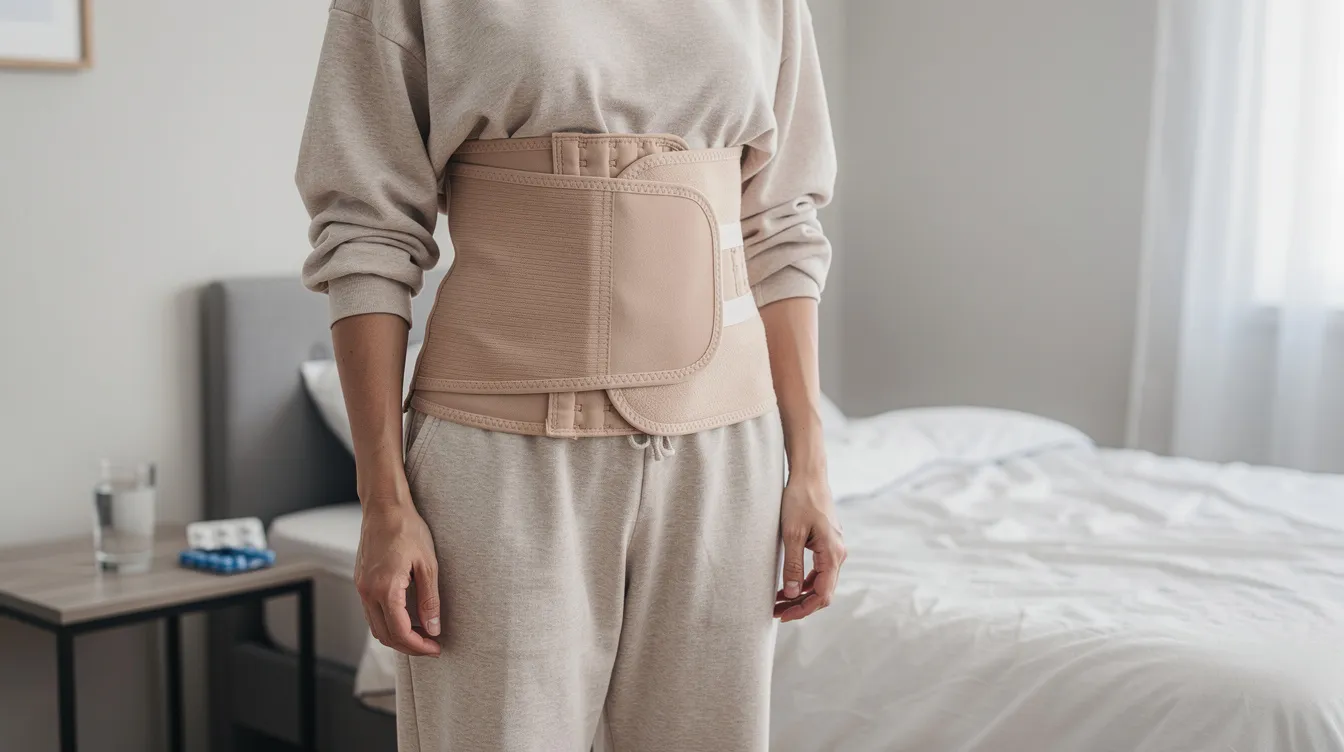
A compression garment is an elastic, form-fitting piece of clothing designed to apply controlled, even pressure over a specific area of the body. For liposuction patients, its primary purpose is to reduce the space where fluid and blood can collect after fat removal, and to help the skin adapt to its new contour.
Medical-grade compression garments apply controlled pressure for healing using specially engineered fabrics. They are typically made from latex, nylon, or elastic materials-often blended with spandex for stretch and recovery. Closures like zippers, hooks, or adjustable straps make the garment easier to put on and take off while you're still swollen and sore.
How Compression Garments Aid the Healing Process
The healing process after liposuction involves tissue repair across multiple layers. Compression garments support that process in several interconnected ways:
They reduce post-surgical swelling and inflammation by limiting how much fluid and blood leak into surrounding tissue.
They improve blood circulation and support tissue healing after surgery, promoting faster resolution of edema.
Wearing compression garments can minimize bruising and hematoma formation by applying steady pressure to damaged capillaries.
They help the skin retract smoothly to new body contours, which is essential for avoiding irregularities.
The right garment helps prevent skin irregularities and aids in aesthetic results by keeping tissue planes aligned during recovery.
Proper compression may lower the risk of fluid collections after surgery, including seroma.
Compression can also improve circulation during recovery, which matters because blood flow to healing tissue is what delivers oxygen and nutrients needed for repair.
Compression Garments and Reducing Post-Procedure Swelling
When a cannula passes through fat during liposuction, it disrupts blood vessels, lymphatic channels, and tissue planes. The body responds with inflammation-flooding the area with fluid. A compressive garment counters this by limiting capillary leakage, promoting venous and lymphatic outflow, and eliminating dead space where fluid would otherwise pool.
In a proof-of-concept clinical study of a garment incorporating silicone drainage strips aligned with lymphatic pathways, patients wearing the enhanced garment showed a mean limb circumference decrease of approximately 8.68 cm by day 30, compared to roughly 6.40 cm with a standard garment. While not all studies agree on every outcome (some systematic reviews note uncertain evidence for seroma prevention specifically), the mechanism for reducing swelling is well supported in the literature.
When To Wear Compression Garments After Liposuction
The general guideline is to wear compression garments for at least six weeks post-surgery. Here is what that typically looks like in practice:
Stage 1 (weeks 1–2): Garments should be worn 24/7 for the first few weeks after liposuction. Stage 1 garments are firmer and worn immediately after surgery. You remove them only for showering (once your doctor clears you, usually 24–48 hours post-op). Stage 1 garments are worn 24/7 for one to two weeks.
Stage 2 (weeks 3–6): Stage 2 garments are less firm and worn after initial recovery. You transition to daytime wear-roughly 12 to 18 hours per day. Stage 2 garments are typically worn for two to six weeks.
Extended wear: Some surgeons recommend wearing garments for up to eight weeks, especially after larger-volume procedures like lipo 360 or multi-area body contouring procedures.
Optimal recovery requires following specific instructions from your surgeon regarding garments. Patient healing rates, skin quality, and the extent of surgery all affect how long you should wear yours.
Choosing the Right Compression Garment
Selecting the right compression garment starts with consulting your plastic surgery provider. They will recommend a garment type and pressure level based on your procedure.
Here's what to prioritize:
Material: Breathable, medical-grade fabrics enhance comfort during extended garment wear. Look for nylon-spandex blends or powernet mesh with moisture-wicking properties, especially if you live in a warm climate. Thick cotton linings can help prevent irritation at incision sites.
Compression level: Early post-op (Stage 1) generally calls for firm pressure in the range of 20–30 mmHg. Later stages use moderate pressure (15–20 mmHg). Too little compression fails to control swelling; too much risks restricting blood flow or damaging skin.
Closure style: Zippers and hooks make donning and doffing easier when movement is limited. An open crotch design is practical for hygiene, especially in garments covering the abdomen and legs.
Adjustable features: Look for garments with adjustable straps or panels so the fit can be modified as swelling decreases.
Types of Liposuction Compression Garments
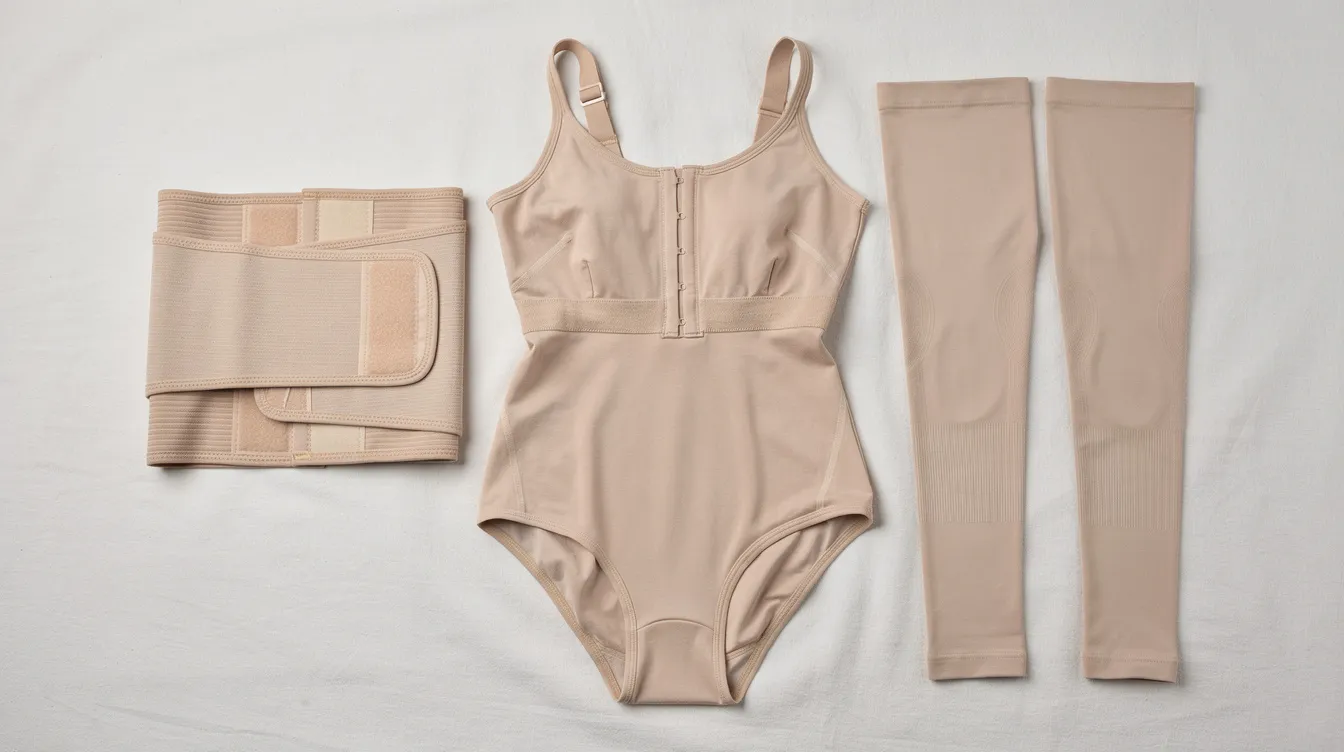
Post surgical compression garments come in several forms. Compression garments include bodysuits, sleeves, and socks, among other designs. Here's a quick breakdown:
Full bodysuits (fajas): Cover the abdomen, flanks, back, and sometimes thighs. Bodysuits and full girdles are recommended for comprehensive procedures like Lipo 360. They deliver uniform pressure across a large area but can feel uncomfortable in warm weather.
Abdominal binders: Narrower garments focused on the abdomen site. They're simpler to wear, with front closures, and work well for abdomen-only lipo or combined abdominoplasty cases.
Chin straps: A chin strap is used after chin lipo or submental liposuction. These are lighter, wrap under the jaw, and provide gentle but consistent pressure to help the skin conform after fat removal from the neck and jawline.
Thigh or leg garments: Designed for inner and outer thigh, knee, or full-leg treatment. Options include leggings, cuffs, and sleeves. Open-crotch designs support normal movement and hygiene during recovery.
Fitting, Sizing, and Comfort for Post Surgery Wear
Garments should be snug but not excessively tight to avoid complications like numbness, restricted blood circulation, or tissue damage. Here's how to get the fit right:
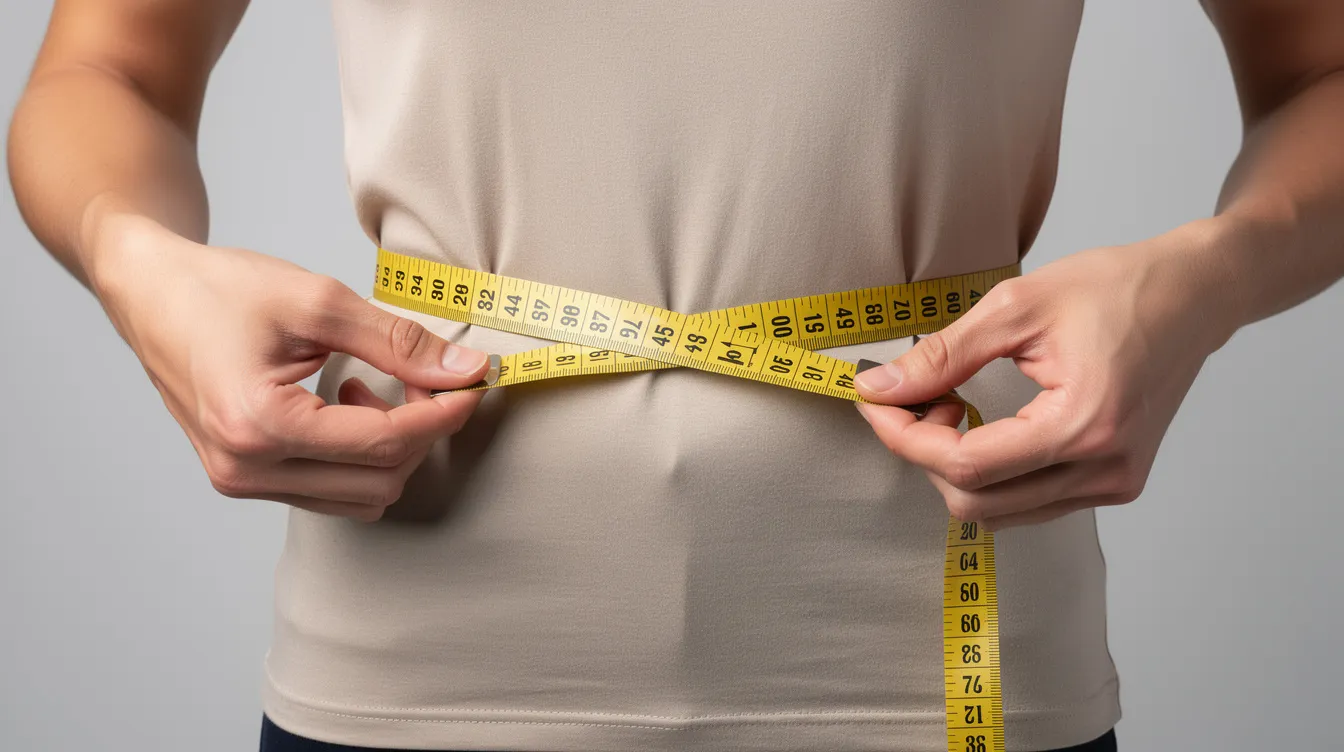
Measure before surgery: Take measurements at key reference points-under the bust, waist, hips, thighs, and calves. Your surgeon's office can guide you.
Size up initially: Swelling peaks around 48–72 hours post-op, so many patients start with a slightly larger garment and switch to a smaller size as swelling subsides over the following weeks.
Use foam liners: Specially designed lipo foam inserts distribute pressure evenly and reduce discomfort over bony prominences or near incision sites.
When to switch: If the garment feels loose or no longer applies adequate pressure, it's time to move to a smaller size or tighter fit.
Wearing at least two garments is recommended for maintenance during recovery-one to wear while the other is being washed. This keeps you in continuous compression without gaps.
Caring for Liposuction Compression Garments
The elastic material in your garment is what provides pressure, so protecting its integrity matters:
Hand wash with mild detergent. Avoid bleach and harsh chemicals.
Air dry flat. Never use a tumble dryer or iron-heat degrades elastic fibers.
Rotate between multiple garments to extend their lifespan and maintain hygiene. Sweat and bacteria build-up can lead to skin irritation.
Inspect closures (zippers, hooks) regularly to ensure they don't rub against healing skin.
Replace any garment that has visibly lost its compressive quality, shows thinning fabric, or no longer feels tight enough.
Troubleshooting Post Surgery Issues Related to Garments
Even with the right garment, problems can arise. Watch for these signs of improper compression:
Persistent numbness, tingling, or a painful sensation in the treated areas
Skin that looks pale, cool to the touch, or develops red marks and sores
Indentations that don't fade after garment removal
Discomfort that goes well beyond normal post-op soreness
Blistering, rash, or signs of compromised circulation
If you experience worsening swelling, drainage with odor, fever, or red streaks, contact your doctor immediately.
If the garment is intolerable, temporary alternatives include adjustable compression wraps or staged garments with foam inserts. Your surgeon can advise on modifications that maintain pressure without sacrificing comfort. Never stop wearing compression entirely without your surgeon's advice-doing so increases the risk of fluid accumulation and uneven results.
Surgeon Recommendations and Evidence for Compression Garments
Major plastic surgery organizations-including the American Society of Plastic Surgeons-recommend compression garments as standard post-op care after cosmetic surgery. The typical recommendation is 4–6 weeks of wear to control swelling and promote skin contraction.
That said, published evidence varies. Some randomized trials have shown that garment wear doesn't always produce the expected benefit in every measured outcome, while newer studies on garments with embedded silicone drainage strips show significantly faster edema resolution. The science continues to evolve.
The bottom line: follow the advice of your board-certified plastic surgeon. They tailor garment protocols to your specific procedure and body, which matters far more than any generalized guideline.
Product Comparison and Buying Guide for Liposuction Compression Garments
Here's a comparison of common garment types to help you evaluate your options:
Feature | Full Bodysuit | Abdominal Binder | Chin Strap | Thigh/Leg Garment |
|---|---|---|---|---|
Coverage | Abdomen, flanks, back, thighs | Abdomen only | Jaw, neck | Thighs, legs |
Closure Style | Zippers, hooks | Front zip or velcro | Wrap/velcro | Side zip, pull-on |
Compression Level | Firm (20–30+ mmHg) | Moderate to firm | Light to moderate | Moderate to firm |
Material | Nylon/spandex, powernet | Elastic blend, cotton lining | Soft elastic | Nylon/spandex |
Best For | Lipo 360, multi-area | Abdomen lipo, tummy tuck | Chin lipo, submental | Inner/outer thigh lipo |
Price Range (USD) | $80–$300+ | $30–$100 | $20–$60 | $50–$200 |
Pros | Maximum coverage, shapewear-like support | Easy to don, targeted | Lightweight, low-profile | Open crotch options |
Cons | Hot, harder to put on | Limited area | May shift with movement | Can restrict leg movement |
When shopping, prioritize surgeon-recommended brands that provide medical-grade specifications. Avoid generic shapewear-it's not designed to deliver the controlled, graded compression your body needs after a procedure. Standard clothes simply won't achieve the same effect.
FAQ and Patient Instructions for Wear Compression Garments
How do I put on and take off my garment? Sit down. Step into or unzip the garment fully. Use both hands to pull it up gradually, smoothing wrinkles as you go. Make sure closures are centered and fabric is not twisted. Use lipo foam pads underneath for even pressure distribution. Some patients find it helpful to watch a video demonstration from their surgeon's office before their first attempt.
How do I care for wounds while wearing the garment? Inspect your incisions daily when you remove the garment for showering. Apply dressings as directed by your surgeon beneath the garment. Never place the garment directly over wet or freshly oozing incision sites without a barrier. Use barrier creams at friction points if needed.
Common timing and comfort questions:
Is it normal to feel tight and uncomfortable? Yes-especially during the first week. Tightness, warmth, and heaviness are normal. That said, the garment should never be so tight that you experience sharp pain, difficulty breathing, or loss of sensation.
When can I stop wearing it at night? Many surgeons allow nighttime removal after 2–3 weeks if healing is progressing well. Always confirm with your doctor.
When will swelling go down? Swelling typically peaks at 48–72 hours and begins subsiding within two to three weeks, though some gravity-related swelling can persist for months.
Can compression garments help in achieving smoother results post liposuction? Yes. Consistent wear supports tissue remodeling and helps the skin conform to your body's new shape, which is a key component of a smooth recovery.
Conclusion: Post-Surgery Compression Takeaways
A liposuction compression garment is not shapewear you can skip when it gets uncomfortable. It is a key component of your recovery process-one that directly affects how your results look and feel months down the road. Proper selection, accurate fitting, staged wear timelines, and good garment care all contribute to optimal healing and the best possible aesthetic outcome.
Before you purchase a garment or adjust your wear schedule, confirm your plans with your plastic surgeon. Every procedure, every body, and every recovery is different. Your surgeon's specific advice will always outweigh general guidance, so keep that line of communication open throughout your recovery.
Frequently Asked Questions
What is the primary purpose of a compression garment after liposuction?
A compression garment applies controlled pressure to treated areas to reduce swelling, minimize bruising, support skin retraction, prevent fluid accumulation, and help skin adapt to its new contour after fat removal.
How long should I wear a compression garment after liposuction?
Most plastic surgery societies recommend wearing compression garments for at least six weeks post-surgery. Stage 1 garments are worn 24/7 for weeks 1-2, then Stage 2 garments are worn 12-18 hours daily for weeks 3-6. Some surgeons recommend up to eight weeks for larger procedures.
What materials are compression garments made from?
Medical-grade compression garments are typically made from latex, nylon, or elastic materials blended with spandex. Breathable fabrics like nylon-spandex blends or powernet mesh with moisture-wicking properties are recommended, often with thick cotton linings to prevent incision irritation.
What compression pressure level should my garment have?
Early post-op (Stage 1) garments generally provide firm pressure of 20-30 mmHg. Later stages use moderate pressure of 15-20 mmHg. Your surgeon will recommend the appropriate pressure level based on your specific procedure and individual healing needs.
What features should I look for when choosing a compression garment?
Prioritize breathable medical-grade materials, appropriate compression level for your recovery stage, closure styles like zippers or hooks for ease of use, open crotch design for hygiene, and adjustable straps or panels to accommodate decreasing swelling.


-2.jpg?width=2000&height=2000&name=Copy%20of%20YouTube%20Thumbnail%20-%20Life-Changing%20Cosmetic%20Surgery!%20(Document)-2.jpg)


