Whether you’re looking to restore volume lost to aging, define your cupid’s bow, or simply achieve lips that feel more balanced with your facial features, lip shaping offers a spectrum of solutions. From temporary enhancements that last a few months to permanent surgical procedures, understanding your options is the first step toward results you’ll love.
Quick Overview: What Lip Shaping Can Do For You
Lip shaping encompasses any cosmetic approach that refines lip volume, outline, symmetry, and proportion. These techniques range from quick in-office treatments to surgical procedures performed under anesthesia, all designed to help your lips harmonize with your overall facial structure.
In 2024, over 1.4 million lip enhancement procedures were performed in the United States, placing lip augmentation among the top five minimally invasive cosmetic treatments. This popularity reflects growing understanding that subtle enhancement can make a significant difference in how we perceive our appearance.
The key goals of lip shaping include:
Restoring age-related volume loss
Defining the cupid’s bow and lip border
Correcting asymmetry between top and bottom lips
Softening a gummy smile
Harmonizing lips with nose, chin, and facial anatomy
This guide covers the main categories: dermal fillers, lip flip, lip lift surgery, fat transfer, lip implants, cosmetic lip tattoos, and lip reduction surgery. Each offers distinct advantages depending on your starting point and desired outcome.
What Is Lip Shaping?
Lip shaping refers to both non-surgical and surgical procedures that modify lip size, contour, and balance while respecting natural anatomy. The goal is never to create “one perfect lip shape” but rather to enhance your unique facial features in a way that looks authentic to you.
Common reasons people seek lip shaping include naturally thin lips, age-related thinning and flattening (collagen loss accelerates after about age 30), a lopsided smile, downward-turned corners of the mouth, or even previously overfilled lips that need correction. Sun exposure and smoking can also accelerate fine lines around the mouth, contributing to a less defined lip appearance.
Lip shaping is highly customizable. First-timers often prefer ultra-subtle enhancement that nobody else notices, while others seek more dramatic transformation with techniques like russian lip styling or pillowy lips. Whether you want to enhance lip shape slightly or achieve a fuller upper lip, modern techniques can be tailored to your preferences.
Key benefits include:
More defined lip border
Smoother lipstick application
Improved symmetry between upper lip and lower lip
Restored natural fullness
A more youthful appearance
Understanding Lip Anatomy & Natural Lip Shapes
Understanding facial anatomy matters for safe, natural looking results and helps avoid the overdone look that concerns many patients. When you know how your lips are structured, you can communicate more effectively with your provider.
Key anatomic landmarks include:
Landmark | Location | Aesthetic Role |
|---|---|---|
Cupid’s bow | The M-shaped curve of the upper lip | Adds definition and youthfulness |
Vermillion border | The line where lip meets skin | Prevents lipstick bleed; creates crisp definition |
Philtrum columns | Vertical ridges above upper lip | Frame the cupid’s bow |
Oral commissures | Corners of the mouth | When lifted, reduce a “sad” expression |
Vermillion body | The pink part of the lip | The visible lip tissue that holds volume |
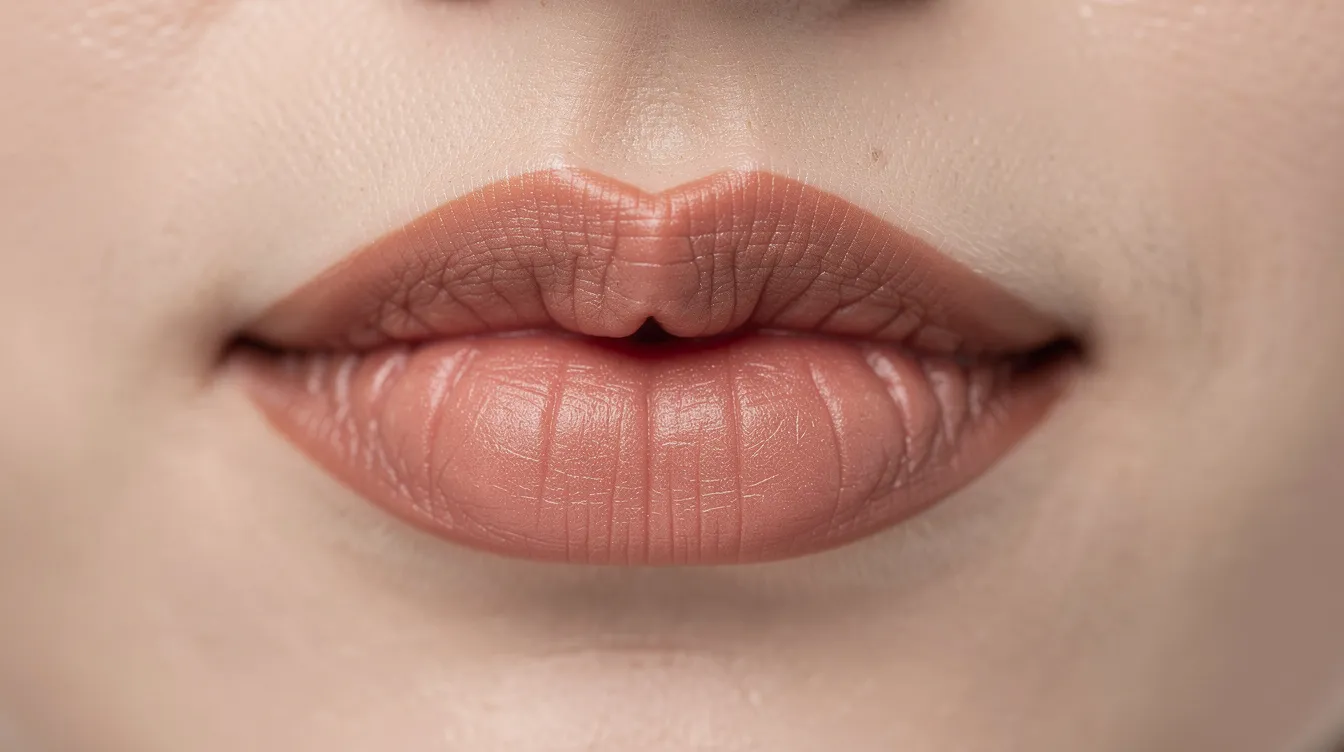
Natural lip shape types vary significantly. Full lips feature balanced volume in both lips. Thin lips have minimal vermillion show. Heart-shaped lips display a pronounced cupid’s bow with a fuller upper lip. Heavy lower lip or heavy upper lip types show asymmetric volume distribution. Wide lips extend closer to the face’s edges, while round lips lack a defined cupid’s bow. Downward-turned lips have commissures that angle below horizontal, creating a sad expression even at rest.
Take a moment to examine your current lip type in a mirror or photos. This awareness will guide realistic expectations and help you and your provider choose appropriate procedures.
Main Lip Shaping Treatment Options
Before diving into specific procedures, understanding how temporary, semi-permanent, and permanent approaches compare helps frame your decision.
Treatment | Invasiveness | Longevity | Downtime |
|---|---|---|---|
Dermal fillers | Non-surgical | 6-12 months | Minimal |
Lip flip (neurotoxin) | Non-surgical | 3-4 months | None |
Lip lift surgery | Surgical | Permanent | 2-3 weeks |
Fat transfer | Surgical | Long-lasting to permanent | 1 week |
Silicone lip implants | Surgical | Permanent | 1-3 days |
Cosmetic lip tattoo | Non-surgical | 1-3 years | 3-5 days |
Lip reduction surgery | Surgical | Permanent | 1-2 weeks |
Many patients begin with reversible options like hyaluronic acid fillers before considering permanent structural changes. This staged approach lets you test the waters with minimal commitment—completely normal when making decisions about your appearance.
Consultation with an experienced injector or board certified facial plastic surgeon helps match technique to your anatomy, age, and lifestyle goals.
Lip Fillers: The Most Versatile Lip Shaping Tool
Hyaluronic acid fillers like Juvéderm and Restylane are the most commonly used tools for lip shaping, offering everything from subtle enhancement to noticeable transformation. Because hyaluronic acid occurs naturally in your body, these fillers integrate smoothly with lip tissue and feel soft when placed correctly.
What fillers can accomplish:
Add volume to thin or aging lips
Sharpen the vermillion border
Lift and define the cupid’s bow
Smooth fine lines (vertical “smoker’s lines”)
Correct mild asymmetries
The typical process involves consultation, numbing cream or dental block for comfort, and precise injections using a needle or microcannula. Total treatment time is usually less than an hour—often just 20-30 minutes. Results are immediate but appear swollen initially, with the final look visible within a week.
Average longevity runs 6-12 months for most hyaluronic acid based fillers. Safety advantages include reversibility with hyaluronidase (an enzyme that dissolves the filler), low allergic reaction risk, and a natural appearance when strategically injected.
Possible side effects include temporary swelling, bruising, and occasional lumps that typically massage out. Rare vascular complications exist, which is why expertise matters significantly.
Popular Lip Filler Styles & Techniques
Beyond simple volume, different lip filler shape patterns create distinct aesthetics. Your provider can customize these based on your natural proportions and goals.
Russian lip technique involves injecting filler vertically to lift the lips rather than projecting them outward. This creates a heart like shape with a crisp upper contour, defined cupid’s bow, and less side volume. The result appears refined and naturally balanced.
Classic cupid’s bow focus uses micro-droplet filler placement to sharpen the upper lip’s M-shape without significantly enlarging the entire lip. Best for those wanting crisp definition while maintaining their natural shape.
Full and round (pillowy lips) distributes filler evenly across top and bottom lips for plush, symmetrical fullness. This achieves a soft, hydrated look rather than sharply outlined dramatic transformation.
Keyhole pout creates a slight central separation between closed lips through strategic placement, often paired with cupid’s bow contouring.
Korean cherry lips concentrates volume in the center of both lips, achieving a small, sweet, slightly pouty appearance popular for its natural beauty aesthetic.
Technique choice should reflect your facial anatomy and face shape—not just social media trends. An in-person assessment ensures the approach suits your unique facial features.
Choosing the Right Filler Product & Volume
Lip-safe fillers vary in softness, cohesiveness, and lifting capacity. Softer gels typically provide more natural movement and feel. Juvéderm offers smooth consistency and long-lasting results, while Restylane is popular for its natural feel and flexibility.
First-time patients often start with 0.5-1.0 ml, following a “less is more” philosophy. You can always add volume after 2-4 weeks once swelling subsides and you’ve assessed the results. This conservative approach prevents the overfilled look many patients fear.
Different ages benefit from different approaches. Patients in their 20s often focus on shape and definition—enhancing their ideal lip shape. From the late 30s onward, restoring structure, preventing flat lips, and correcting fine lines become priorities.
Overfilling can blur the cupid’s bow and create spillover above the lip border. An experienced provider focuses on balance with nose, chin, and lower face to ensure your lips vertically align with your overall facial structure.
Lip Flip: Subtle Shaping With Neurotoxin
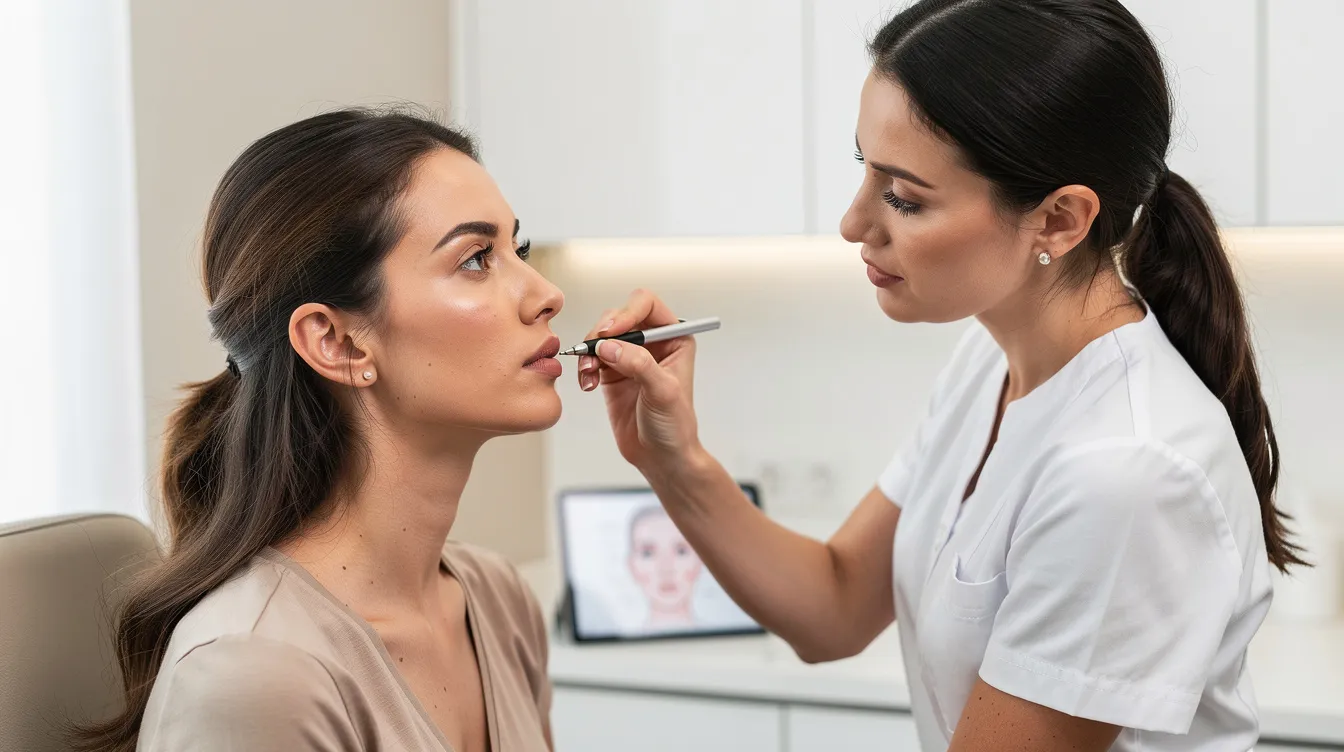
A lip flip involves micro-doses of botulinum toxin (Botox, Dysport, Xeomin, or Daxxify) injected into the upper orbicularis oris muscle. This relaxes the muscle, rolling the top lip slightly outward for subtle enhancement without added volume.
The result is slightly more visible pink of the upper lip when smiling, softer vertical lines, and a gentle lift. Treatment takes 10-15 minutes, uses 4-8 units total, with onset in 3-5 days and full effect around 7-10 days. Duration lasts about 3-4 months.
Ideal candidates include people whose upper lip disappears when they smile, or those wanting to test a subtle change before committing to lip filler. A lip flip offers an affordable entry point into lip enhancement options.
Limitations exist: a lip flip cannot address significantly thin lips or major structural issues. Excessive toxin can temporarily affect speech or straw use. For enhanced results, lip flip and filler can be combined—the flip defines the border while filler adds volume.
Lip Lift Surgery: Permanent Structural Shaping
A lip lift is a surgical procedure that shortens the philtrum (skin between nose base and upper lip) to show more natural red lip permanently. This addresses concerns that fillers alone cannot solve.
The most common technique is the bullhorn lip lift (also called subnasal lip lift). A curved incision hidden beneath the nostrils removes a measured strip of skin, and suturing lifts the upper lip. Tiny incisions heal well in the natural shadow beneath the nose.
Typical candidates include patients over 40 with an elongated upper lip from aging lips, or younger patients with genetically long philtrum distance who want more tooth show at rest. Results create a fuller upper lip with increased lip size without artificial volume.
Recovery timeline:
Sutures removed: Day 5-7
Socially presentable with makeup: 10-14 days
Scar softening and fading: 3-6 months
Results are permanent, though normal aging continues. A well-performed lip lift can reduce the need for large amounts of upper lip filler later. Main risks include visible scarring, asymmetry, or an unnatural pulled look—highlighting the importance of choosing a board certified facial plastic surgeon experienced in cosmetic surgery of the face.
Other Lip Shaping Procedures: Fat Transfer, Implants, Tattoos & Reduction
While fillers and lip lifts receive most attention, several other medical procedures address specific lip concerns.
Fat transfer involves harvesting fat from abdomen or thighs, processing it, and injecting it into the lips. The “own tissue” advantage means lower allergic reaction risk and potentially long-lasting to permanent results. However, some fat resorption occurs (typically 30-50%), and the procedure is more complex than cosmetic procedures using synthetic fillers. Fat grafting requires a qualified cosmetic surgeon with specialized training.
Silicone lip implants are soft, pre-shaped devices inserted through small incisions in the mouth corners under local anesthesia. They provide permanent volume but offer less flexibility than fillers for fine shaping or asymmetry correction. Recovery requires only 1-3 days of social downtime.
Cosmetic lip tattooing (lip blushing) uses semi-permanent pigment to sharpen the vermillion border, correct color irregularities, and create the illusion of slightly fuller lips. Longevity runs 1-3 years with gradual fading.
Lip reduction surgery removes tissue from overly prominent lips through internal incisions. This addresses congenital fullness, prior overfilling with permanent substances, or aesthetic preference. Recovery involves about one week of noticeable swelling.
Cost, Financing & How to Choose a Provider
Realistic 2024-2025 cost ranges in US dollars:
Procedure | Typical Cost Range |
|---|---|
Lip fillers | $600-$1,200 per session |
Lip flip | $100-$300 |
Lip lift surgery | $3,000-$7,000 |
Fat transfer | $3,500-$8,000 |
Lip implants | $2,000-$4,000 |
Lip blushing | $500-$1,000 |
Lip reduction | $2,500-$7,500 |
Prices vary by city, surgeon experience, product brand, and whether anesthesia or operating room fees apply. Financing options include medical credit cards (CareCredit), in-house payment plans, and package pricing for maintenance visits.
When choosing a provider:
Verify board certification (plastic surgery, facial plastic surgery, cosmetic dermatology)
Review before-and-after photos on similar lip types
Confirm specific experience with lips
Ask about number of lip procedures performed monthly
Discuss preferred products and management plans for complications
Expertise and safety should outweigh bargain pricing. Poor lip work requires complex, costly revisions—and your lips deserve beautiful results the first time.
Planning Your Lip Shaping Journey & Long-Term Maintenance
Think of lip shaping as a process rather than a one-time event. With fillers and neurotoxin especially, adjustments over months yield the best harmony with your facial features.
A realistic timeline includes initial consultation, first treatment, review and possible tweak at 2-4 weeks, and maintenance with regular follow up appointments every 6-12 months depending on your procedure.
Basic aftercare tips:
Avoid blood-thinning medications and alcohol pre-treatment
No intense exercise or heat exposure for 24 hours after fillers
Use gentle ice packs for swelling
Sleep slightly elevated the first night
Don’t massage unless instructed
Contact your provider immediately if you experience severe pain, blanching skin, unusual mottled discoloration, or prolonged asymmetry—these warrant prompt evaluation.
Set goals collaboratively with your provider. Bring reference photos, be honest about how dramatic or subtle a change you desire, and stay open to staged, conservative enhancements. A restore volume approach often works better than a dramatic transformation all at once.
When planned thoughtfully with a qualified expert, lip enhancement procedures can enhance your natural beauty, support self-confidence, and age gracefully over time. The right provider will prioritize your unique facial features and help you achieve results that look like the best version of you—not someone else entirely.
Frequently Asked Questions
What is lip shaping and what can it address?
Lip shaping encompasses non-surgical and surgical procedures that modify lip size, contour, and balance. It can address naturally thin lips, age-related volume loss, asymmetry between upper and lower lips, downward-turned corners, and fine lines around the mouth.
What are the main types of lip shaping treatments available?
Treatment options include dermal fillers, lip flip injections, lip lift surgery, fat transfer, silicone implants, cosmetic lip tattoos, and lip reduction surgery. They range from temporary non-surgical options lasting months to permanent surgical procedures.
How long do lip filler results last?
Hyaluronic acid fillers typically last 6-12 months. Results appear immediately but show initial swelling, with final appearance visible within a week. Many patients prefer starting with temporary options before considering permanent procedures.
Is lip shaping surgery permanent?
Surgical procedures like lip lift, fat transfer, implants, and lip reduction are permanent or long-lasting options. Non-surgical treatments like fillers and lip flip injections are temporary, requiring repeat procedures to maintain results.
What is the recovery time for lip shaping procedures?
Recovery varies by procedure. Non-surgical treatments have minimal to no downtime. Surgical options require 2-3 weeks for lip lift, 1 week for fat transfer, 1-3 days for implants, and 1-2 weeks for lip reduction surgery.
Learn more: Body Contouring at Leva Medical


-2.jpg?width=2000&height=2000&name=Copy%20of%20YouTube%20Thumbnail%20-%20Life-Changing%20Cosmetic%20Surgery!%20(Document)-2.jpg)


