If you're exploring ways to enhance your lips, you've likely encountered two popular procedures: the lip flip and lip filler. Both can help you achieve fuller lips, but they work in fundamentally different ways - and the best choice depends entirely on your aesthetic goals, budget, and how much change you're after. This guide breaks down the key differences so you can make an informed decision.
Learn more: Body Contouring at Leva Medical
Overview: Lip Flip vs Lip Filler
A lip flip is a non surgical procedure that uses a neuromodulator (like botox) to relax muscles around the upper lip, creating a subtle lift that reveals more of the lip's surface.
Lip fillers are a form of lip augmentation that use injectable gels - most commonly hyaluronic acid based dermal fillers - to physically add volume, definition, and shape to the lips.
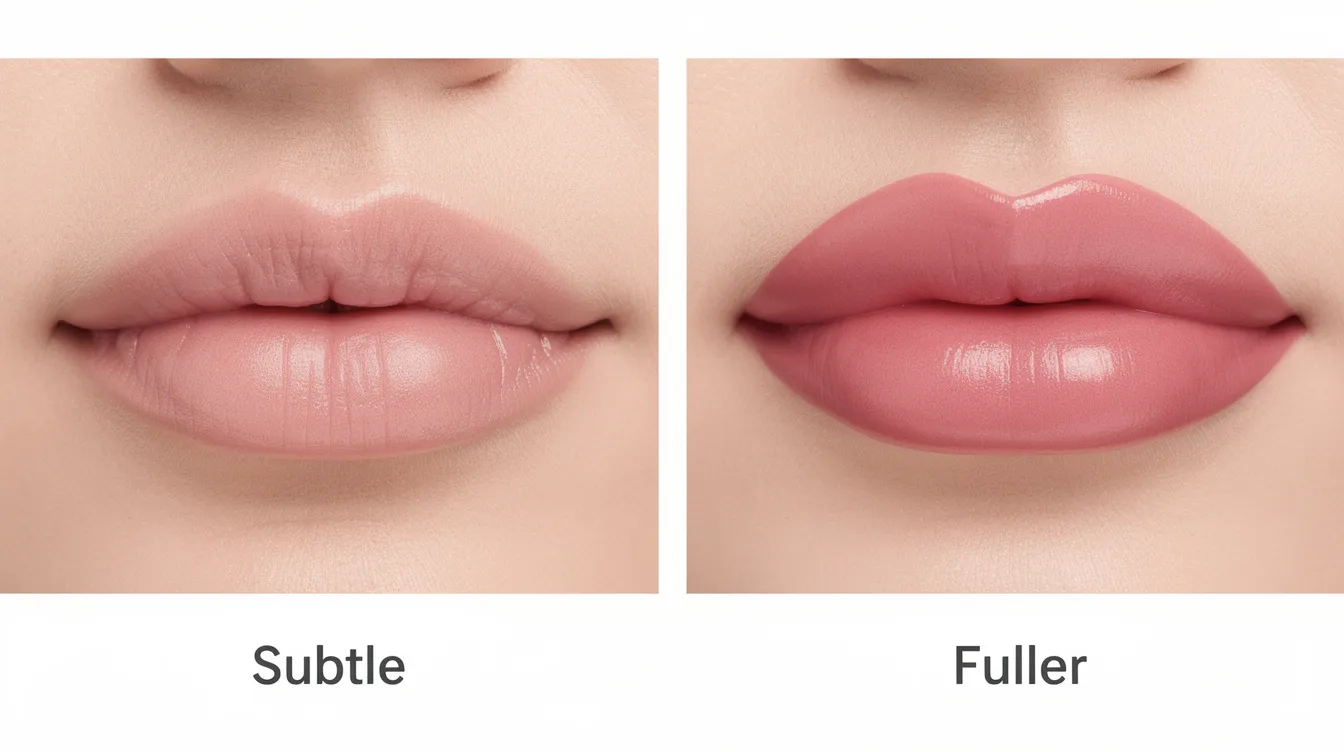
The primary comparison comes down to this: do you want a subtle enhancement of your natural appearance, or a noticeable volume increase with more dramatic change?
What Is a Lip Flip
A lip flip uses Botox to enhance the upper lip. A small amount of botulinum toxin (typically 4-6 units of Botox) is injected into the orbicularis oris muscles surrounding the mouth. This relaxes the muscles just enough to allow the lip to gently roll outward and upward.
The result? A lip flip creates the illusion of fullness by making more of the upper lip visible - without adding any physical volume.
Key timing details:
Onset: Effects begin within 3-5 days
Full results: Lip flip results can take up to two weeks to fully set
Duration: Lip flips typically last 2-3 months after treatment
What Are Lip Fillers (Lip Augmentation)
Lip fillers use hyaluronic acid to add volume to lips. Hyaluronic acid is a naturally occurring substance in the body that attracts water and integrates into tissue, providing fullness and hydration. Cross-linked HA gels are injected directly into the lip body, lip borders, or cupid's bow to create the desired look.
Lip fillers provide immediate results after the procedure, though minor swelling may exaggerate initial fullness. Final lip shape typically settles within 1-2 weeks. Lip filler injections typically take 10-15 minutes.
Lip fillers can last from 6 months to over a year depending on the product, placement, and your metabolism. If you're unhappy with the outcome, lip fillers can typically be dissolved if unwanted results occur - hyaluronidase, an enzyme, breaks down the HA filler.
Lip Flips: Ideal Candidates and Quick Facts
Top candidate traits:
Your upper lip disappears when you smile or speak due to hyperactive muscles
You want to subtly enhance your lip without adding bulk
You're new to cosmetic procedures and prefer a lower-risk starting point
Benefits:
Lip flips can improve the appearance of a gummy smile
Minimal downtime - lip flips have no downtime after the procedure
Lower cost per session; quick treatment time (minutes)
Limitations:
Lip flips do not add volume to the lips - they only enhance lip shape
Effects are short-lived, requiring retreatment every 2-3 months
Lip Fillers: Ideal Candidates and Quick Facts
Top candidate traits:
You want fuller appearance with noticeable volume at rest
You have thin lips or aging lips with lost volume due to genetics, sun exposure, or time
You need correction for uneven lips or asymmetry between upper and lower lips
Benefits:
Immediate, visible lip volume and shape improvement
Lip fillers can last from 6 to 12 months, offering longer lasting effects
Lip fillers can be customized for varying levels of enhancement - from subtle to dramatic
Limitations:
Higher upfront cost per session
More potential for side effects including swelling, bruising, and rare vascular complications
Key Differences: Flip vs Lip Filler
Here's a side-by-side breakdown of the key differences between these non invasive procedures:
Factor | Lip Flip | Lip Filler |
|---|---|---|
Mechanism | Relaxes muscles around the mouth | Adds physical volume with HA gel |
Visible change | Subtle lift; enhanced lip show | Noticeable volume; fuller lips |
Results timing | Full effect in ~2 weeks | Lip filler provides immediate results after injection |
Duration | 2-3 months | 6-12 months (sometimes up to 18) |
Reversibility | Not reversible; must wait for it to wear off | Dissolvable with hyaluronidase |
Downtime | None | Minor swelling and bruising for days |
Both lip enhancement options require maintenance but at different intervals - flips every few months, fillers once or twice a year.
Adding Volume vs Muscle Relaxation
This is the fundamental fork in the road when evaluating lip flip vs lip filler.
Fillers are the clear choice when you need to add volume. If your lips are thin at rest, lack definition, or have lost volume with age, no amount of muscle relaxation will give you the fuller appearance you're after. Fillers physically reshape and plump the tissue.
Lip flips do not add volume, only enhance lip shape. The flip is about muscle relaxation - it works when the issue is dynamic, like an upper lip that curls inward during a smile. It can achieve subtle improvements that look natural without structural change.
If your concern is how your lips look when you're smiling or talking, consider a flip. If you want a change visible even at rest, fillers are the path forward.
Lip Filler Results and Longevity
Lip filler results usually last 6-8 months on average, though this varies by filler brand, cross-linking density, and individual metabolism. Some products maintain lip volume for up to 12-18 months in favorable conditions.
How results develop:
Days 1-3: Peak swelling; lips appear larger than final result
Days 7-14: Swelling subsides; filler integrates into tissue; final lip shape emerges
Month 1+: Settled, natural appearance
Signs you may need a revision:
Visible asymmetry or lumpiness
Filler migration away from injection sites
Bluish tint under the skin (Tyndall effect)
Excessive firmness or discomfort
Combining Lip Flips And Fillers For Lip Augmentation
Sometimes the perfect pout requires both treatments working together. Combination is worth considering when you want volume at rest plus an improved smile dynamic - for example, patients who have borderline lip volume but whose upper lip still vanishes when they smile.
Safe sequencing:
Start with fillers to establish volume and shape
Wait 1-2 weeks for filler to settle
Add the lip flip to enhance animation and lift
The synergy here is real: filler gives the body and structure, while the flip provides a subtle lift and better vermilion show during expression. Together, they create a symmetrical appearance that looks polished both at rest and in motion.
Recovery, Risks, And Aftercare For Lip Treatment
Common short-term side effects:
Swelling and bruising at injection sites (more pronounced with fillers)
Tenderness around the mouth
For lip flips specifically: temporary difficulty with straws, whistling, or certain speech sounds
Aftercare essentials:
Apply a cold compress to reduce swelling
Avoid strenuous exercise for 24 hours
Skip saunas, steam rooms, and alcohol on treatment day
Don't massage or press on your lips unless your provider instructs otherwise
Avoid heavy lip products until puncture sites heal
Contact your provider if you experience:
Severe or prolonged pain
Signs of infection (heat, redness, discharge)
Blanching, loss of color, or vision changes (filler vascular emergency)
Inability to close your lips for extended periods after a flip
Costs, Maintenance, And Expected Visits
Lip Flip | Lip Filler | |
|---|---|---|
Cost per session | $80–$300 | $500–$1,200 per syringe |
Sessions per year | 4-6 | 1-2 |
Estimated annual cost | $200–$500 | $500–$1,500 |
Lip flips generally cost less per visit, but the frequent maintenance adds up. Fillers have a higher upfront investment but deliver longer lasting results, often making them more cost-efficient over time.
When budgeting, factor in consultations, potential correction sessions, and aftercare products. Expert injectors may charge more, but their precision often means fewer revisions.
Who Should Consider Each Lip Treatment To Enhance Your Lips
Choose a lip flip if:
You want to achieve subtle improvements without adding bulk
Your main concern is a gummy smile or upper lip that hides when you talk
You prefer a non invasive, low-commitment entry into cosmetic procedures
You're after a natural look with minimal risk
Choose lip fillers if:
You want to add volume and achieve a fuller, more defined lip shape
You have thin lips or aging lips that have lost volume over time
You want to correct uneven lips or enhance lip borders and your cupid's bow
You're seeking a dramatic change with longer-lasting results
Both procedures have their own unique benefits. The right lip treatment comes down to your individual needs and what "enhanced" means to you.
Consultation Checklist: Questions To Ask Your Injector
Before booking either procedure, come prepared with these questions:
Credentials: Are you a board-certified dermatologist, plastic surgeon, or licensed aesthetic injector? How many lip procedures have you performed?
Portfolio: Can I see before-and-after photos of patients with similar lip anatomy and goals?
Product details: Which brand of neurotoxin or filler do you recommend for my case? How many units or syringes are planned?
Safety protocols: What is your emergency plan for vascular occlusion or severe reactions? What's your policy if I'm unsatisfied with results?
FAQ And Next Steps
Is a lip flip permanent? No. Lip flips typically last 2-3 months before the effect wears off naturally.
Do lip fillers look natural? Yes, when performed by experienced injectors using appropriate volume. Lip fillers can be customized to achieve anything from a subtle enhancement to a fuller, more sculpted look.
Can you dissolve lip fillers? Yes. Hyaluronic acid based fillers can be dissolved with hyaluronidase if needed.
Does a lip flip hurt? Discomfort is minimal - a few quick injections with a very fine needle.
Is there downtime? Lip flips have essentially zero downtime. Fillers may involve a few days of minor swelling and bruising.
Can you combine both? Absolutely. Many patients get both for comprehensive lip enhancement.
The smartest next step is to schedule a personalized consultation. An experienced injector can assess your lip anatomy, muscles, symmetry, and goals to recommend whether a lip flip, lip filler, or combination approach will help you achieve the look you're after. Bring the checklist above, ask to see real case studies, and don't settle until you feel confident in your provider and your plan.
Frequently Asked Questions
What is a lip flip and how does it work?
A lip flip uses Botox injected into muscles around the mouth to relax them, allowing the upper lip to roll outward and upward. This reveals more of the lip's natural surface, creating the illusion of fullness without adding physical volume.
How long do lip flip results last compared to lip fillers?
Lip flip results typically last 2-3 months, while lip fillers generally last 6-12 months. Lip flips require more frequent retreatment, whereas fillers offer longer-lasting effects between appointments.
Can lip fillers be removed if I'm unhappy with the results?
Yes, lip fillers can be dissolved using hyaluronidase, an enzyme that breaks down hyaluronic acid filler. This option is available if you're dissatisfied with the outcome.
Who is a good candidate for a lip flip versus lip fillers?
Lip flips suit those with upper lips that disappear when smiling and who want subtle enhancement. Lip fillers are better for people with thin lips at rest, lost volume, or asymmetry who desire noticeable fullness.
What is the recovery time for each procedure?
Lip flips have no downtime. Lip fillers may involve minor swelling and bruising for several days, with final shape settling within 1-2 weeks after injection.


-2.jpg?width=2000&height=2000&name=Copy%20of%20YouTube%20Thumbnail%20-%20Life-Changing%20Cosmetic%20Surgery!%20(Document)-2.jpg)


