Lip filler in Queens offers a practical path to fuller, more defined lips without surgery or extended recovery. This guide covers the procedure itself, technique options like Russian lips, how to choose a qualified provider in neighborhoods from Forest Hills to Kew Gardens, and what to expect from your first appointment through final results.
Lip Fillers in Queens: Introduce the Treatment
Lip fillers are minimally invasive beauty injections that add volume, shape, and definition to the lips. The procedure uses a gel-based substance, most often hyaluronic acid, injected directly into lip tissue. Hyaluronic acid is a naturally occurring polysaccharide found in your skin and connective tissue. When crosslinked for cosmetic use, it forms a stable gel that binds up to 1,000 times its weight in water, which is why treated lips gain both volume and hydration.
Lip fillers provide immediate visible results after injection. The effects of lip fillers last between two to six months on average, depending on the product and individual factors. Lip augmentation through filler is a minimally invasive procedure, and recovery is typically quick and easy compared to surgical alternatives like lip implants or fat grafting, which require incisions, sedation, and longer healing periods. Hyaluronic acid fillers are also fully reversible with an enzyme called hyaluronidase, giving patients a safety net that surgery does not offer.
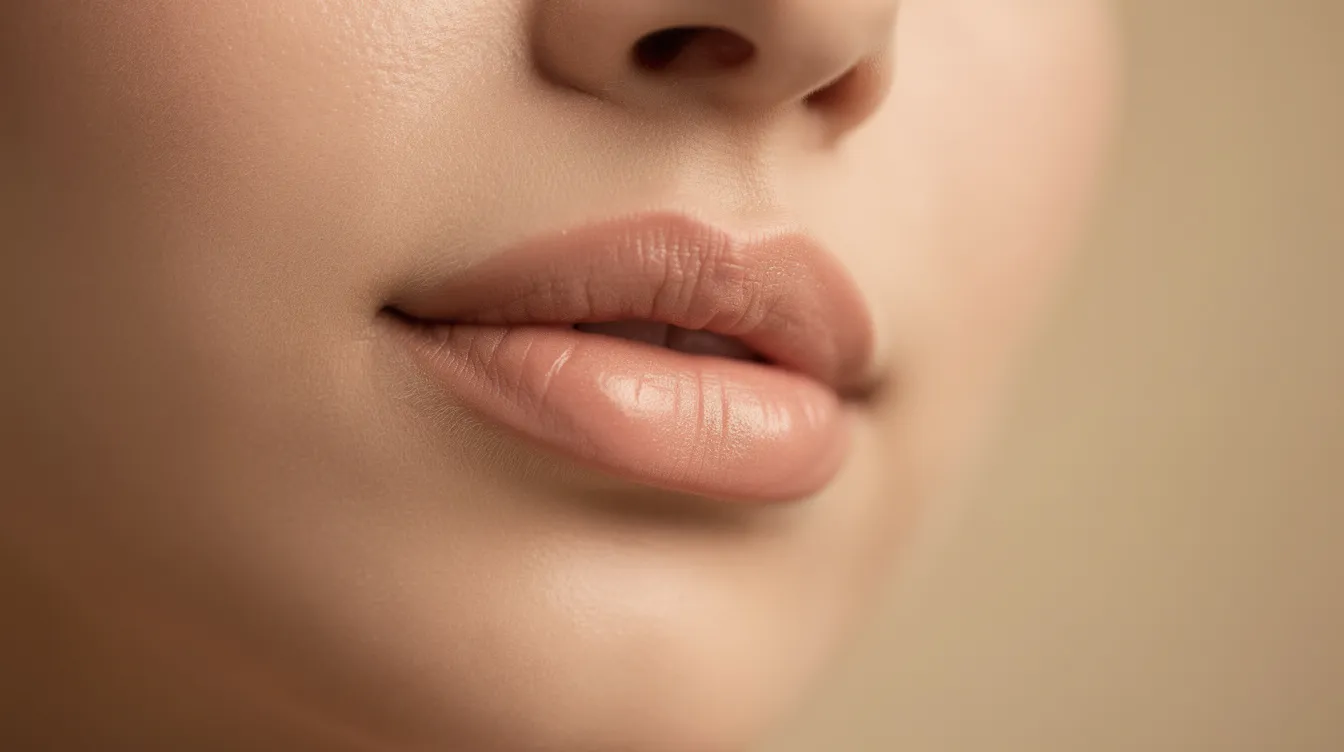
Who Benefits From Lip Augmentation?
Lip filler treats a range of concerns across different ages and lip anatomies:
Asymmetry correction. Upper lip and lower lip volume differences, or left-to-right imbalance, respond well to targeted filler placement.
Volume loss from aging. Collagen and hyaluronic acid production decline with age, causing lips to thin. Filler restores what the body no longer produces at the same rate.
Vertical lip lines. Fine lines above the mouth (sometimes called "barcode lines") smooth out when dermal volume lifts the skin from below.
Minimum age. Most patients are 18 or older. Many injectors prefer to treat patients whose facial growth is complete, typically in the early 20s.
People with naturally thin lips, a weak vermilion border, or minimal philtral definition often gain the most visible improvement from conservative filler placement.
Benefits of Lip Fillers for Beautiful Lips
Smooth Texture and Hydration
Crosslinked hyaluronic acid holds moisture in the lip tissue, creating a smooth texture that reduces dryness and flakiness. The filler integrates into the extracellular matrix and pushes out fine lines from beneath the skin surface. Softer HA gel formulations smooth fine lines without making lips feel stiff or rigid.
Cupid's Bow Definition
The Cupid's bow refers to the two peaks at the center of the upper lip. Injectors refine this area by placing small amounts of filler along the vermilion border, sharpening the lip's natural contour. This also improves how the lips frame a smile. Lip anatomy varies from person to person, so the degree of definition depends on existing bone structure, skin thickness, and the patient's goals.
Natural Lip Enhancement
Proportional facial assessment prevents overdone results. A skilled injector evaluates the relationship between the chin, nose, and mouth before adding volume. Conservative placement (often starting at 0.5 mL in a first session) lets both patient and provider evaluate lip shape before committing to more filler. The goal is natural beauty: subtle improvements in balance and definition rather than a dramatic change that looks like it came from a needle.
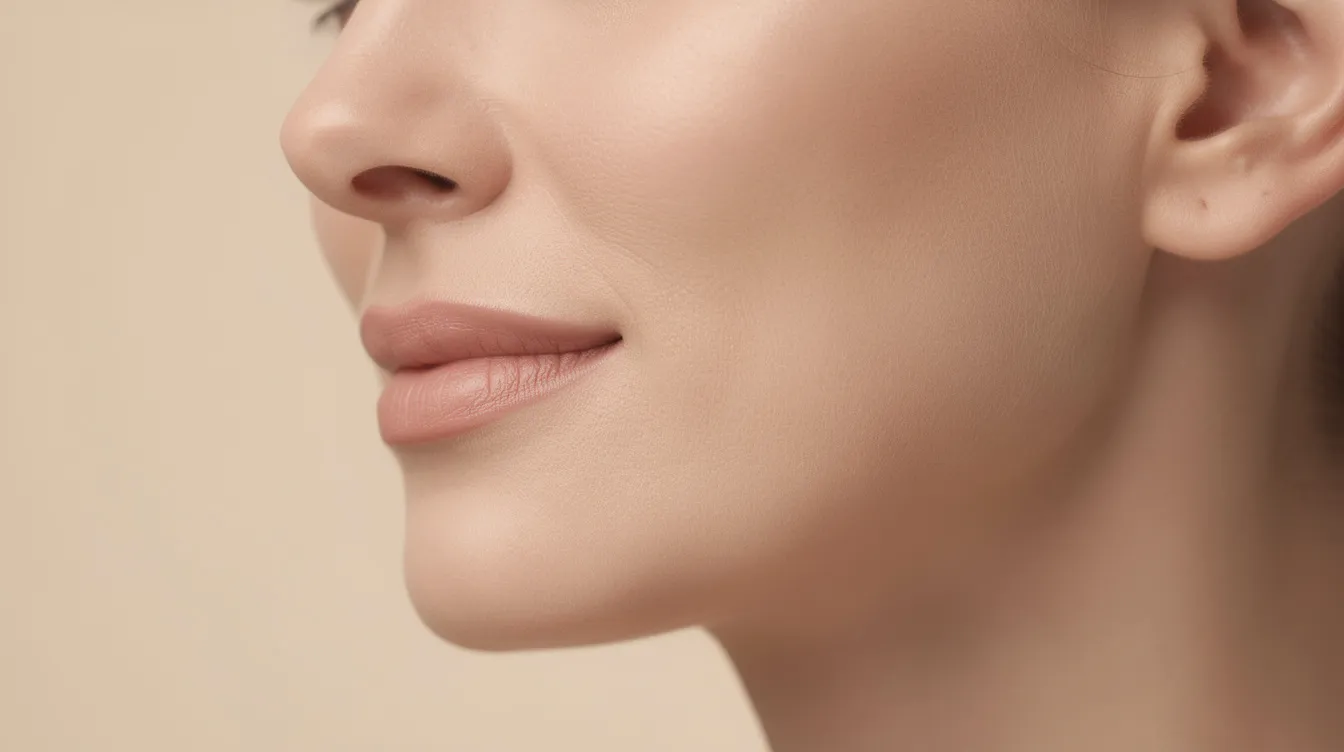
Russian Lips and Other Treatment Styles
Russian lips is a technique using vertical microbolus injections placed from the wet-dry line upward toward the vermilion border. The result lifts the lip vertically, producing a prominent Cupid's bow and a heart-shaped central tubercle with less forward projection.
Traditional lip filler placement uses horizontal threading or linear boluses to add volume across the lip body, creating a fuller, rounder profile.
The two techniques differ in injection direction (vertical vs. horizontal), visual outcome (height and definition vs. forward projection), and recovery pattern. Russian lips tends to produce more initial swelling because of the higher number of shallow injection points. The technique also carries a higher risk of visible ridges or the Tyndall effect (a bluish hue) if filler is placed too superficially.
Your injector should assess your facial anatomy, skin thickness, and existing lip shape to determine which technique suits your goals. Choosing a style based on photos alone often leads to disappointment, because the same technique produces different outcomes on different faces.
Choosing a Queens Lip Filler Provider
Lip fillers are a medical procedure that require careful thought about who performs them. Here is what to evaluate:
Credentials. Verify that the injector is a licensed medical professional in NY (MD, DO, NP, PA, or RN under medical oversight). Board certification in dermatology or plastic surgery adds another layer of training.
Healed results. Check before-and-after photos taken at least two weeks post-treatment, not immediately after injection when swelling distorts the final shape. Ask which technique and product were used.
Hyaluronidase access. Confirm the provider stocks hyaluronidase and knows the protocol for dissolving filler in case of complications.
Detailed consultations. Prioritize providers who spend time on facial proportion assessment, medical history review, and individualized treatment planning. Consultations for lip fillers are often complimentary in Queens clinics; a free consultation is a reasonable expectation.
Several Queens providers have built reputations on specific strengths. Evollon Medspa performs over 450 lip treatments annually. Diamond Works uses a trademarked injection method for lip fillers. Beautopia MedSpa emphasizes facial balancing in lip filler treatments.
Your Lip Filler Consultation
Consultations should include reviewing medical history and treatment expectations. Your provider will check for:
Allergies (particularly to lidocaine)
History of cold sores or herpes
Prior filler or implants in the lip area
Bleeding disorders or anticoagulant use
Autoimmune conditions or pregnancy
A facial proportion assessment follows. The injector measures upper lip height, lower lip height, philtrum length, and symmetry. This determines how much filler to use and where to place it.
Product selection matters. Premium hyaluronic acid fillers vary in gel firmness, crosslinking density, and particle size. Softer gels suit border definition and fine lines; firmer gels hold more volume. You and your provider should decide on a technique (Russian, traditional, or hybrid), volume (0.5 or 1.0 mL), and shape priorities before the needle touches your skin.
What Happens During Lip Filler Treatment?
The appointment typically runs 30 to 60 minutes, including numbing and consultation. The lip filler procedure itself usually lasts 15 to 30 minutes.
Numbing. A topical anesthetic cream (usually 4-5% lidocaine) is applied for 15 to 20 minutes. Many hyaluronic acid filler products also contain lidocaine premixed in the gel, reducing discomfort during injections.
Injection. The provider cleanses the area and marks injection points. Depending on the technique, filler is placed via vertical microboluses, linear threading, or bolus deposits. Needle gauge is typically 27-30G.
Molding. The injector applies mild pressure to shape the filler and check symmetry.
Post-treatment instructions. Ice the area. Avoid putting pressure on your lips. Skip alcohol and aspirin for 24 hours. Avoid heat exposure (sauna, direct sun) on the first day.
How Long Do Lip Fillers Last?
Lip fillers typically last six to nine months in most patients before needing touch-ups. Thinner gels or smaller volumes may degrade closer to the six months mark. Products like Restylane Kysse or Juvederm Volbella, with higher crosslinking, can hold closer to 12 months depending on individual metabolism.
Your body breaks down HA filler through enzymatic activity and mechanical movement (talking, eating, facial expressions). Patients with faster metabolisms or more active lip movement tend to see results fade sooner.
If volume diminishes unevenly after three to four months, a small touch-up can restore balance. Providers often schedule a two-week follow-up to evaluate symmetry once swelling resolves, then plan subsequent refresher treatments based on how the body handles the product.
Lip Filler Cost and Treatment Planning
The average cost of dermal fillers can vary based on brand and product. In Queens, a 1.0 mL syringe of HA filler typically costs $600 to $1,000. Prices for lip fillers depend on the amount of filler used; a half-syringe (0.5 mL) runs roughly $450 to $750. Queens pricing generally undercuts Manhattan for lip fillers, where overhead and location prestige push costs higher. Lip filler costs vary widely based on individual treatment plans.
Factors that affect your quote:
Factor | Impact on Price |
|---|---|
Filler brand (e.g., Juvederm vs. Restylane) | Premium products cost more per syringe |
Injector credentials (surgeon vs. RN) | Higher training = higher fee |
Volume needed (0.5 mL vs. 1.0 mL) | More filler = higher total |
Included follow-ups | Some clinics bundle touch-ups |
Ask about a special price for first-time patients or package pricing if you plan to maintain results over months depending on your schedule. Many clinics offer financing or payment plans.
Do not select a provider based on the lowest price alone. Cheap imported fillers or unbranded gels carry real risk, including infection and allergic reactions.

Lip Filler Aftercare and Recovery
Recovery from lip filler involves minimal downtime, but the first 48 hours matter.
Sleep elevated. Sleep slightly elevated for the first night after injections to reduce swelling.
Skip the gym. Avoid strenuous exercise for the first 48 hours post-treatment. Elevated heart rate increases swelling and bleeding risk.
Expect swelling. Swelling, tenderness, and bruising are common side effects after lip fillers. Swelling peaks within 48 hours after lip filler treatment, then subsides over the next 7 to 14 days. Bruising typically fades within days after lip filler injections.
Watch for warning signs. Mild pain and firmness are normal. Intense pain, pale or blue discoloration, blistering, or vision changes require immediate contact with your provider. The injection of fillers can lead to complications like lumps and infection if not managed properly.
Feel Good About Your Lip Enhancement Results
Your lips will look different on the first day than they will at two weeks. Swelling can make results appear larger or uneven initially. Resist the urge to judge your results before the swelling completely resolves.
Final lip shape is assessed two weeks after treatment. At that point, your provider can evaluate symmetry, definition, and whether the filler settled naturally. If asymmetry or hollows appear, small touch-ups correct them. Choose a provider who prioritizes conservative enhancements to avoid an overfilled or overdone look. Feeling confident about your results starts with realistic expectations and a provider who shares your focus on balance.
Frequent Questions About Lip Fillers
Do Lip Fillers Hurt?
Most patients describe the sensation as a pinch or mild pressure during injection, not sharp pain. Topical numbing cream applied for 15 to 20 minutes before the procedure reduces sensitivity. Many HA fillers now include lidocaine in the gel itself, which numbs the tissue as the filler enters. Post-injection, lips may feel firm or tender for a day or two. The discomfort is manageable for the large majority of patients.
Are Lip Fillers Reversible?
Yes. Hyaluronic acid fillers are fully reversible with hyaluronidase, an enzyme that dissolves the HA gel. If you experience overcorrection, nodules, or a vascular complication, your provider can inject hyaluronidase to break down the filler. Confirm before your appointment that the clinic carries this substance and that the injector knows the correct dosage protocol.
How Soon Should Treatment Happen Before Events?
Schedule your appointment at least two to three weeks before any event. Swelling peaks in the first 48 hours and can take up to two weeks to resolve completely. The Russian lips technique often requires closer to three weeks because of the higher number of injection points and associated bruising. Planning ahead lets you show up with your lips at their final shape, not their most swollen.
Can Lip Fillers Create Natural-Looking Results?
They can, if the approach is conservative. Request 0.5 mL for your first session rather than a full syringe. Review healed before-and-after photos (not fresh post-treatment images) to evaluate whether a provider's aesthetic matches your own. A lipstick test can help: if you can still apply lipstick normally and your smile moves naturally, the result reads as soft and believable. Natural results come from matching the right product, technique, and volume to your individual lip anatomy.
Frequently Asked Questions
What is lip filler made of?
Lip fillers most often use hyaluronic acid, a naturally occurring substance found in skin and connective tissue. When crosslinked for cosmetic use, it forms a stable gel that holds water, which can add volume and hydration to the lips. Other filler types exist, so the product used should be confirmed with the provider.
How long do lip fillers last?
According to the article, lip filler effects last between two and six months on average, depending on the product and individual factors. Results are not permanent, and maintenance treatments are needed to keep the same look over time.
Can lip filler be reversed?
Hyaluronic acid fillers can be dissolved with an enzyme called hyaluronidase, which the article describes as a safety option that surgical alternatives like implants do not offer. Patients should confirm that their provider stocks hyaluronidase and knows how to use it.
Who is eligible for lip filler treatment?
Most patients are 18 or older, and many injectors prefer to treat patients whose facial growth is complete, typically in their early 20s. Candidates may include people seeking to correct asymmetry, restore volume lost with age, or smooth vertical lip lines, and a provider can assess individual suitability.
What should I check when choosing a lip filler provider in Queens?
Verify that the injector is a licensed medical professional in New York, such as an MD, DO, NP, PA, or RN under medical oversight. Review healed before-and-after photos taken at least two weeks after treatment, confirm the provider stocks hyaluronidase, and look for a detailed consultation.
Learn more: Body Contouring at Leva Medical