Lip filler injections are a popular cosmetic procedure that can enhance your natural lip shape and volume in under an hour. But the work doesn't stop when you leave the chair. Proper lip filler aftercare is essential to manage swelling after lip filler procedures, protect your investment, and ensure natural looking results that last. This guide walks you through everything you need to know, from the first hour to the first month and beyond.
Introduction: Explain Lip Filler Aftercare
Lip filler aftercare covers every precaution, practice, and management step you follow after a lip filler procedure to support healing and preserve your intended outcome. The most commonly used fillers are hyaluronic acid fillers, a gel substance naturally found in human skin that attracts and binds water to add volume. During recovery, your body responds with inflammation, fluid buildup, and tissue remodeling. Filler aftercare supports the integration of hyaluronic acid into surrounding tissue, reduces the risk of complications like nodule formation or filler migration, and helps your lip filler results settle evenly.

What To Do Immediately After Getting Lip Fillers
The first few hours after receiving lip fillers set the tone for your entire recovery. Here's what to prioritize:
Keep your head elevated the first night. Lying flat increases blood flow to the face and can worsen swelling. Use an extra pillow or sleep in a semi-reclined position to reduce swelling and keep fluid from pooling in your lips afterward.
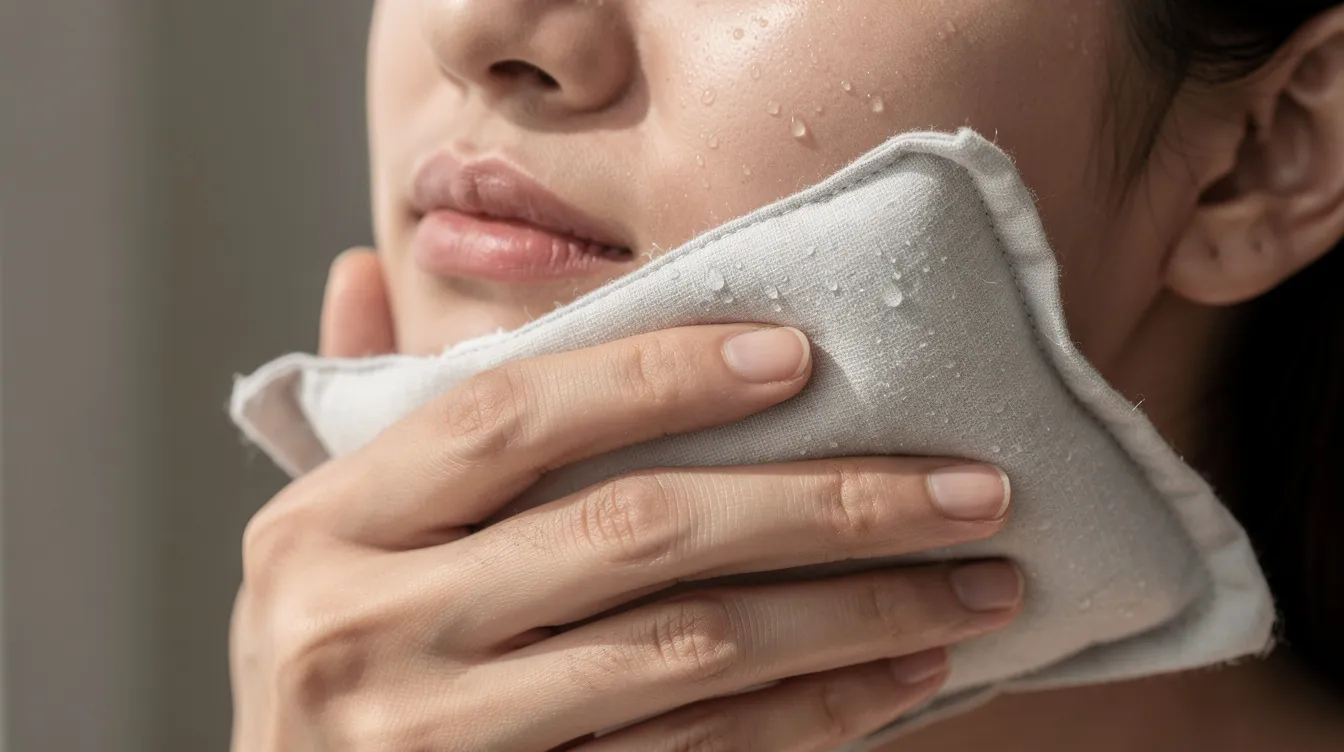
Apply cold compresses intermittently. Use an ice pack wrapped in a cloth or an ice cube covered in a thin towel. Apply cold compresses for 10-15 minutes at a time, cycling on and off. This helps constrict blood vessels, reduce bruising, and minimize swelling.
Do not touch or press on your lips for 48 hours. Physical pressure can shift filler placement, push product into unintended areas, and cause unnecessary pressure on the surrounding tissue. Resist the urge to feel or massage your lips unnecessarily.
Skip makeup on the lips for the first 24 hours after treatment. Applying lip makeup or lip gloss too soon can introduce bacteria into injection sites. Wait at least a full day before you wear lipstick or any lip products.
First 24-48 Hours: Critical Healing Process Steps
The first 24-48 hours represent the most critical window of your healing process. Your body's natural inflammatory response is at its peak, and what you do now directly impacts how smoothly your lip filler treatment settles.
Avoid intense heat for the first 48 hours. Excessive heat from saunas, steam rooms, and very hot showers increases blood flow and can worsen swelling. Stick to cool or lukewarm showers during this window.
Avoid alcohol for 24 to 48 hours. Alcohol acts as a vasodilator and impairs clotting. Do not consume alcohol for 24 hours after lip fillers at minimum, as it increases bleeding, bruising, and swelling risk.
Stay hydrated. Drinking plenty of water, at least 8 glasses daily, supports lymphatic drainage and helps your body integrate the filler. Hydration supports the longevity of lip fillers by maintaining skin moisture and skin hydration.
Eat soft foods only. Minimizing jaw and lip movement by sticking to soft foods reduces stretching and pressure on your lips while injections are still fresh. Avoid very hot or spicy foods as well.
Activity, Blood Flow, and Heat Restrictions
Anything that raises your body temperature or increases blood flow to the face can amplify swelling and bruising. For the first 48 hours:
Avoid strenuous exercise for at least 24-48 hours post-treatment. High intensity exercise raises your heart rate and pushes more blood to your face, which can worsen swelling and shift filler before it settles.
Avoid high intensity exercise like running, heavy lifting, or cycling. Light walking is acceptable if you feel up to it.
Skip saunas and hot tubs entirely. These combine intense heat and humidity, a combination that can inflame surrounding skin and delay recovery.
Take cool showers only during the first two days. Avoid intense heat from steam or very hot showers.
The goal is simple: keep inflammation controlled so the filler settles where it was placed.
Medications, Supplements, and Avoid Alcohol
Certain substances thin your blood, increasing bruising and bleeding at needle puncture sites. Here's what to watch for:
Substance | Why It Matters | When to Stop |
|---|---|---|
Aspirin, Ibuprofen, Naproxen (NSAIDs) | Impair platelet aggregation | 3-7 days before, 48 hours after |
Fish oil / Omega-3s | Thin blood | 3-7 days before |
Vitamin E, Ginkgo Biloba | Increase bleeding time | 3-7 days before |
Alcohol | Vasodilator, impairs clotting | 24-48 hours before and after |
If you take blood thinning medications or blood thinning substances regularly, consult your provider before stopping anything prescribed.
Avoid blood thinning substances like over-the-counter NSAIDs. Use acetaminophen (Tylenol) for pain instead, as it doesn't increase bruising risk.
Ask your provider about supplements like fish oil well before your appointment.
Common Side Effects and Managing the Healing Process
It is common to experience mild swelling and bruising after lip filler injections. Here's what to expect and how to manage it:
Swelling timeline: Initial swelling starts within hours after treatment. Swelling peaks within 24-48 hours, and your lips may appear 30-60% larger than the intended final result. Most swelling subsides significantly by days 5-7, with most initial swelling resolved by the end of week 2.
Bruising management: Bruising at injection sites typically lasts 5-7 days, shifting from purple to yellow-green as it heals. To reduce bruising, continue using a cold compress, keep your head elevated, and consider applying arnica gel if your provider recommends it.
Tenderness and firmness: Tenderness and firmness in lips are common for a few days. Address tenderness with cold packs and acetaminophen.
Lumps: Lumps may feel normal initially but should improve within weeks. Most lumps represent swelling or filler that hasn't fully integrated yet. Minor asymmetry may occur due to swelling but resolves naturally. If a hard lump persists beyond two weeks, contact your provider.
What To Do If You Suspect Filler Migration
Filler migration happens when product shifts away from the intended placement. Signs include:
Loss of vermillion border definition or a "shelf" of fullness above the upper lip
Asymmetry that develops or worsens weeks after treatment
Persistent puffy areas outside the intended injection zone
What to do:
Assess symmetry and firmness by comparing both sides of your lips in consistent lighting.
Contact your provider immediately for evaluation. Early intervention leads to better outcomes.
Document changes with photos taken from the front and sides to help your provider track shifts.
Hyaluronidase treatment is an option for hyaluronic acid fillers. This enzyme dissolves misplaced HA filler, with visible changes typically appearing within 24-48 hours.
Timeline: Week-By-Week Lip Filler Recovery
Days 1-3
Swelling peaks within 24-48 hours after lip fillers. Your lips will look significantly larger than the final result, and asymmetry is often more visible during peak swelling. This is completely normal. Continue applying cold compresses, keep your head elevated, and avoid heavy activity. Minor swelling and mild swelling are expected.
Days 4-7
Significant swelling reduction begins. Most patients feel back to normal within 5-7 days. Bruising typically fades within 5-7 days after treatment, transitioning from darker tones to yellow-green. Lumps and firmness start softening. You can begin gentle lip care with non-irritating products, though you should still avoid strenuous exercise and excessive heat.
Week 2
Most initial swelling resolves by the end of week 2. Final results from lip fillers are usually visible around two weeks after the procedure. At this point, evaluate your final shape. If you're considering adjustments, schedule a follow up appointment with your provider. Many practitioners prefer to wait until after week 2 before recommending any touch-up.
Weeks 3-4 And Beyond
Final results are usually visible by 2-4 weeks post-treatment. The filler has fully integrated into surrounding tissue, and the shape, size, and texture feel natural. Most normal activities are safe to resume. Lip fillers typically last 6-12 months depending on individual factors like metabolism, filler type, and lifestyle. Most patients schedule maintenance appointments every 6-9 months to maintain their lip enhancement.

Lip Balm, Sun Protection, and Long-Term Dermal Filler Care
Once the initial 24-hour window passes, introduce a non-irritating lip balm to keep your lips hydrated. Look for fragrance-free, petroleum-based, or beeswax-based formulas.
For long-term dermal filler care:
Apply spf lip balm daily. Daily sun protection is essential to prolong lip filler effects. UV exposure degrades collagen and the dermal matrix around the filler, accelerating loss of definition.
Regular moisturizing helps maintain lip filler results over time. A consistent skincare routine that includes lip hydration makes a meaningful difference.
Hyaluronic acid binds water for lasting volume, which is why staying well-hydrated supports your results long after the procedure.
Avoid smoking. Smoking restricts circulation, slows healing, and degrades the surrounding skin quality, negatively affecting filler longevity.
Limit prolonged sun exposure and always protect your lips when outdoors.
Getting Lip Fillers: Pre-Appointment Preparation
Preparation before getting lip fillers is just as important as what you do after. Here's a pre-appointment checklist:
Disclose all medications and supplements. This includes prescription anticoagulants, NSAIDs, and herbal supplements like fish oil, vitamin E, ginkgo biloba, garlic, and ginseng.
Avoid alcohol 24 hours before your appointment. It increases bleeding and swelling risk during the lip filler procedure.
Stop blood-thinning supplements 3-7 days prior. If medically permissible, pause fish oil and similar supplements.
Bring reference photos. Showing your provider examples of your lip enhancement goals helps align expectations and avoid dissatisfaction.
Arrive with clean, makeup-free lips. Avoid retinoids or exfoliants near the lip area for 48-72 hours before treatment.
If you have a history of cold sores, ask your provider about antiviral prophylaxis. Needle trauma can trigger HSV reactivation.
When To Contact Your Provider
Your lip filler journey should involve steady improvement. Contact your provider if you notice:
Severe pain that worsens after the first 48 hours rather than improving
Prolonged swelling that doesn't begin to recede by days 3-4
Signs of infection: spreading redness, warmth, fever, pus, or swelling that is hot to touch
Vision changes, blanching, or skin discoloration: sudden white patches, bluish-gray areas, or mottled skin may signal vascular occlusion. Seek medical attention if there is severe pain or changes in skin color-this requires immediate intervention
Persistent hard lumps or numbness beyond 2 weeks that may indicate more serious complications like nodule formation or product misplacement
When in doubt, call your provider. Early intervention prevents small issues from becoming big ones.
Aftercare Instructions Summary
Here's a concise checklist covering the first 48 hours of your lip filler recovery:
Do:
✅ Apply an ice pack wrapped in cloth for 10-15 minutes at a time
✅ Keep your head elevated while sleeping the first night
✅ Stay hydrated by drinking plenty of water (at least 8 glasses daily)
✅ Eat soft foods to minimize lip movement
✅ Use acetaminophen for discomfort if needed
✅ Take photos to track your healing process
Don't:
❌ Touch, press, or massage your lips
❌ Wear makeup on your lips for 24 hours (skip makeup entirely on the lip area)
❌ Drink alcohol for at least 24-48 hours
❌ Exercise vigorously or raise your body temperature
❌ Expose lips to excessive heat, saunas, or hot tubs
❌ Take NSAIDs or blood-thinning supplements
Schedule your follow up appointment for approximately 2 weeks post-treatment to evaluate your results and discuss any concerns. Following these aftercare instructions closely gives you the best chance at a smooth recovery and results you'll love. Your lip filler journey doesn't end when you leave the clinic-proper lip filler aftercare is what turns a good procedure into a great one.
Frequently Asked Questions
What should I do immediately after getting lip fillers?
Keep your head elevated while sleeping, apply cold compresses for 10-15 minutes at a time to reduce swelling, avoid touching or pressing your lips for 48 hours, and skip makeup for the first 24 hours to prevent bacteria introduction at injection sites.
Why should I avoid alcohol after lip filler treatment?
Alcohol acts as a vasodilator and impairs clotting, increasing bleeding, bruising, and swelling risk. Avoid alcohol for 24 to 48 hours after treatment to minimize these complications during the critical healing window.
How long does swelling typically last after lip fillers?
Initial swelling peaks within 24-48 hours, when lips may appear 30-60% larger than intended. Most swelling subsides significantly by days 5-7, with most initial swelling resolved by the end of week 2.
What medications should I avoid before and after lip fillers?
Avoid NSAIDs like aspirin and ibuprofen, fish oil, vitamin E, and ginkgo biloba as they thin blood and increase bruising. Stop these 3-7 days before treatment and for 48 hours after. Use acetaminophen for pain instead.
Can I exercise after getting lip fillers?
Avoid strenuous exercise for 24-48 hours post-treatment, as it raises heart rate and increases blood flow to the face, worsening swelling and potentially shifting filler before it settles. Light walking is acceptable if you feel able.
Learn more: Body Contouring at Leva Medical


-2.jpg?width=2000&height=2000&name=Copy%20of%20YouTube%20Thumbnail%20-%20Life-Changing%20Cosmetic%20Surgery!%20(Document)-2.jpg)


