That firm, growing bump on your ear after a piercing can be more than a minor annoyance. If it keeps expanding beyond the original wound, you may be dealing with a keloid-and knowing your treatment options early can make all the difference. This guide covers everything from diagnosis to surgical excision, aftercare, and recurrence prevention.
Overview of Ear Piercing Keloid Scars
Keloids are tough, raised scars caused by overproduction of collagen during healing. Unlike a normal scar that fades and flattens, a keloid forms when collagen production goes into overdrive, creating excessive scar tissue formation that extends beyond the borders of the original injury. Keloids can vary in color from flesh colored to dark brown, depending on skin tone and maturity of the lesion.
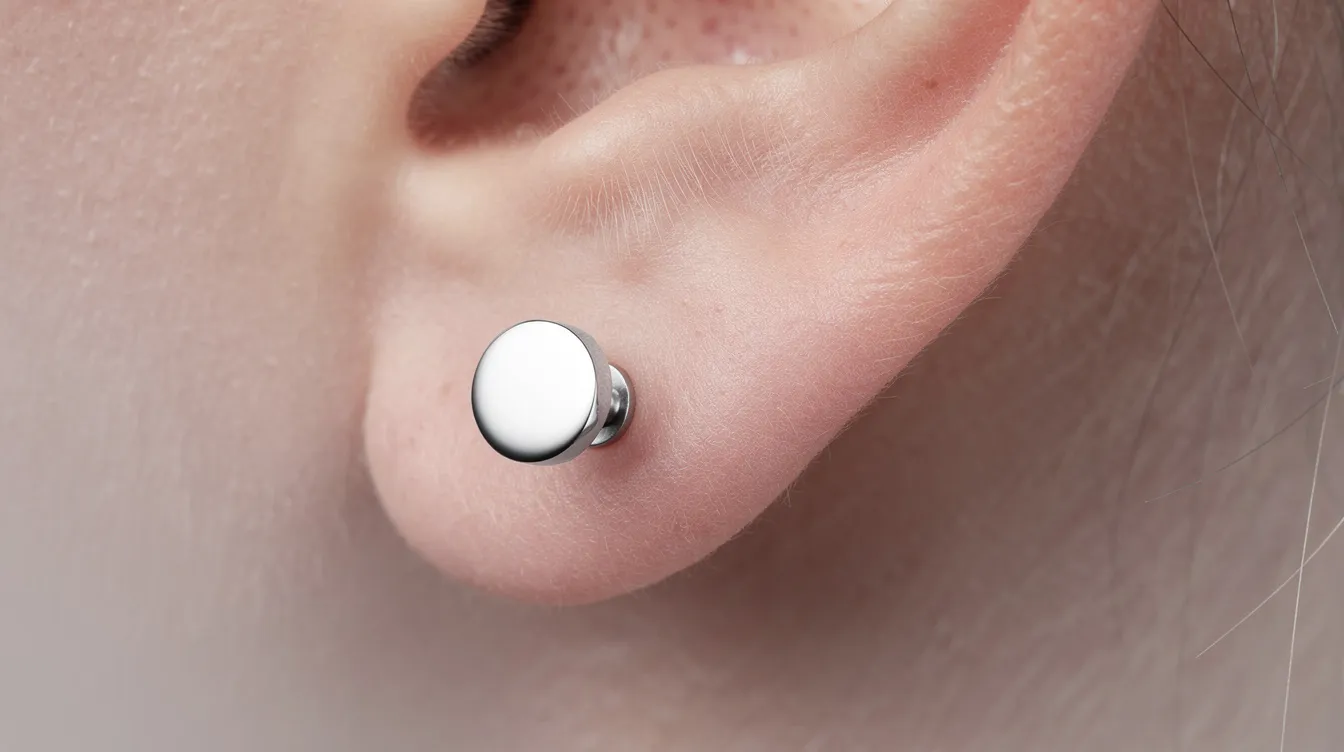
Several key differences separate keloid scars from hypertrophic scars. Hypertrophic scars are raised scars that stay within the boundaries of the skin injury and often flatten over time. They may feel soft and regress on their own. Keloids, by contrast, grow beyond the original wound, rarely improve without intervention, and can be itchy or painful to the touch.
Factors that increase keloid risk include piercing trauma, infection, and genetic predisposition. Ear piercing is one of the most common triggers, especially when done at a piercing shop using low-quality metals or when fresh piercings become infected. Keloids are more common in individuals with darker skin tones, with some studies estimating incidence rates of 4.5% to 16% following skin injury in certain populations. Keloids may continue to grow for years without treatment, which is why early action matters.
Realistic Expectations and Timeline (several weeks)
Before diving into treatment options, it helps to calibrate your expectations. Most medical treatment approaches aim to reduce keloid size, flatten the scar, and relieve other symptoms like pain or itchiness-rather than guarantee complete disappearance. Residual thickening or discoloration is common even after successful therapy.
Steroid injections often show noticeable change in several weeks, with meaningful flattening typically visible after two to three sessions. Full results may take three to six months of consistent therapy. And here's the reality most people need to hear: recurrence is possible after any treatment. Even combination approaches carry some risk, so long-term follow-up is essential.
First Steps After Noticing a Piercing Bump or Irritation Bump
If you spot a bump forming around your ear piercing, resist the urge to pop, squeeze, or cut it. Doing so can introduce bacteria, worsen the trauma, and potentially trigger further keloid growth. No dermatologist will recommend home incision of an irritation bump or keloid bumps.
Stop using harsh cleaning agents like hydrogen peroxide, rubbing alcohol, or abrasive scrubs. These can cause additional skin trauma and delay the healing process. Stick to a gentle saline solution for cleaning.
Early treatment improves outcomes for keloid management. The smaller and newer the lesion, the better it responds to therapy.
Contact a healthcare provider as soon as you notice persistent growth, firmness, or spreading beyond the piercing site. Waiting weeks or months allows the keloid to mature and become significantly harder to treat.
Diagnosis: When to See a Healthcare Provider for Ear Keloids
Not every bump on a piercing is a keloid. Acne, irritation bumps, and minor infections can mimic the appearance of a keloid initially. It is important to confirm a growth is a keloid through professional evaluation before pursuing aggressive treatment.
Red flags that warrant a visit to your doctor or dermatologist:
The bump extends beyond the piercing site
It feels firm and rubbery rather than soft
Growth continues over several weeks or months
Symptoms like persistent itching, pain, or tenderness occur
Color changes to dark brown or becomes noticeably raised
A dermatologist can assess the lesion and determine whether you're dealing with a true keloid or a hypertrophic scar. For ear keloids involving cartilage, an ENT referral may be appropriate. Photograph the bump from multiple angles each week-this documentation helps your healthcare professional track progression and plan treatment.
Non-Surgical Medical Treatments for Ear Keloids and Piercing Bumps
For small to moderate ear keloids, non-surgical options are typically the first line of defense. Common approaches include steroid therapy, silicone gel or sheets, cryotherapy, laser treatment, and pressure therapy. Combination therapy is often preferred over a single procedure for keloid treatment, as studies consistently show that pairing modalities yields better flattening and lower recurrence rates.
Document your response over several weeks by tracking changes in keloid size, color, elevation, and symptoms at each visit.
Corticosteroid Injections for Ear Keloids
Steroid injections remain a cornerstone of keloid treatment. Intralesional steroid injections can soften and flatten keloids by reducing collagen production and suppressing inflammation within the scar tissue. Most protocols use triamcinolone acetonide at concentrations of 10–40 mg/mL.
You should schedule injections every four to six weeks initially, though some providers start with shorter intervals for aggressive lesions. Steroid injections can help flatten keloids over time, with most patients seeing measurable improvement within several months. Track symptom changes-reduced itchiness, softer texture, flattened profile-between sessions. Side effects can include localized skin atrophy and pigment changes around the injection site.
Silicone Gel or Silicone Sheets for Keloid Bumps
Silicone gel sheets may help flatten scars and reduce recurrence after keloid treatment. They work through sustained hydration and occlusion, modulating the growth factors that drive scar formation. Silicone sheets can reduce redness and flatten keloids when used consistently.
Silicone gel therapy requires consistent daily use for effectiveness-ideally 12 to 24 hours per day for multiple weeks to months. Adherence is the main challenge. This approach works best on smaller or newer keloids and is often used as an adjunct alongside injections or after surgery rather than a standalone solution.
Cryotherapy and Other In-Office Options
Cryotherapy involves freezing abnormal scar tissue with liquid nitrogen, causing controlled necrosis of keloid cells. Cryotherapy is effective for smaller keloids and is often combined with steroid injections for enhanced results. Multiple sessions are usually required, and there is a risk of hypopigmentation or hyperpigmentation, particularly in darker skin.
Laser therapy can improve the appearance of keloids by flattening scars and reducing redness. Pulsed-dye lasers and Nd:YAG lasers target vascularity and color, though results are strongest when paired with other treatments.
Pressure Therapy and At-Home Care for Piercing Bumps
Pressure earrings are worn post-surgery to reduce blood flow and prevent keloid regrowth. They compress the earlobe to discourage collagen buildup. Treatment commitment is important-pressure earrings require continuous wear for several months, typically 12 to 20 hours per day.
For day-to-day care of piercing bumps:
Switch to hypoallergenic flat-back jewelry (titanium or surgical steel) to reduce irritation
Avoid heavy, dangling earrings that create tension
Clean gently with saline solution only-no tea tree oil, lavender oil, or aspirin paste (more on that below)
Surgical Removal of Ear Keloids: When and How
When non-surgical treatments fail or the keloid is large and causing significant discomfort or disfigurement, surgical removal becomes an option. However, surgical removal has an 80% recurrence rate for keloids when performed as a standalone procedure. Keloids can recur in up to 80% of surgical cases without adjuvant therapy, which is why surgery is almost always combined with post-operative treatments.
Keloid recurrence can reach up to 80 percent after surgery alone. Always discuss adjuvant therapy before agreeing to a procedure.
Preoperative counseling with a qualified healthcare provider should cover realistic outcomes, recurrence risk, and the full treatment plan including post-surgical adjuvants.
Surgical Technique and Surrounding Skin Management
The preferred approach for many ear keloids is intralesional excision, where the surgeon removes the central keloid mass while preserving a rim of surrounding skin to minimize tension. Multilayer closure techniques further reduce mechanical stress on the wound, which is a key driver of recurrence. The procedure is typically done under local anesthesia in an operating room or outpatient surgical suite.
A meta-analysis of 608 keloids treated with this intralesional excision technique found a pooled recurrence rate of approximately 13%-dramatically lower than the 45–100% seen with traditional complete excision. An intraoperative or immediate postoperative steroid plan should be established before the patient leaves the facility.
Postoperative Adjuvant Therapies After Surgical Removal
Post-surgical care is where outcomes are truly determined. Recommended adjuvants include:
Adjuvant Therapy | Protocol | Recurrence Reduction |
|---|---|---|
Serial steroid injections | Every 4–6 weeks for 3–6 months | Recurrence as low as ~6.6% in some series |
Silicone therapy | Daily use during wound maturation (3–12 months) | Moderate flattening, best as adjunct |
Radiation (EBRT/brachytherapy) | 10–20 Gy in fractions, started within 24–72 hours post-surgery | Post-surgical radiation can reduce recurrence to 10–15% |
SRT-100 is a non-invasive treatment often used after surgical excision to prevent keloids from returning. It delivers superficial radiation precisely to the treatment site with minimal impact on deeper tissues. For high-recurrence cases or patients with a strong family history, short-course radiation is a strong consideration. Post-surgical radiation can reduce recurrence to 10 to 15 percent, making it one of the most effective adjuncts available.
Jewelry Management for Ear Piercings and Ear Keloids
Removing jewelry immediately after noticing a keloid is not always the right move. In some cases, abrupt removal can allow the piercing channel to collapse and complicate ear reconstruction if surgery is needed later. In other cases, the jewelry itself is the source of irritation.
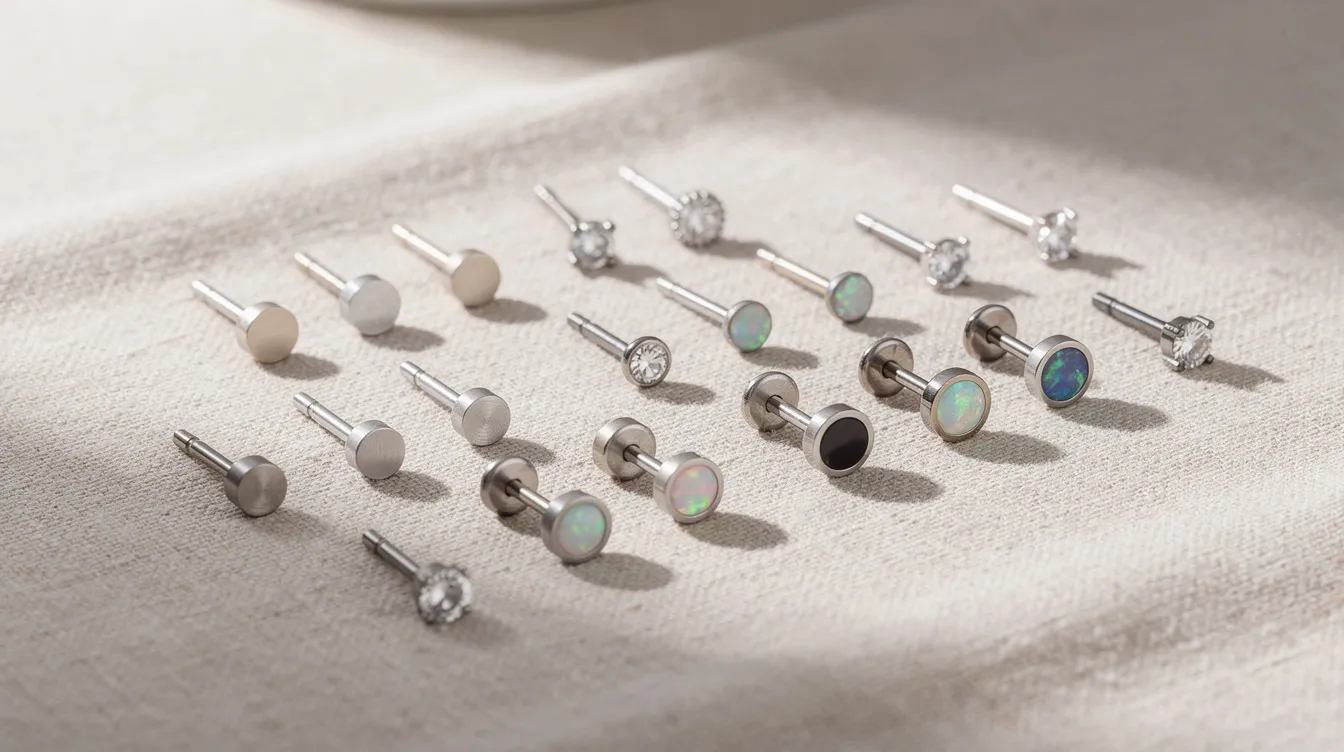
Jewelry material affects keloid formation risk. Switch to titanium or flat-back jewelry to reduce irritation whenever possible. Avoid tight butterfly backs and low-quality metals that can trigger allergic reactions or galvanic irritation. If you have body piercings in other locations, apply the same logic-hypoallergenic materials reduce the chance a keloid forms at any piercing site.
Home Remedies, Products, and What Not To Do
The internet is full of DIY advice for piercing bumps and keloid bumps. Most of it does more harm than good.
Remedies to avoid:
Tea tree oil and lavender oil applied directly-can cause contact dermatitis and worsen inflammation
Aspirin paste-no clinical evidence supports its use for keloids and may irritate the skin
Acid peels or abrasive pastes-risk chemical burns and increased scar tissue formation
Attempting to cut or shave the keloid at home-this can introduce bacteria and trigger regrowth
Delaying professional care with DIY treatments is one of the most common mistakes. Keloids can continue to grow for years without treatment, and larger lesions are significantly harder to treat. Evidence-based topical silicone is the one at-home adjunct with actual data behind it, but it should be used alongside-not instead of-medical treatment from a healthcare provider.
Recovery, Follow-Up, and Preventing Recurrence
The healing process varies depending on your treatment approach. After surgical excision, initial wound closure takes one to two weeks, with full scar maturation occurring over three to twelve months. Non-surgical treatments like steroid therapy require monthly visits across three to six months or longer.
Keloids on ear piercings are prone to recurrence with a 40–80% chance of returning, so follow-up is non-negotiable. Schedule visits with your healthcare provider every four to six weeks initially, then quarterly for up to two years. Early treatment improves outcomes for keloid management, so catching a small recurrence early-a new bump, redness, or itching-is far easier to manage than a fully formed keloid.
Avoid re-piercing the same site. If you want a new piercing, wait at least 12 months after full remission and choose a different location. Use sterile technique and hypoallergenic jewelry from the start.
Patient Selection, Consultation, and Candidate Criteria for Surgical Removal
Not every patient with an ear keloid is a good candidate for surgery. The best candidates for surgical removal and ear reconstruction typically have:
Mature, stable keloids that have stopped actively growing
Failed non-surgical treatments after adequate trial periods
Ability to comply with post-operative adjuvant therapy (injections, pressure devices, or radiation)
No uncontrolled comorbidities affecting healing (e.g., unmanaged diabetes)
Checklist for your consultation:
Duration and growth pattern of the keloid
Previous treatments and their outcomes
Family history of keloid scars
Metal allergies or sensitivities
Current medications
Skin type and body healing history
Discuss recurrence risks and realistic outcomes with your surgeon. Even with optimal technique and adjuvants, recurrence is never zero. But a well-planned approach-combining the right surgical technique with post-operative therapy-gives the patient the best possible chance.
Patient Education Materials and Visuals to Include
If you're a healthcare professional treating ear keloids, consider providing patients with consented before-and-after photos that show realistic results: reduction and flattening rather than invisible scars. A timeline graphic showing treatment over several weeks-from initial diagnosis through steroid cycles, potential surgery, and long-term monitoring-helps set expectations.
Clear aftercare instructions should cover surrounding skin care, jewelry selection, cleaning protocols, pressure device schedules, and specific signs that warrant an immediate contact with the provider. A simple printed checklist often improves adherence more than a lengthy verbal explanation.
Keloid management is a marathon, not a sprint. Whether you're dealing with a small irritation bump from a recent piercing or a mature keloid that's been growing for years, the path forward starts with a professional evaluation and a commitment to the full treatment plan. Don't wait for the problem to grow-schedule a consultation with a dermatologist and take the first step toward reclaiming your ear.
Frequently Asked Questions
What is the difference between a keloid and a hypertrophic scar?
Hypertrophic scars are raised but stay within the injury boundaries and may flatten over time. Keloids grow beyond the original wound, rarely improve without treatment, and can be itchy or painful. Keloids extend beyond the piercing site while hypertrophic scars remain confined to it.
What should I do if I notice a bump forming around my ear piercing?
Avoid popping, squeezing, or cutting the bump as this can introduce bacteria and worsen trauma. Stop using harsh cleaners like hydrogen peroxide or rubbing alcohol. Use gentle saline solution for cleaning and contact a healthcare provider if the bump persists, feels firm, or grows beyond the piercing site.
How long does keloid treatment typically take to show results?
Steroid injections often show noticeable changes within several weeks, with meaningful flattening typically visible after two to three sessions. Full results may take three to six months of consistent therapy. Timeline varies depending on the treatment approach and individual response.
What are common treatment options for ear keloids?
Non-surgical options include steroid injections, silicone gel or sheets, cryotherapy, laser treatment, and pressure therapy. Combination therapy pairing multiple approaches is often preferred over single treatments, as studies show better flattening and lower recurrence rates.
Is it possible for a keloid to return after treatment?
Yes, recurrence is possible after any treatment, including combination approaches. This is why long-term follow-up is essential. Even after successful therapy, residual thickening or discoloration is common. Monitoring the area over time helps catch any regrowth early.
Learn more: Body Contouring at Leva Medical
-2.jpg?width=2000&height=2000&name=Copy%20of%20YouTube%20Thumbnail%20-%20Life-Changing%20Cosmetic%20Surgery!%20(Document)-2.jpg)


