A sculpted jawline ranks among the most sought-after goals in modern cosmetic treatments, and jawline filler has become the go-to non surgical contouring method for achieving it. By strategically adding volume along the mandibular angle, body, and chin, dermal fillers can sharpen facial contours, restore lost volume from aging, and create a harmonious facial profile without surgery. Jawline fillers enhance facial structure and provide immediate results, creating sharper angles and improving separation between the jawline and neck. This guide covers everything you need to know about filler types, costs, recovery, and how to choose the best filler for your anatomy.
Learn more: Body Contouring at Leva Medical
How Jawline Filler Injections Work
Dermal fillers are injectable gels placed beneath the skin at targeted depths to add volume, lift tissue, or stimulate collagen production. The injection process for jawline filler injections follows a consistent sequence:
Assessment of facial anatomy, bone structure, and goals
Mapping injection sites along the jawline area
Cleansing and numbing the treatment area
Injecting filler in appropriate tissue planes using a needle or blunt cannula
Shaping and evaluating symmetry
Post-procedure monitoring
Hyaluronic acid and calcium hydroxylapatite are common materials used in jawline fillers, each with distinct properties. Most fillers contain a numbing agent for comfort, and many providers also apply a topical numbing cream before beginning. You may feel a slight pinch during needle entry, but discomfort is generally manageable. Procedures to inject jawline fillers typically take 30 to 60 minutes depending on the complexity of the treatment plan.
Hyaluronic Acid Fillers For Jawline Contouring
Hyaluronic Acid Fillers Overview
Hyaluronic acid is a naturally occurring substance found in skin and connective tissue, making ha fillers among the most popular cosmetic injectables for jawline contouring. A hyaluronic acid filler works by attracting water to add volume immediately upon injection, delivering visible jawline definition within minutes.
Key advantages of hyaluronic acid ha fillers include:
Immediate volumizing effect
Reversibility with hyaluronidase enzyme if complications arise or results aren't desired
Predictable behavior and a well-studied safety profile
Hyaluronic acid fillers are the most popular for jawline contouring. They're the preferred choice when moderate structural enhancement, asymmetry correction, or reversibility matters to the patient. Hyaluronic acid fillers are reversible if needed, which gives both providers and patients an important safety net.
Popular HA Products And Uses
Hyaluronic acid fillers vary in firmness, cohesivity, and cross-linking technology, and product choice matters for jawline filler results. Key products include:
Product | Best Use | Typical Duration |
|---|---|---|
Juvéderm Volux XC | Sharp jaw angle, chin projection | 18–24 months |
Juvéderm Voluma XC | Mid-face to jaw transition | 12–18 months |
Restylane Lyft | Structural jawline support | 12–18 months |
Juvéderm Volux is FDA-approved for jawline definition, making it the first FDA-approved filler specifically for jawline definition in adults 21 and older. Results from Volux can last up to 18 to 24 months. For sharp projection at the mandibular angle, higher G′ (stiffer) gels like Volux provide the lift needed. For smoother transitions along the mandibular body or prejowl area, slightly softer HA formulations blend more naturally while still offering structural support. Hyaluronic acid fillers generally last between 12 to 18 months in the jawline.
Calcium Hydroxylapatite Fillers (CaHA)
Calcium Hydroxylapatite Fillers Overview
Calcium hydroxylapatite fillers use microspheres of CaHA suspended in a gel carrier. Radiesse is made of calcium hydroxylapatite and stimulates collagen production, creating both an immediate volumizing effect and a longer-term structural scaffold as new collagen forms around the microspheres. Calcium hydroxylapatite fillers provide immediate volume and long-term improvement, making them robust fillers for patients seeking durable support.
Radiesse stimulates collagen production for long-lasting results. Unlike HA, CaHA cannot be dissolved with an enzyme, so precise placement by a skilled injector is essential. Radiesse can last up to two years or more in some cases.
When To Use CaHA For Jawline
CaHA is ideal when structural support is the priority:
Patients with weak mandibular bone or pronounced jowling
Male patients seeking a wider, sharper jaw angle
Cases requiring deep projection that softer fillers can't deliver
Some practitioners combine CaHA with HA-using CaHA for lift at the gonial angle and HA for contouring smooth transitions. Expert guidelines recommend injecting CaHA deeply in the supraperiosteal plane, using small aliquots under 0.2 mL per bolus near the antegonial notch to reduce risk.
Poly-L-Lactic Acid And Other Biostimulators
PLLA And Gradual Collagen Methods
Poly-L-lactic acid (Sculptra) works differently from traditional facial fillers. Rather than filling immediately, it triggers a controlled inflammatory response that stimulates fibroblasts to produce collagen over time, improving skin quality and gradually restoring volume.
The treatment process typically requires 2 to 4 sessions spaced several weeks apart. Poly-L-lactic acid fillers create gradual results lasting over two years. PLLA is best suited for patients who prefer subtle, progressive improvement over dramatic immediate change, and those focused on long-term skin health and thickness rather than sharp angular projection.
Which Is The Best Filler For Your Jawline?
There is no single best filler that fits everyone. The right jaw filler depends on your natural structure, aesthetic goals, and how long do jawline fillers need to last for your preferences.
Collagen production decreases by about 1% per year with aging, contributing to bone resorption and sagging skin that gradually erodes a youthful jawline. Jawline fillers can address mild age-related volume loss, but jawline fillers cannot correct significant skin laxity or structural jaw issues that may require surgical intervention.
Decision factors include:
Facial proportions and existing bone structure
Desired look (angular vs. soft vs. gradual rebuild)
Longevity needs and budget
Risk tolerance and desire for reversibility
Best Filler By Aesthetic Goal
Goal | Recommended Filler | Why |
|---|---|---|
Sharp, angular jawline | Volux, Radiesse | Maximum lift and projection |
Natural movement, soft contour | Moderate-firmness HA | Flexibility without rigidity |
Gradual structural rebuild + skin quality | PLLA (Sculptra) | Collagen stimulation over months |
Results from collagen-stimulating fillers can last over two years, while HA offers more immediate but shorter-lived enhancement. Matching filler type to your natural features and facial balance is what produces natural looking results.
Consultation And Procedure Planning
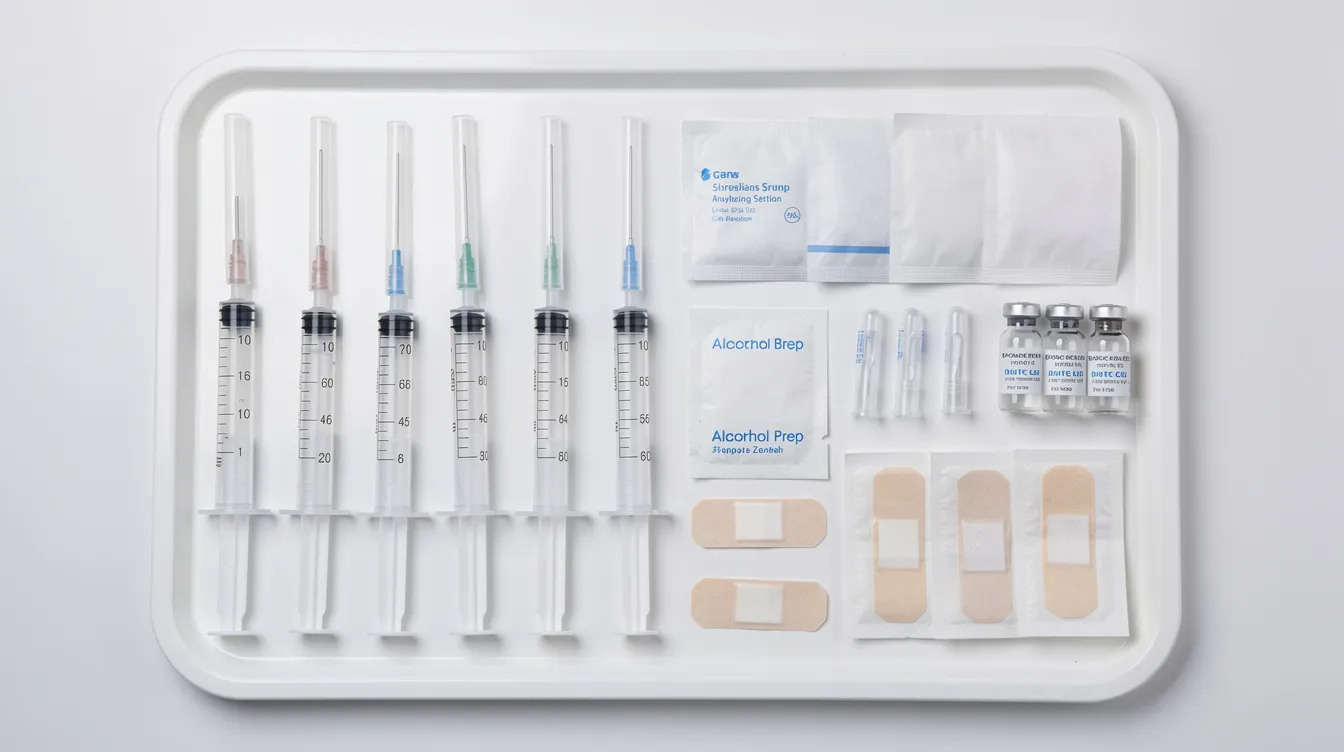
A thorough consultation is the foundation of successful jawline filler treatments. During this aesthetic treatment planning phase, your provider should:
Map facial proportions including vertical thirds, horizontal fifths, chin projection, and mandibular angle
Evaluate skin thickness, laxity, muscle activity, and existing bone structure
Document your goals and discuss expected before and after results
Create a personalized treatment plan with product selection, volume estimates, and injection sites
Obtain medical clearance covering allergies, bleeding disorders, and medications
Choosing an experienced injector is crucial to avoid complications and achieve desirable results. Providers often recommend a follow-up appointment for optimal jawline enhancement results, typically scheduled about two weeks post-treatment.
Injection Technique And Safety Protocols
Safe jawline contouring depends on thorough understanding of facial anatomy. Key landmarks include the antegonial notch (where the facial artery crosses the mandible), the gonial angle, mandibular body, and mental protuberance. Precise placement in the correct tissue plane-typically supraperiosteal for structure-prevents superficial irregularities.
Safety protocols include:
Blunt cannula use where possible to reduce vessel puncture risk
Small bolus volumes, especially near vascular landmarks
Aspiration before injecting
Aseptic technique throughout
Emergency supplies on hand, including hyaluronidase for HA-related vascular occlusion
Immediate monitoring for blanching, severe pain, or prolonged discoloration
Jawline fillers are non-surgical and require minimal downtime, but this in office procedure still demands clinical precision.
Before/After Results And Gallery
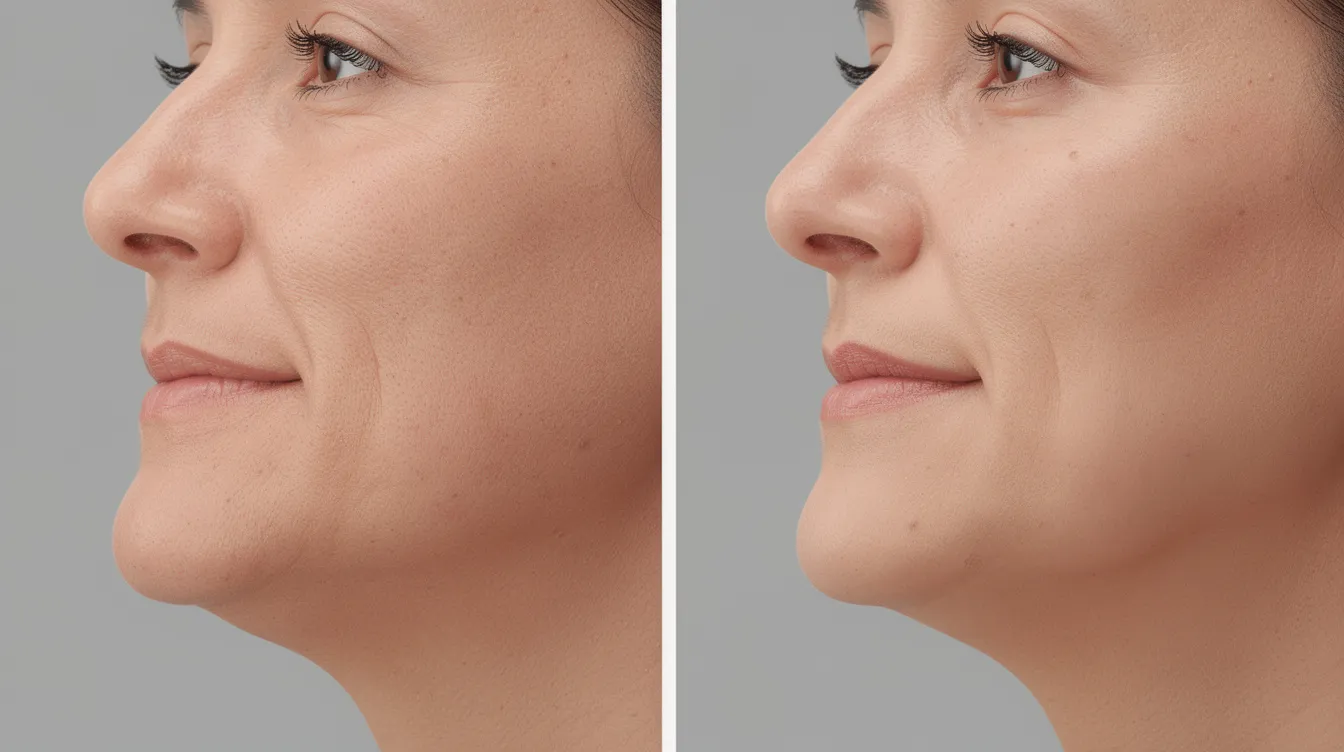
Jawline filler results vary based on starting anatomy, filler type, and volume used. Jawline fillers can improve the appearance of jowls, restore volume to flattened angles, and enhance definition along the entire lower face.
Typical volume ranges:
Subtle refinement: 1 mL per side
Full jawline definition: 2–4 syringes (jaw and chin combined)
Male patients: Often require more volume, particularly at the posterior gonial angle for width
HA fillers like Volux show visible change within minutes; CaHA delivers immediate fill plus delayed collagen support. Once the filler settles at around the two-week mark, the final shape becomes apparent.
Jawline Filler Cost And Financing
Jawline filler cost varies based on product type and amount needed. Here's what to expect in the United States:
Factor | Typical Range |
|---|---|
Cost per syringe (HA) | $700–$1,800 |
Premium structural HA (Volux) | $900–$1,500 per syringe |
Full jawline contouring (2–4 syringes) | $1,200–$5,000+ |
CaHA per syringe | Similar premium pricing |
More defined jawlines require more filler, increasing costs proportionally. Experienced injectors may charge higher fees for jawline filler, reflecting specialized training and better outcomes. Prices run higher in major metropolitan areas. PLLA requires multiple sessions, so cumulative costs can rival or exceed single-session filler injections. Many clinics offer financing, membership programs, or package pricing that includes touch-ups.
Recovery, Side Effects, And Aftercare
Temporary side effects may include swelling, tenderness, or bruising. Temporary swelling and mild swelling are the most common experiences, along with minor swelling at injection sites that resolves within the first week. Common side effects usually subside within a week.
Watch for these warning signs (which may indicate vascular occlusion):
Severe, disproportionate pain
Skin blanching or mottled discoloration
Prolonged bluish or white patches
Vascular occlusion is rare, estimated at 0.01–0.05% per injection, but requires immediate intervention.
For proper aftercare and the best healing process:
Avoid heat, saunas, and strenuous exercise for 24–48 hours
Sleep with your head elevated the first night
Apply cold compresses to reduce swelling
Keep skin hydrated and protected from UV exposure
Avoid blood-thinning medications as directed by your provider
Longevity, Maintenance, And Follow-Up
How long do jawline fillers last? Results typically last between 12 to 24 months depending on filler type:
HA fillers: Hyaluronic acid fillers typically last 12 to 18 months in the jawline
CaHA (Radiesse): Collagen-stimulating fillers can last up to two years or more
PLLA (Sculptra): Effects may persist 2–3 years with a full treatment course
Jawline fillers typically last 12 to 24 months overall. Follow-up visits are usually scheduled at two weeks to assess symmetry and molding, with maintenance sessions planned as metabolic breakdown occurs. Lifestyle factors that help prolong results include UV protection, avoiding smoking, staying hydrated, and maintaining stable weight.
Choosing A Provider For Filler Injections
Your provider selection matters as much as the product itself. Are jawline fillers safe? In qualified hands, yes. Here's how to vet your injector:
Verify credentials: Board-certified dermatologist, plastic surgeon, or supervised nurse injector
Review portfolios: Ask for before and after results across varied anatomies, both male and female
Confirm experience: Specifically with jawline contouring, not just general facial fillers
Avoid red flags: Unusually low pricing often signals discount products or inexperience
Check clinic standards: Reputable practices use a security service to protect patient data online and maintain strict clinical safety protocols
Jawline fillers offer predictable enhancement when administered by a provider who understands facial features and the nuances of each filler type.
What To Ask During Your Consultation
Which filler do you recommend for my facial profile and why?
How many syringes will I need to achieve a well defined jawline?
What is the total jawline filler cost, including any follow-ups?
How do you handle complications like vascular events?
Can I see before and after photos from your own patients?
What does the treatment process look like from start to finish?
Request a personalized treatment plan with a full cost breakdown before committing.
FAQs
Is jawline filler painful? Most patients report manageable discomfort. Most fillers include a built-in numbing agent (lidocaine), and providers typically apply topical anesthetic beforehand. You may feel a slight pinch and pressure during the injection process, with soreness lasting 24–48 hours.
How long does the procedure take? A typical jawline filler session takes 30 to 60 minutes, including mapping, numbing, and injections. Larger volume sessions involving chin and full jawline may take longer.
When will I see final results? HA and CaHA fillers deliver visible contouring immediately, but temporary swelling can distort early results. Final shape settles around 1–2 weeks. For biostimulators like PLLA, improvements develop gradually over 2–3 months as collagen production builds a youthful appearance.
How long do results typically last? Jawline fillers can last 12 to 24 months. Structural HA like Volux may last 18–24 months. CaHA can persist 12–18 months or longer. PLLA effects can maintain for over two years. Your natural beauty and lifestyle habits influence longevity.
Closing Call To Action
A well-planned jawline filler treatment can deliver a defined jawline that enhances your facial balance and complements your natural structure. Whether you want to restore volume, enhance definition, or achieve a youthful jawline through non surgical contouring, the process starts with a consultation tailored to your facial proportions and goals.
Schedule a personalized assessment with a qualified provider to discuss which approach fits your anatomy. Many clinics accept photo uploads for virtual review before your visit, so you can start the conversation from home and arrive with a clear plan.
Frequently Asked Questions
What are jawline fillers and how do they work?
Jawline fillers are injectable gels placed beneath the skin to add volume along the jawline. They work by strategically filling areas along the mandibular angle, body, and chin to sharpen contours, restore lost volume from aging, and create a more defined facial profile without surgery.
How long do jawline filler results last?
Duration depends on filler type. Hyaluronic acid fillers typically last 12-18 months, with some products lasting up to 24 months. Calcium hydroxylapatite can last two years or longer. Poly-L-lactic acid results develop gradually over 2-4 sessions and last over two years.
What is the difference between hyaluronic acid and calcium hydroxylapatite fillers?
Hyaluronic acid provides immediate volume and is reversible with an enzyme if needed. Calcium hydroxylapatite stimulates collagen production for longer-lasting results but cannot be reversed. CaHA requires precise placement by a skilled injector due to its non-reversible nature.
How long does a jawline filler procedure take?
Jawline filler procedures typically take 30 to 60 minutes, depending on the complexity of the treatment plan. The process includes assessment, site mapping, cleansing, numbing, injection, shaping, and post-procedure monitoring.
Is discomfort expected during jawline filler injections?
Most fillers contain a numbing agent, and providers typically apply topical numbing cream beforehand. Patients may feel a slight pinch during needle entry, but discomfort is generally manageable throughout the procedure.


-2.jpg?width=2000&height=2000&name=Copy%20of%20YouTube%20Thumbnail%20-%20Life-Changing%20Cosmetic%20Surgery!%20(Document)-2.jpg)


